
Hair colour is one of the first things people notice about you — and whether you’re blonde, brunette, redhead, black-haired, or rocking something bold like blue or pastel pink, chances are people are already forming opinions before you even speak. But where do these snap judgments come from, and how do they affect the way we’re perceived in work, love, and life?
Let’s break down the stereotypes, the science, and the surprising social cues tied to each hair colour — natural and otherwise.
Blonde: The Spotlight Magnet
From Marilyn Monroe to Margot Robbie, blondes have long been associated with glamour, fun, and flirtation. But behind the iconic image is a stereotype that’s deeply ingrained, the “dumb blonde” myth.
- Perception: Outgoing, fun-loving, and approachable — but sometimes not taken seriously.
- The Reality: Studies show blondes are actually more likely to be hired and earn higher salaries in some fields, especially in roles that value charisma and visibility.
- What it says about society: We often conflate lightness with warmth and friendliness, but it can come at the cost of being underestimated intellectually.
Brunette: The Grounded Go-Getter
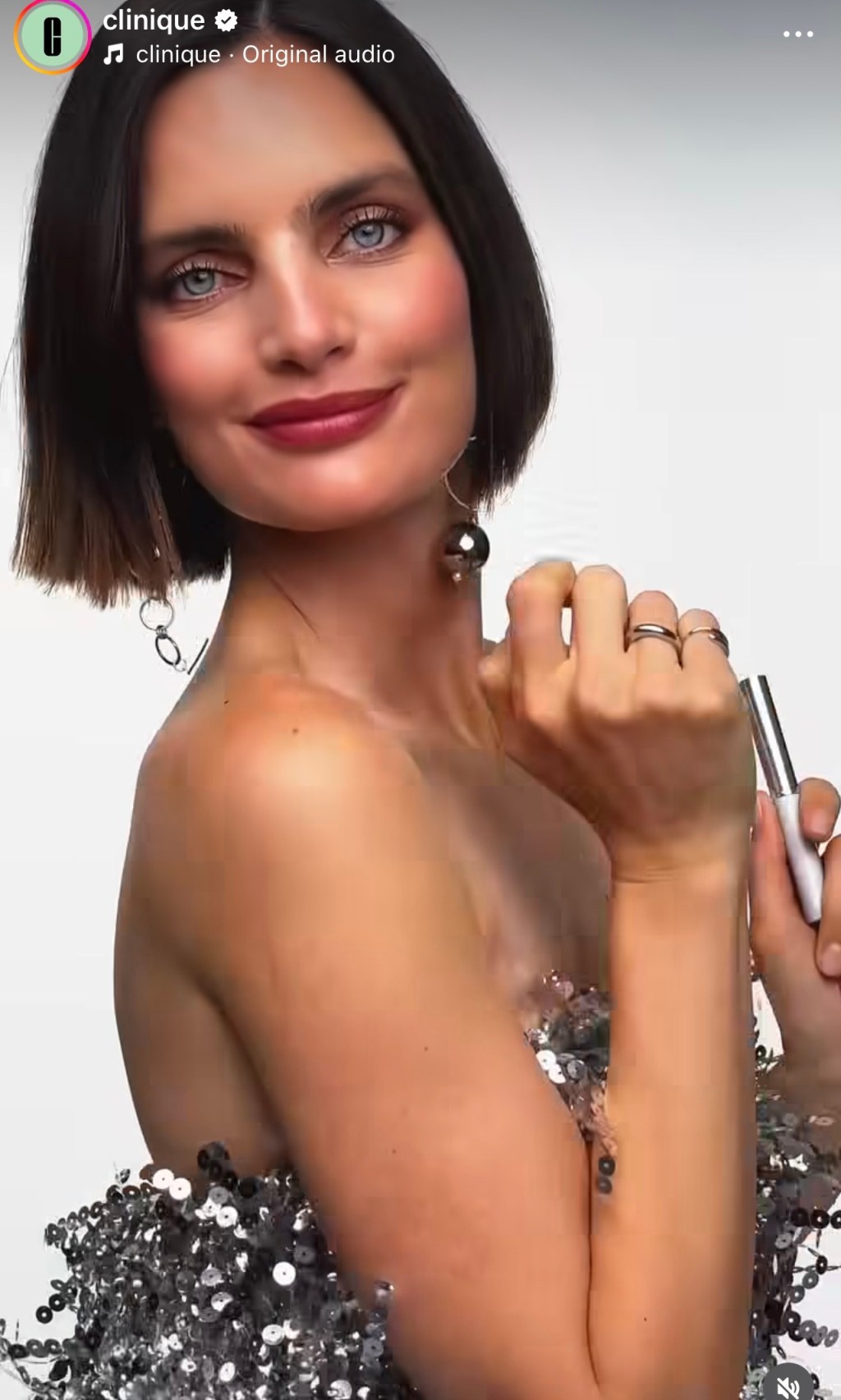
Brunettes are often seen as practical, intelligent, and capable — the Hermione Granger to the blonde Elle Woods. Darker hair tends to be associated with seriousness and depth.
- Perception: Responsible, loyal, stable — but sometimes less “fun.”
- The Reality: In leadership and academic studies, brunettes are often rated as more competent and trustworthy.
- What it says about society: There’s an implicit bias that equates dark with discipline, a double-edged sword that can pigeonhole personality.
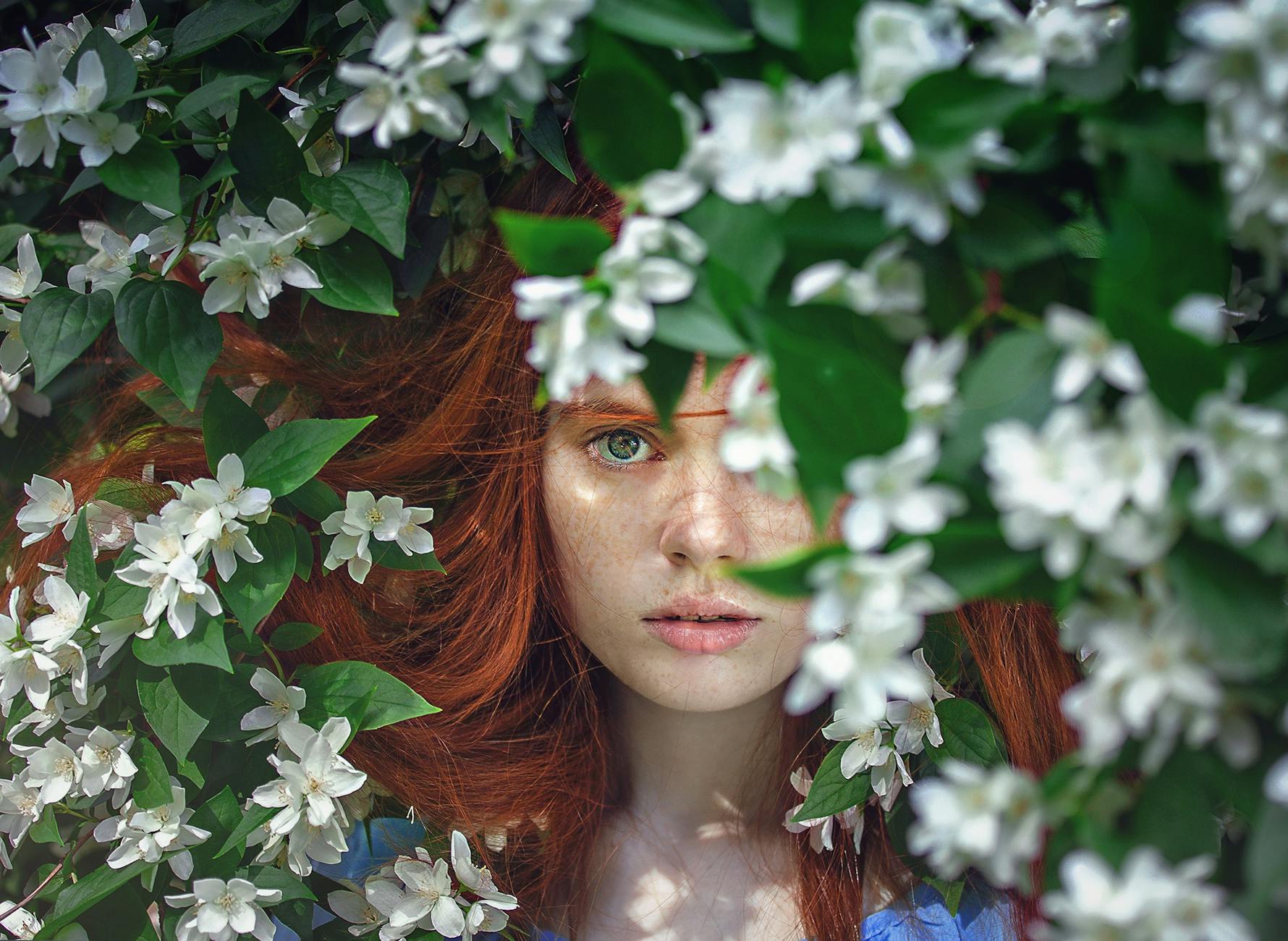
Redhead: The Fiery Individualist
Redheads make up less than 2% of the global population, and they stand out in a crowd. With their natural rarity comes a flood of associations: fiery temper, strong will, and unique allure.
- Perception: Passionate, fiery, sometimes quirky or hot-headed.
- The Reality: Redheads are often more sensitive to pain and temperature due to genetic traits — but socially, they’re seen as magnetic and unpredictable.
- What it says about society: We’re quick to mythologize rarity, sometimes in ways that are flattering and sometimes not.
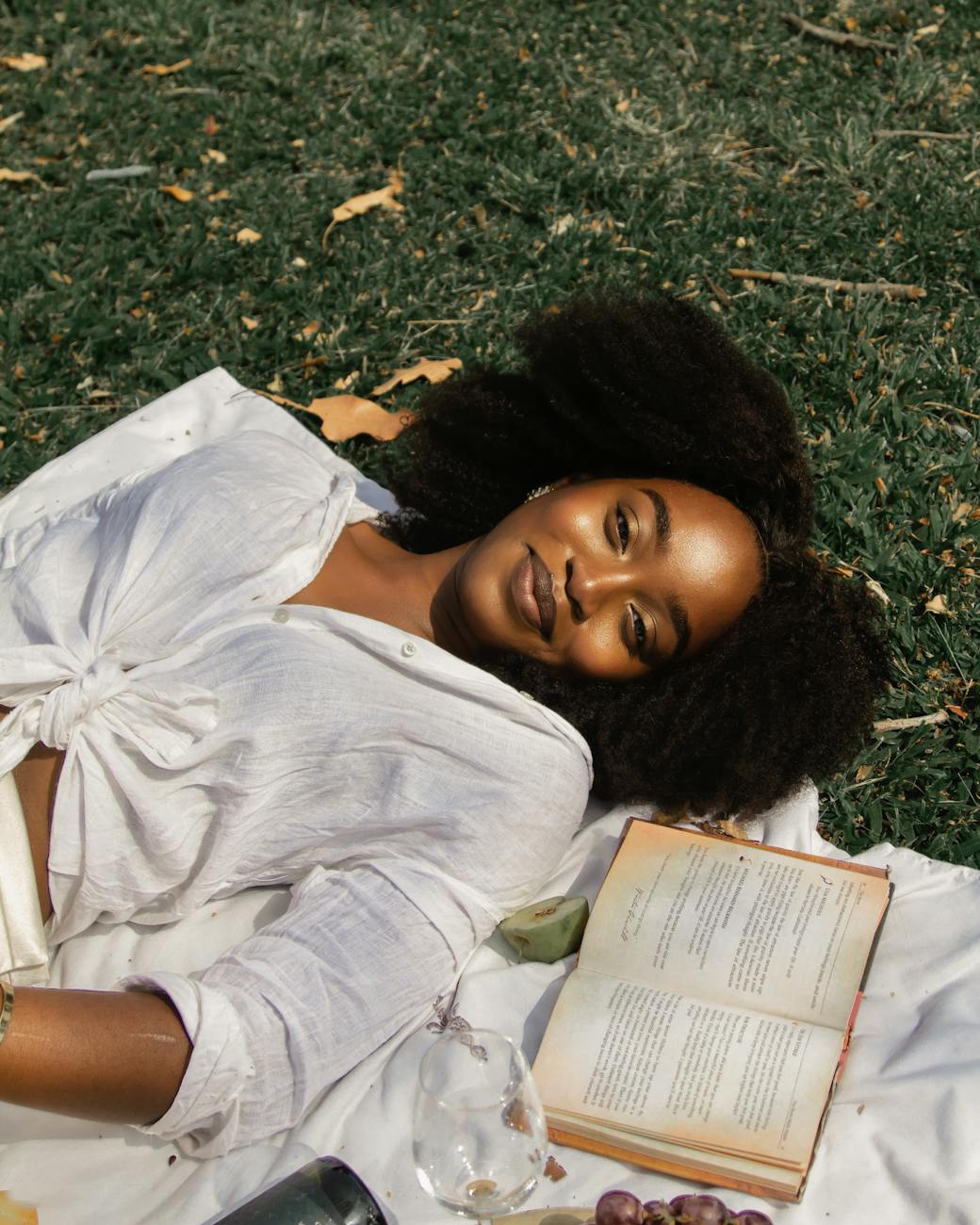
Black Hair: The Mystery and the Power
Jet-black hair is often associated with intensity, elegance, and power. In film and literature, the dark-haired character is frequently the clever one, or the villain.
- Perception: Strong, mysterious, sometimes intimidating.
- The Reality: People with black hair are often seen as more serious and mature, sometimes too much so, depending on the context.
- What it says about society: We tend to associate darkness with depth and control, but also suspicion, depending on cultural context.
Dyed and Bold Colours: The Rebel Statement
Bright pinks, greens, blues, silvers, dyed hair is often seen as a marker of creativity or nonconformity. It’s becoming more mainstream, but biases still linger in certain workplaces.
- Perception: Artistic, rebellious, confident but not always “professional.”
- The Reality: People with bold hair colours are often judged more on their appearance in interviews or formal settings, though attitudes are rapidly shifting in younger, creative industries.
- What it says about society: We still associate visual uniqueness with emotional boldness, whether that’s celebrated or questioned depends on context.

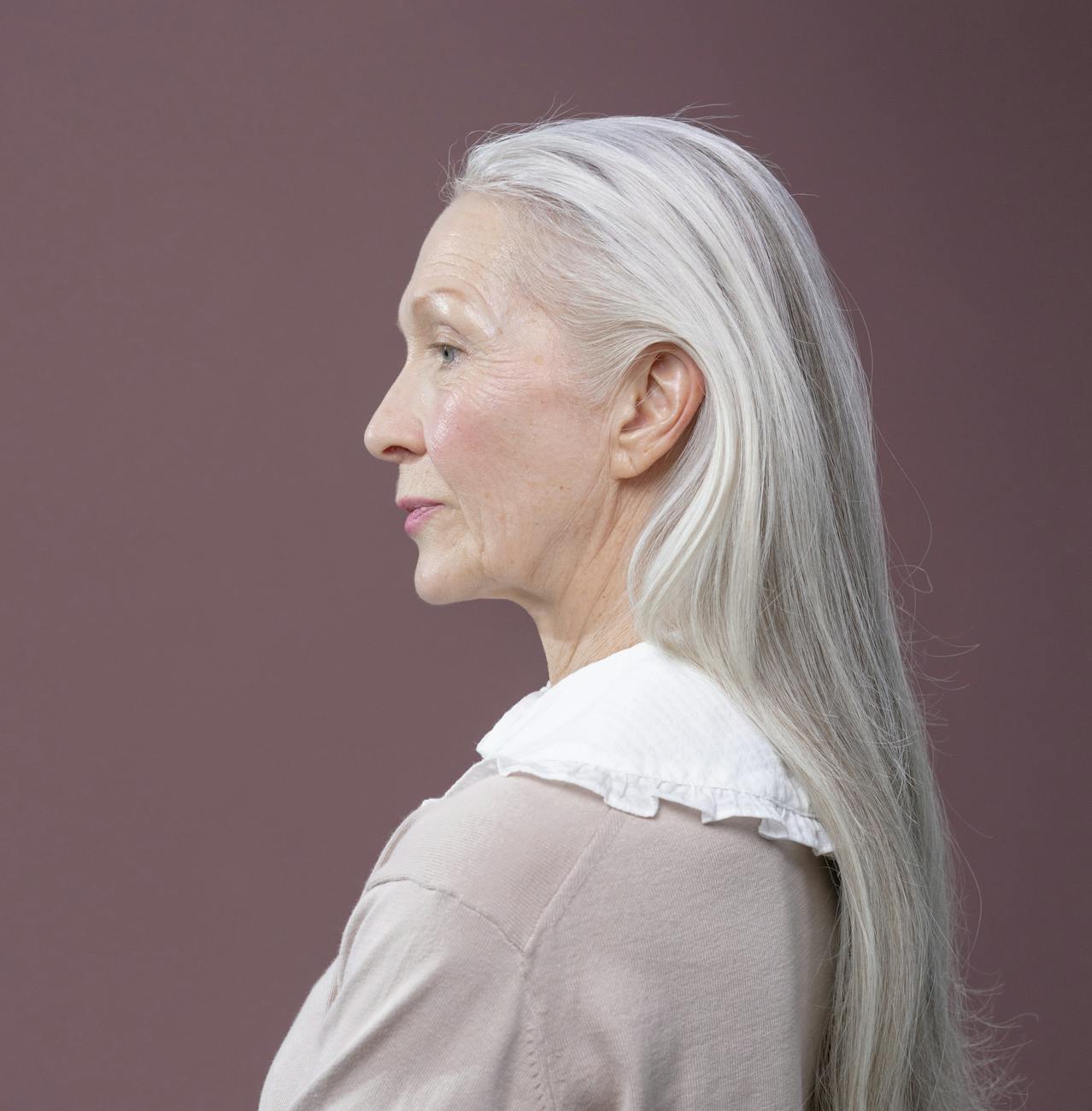
Gray Hair: The Badge of Wisdom — or a Bold Power Move
Once seen strictly as a sign of aging, gray hair has evolved into something far more powerful: a statement of confidence, maturity, and even trendiness. Whether it’s natural or dyed, silver strands carry a weight of meaning that goes well beyond age.
- Perception: Wise, experienced, elegant or in some circles, “past your prime.”
- The Reality: Gray hair can evoke both admiration and bias. In professional settings, it often lends credibility and a sense of authority, but in image-conscious industries, it may still trigger ageist assumptions, particularly for women.
- What it says about society: We’re in a cultural shift. While gray hair was once something to hide, it’s now being embraced as a symbol of authenticity and empowermen, from models like Kristen McMenamy to powerhouse CEOs who go silver with pride.
Does It Actually Matter?
Yes, and no. While stereotypes are powerful, they’re not destiny. Awareness of how hair colour affects first impressions can help us challenge those assumptions and rethink how we judge others.
Changing your hair colour can subtly change how people respond to you — but at the end of the day, personality, presence, and confidence will always matter more.


Leave a comment