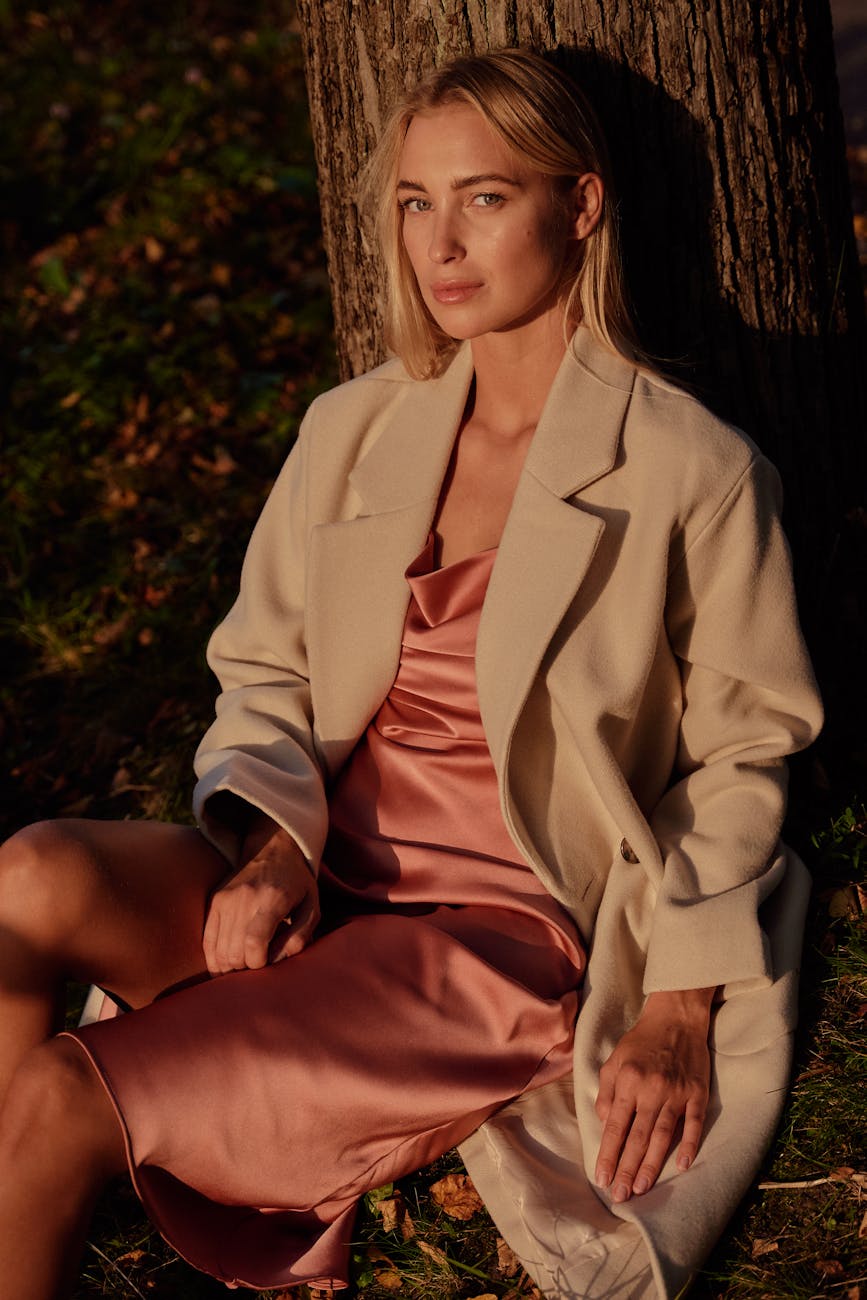
Master the art of layering with confidence, creativity, and effortless style.
Layering isn’t just about keeping warm, it’s about adding depth, texture, and personality to your outfit. It’s what separates an average look from one that turns heads. For fashion stylists, layering is second nature, it’s how they build compelling outfits that look thoughtfully styled but never overdone. And the good news? You don’t need to sit front row at Fashion Week to pull it off.
Whether you’re aiming to look effortlessly chic or trying to make your wardrobe work harder across seasons, this guide breaks down how to layer clothes like a fashion stylist, from fabric pairings to silhouette strategy.
1. Start With the Basics: Foundation Matters
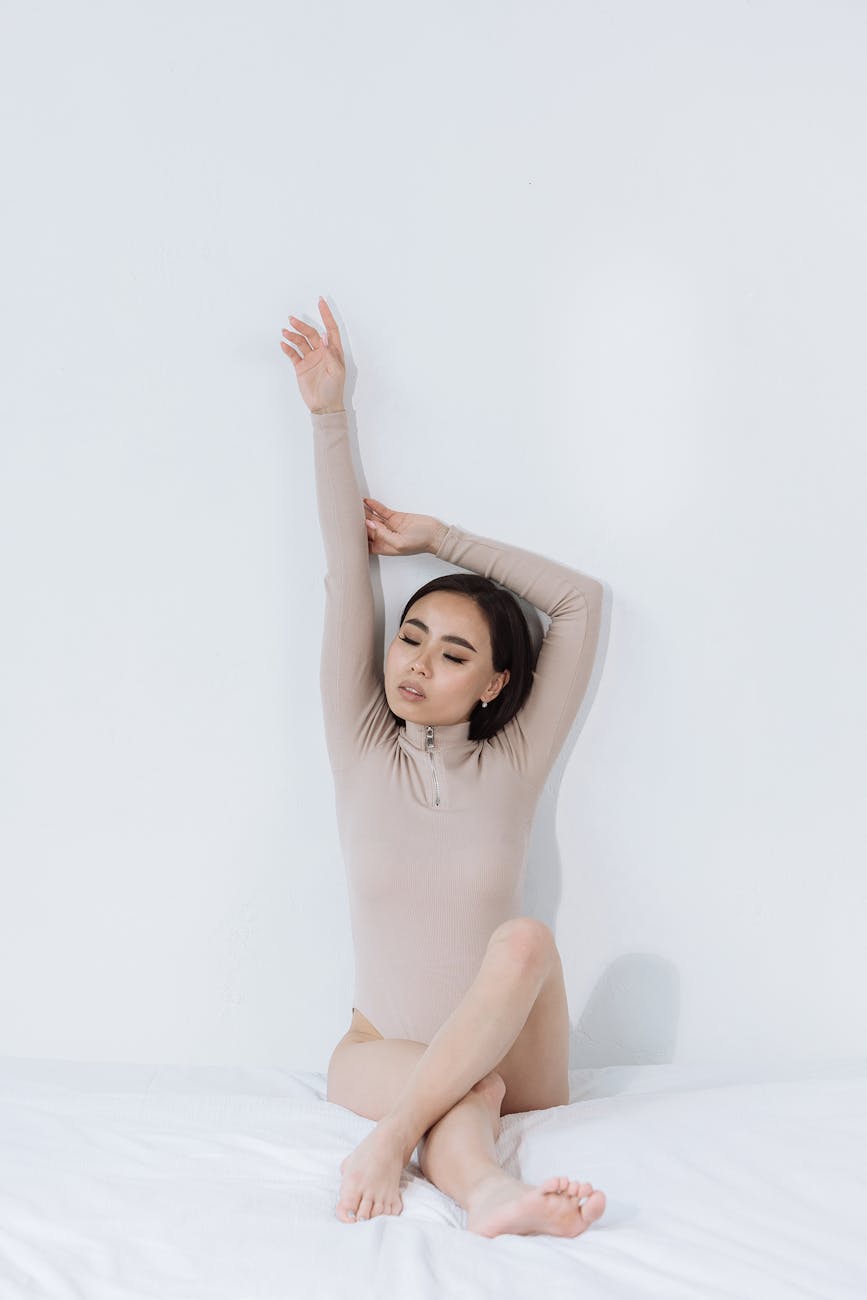
The first step to great layering is mastering your base layer. Think of this as the canvas for your look. Choose something slim-fitting and comfortable—like a cotton turtleneck, a long-sleeve tee, or a fitted button-down.
Stick to neutral colors like black, white, grey, or beige if you want versatility, or opt for a pop of color or print if you’re building a statement outfit.
Editor tip: Always go for breathable fabrics like cotton or modal for your base—these help regulate body temperature and avoid bulk.
2. Mix Textures, Not Just Colors
One of the biggest fashion stylist tricks is to play with contrasting textures. Layering isn’t just about putting one piece over another, it’s about making sure they visually complement and enhance each other.
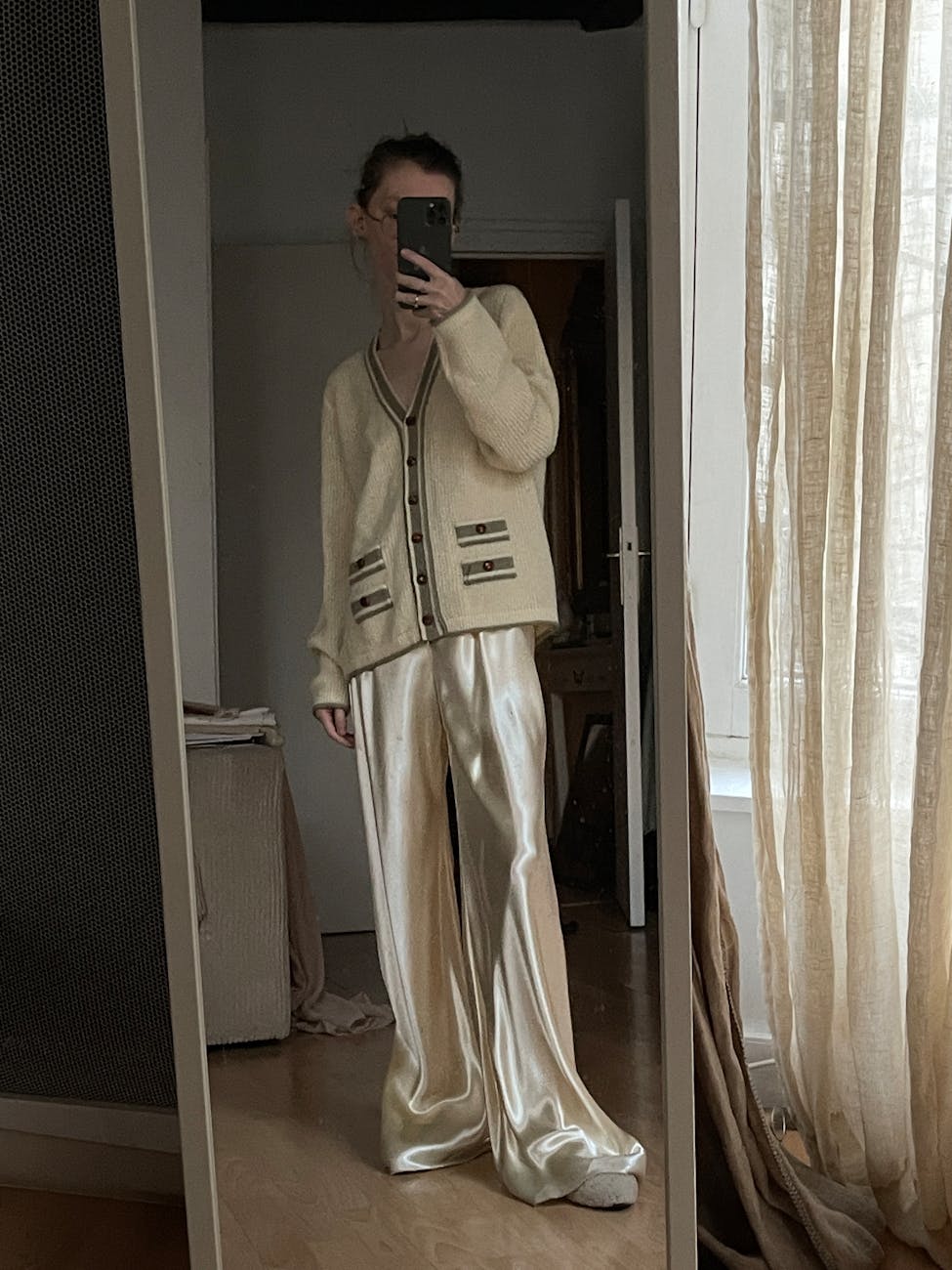
Pair a chunky knit sweater with silky trousers, or a crisp shirt under a soft cardigan. The goal is to create interest by combining matte and glossy, soft and structured, light and heavy.
Winning combinations:
- Leather + denim + wool
- Silk + cotton + cashmere
- Linen + knits + suede
3. Master Proportions: Balance is Key
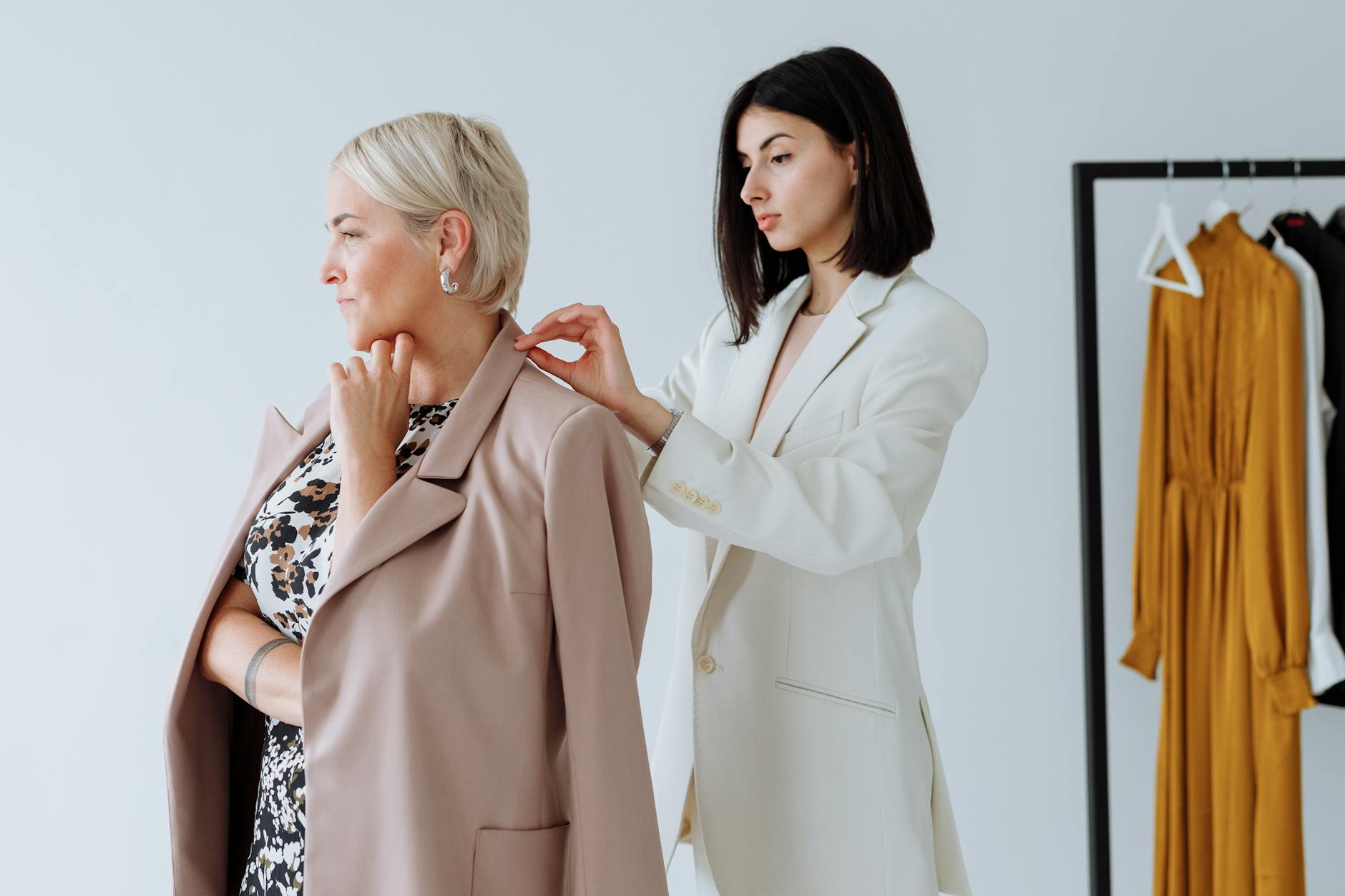
One reason fashion stylists always look put together? They understand proportion. The rule of thumb is to balance volume with structure. If you’re wearing a voluminous coat or oversized blazer, keep your lower half sleek (think leggings, skinny jeans, or a pencil skirt). Conversely, if you go for wide-leg trousers or a maxi skirt, layer with a tailored or cropped top.
Avoid layering multiple oversized pieces unless you’re deliberately going for a dramatic, editorial look.
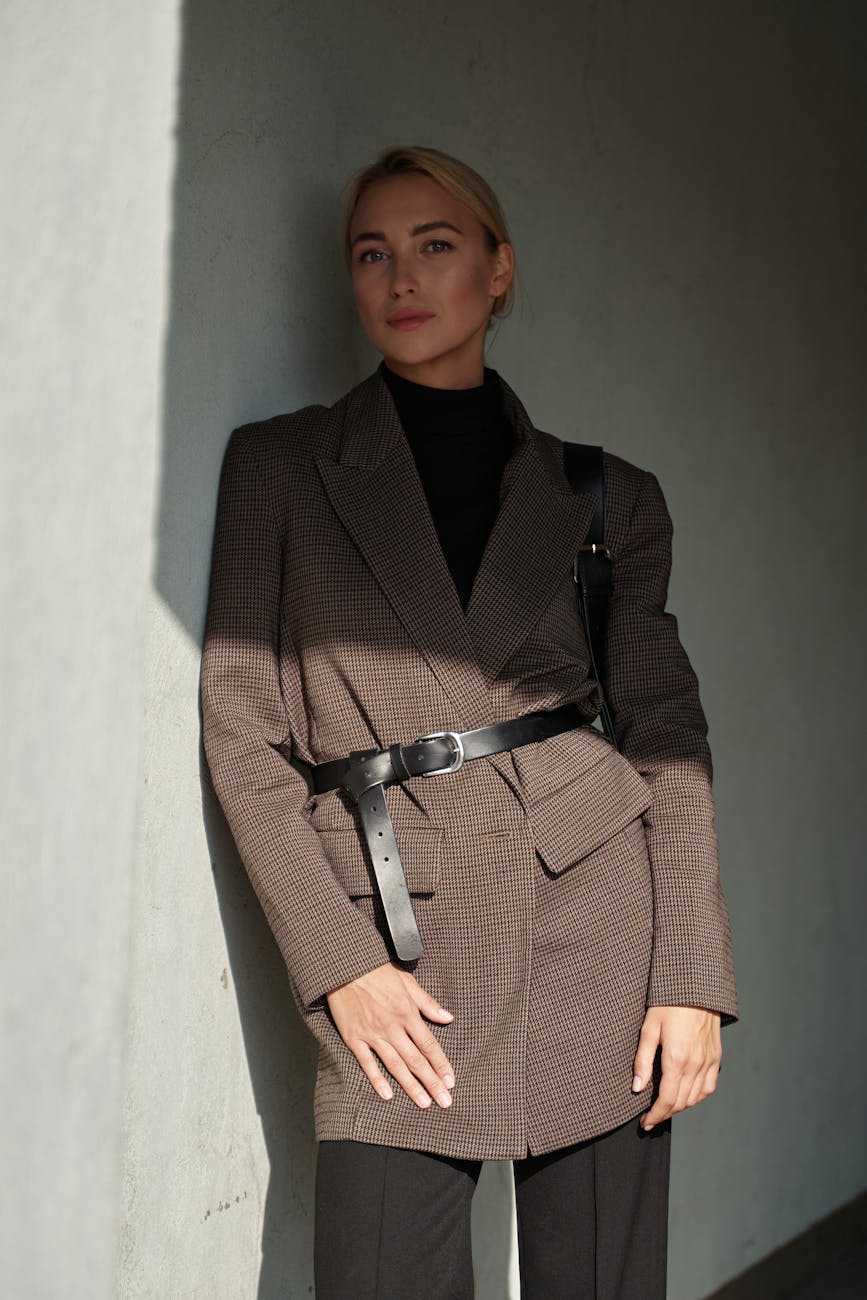
Pro tip: Add a belt to define your waist if you’re layering multiple loose-fitting items—it adds shape and polish instantly.
4. Layer Strategically From Thin to Thick
Fashion stylists always think practically, start with thin, breathable layers, and move outward to heavier, structured pieces. Not only does this keep you warm without overheating, but it also helps each layer sit cleanly on the one beneath it.
A typical fashion-stylist-approved layering sequence:
- Tank or fitted tee
- Shirt or blouse
- Sweater or vest
- Blazer or jacket
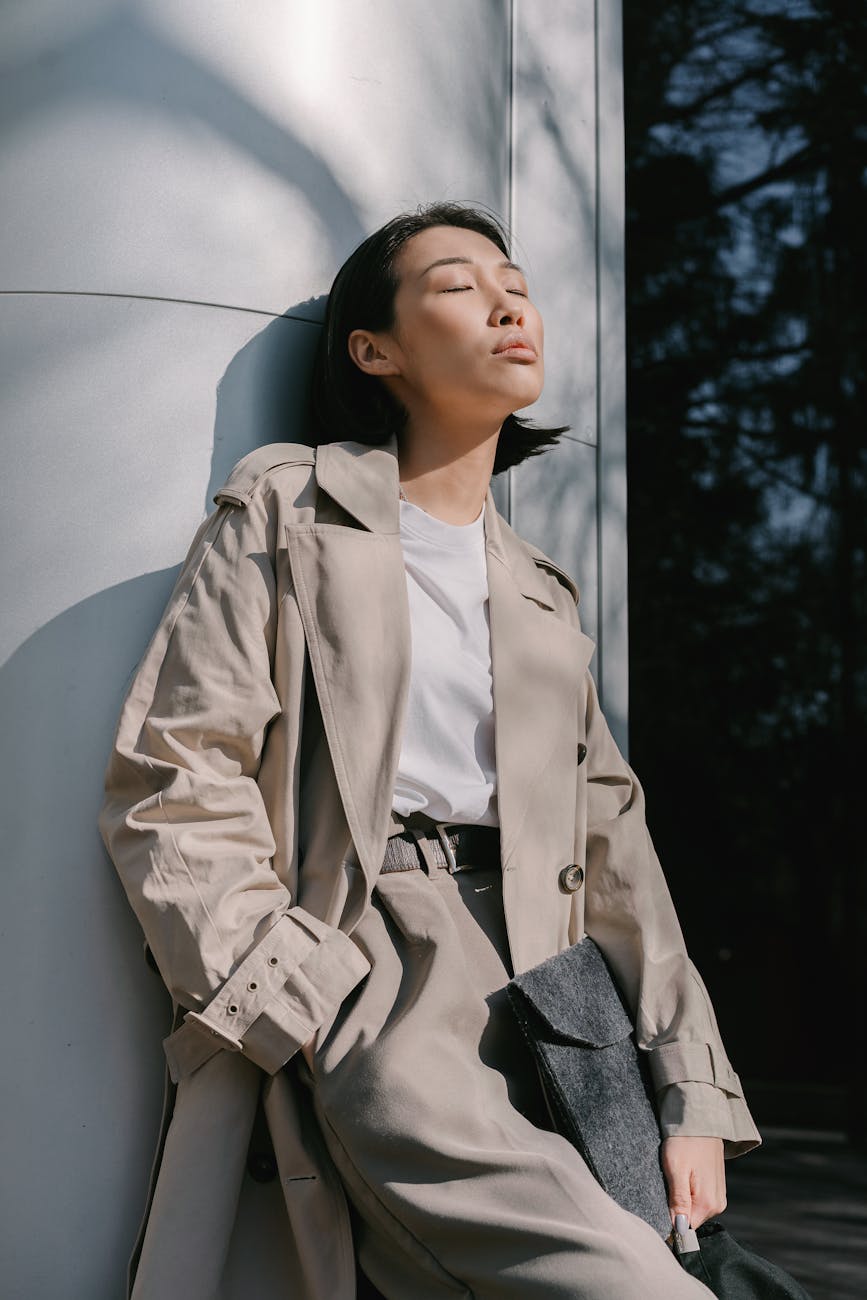
- Coat or trench
Each layer should be visible at some point—peek-a-boo collars, cuffs, or hems add dimension.
5. Play With Color and Print
While monochrome layering is ultra-sleek, don’t be afraid to introduce bold hues or patterns. Fashion stylists love to mix unexpected elements: a plaid blazer over a striped knit, or a bright-colored coat layered over neutrals.
The secret to making it work? Stick to a cohesive color palette. If you’re mixing prints, keep at least one color consistent across the pieces.
Rule of three: Stick to a maximum of three key colors or prints in one outfit to avoid looking too busy.
6. Let Accessories Do Some of the Layering
Accessories are the unsung heroes of layering. Scarves, belts, chunky necklaces, socks, and hats add dimension without bulk, and can tie a layered look together.
Wrap a scarf over a blazer, layer necklaces over turtlenecks, or wear sheer socks with loafers and cropped pants to add just a touch of visual interest.
Editor favorite: The belt-over-coat move. Cinch a wool coat or a long cardigan with a structured belt to define shape and add a dash of Parisian polish.
7. Don’t Forget Functionality
A fashion stylist might love style, but they also dress with purpose. Good layering allows you to add or remove pieces depending on your environment—think cold mornings, warm afternoons, and chilly evenings.
That’s why versatility matters. Choose outer layers that can easily be draped over your shoulders or carried if needed. Opt for sleeveless vests, zip-up knits, or button-downs that give you control.
Bonus tip: Inner layers with thumb holes, zippers, or breathable panels add style and comfort.
8. Confidence Is the Final Layer
You could be wearing the most perfectly layered outfit ever styled—but if you’re uncomfortable, it’ll show. The final piece of any fashion stylist’s look is confidence. The ease with which they move, how they own their style choices, and the freedom to experiment without apology is what really makes their layers work.
Try things out. Take photos. Play with combinations you haven’t worn before. Over time, layering becomes intuitive—and even fun.
Learning how to layer clothes like a fashion editor isn’t about following rigid rules—it’s about understanding how fabric, form, and function work together to express your style. The more you experiment, the more natural it becomes.
So go ahead: pull out that silk blouse, add your oversized cardigan, throw on a structured coat, and step into the world like you’re walking into the pages of a fashion magazine. Because you just might be.


Leave a comment