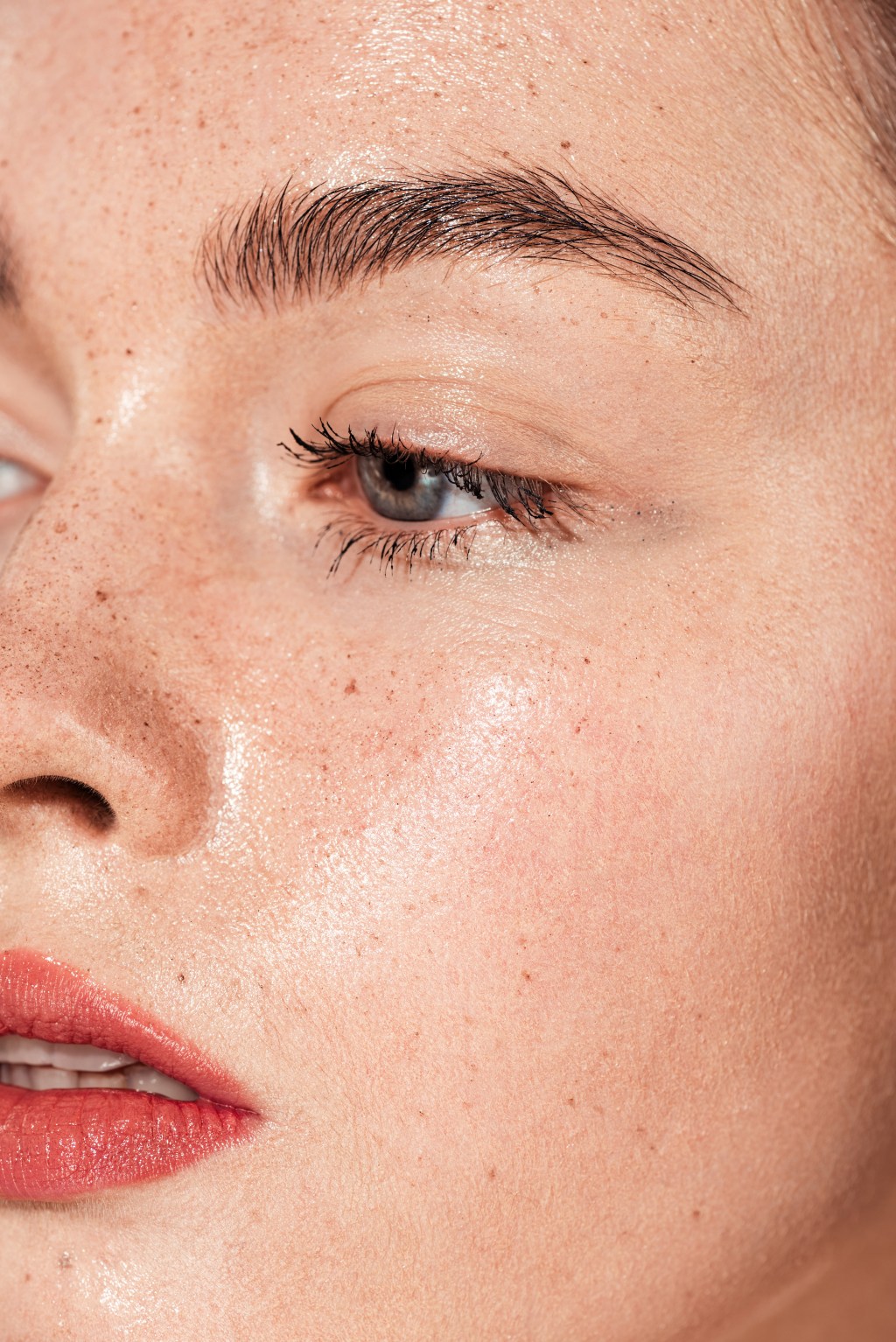
When it comes to skincare powerhouses, retinol is in a league of its own. Lauded by dermatologists and beauty experts worldwide, this vitamin A derivative has earned its reputation for transforming skin through reducing wrinkles, clearing acne, and improving texture. But with all the hype comes confusion: what is retinol exactly, how should you use it, and what pitfalls should you avoid? This comprehensive guide breaks down everything you need to know about retinol, from its benefits to side effects and best practices.
What Is Retinol?
Retinol is a form of vitamin A, part of a broader category known as retinoids. Retinoids include over-the-counter options like retinol and stronger prescription options like tretinoin (Retin-A) and adapalene. Retinol itself is considered a medium-strength retinoid, potent enough to deliver visible results but gentler than prescription retinoids, making it suitable for most skin types when introduced properly.
Benefits of Retinol
- Reduces Fine Lines and Wrinkles: Stimulates collagen production to reduce wrinkles and fine lines.
- Improves Skin Texture and Tone: Promotes even skin tone and smooth texture.
- Fights Acne: Prevents clogged pores and reduces breakouts.
- Boosts Radiance: Speeds up cell turnover for a brighter complexion.
Different Types of Retinoids
| Type | Description |
|---|---|
| Retinol | Best for anti-aging and acne, gentle and effective. |
| Retinaldehyde (Retinal) | Faster results, minimal irritation. |
| Retinoic Acid (Tretinoin) | Prescription-only, most potent, faster visible results. |
| Bakuchiol | Plant-based alternative, suitable for sensitive skin. |
How to Use Retinol Correctly
- Start with a low concentration, like 0.25% or 0.5%.
- Use at night only, after cleansing and before moisturizing.
- Always wear SPF during the day.
- Moisturize generously to reduce irritation.
- Avoid combining with strong acids or vitamin C in the same routine.
Common Side Effects
- Dryness, peeling, redness (especially in the first month).
- Temporary breakouts (purging) for acne-prone skin.
- Sun sensitivity SPF is non-negotiable.
Who Should Avoid Retinol?
- Pregnant or breastfeeding women (always consult your doctor).
- Those with severe sensitive skin or active eczema.
- Individuals with untreated rosacea may experience flares.
When Will You See Results?
- Texture & Glow: 2–4 weeks
- Acne Reduction: 4–6 weeks
- Anti-Aging Effects: 8–12 weeks
Best Retinol Products to Shop
For Beginners:
- The Ordinary Retinol 0.2% in Squalane – budget-friendly, gentle starter option.
- La Roche-Posay Retinol B3 Serum – combines retinol with niacinamide for sensitive skin.
For Intermediate Users:
- Paula’s Choice 1% Retinol Treatment – high-strength, balanced with soothing peptides.
- Sunday Riley A+ High-Dose Retinoid Serum – luxe formula with a blend of retinoid actives.
For Prescription-Level Results:
- Tretinoin (Consult your dermatologist) – requires prescription in Australia, ideal for stubborn wrinkles and acne.
For Sensitive Skin Alternative:
- Biossance Squalane + Phyto-Retinol Serum – bakuchiol-based alternative with a hydrating finish.
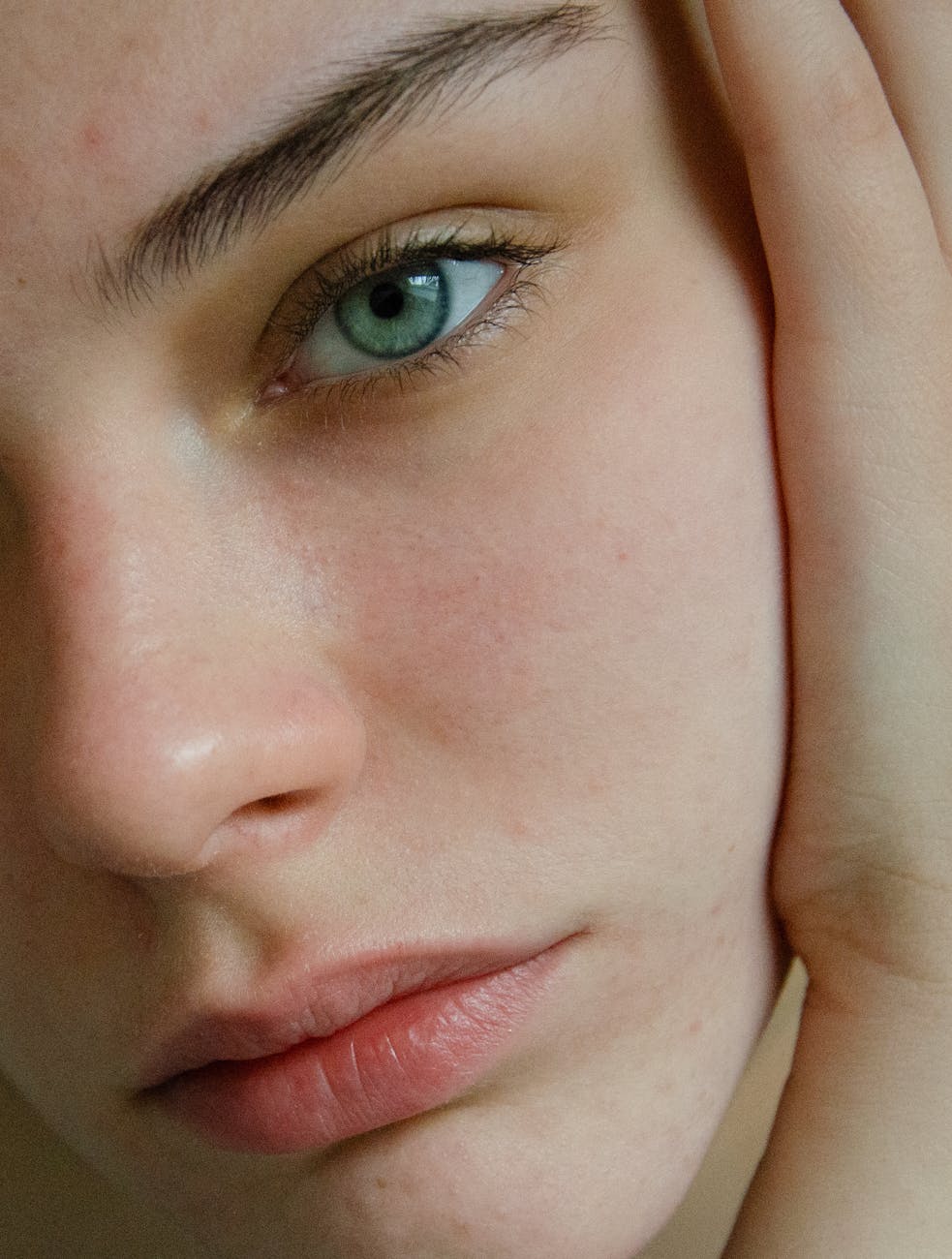
With consistent use, retinol can become the most transformative step in your skincare routine, revealing clearer, smoother, and younger-looking skin. Start slow, stay consistent, and always pair with good hydration and sunscreen. The glow-up is worth the patience!


Leave a comment