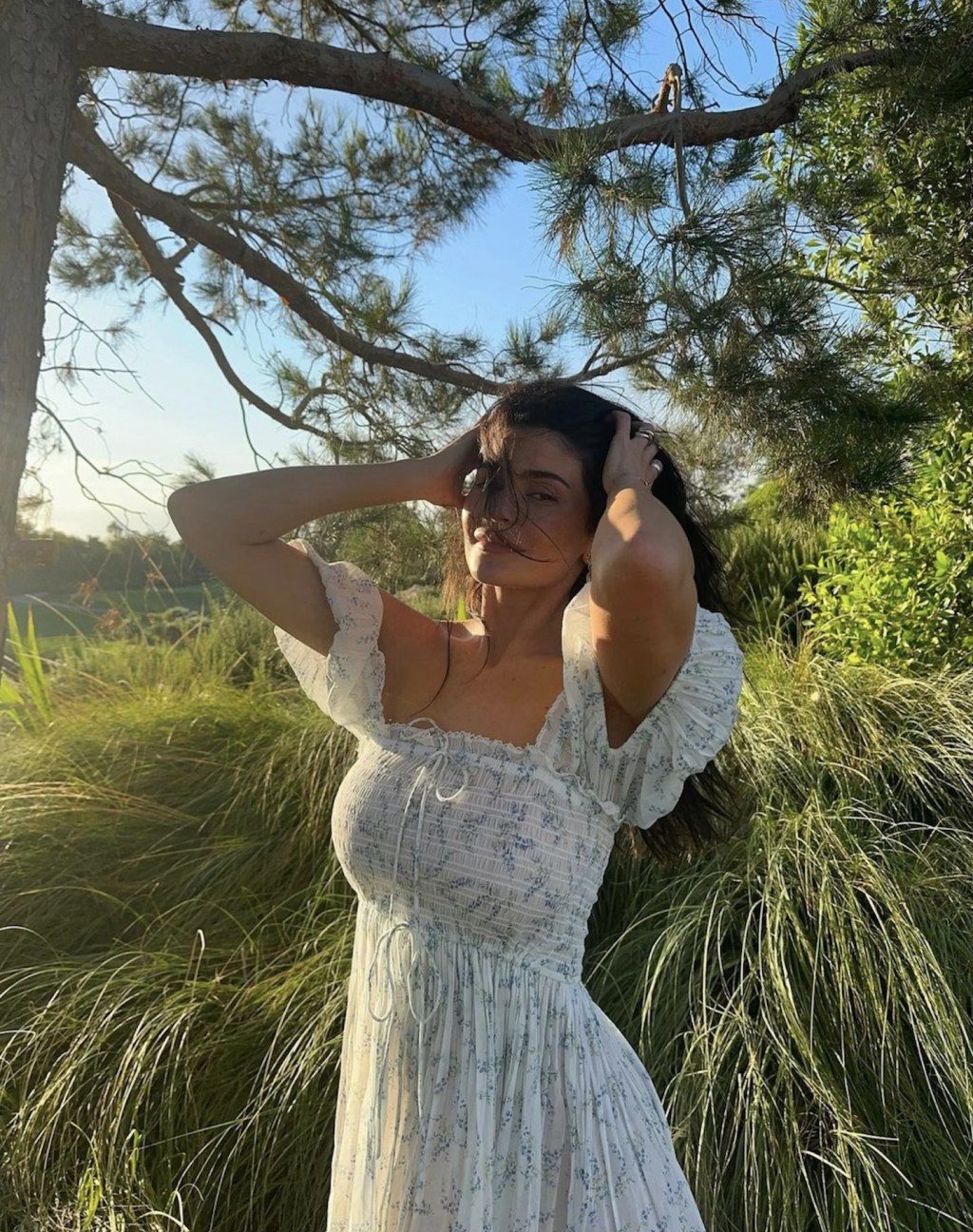
Ah, the milkmaid dress, that floaty, square-neck, puff-sleeved number that looks like you could either milk a cow or sip an oat flat white in a curated Instagram café. Once celebrated as the height of cottagecore romance, by 2025 it has somehow become… political? The dress that once screamed “I churn my own butter” now apparently whispers “I’m here for traditional values (and maybe a baking reel).”
A Quick History Lesson (Before We Spill the Milk)
The milkmaid dress didn’t start its life on TikTok. Its origins are literally in the 18th and 19th centuries, worn by women who actually worked on farms. Think practical cotton, modest skirts, and necklines that wouldn’t scandalise a butter churn.
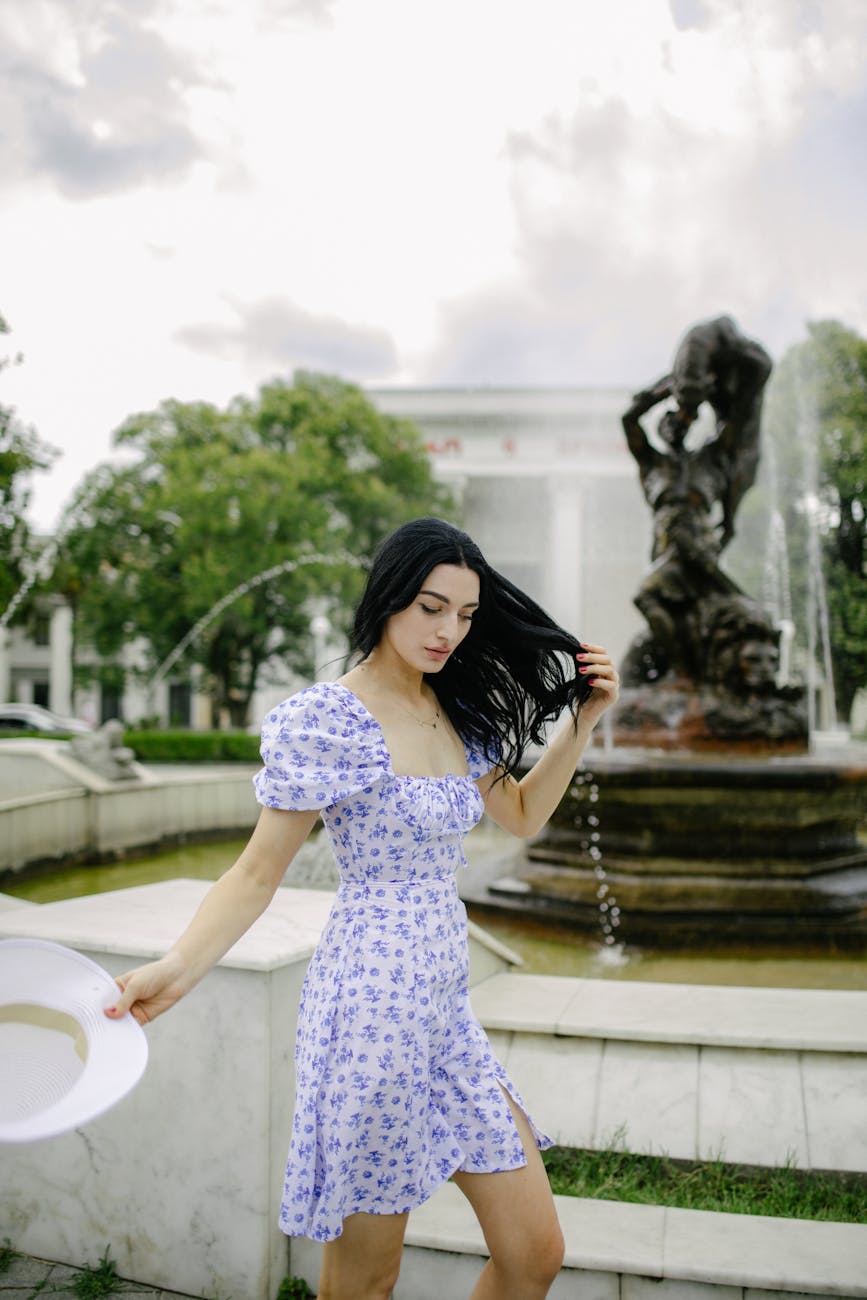
Fast forward a few centuries: designers like Reformation, Doên, and LoveShackFancy romanticised the silhouette, puff sleeves, square necklines, corset bodices, and suddenly it was the outfit for barefoot frolicking through meadows you rented on Airbnb for the afternoon.
By 2019–2021, the milkmaid dress had gone full cottagecore, signalling an embrace of slow living, vintage styling, and your readiness to grow zucchini in a raised garden bed.
How It Went From Cottagecore to “Conservative Core”
Here’s where it gets weird. In the post-pandemic fashion cycle, the milkmaid dress started appearing in unexpected contexts:
- On influencers aligned with tradwife aesthetics (“traditional wife” culture online).
- In conservative fashion guides that tout “modesty with femininity.”
- In reels where someone bakes sourdough, quotes 1950s homemaker manuals, and gazes lovingly at her husband like he just returned from war.
Somewhere between TikTok and a prairie, the milkmaid dress was adopted as a visual shorthand for wholesome, hyper-feminine values, the kind linked to traditional gender roles. Add in the corset-style bodice and it became a favourite in conversations about the male gaze, where feminine fashion is framed less as personal expression and more as performance.
Why 2025 Finds It…Complicated
In 2025, fashion loves irony, and cultural symbols don’t stay still for long. Wearing a milkmaid dress now can mean wildly different things depending on context:
- An ode to vintage romance: You love a puff sleeve and a picnic basket, end of story.
- A subtle tradwife nod: You’re signalling a return to “simpler times” (with complex subtext).
- A feminist reclaim: You’re wearing it because you can, pairing it with combat boots and not a single jar of homemade jam in sight.
This ambiguity is what makes it both fascinating and controversial. It’s a dress that can look like empowerment or endorsement, depending on the lens , Instagram filter optional.
How to Wear the Milkmaid Dress Without Accidentally Starting a Political Debate
- Accessorise with chaos: Pair it with chunky sneakers, a moto jacket, or a bright neon bag to subvert the wholesome vibe.
- Go maximalist: Layer on statement jewellery so big it could never survive a day in a dairy shed.
- Lean all the way in: Apron, braids, basket of freshly baked bread — embrace the trad fantasy so hard it becomes camp.
The milkmaid dress has had quite the journey: from practical farmwear to romantic cottagecore staple, to an internet battleground over tradition, femininity, and the male gaze. In 2025, it’s proof that clothes don’t just cover us, they carry meaning, history, and occasionally, political baggage, all while looking suspiciously like you might own a goat.


Leave a comment