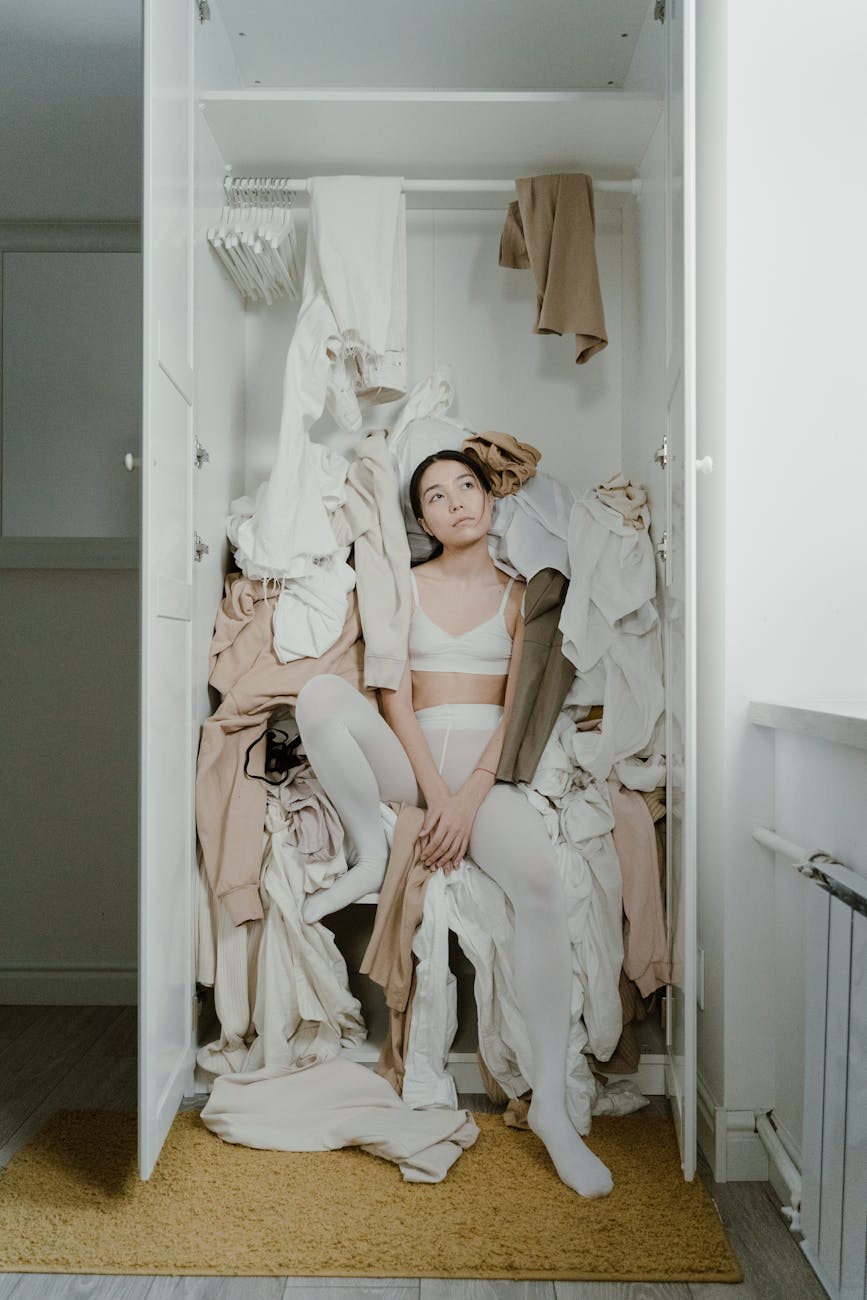
There comes a moment in almost every wardrobe when getting dressed starts to feel strangely exhausting. You open your closet, stare at perfectly good clothes, and still think, I have nothing to wear. It is not really about clothes at all. It is about mood, confidence, routine, and how you want to show up in the world. This is not a crisis. It is a reset. And it is one you can approach calmly, thoughtfully, and without buying an entirely new wardrobe.
This guide is a long form, practical style reset for real life. It is designed for anyone who feels stuck, bored, overwhelmed, or slightly disconnected from their clothes. It is for busy women who want to feel pulled together without overthinking, stylish without trying too hard, and confident without performing.
If you have ever stood in front of a full closet and felt completely uninspired, this is for you.
Why your wardrobe stops working
Before you change what you wear, it helps to understand why nothing feels right. Most wardrobes do not fail because of bad clothes. They fail because life changes faster than our style does. A new job, a new body, motherhood, burnout, grief, a shift in priorities, or simply growing older can quietly make your old outfits feel wrong.
You might not even notice it happening at first. One day you are reaching for the same pieces automatically, the next they start to feel awkward, uncomfortable, or disconnected from who you are.
You might have:
- moved from office to remote work
- shifted from nights out to slower weekends
- gained or lost weight
- entered a different life stage
- become more minimalist, or more expressive
- stopped caring about trends, or started caring more
When your life evolves, your clothes need to evolve too. But instead of throwing everything out, the goal is to recalibrate.
Step one, stop trying to dress your past self
One of the biggest traps in style is dressing who you used to be. We often hold onto clothes for emotional reasons, not practical ones. They represent a version of us that felt confident, successful, youthful, social, or carefree. Letting go can feel like letting go of that identity.
You might still be holding onto:
- outfits from a job you no longer have
- pieces that suited a lifestyle you no longer live
- clothes that looked amazing five years ago but now feel uncomfortable
- trends that no longer reflect your personality
Your style reset begins with accepting that you have changed, and that change is not a failure. It is growth.
Ask yourself gently:
Who am I now?
What does my life actually look like?
What do I want my clothes to say about me today?
Write this down if you need to. It becomes your compass, especially on days when everything feels unclear.
Step two, define your current version of style
Instead of thinking about fashion trends or aesthetics, think about how you want to feel when you get dressed.
Style that works in real life is emotional before it is visual. When you feel aligned in your clothes, everything else feels easier.
Do you want to feel:
- calm and polished
- creative and expressive
- relaxed and effortless
- powerful and professional
- soft and feminine
- modern and minimalist
Pick three words. These are not rules, they are reference points. They help you pause before buying or wearing something that does not quite fit.
For example: Calm, refined, comfortable or Effortless, modern, warm.
These three words will shape every decision you make from here on, from silhouettes to colours to fabrics.
Step three, clear the mental clutter
Before you even touch your wardrobe, clear the noise. Social media has a way of convincing us that everyone else has figured it out. That there is a correct uniform for every lifestyle. That if we just buy the right pieces, everything will click.
Unfollow accounts that make you feel inadequate. Stop doom scrolling fashion influencers who dress for a lifestyle that is not yours. Create distance from constant trend messaging. Style is not about imitation. It is about alignment. And alignment requires quiet.
Step four, understand your real daily life
A great wardrobe is built around reality, not fantasy. It is easy to dress for the life you wish you had, the dinner parties, the holidays, the events. But if most of your time is spent working, running errands, caring for others, or living casually, your clothes need to support that.
Look at your actual week. How many days do you:
- work from home
- go to the office
- attend meetings
- look after kids
- go to the gym
- socialise
- run errands
- travel
- attend events
If 80 percent of your life is casual, your wardrobe should reflect that. If you only dress up twice a year, you do not need 15 formal dresses. Style resets fail whe n wardrobes are built around exceptions rather than everyday life.
Step five, audit your closet without drama
Now comes the wardrobe part, but keep it simple and emotionally neutral. This is not about judging past purchases or feeling guilty. It is about clarity.
Take everything out of your closet and ask three questions:
- Do I feel good when I wear this?
- Does it fit my life now?
- Does it align with my three style words?
If the answer is no, put it in a maybe pile. Not a throw away pile. Just a pause pile. You do not need to be ruthless. You just need to be honest.
Step six, keep the pieces that feel like you
Some clothes are an instant yes. These are the items you reach for without thinking, the ones that make you feel comfortable and capable the moment you put them on.
They are the clothes that:
- feel physically comfortable
- make you stand taller
- work across multiple situations
- suit your personality
- are easy to style without effort
These become the foundation of your reset.
Often they include:
- a favourite pair of jeans
- a great blazer
- a soft knit
- a simple dress
- a perfect white shirt
These are your anchor pieces. Everything else should support them.
Step seven, identify what is missing
Most wardrobes do not need more clothes. They need the right clothes. Look at your anchor pieces and notice where you feel stuck. Are you missing comfortable shoes? Do you lack layers? Is there nothing polished enough for certain days?
Ask yourself: What would make getting dressed easier?
You might need:
- better basics
- more comfortable shoes
- one good tailored piece
- a simple coat
- versatile layering items
Think practical, not trendy. Trends fade, ease does not.
Step eight, build simple outfit formulas
This is where your style reset becomes truly powerful. Instead of trying to invent new outfits every morning, build three to five formulas you can repeat and adapt.
For example:
Jeans, knit, blazer, sneakers.
Wide leg trousers, fitted top, loafers.
Midi dress, ankle boots, structured bag.
Tailored pants, white shirt, simple jewellery.
Once you have formulas, getting dressed becomes automatic. You can vary colours and textures without starting from scratch.
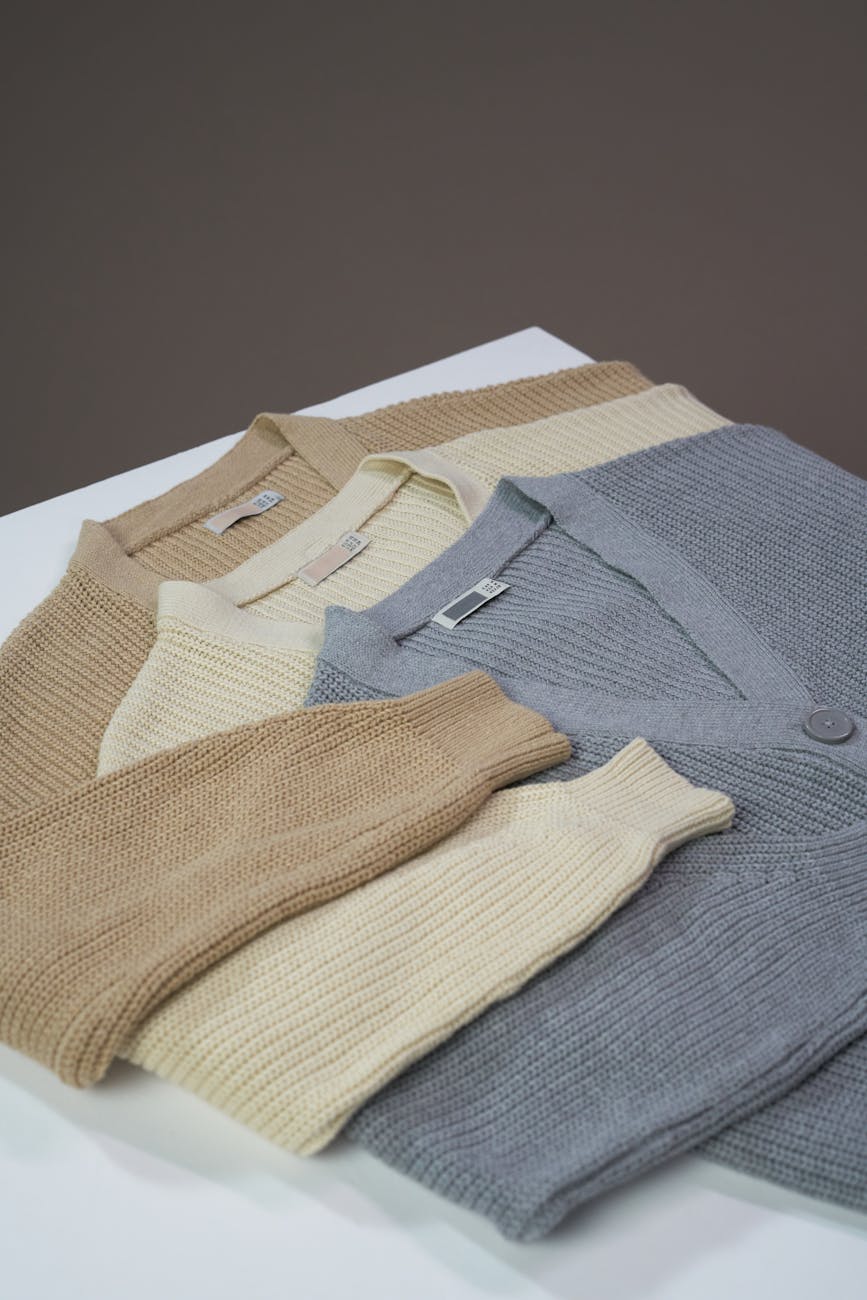
Step nine, embrace neutral foundations
If nothing feels right, neutrals are your safest reset button. Neutrals create visual calm and flexibility. They allow you to mix pieces easily and reduce decision fatigue.
Think:
- black
- navy
- beige
- grey
- cream
- soft brown
Once your base feels solid, you can slowly reintroduce colour in ways that feel intentional rather than overwhelming.
Step ten, pay attention to fit over fashion
Fit is everything. A simple outfit that fits well will always look better than a trendy one that does not. Fit affects how you move, how you sit, and how confident you feel.
Look closely at:
- sleeve length
- waist placement
- shoulder seams
- trouser hem length
- how clothes sit when you move
A small alteration can completely change how you feel in an outfit.
Step eleven, simplify your accessories
When you feel stuck, too many accessories can make things worse. Accessories should enhance your outfit, not distract from it or add pressure to perform.
Stick to:
- one good everyday bag
- one or two pairs of shoes you love
- simple jewellery you can wear daily
- a watch or minimalist earrings
Less choice creates more ease.

Step twelve, dress for comfort without sacrificing style
Comfort does not mean sloppy. It means ease. If something constantly needs adjusting, pulling, or thinking about, it will never feel right.
Look for:
- breathable fabrics
- soft waistbands that still look polished
- knits that drape rather than cling
- shoes you can walk in
- pieces that move with your body
Comfort builds confidence, and confidence is always stylish.
Step thirteen, trust your instincts
If something feels slightly off, it probably is. If something feels instantly right, trust that feeling. Your body responds before your brain does. Learning to listen to that response is key to long term style confidence.
Step fourteen, give yourself time
A style reset is not a weekend project. Your taste, comfort level, and confidence need time to recalibrate. Allow yourself to experiment without pressure. Try new combinations slowly. Notice what you reach for again and again. Let your wardrobe evolve naturally.
Step fifteen, create a capsule that works for your life
A capsule wardrobe is not about owning fewer clothes. It is about owning the right clothes. Your capsule might include:
- two great bottoms
- three versatile tops
- one jacket or blazer
- one dress
- one coat
- two pairs of shoes
Everything should mix and match easily, supporting your real day to day life.
Step sixteen, add personality gradually
Once your base feels solid, you can reintroduce personality with intention. This might look like:
- a statement shoe
- a patterned scarf
- a bold lip
- a textured knit
- a unique bag
One personal element is often more powerful than many.
Step seventeen, style for your current body
Your body is not a project. It is your home. Waiting to dress well until your body changes only delays confidence. Dress the body you have now, not the one you used to have or hope to have. Clothes that fit well will always look better than clothes that do not.
Step eighteen, stop chasing perfection
Perfect outfits do not exist. Good outfits do. Comfortable outfits do. Confident outfits do. Aim for feeling good and capable, not flawless.
Step nineteen, test and refine
Wear your reset outfits for a few weeks. Pay attention to how you feel throughout the day, not just in the mirror.
Ask yourself:
Do I feel like myself?
Do I feel comfortable?
Do I feel confident?
Adjust slowly and thoughtfully.
Step twenty, know when to shop, and when not to
Do not shop just because you feel stuck. That usually leads to more confusion. Shop only when you clearly see a gap in your wardrobe.
When you do shop, ask:
Will this work with at least three things I already own?
Does it fit my lifestyle?
Does it match my three style words?
If yes, then consider it.
The emotional side of style
Clothes are not just fabric. They hold memories, identities, and expectations. Letting go of certain pieces can feel emotional, and that is normal. A style reset is not just about dressing better. It is about feeling more like yourself again.
What to wear when nothing feels right, quick reset checklist
If you are standing in front of your wardrobe feeling stuck, do this:
- Take three deep breaths.
- Choose one simple formula.
- Pick your most comfortable bottoms.
- Add a clean top.
- Layer one structured piece.
- Choose practical shoes.
- Walk out the door.
You do not need to be perfect. You just need to start.
The new version of your style
At the end of this reset, your wardrobe should not feel flashy. It should feel clear. You should be able to open your closet and think, I know who I am, and my clothes reflect that. That is the real goal.
The Wrap
A style reset is not about reinventing yourself. It is about reconnecting with yourself. When nothing feels right, it is not a failure. It is a signal that you have grown and changed. Your wardrobe simply needs to catch up.
By moving slowly, choosing thoughtfully, and staying aligned with how you actually live, you can build a wardrobe that feels easy, beautiful, and genuinely yours. And when that happens, getting dressed stops being stressful and starts being something you quietly look forward to again.


Leave a comment