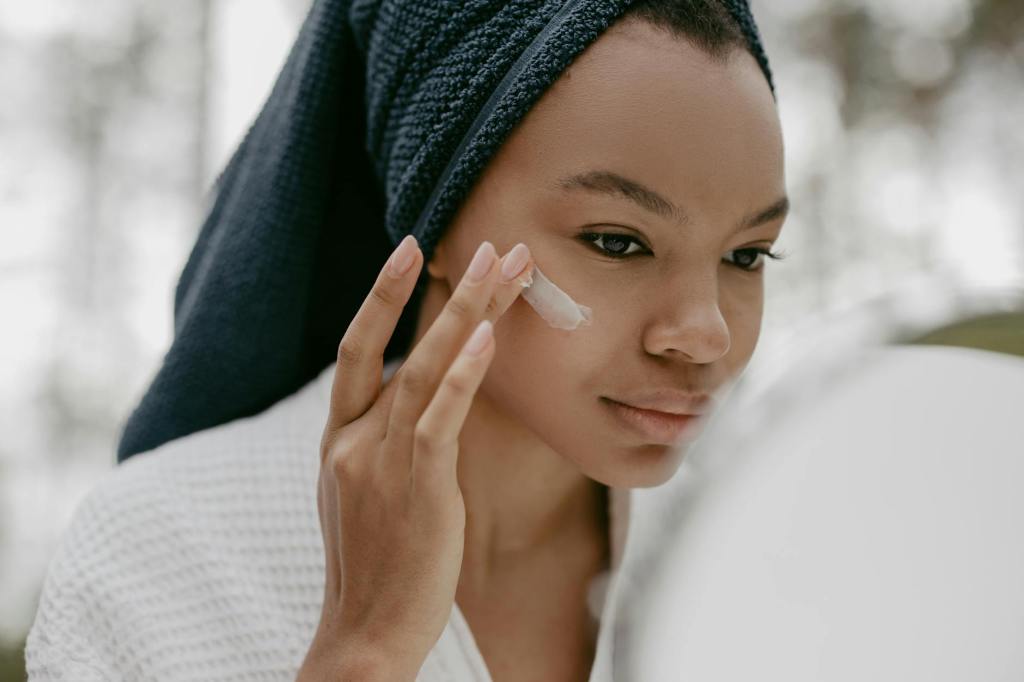
If peptides seem to be everywhere in skincare right now, there is a good reason for it. These hard-working ingredients have become a favourite in modern routines because they support the skin in a gentle but effective way, helping improve firmness, texture, and overall resilience without the harshness that can come with some other active ingredients.
So, what exactly are peptides? In simple terms, peptides are short chains of amino acids, the building blocks of proteins like collagen, elastin, and keratin.
From supporting collagen production to softening the appearance of fine lines, peptides are now seen as one of the smartest ingredients for anyone wanting healthier, more resilient skin. Here is what you need to know about what peptides are, the different types used in skincare, and how to incorporate them into your routine.
We chat to Elisa Osmo, Founder of Glow Medispa, Advanced Dermal Therapist and get the lowdown on peptides.
What are peptides? What are their benefits?
Peptides are short chains of amino acids, the building blocks of proteins such as collagen, elastin, and keratin, all essential for healthy, resilient skin.
Different peptides have different roles. Some are signaling peptides that encourage collagen and elastin synthesis. Others, like carrier peptides, help deliver elements such as copper to promote healing and tissue regeneration. There are also neurotransmitter-inhibiting peptides that can help relax facial muscles slightly, softening expression lines; this is what people refer to as “botox in a bottle.”
In skincare, these act as messengers, signaling skin cells to repair damage, strengthen the barrier, and stimulate production. This helps improve firmness, elasticity, and overall skin texture, as well as reduce the appearance of fine lines and wrinkles.
What are the different types of peptides?
- Signaling peptides: Encourage collagen and elastin synthesis, supporting firmness and structure.
- Carrier peptides: Deliver essential minerals like copper to help tissue repair and regeneration.
- Neurotransmitter-inhibiting peptides: Relax facial muscles slightly, softening expression lines ”botox in a bottle.”
How to incorporate peptides into a skincare routine
Peptides are versatile and can be incorporated into most routines, including morning and evening. They pair well with hydrating ingredients like hyaluronic acid, ceramides and niacinamide and antioxidants such as vitamin C. Because peptides work at a cellular level, they’re gentle and suitable for almost all skin types, even sensitive skin. For best results, consistency is key. Applying a peptide serum or cream regularly can support the skin’s natural repair mechanisms and help maintain a healthy, youthful appearance over time.
Peptides are not about instant transformation, think of them as supportive messengers for your skin. When combined with a well-rounded routine, they enhance resilience, boost texture, and optimise the effects of other active ingredients.
Why are peptides valuable in modern skincare?
Peptides work at a cellular level without being harsh on the skin. They’re suitable for almost all skin types and can complement active ingredients like antioxidants, ceramides or retinol. They support the skin’s resilience, help maintain its structure, and promote a healthy, youthful appearance over time.
Think of peptides as your skin’s little messengers, they tell your cells to repair, strengthen and maintain, helping your skin look its best.
FAQ Section
What are peptides in skincare?
Peptides are short chains of amino acids that act as the building blocks of important proteins in the skin, including collagen, elastin, and keratin. In skincare, they help support the skin’s repair processes and contribute to a firmer, smoother, and more resilient complexion.
What do peptides do for the skin?
Peptides work as messengers that signal the skin to repair, strengthen, and maintain itself. Depending on the type, they can help support collagen production, improve elasticity, strengthen the skin barrier, and reduce the appearance of fine lines and wrinkles.
What are the benefits of peptides in skincare?
Peptides can help improve skin firmness, support elasticity, enhance texture, strengthen the skin barrier, and soften the look of fine lines. They are also valued because they are generally gentle and suitable for most skin types.
What are the different types of peptides?
There are several types of peptides used in skincare. Signaling peptides help encourage collagen and elastin production. Carrier peptides help deliver minerals like copper to support repair and regeneration. Neurotransmitter-inhibiting peptides can help soften the appearance of expression lines by relaxing facial muscles slightly.
Are peptides good for sensitive skin?
Yes, peptides are generally considered suitable for sensitive skin because they work in a supportive way and are not typically harsh or overly irritating. They can be a great addition to a routine focused on skin barrier health and long-term skin maintenance.
How do you use peptides in a skincare routine?
Peptides can usually be used morning and night in the form of a serum or moisturiser. They pair especially well with hydrating and barrier-supporting ingredients like hyaluronic acid, ceramides, and niacinamide, as well as antioxidants such as vitamin C.
Can peptides be used with retinol or vitamin C?
Yes, peptides can work well with both retinol and vitamin C in a balanced skincare routine. They are often used to support skin resilience and complement other active ingredients rather than compete with them.
Do peptides work straight away?
Peptides are not typically about instant results. They work gradually by supporting the skin’s natural repair and maintenance processes over time. Consistent use is usually the key to seeing the best results.
Why are peptides so popular in modern skincare?
Peptides are popular because they offer visible skin-supporting benefits without being overly aggressive. They help strengthen the skin, improve texture, and support a healthier, more youthful-looking complexion, making them a versatile ingredient for many different skin concerns.
Are peptides worth adding to your skincare routine?
For many people, yes. Peptides are a valuable addition to a skincare routine because they help support long-term skin health, especially when used consistently alongside hydrating, antioxidant, and barrier-supporting ingredients.
If you want, I can also turn this into a fuller magazine-style feature article with subheadings and a more luxe ele STYLED tone.






Leave a comment