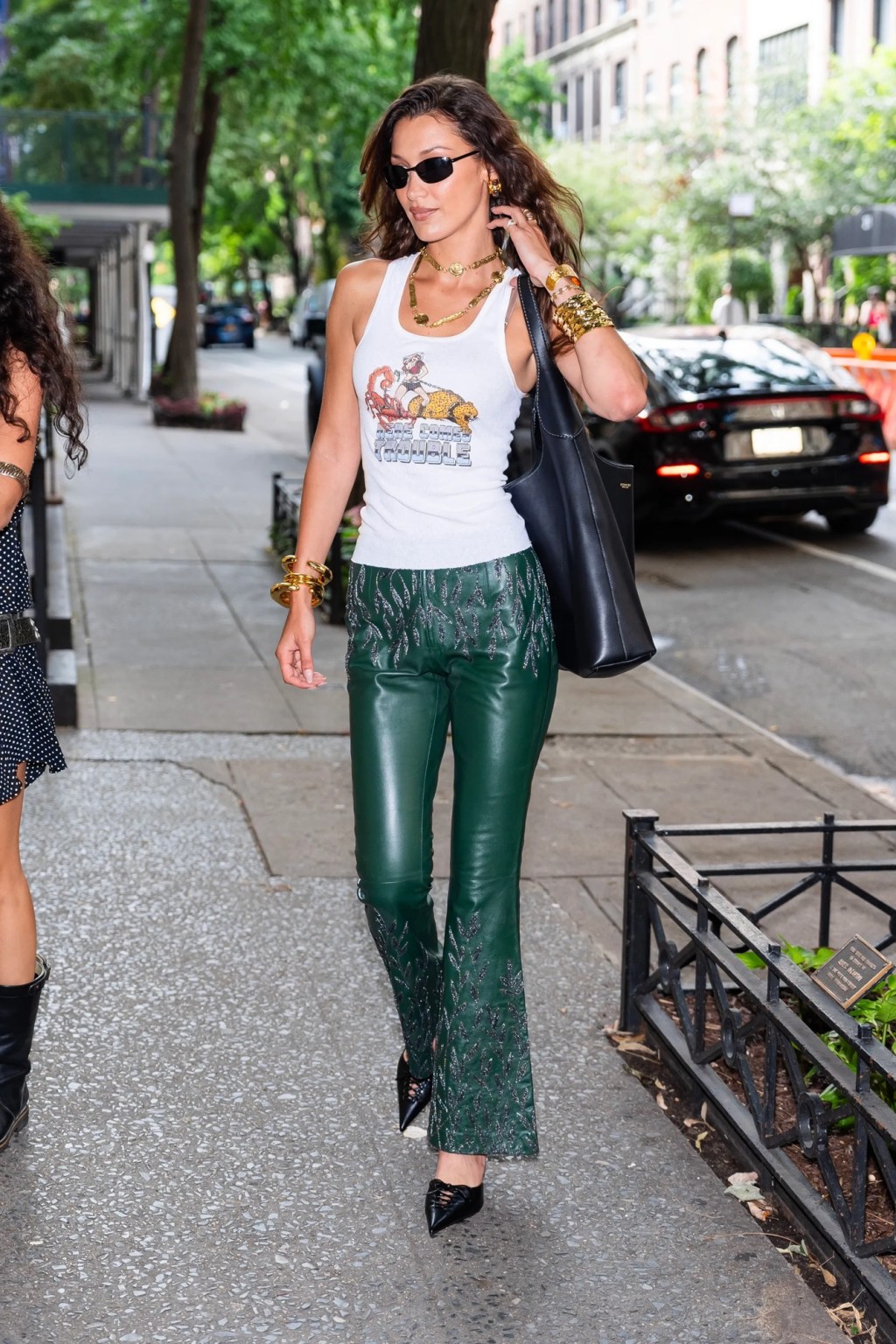
Knowing how to wear fashion trends in 2026 is less about copying every viral look and more about understanding what actually works for you. Many of the biggest fashion trends that don’t suit everyone can still be adapted in a way that feels flattering, comfortable, and current. Once you know how to adapt trends to your body type and personal style, it becomes much easier to work out what to wear instead of trending styles that feel too extreme in real life.
Fashion in 2026 is more experimental than ever. One moment it’s ultra-baggy denim and low-rise streetwear, the next it’s polished minimalism or hyper-feminine beauty trends like the “clean girl” aesthetic. Social media pushes these looks constantly, making it feel like you should be wearing them.
But trends are designed as directional ideas, not universal rules. They often ignore body proportions, comfort, climate, personality, and lifestyle. That’s why something can look amazing online but feel completely wrong in real life.
The key shift in modern dressing is simple: you don’t need to follow trends exactly, you can translate them.
1. Baggy Denim & Wide-Leg Jeans: The Oversized Era
Baggy and wide-leg jeans are still dominating fashion in 2026, driven by comfort and Y2K nostalgia. They’re relaxed, elongated, and very street-style focused, but they don’t suit everyone’s proportions or aesthetic.
Some people feel overwhelmed by the volume, or find they lose shape through the hips and legs.
How to adapt it:
- Swap extreme baggy fits for straight-leg or relaxed taper jeans
- Try mid-rise wide-leg trousers instead of ultra-low slung denim
- Balance volume with fitted tops or structured blazers
- Choose full-length tailored wide-leg pants rather than exaggerated streetwear cuts
Recent denim direction is actually moving toward more refined silhouettes and longer, cleaner lines rather than chaotic volume.
2. Barrel Jeans & Sculptural Silhouettes: Fashion-Forward but Tricky
Barrel jeans (rounded, curved-leg silhouettes) are one of the most talked-about denim shapes right now. They’re editorial and architectural, but not always easy to wear day-to-day.
How to adapt it:
- Choose subtle barrel cuts instead of exaggerated curves
- Keep tops simple: fitted tees, tucked shirts, or cropped jackets
- If they feel too bold, switch to tapered jeans with slight shaping
- Use accessories (belts, structured bags) to add definition back into the outfit
The idea is to keep the shape interest without losing your natural body line.
3. Cropped Tops & Micro Silhouettes: Less Skin, Same Style Energy
Cropped tops are still everywhere in streetwear styling, often paired with low-rise denim or oversized trousers. But not everyone feels comfortable showing midriff, or likes the proportion it creates.
How to adapt it:
- Replace cropped tops with hip-length fitted tees
- Try French tucks to create shape without exposure
- Layer with overshirts, blazers, or lightweight jackets
- Use high-waisted bottoms to maintain balance
You can still achieve a modern silhouette without relying on exposed skin as the focal point.
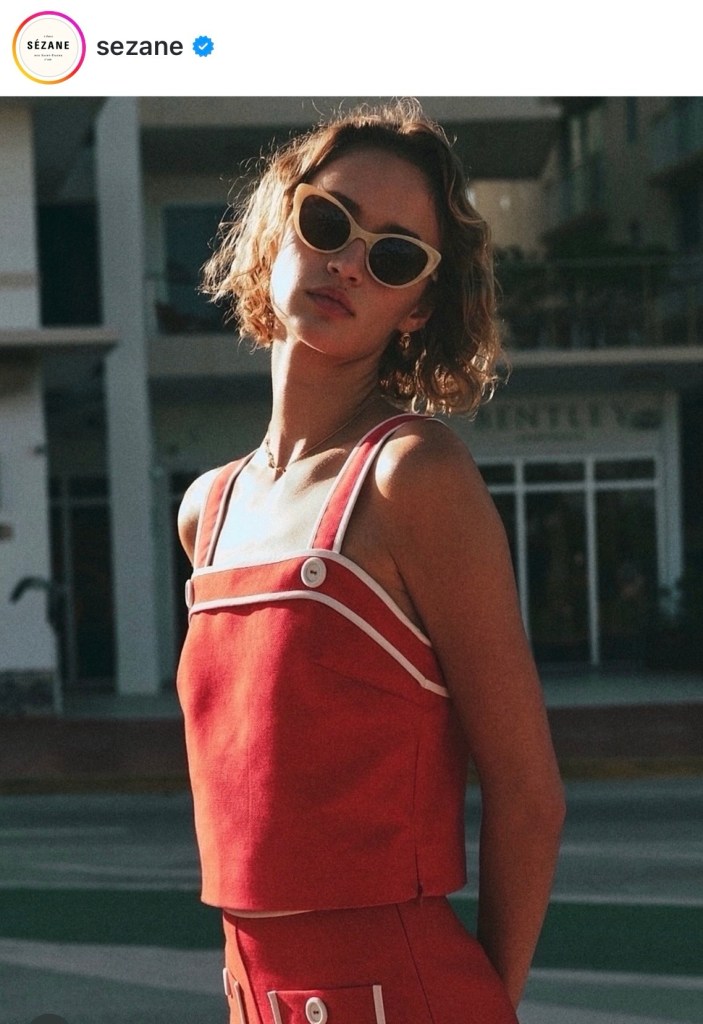
4. The Clean Girl Aesthetic: Minimalism Under Pressure
The “clean girl” aesthetic is one of the biggest beauty and lifestyle trends of the decade – slick buns, neutral tones, glossy skin, and ultra-minimal styling. It’s polished, but it can feel restrictive or overly uniform.
It’s also important to note it’s a highly curated internet aesthetic rather than a realistic daily standard.
How to adapt it:
- Keep the fresh skin base, but switch up makeup textures (matte, bold lip, or graphic liner)
- Replace slick buns with natural hair textures or soft waves
- Use neutrals as a base, but introduce colour accents or prints
- Instead of minimal jewellery, try layered or statement pieces
Think “effortless,” not “erased personality.”
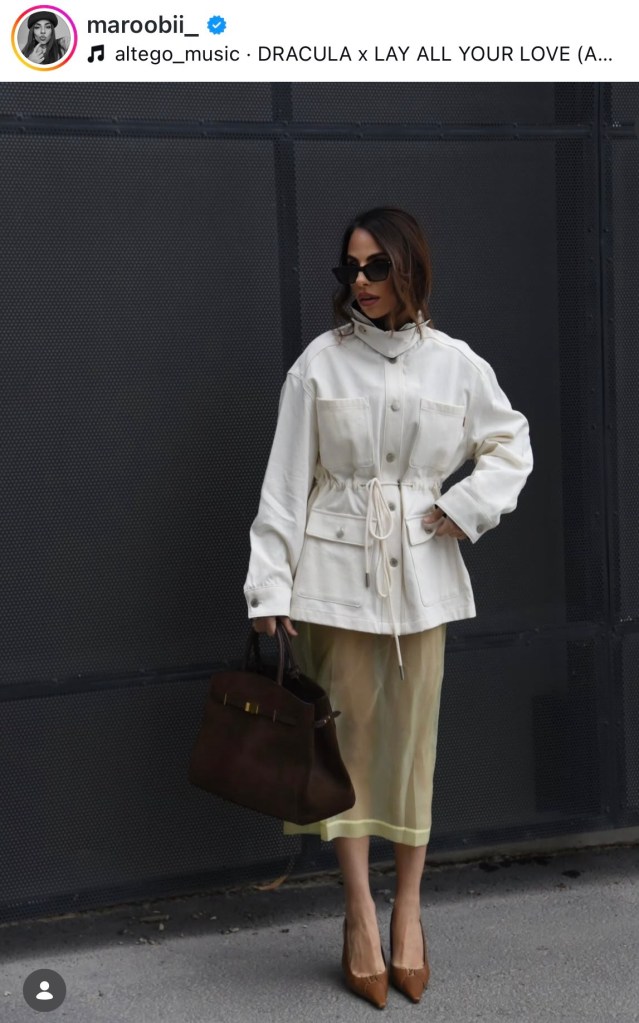
5. Sheer Layering & Transparency Trends: Not Just for Bold Dressing
Sheer fabrics, mesh tops, and layered transparency are trending heavily in runway and street style. While visually striking, they’re not always practical or comfortable for everyday wear.
How to adapt it:
- Use sheer elements as layering pieces, not full outfits
- Try a mesh top under a blazer or knit
- Swap full sheer dresses for semi-sheer sleeves or panels
- Layer over simple tanks or bodysuits for coverage control
This lets you participate in the trend without committing to full exposure.
6. Low-Rise Revival: Not for Everyone, and That’s Fine
Low-rise jeans are slowly returning, but they remain one of the most divisive trends of the moment. They change proportions dramatically and can feel uncomfortable or unflattering depending on body type and preference.
How to adapt it:
- Stick with mid-rise jeans as a modern alternative
- Try slightly lowered waistlines instead of extreme low-rise
- Keep styling modern with cropped jackets or fitted tops (not ultra-short)
- Focus on elongated silhouettes rather than exposed waistlines
Modern denim trends are actually embracing variety in rises and proportions rather than one dominant fit.
Building a Style That Doesn’t Depend on Trends
If most trends don’t suit you, the goal isn’t to opt out of fashion, it’s to build a system that works independently of it.
Focus on:
- Silhouette over trend name (straight vs wide vs fitted)
- Proportion balance (volume on top vs bottom)
- Comfort as a baseline requirement
- Repeat outfits that already work for you
Fashion is most effective when it supports your life, not when it overrides it.
The Wrap
Fashion trends in 2026 are more diverse than ever, but that does not mean they will work for everyone in their original form. From baggy denim to sheer layering and the clean girl aesthetic, most trends are designed to inspire, not dictate.
The real shift is learning how to translate trends into something wearable. That might mean adjusting the fit, changing the proportions, or simplifying the look so it suits your body and your lifestyle. Small changes often make the biggest difference.
Instead of asking whether a trend suits you, it is more useful to ask how it can be adapted. When you approach fashion this way, you stop chasing trends and start building a personal style that actually works in real life.
That is where modern style is heading, less about copying, more about making it your own.
Frequently Asked Questions
Do you have to follow fashion trends in 2026?
No. Trends are optional, not rules. The most current approach is taking inspiration from trends and adapting them to suit your body, lifestyle, and personal style rather than copying them exactly.
What if current fashion trends don’t suit me?
That is completely normal. Many trends are designed for visual impact, not everyday wear. Focus on silhouettes, proportions, and comfort, then adjust the trend into something that feels natural on you.
How can I adapt trends to suit my body type?
Start by identifying what already works for your shape. Then adjust trending pieces by changing the fit, rise, or length. For example, swap ultra-baggy jeans for a straight-leg fit, or choose high-waisted options instead of low-rise.
Are baggy jeans still in style in 2026?
Yes, but the trend is evolving. While oversized fits are still popular, there is a clear shift toward more refined wide-leg and straight-leg silhouettes that feel easier to wear day-to-day.
What is the clean girl aesthetic and is it still relevant?
The clean girl aesthetic focuses on minimal styling, neutral tones, and polished details. It is still popular, but many people are now adding more personality through texture, colour, and accessories.
How do I make bold trends more wearable?
Balance is key. If one piece is oversized or statement-heavy, keep the rest of the outfit simple. Layering, tailoring, and choosing toned-down versions of trends can make them much easier to wear.
What should I wear instead of low-rise jeans?
Mid-rise and high-rise jeans are the most versatile alternatives. They offer better comfort and proportion while still working with modern styling.
Can you still look stylish without following trends?
Absolutely. Personal style tends to look more polished and consistent than trend-based dressing. Building outfits around what suits you will always feel more put together than chasing every new look.


Leave a Reply