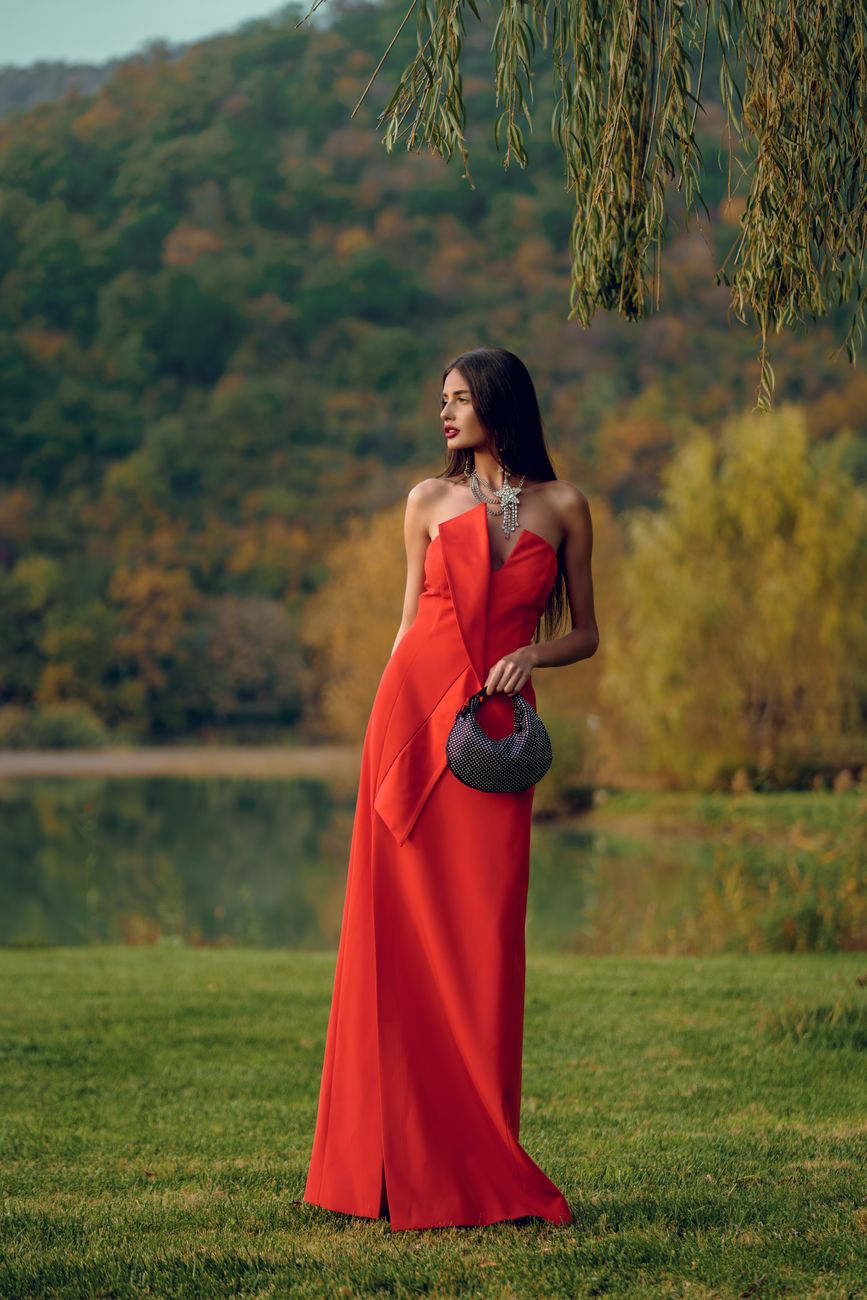
Few phrases create more unnecessary wardrobe panic than smart casual.
It sounds straightforward until you are standing in front of your wardrobe wondering whether jeans are too casual, heels are too formal and the dress you planned to wear somehow looks completely wrong. Cocktail, semi-formal and black tie optional can be just as confusing, particularly when different venues and hosts seem to interpret them differently.
The good news is that a dress code is not usually a rigid uniform. It is a clue. It tells you how polished the occasion will be, what kind of atmosphere the host is creating and how much effort guests are expected to make.
Once you understand the differences between the main dress codes, getting dressed becomes much easier. You can stop buying random occasion outfits, use more of what you already own and adjust your look through shoes, jewellery, tailoring and fabric.
This complete dress code guide for women explains what casual, smart casual, cocktail, formal, black tie and every confusing variation in between actually mean.
Dress Codes at a Glance
Here is the simplest way to understand the main dress codes:
- Casual: Relaxed everyday clothing that still looks presentable.
- Smart casual: Polished separates that sit between weekend wear and office clothing.
- Business casual: Professional clothing without the formality of a full corporate suit.
- Business formal: Structured, conservative and clearly workplace appropriate.
- Cocktail: A polished party outfit with enough glamour to feel special.
- Semi-formal: Dressier than cocktail in some settings, but less elaborate than black tie.
- Formal: An elegant evening look, usually a gown, sophisticated midi dress or elevated suit.
- Black tie: Full evening glamour, with a floor-length gown being the safest choice.
- Black tie optional: Formal clothing is expected, but full black tie is not compulsory.
- White tie: The highest level of traditional formality.
- Creative black tie: Black tie foundations with more freedom for colour, shape and personality.
- Festive: Occasionwear with celebratory colour, texture or sparkle.
- Garden party: Refined daytime dressing in lighter fabrics, colours and practical footwear.
- Beach formal: Elegant destination dressing adapted to heat, sand and an outdoor setting.
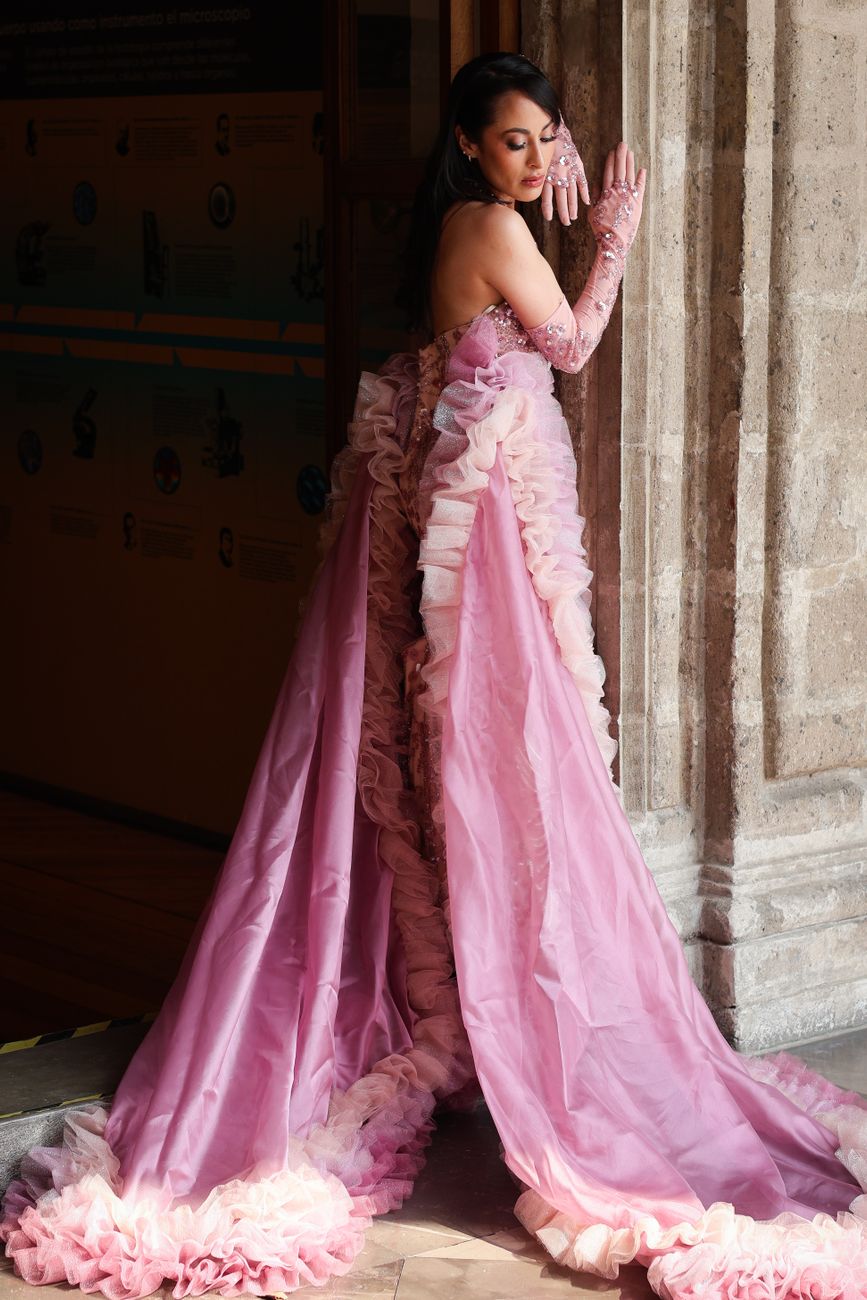
What a Dress Code Is Really Telling You
A dress code is not only about the clothes. It gives you information about the event itself.
It can tell you:
- How formal the venue is likely to be
- Whether the event takes place during the day or evening
- How traditional or relaxed the host may be
- Whether you will be sitting, standing, dancing or walking outdoors
- How much attention should be given to grooming, accessories and footwear
The mistake most people make is focusing entirely on the label while ignoring the setting.
A cocktail dress code at a rooftop bar will look different from cocktail attire at a heritage hotel. Smart casual at a beachside restaurant may include linen and flat sandals, while smart casual at an inner-city launch might call for tailoring, polished leather shoes and a more structured bag.
Treat the stated dress code as your starting point, then use the venue, time and occasion to refine the outfit.
Five Questions to Ask Before Choosing an Outfit
Before deciding what to wear, check these five details.
1. Where is the event?
A ballroom, private home, garden, beach, restaurant and corporate venue all require slightly different interpretations.
Outdoor events call for practical shoes and weather-appropriate layers. Luxury hotels generally lean more formal. A private dinner may be more relaxed, even when the invitation uses polished language.
2. What time does it start?
Daytime events usually suit lighter colours, softer fabrics and less dramatic accessories. Evening events can carry richer colours, darker fabrics, stronger jewellery and more elaborate silhouettes.
3. What is the occasion?
A birthday, wedding, work function, awards night and charity gala may use the same dress code while carrying very different expectations.
For weddings, you also need to consider the couple, venue, ceremony style and any cultural or religious customs.
4. Who is hosting?
A fashion brand’s creative black tie event may encourage experimentation. A conservative corporate organisation may expect a more traditional interpretation.
The wording and design of the invitation can offer clues. A formal printed invitation often signals a more traditional event, while a casual digital invitation may allow greater flexibility.
5. How do you want to feel?
The outfit needs to satisfy the dress code, but it also needs to feel like you.
There is no point wearing an elaborate, revealing or heavily embellished look if you will spend the entire event adjusting it. Choose the most polished version of your own style rather than dressing as a completely different person for the night.
If you often feel that current fashion does not suit you, read our guide to adapting trends without losing your personal style.
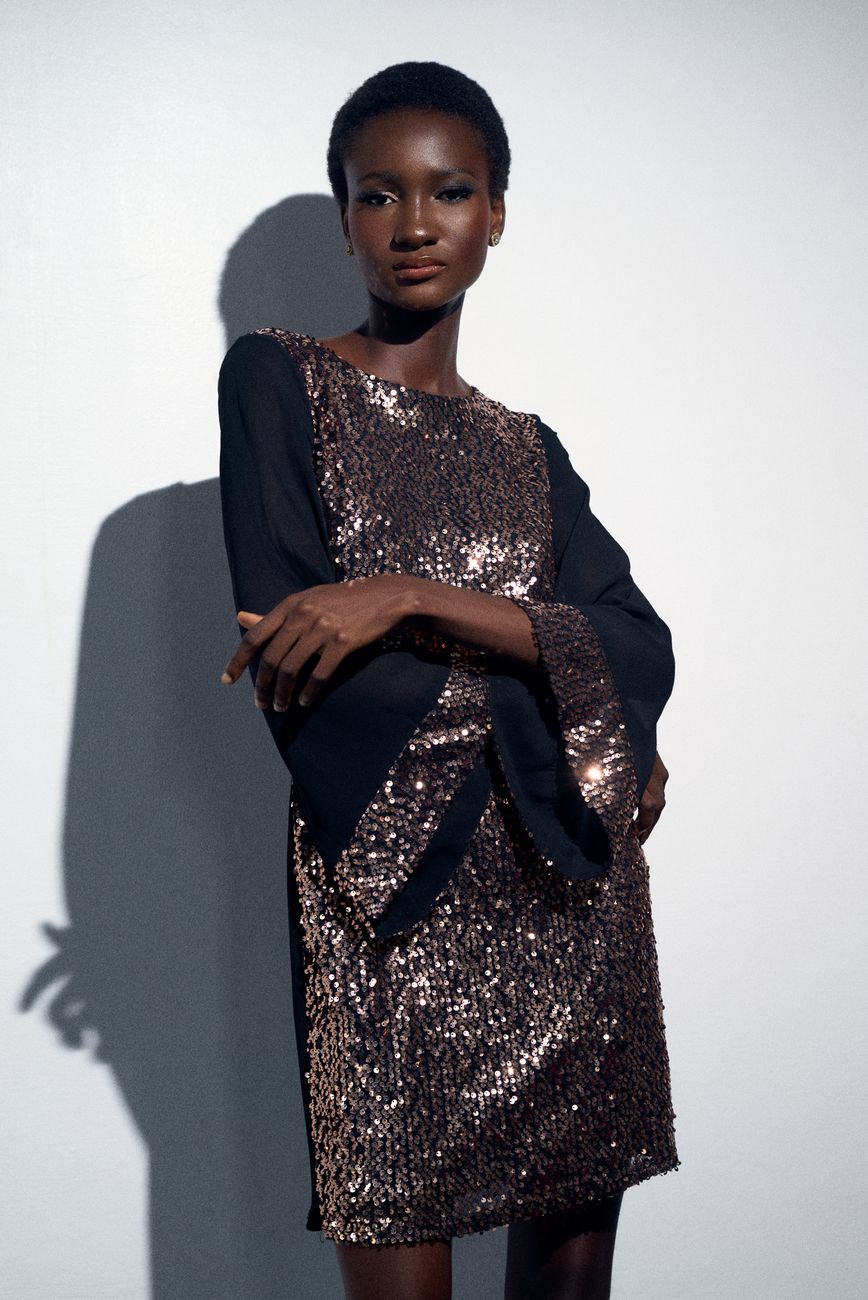
Casual Dress Code
Casual is the most relaxed dress code, but it does not necessarily mean wearing whatever you happened to have on at home.
The aim is comfortable, clean and appropriate everyday clothing. Depending on the venue, this might include denim, simple dresses, relaxed trousers, skirts, knitwear, T-shirts, sneakers, sandals or boots.
What to wear for a casual event
Try:
- Straight-leg or relaxed jeans with a good-quality T-shirt
- A cotton, linen or knit dress
- Tailored shorts with a relaxed shirt
- A midi skirt with a tank or fine knit
- Casual trousers with leather sandals or sneakers
- A cardigan or lightweight jacket for layering
Jeans are perfectly suitable for many casual events, but the wash and condition matter. Dark, mid-blue or ecru denim will generally appear more polished than heavily distressed or faded styles.
Our guide to the best denim jeans for every body type can help you find a cut that works with your proportions and everyday style.
What to avoid
Unless the event specifically calls for an extremely relaxed look, avoid:
- Stained, stretched or heavily worn clothing
- Gym clothes
- Pyjama-inspired pieces that look like actual sleepwear
- Beach thongs away from a beach or pool setting
- Clothing with offensive slogans
- Anything so uncomfortable that you cannot enjoy the event
Casual should feel easy, not careless.
Smart Casual Dress Code
Smart casual is one of the most common and misunderstood dress codes.
It sits between relaxed weekend clothing and traditional officewear. The outfit should feel considered, but not overly formal. You want to look as though you made an effort without appearing ready for a board meeting or gala.
The easiest way to build a smart casual outfit is to combine one relaxed piece with one polished piece.
Smart casual outfit formulas
Try:
- Dark straight-leg jeans, a silk blouse and leather loafers
- Tailored trousers, a fitted T-shirt and blazer
- A midi dress with ballet flats or low heels
- A white shirt, cropped trousers and slingbacks
- A knit top, A-line skirt and ankle boots
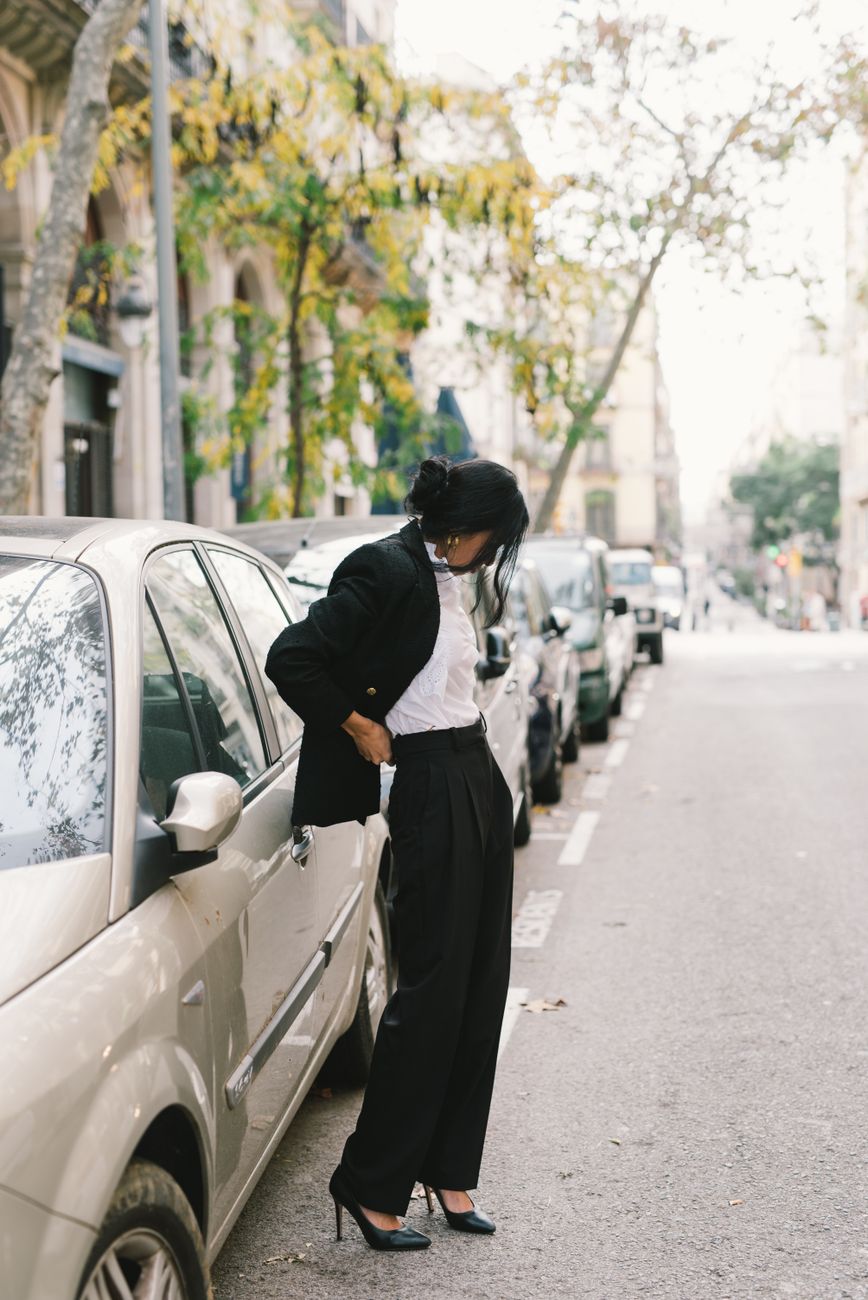
- Wide-leg trousers with a tank and structured jacket
- A polished jumpsuit with simple jewellery
A great white shirt is especially useful here because it can be worn neatly tucked, open over a camisole or with the sleeves rolled for a more relaxed finish. See our complete guide to styling a white shirt for more outfit ideas.
Can you wear jeans for smart casual?
Yes, provided the jeans are clean, well fitting and styled with more elevated pieces.
Avoid heavily ripped denim, overly slouchy shapes or anything that looks like gardening clothes. A dark straight-leg, subtle bootcut or structured wide-leg jean is usually easier to dress up.
Add a blazer, polished shoe, refined knit or structured bag to move the outfit away from ordinary weekend wear.
Smart casual shoes
Loafers, ballet flats, slingbacks, ankle boots, leather sandals and clean minimalist sneakers can all work.
The shoe should relate to the venue. Sneakers may be suitable for a daytime lunch but feel underdressed at an evening restaurant or event space.
Business Casual Dress Code
Business casual is professional without requiring a matching suit.
It allows more flexibility in colour, fabric and silhouette, but the outfit should still look appropriate for a workplace, client meeting, conference or business lunch.
What to wear for business casual
Reliable options include:
- Tailored trousers with a blouse or knit
- A midi skirt with a shirt
- A simple dress with a blazer
- Wide-leg trousers with a tucked top
- A neat cardigan worn as a top
- Dark denim with a blazer, where workplace culture allows it
- Loafers, ballet flats, low heels or polished ankle boots
A white or ivory shirt is one of the most useful business casual pieces you can own. If bright white feels too harsh against your complexion, our guide to wearing white for every skin tone explains how to choose between optic white, cream, ivory and ecru.
How relaxed can business casual be?
This depends heavily on the industry.
A creative agency, fashion company or technology business may allow denim, sneakers and more directional silhouettes. Finance, law, government and executive environments often expect more traditional tailoring.
When you are unsure, begin with trousers, a blouse and a blazer. You can always remove the jacket if the room feels more relaxed.
What business casual does not usually mean
Avoid treating business casual as ordinary casual clothing worn to work.
Items that may look too relaxed include:
- Gym leggings
- Very short skirts or shorts
- Distressed denim
- Strapless tops
- Beachwear
- Sheer clothing without appropriate layering
- Clothing with prominent slogans or branding
Business Formal and Corporate Dress Codes
Business formal is more structured than business casual. It is commonly used for executive meetings, important presentations, formal interviews, conferences and traditional corporate environments.
A matching suit is not always essential, but the outfit should appear cohesive, professional and authoritative.
Business formal outfit ideas
Consider:
- A tailored trouser suit
- A structured skirt suit
- A sheath or midi dress with a blazer
- Tailored trousers with a formal blouse
- A longline blazer with a coordinated dress
- Closed-toe pumps, slingbacks, loafers or refined flats
Black, charcoal, navy, cream, camel and chocolate are dependable corporate colours. Navy is particularly versatile because it feels professional without appearing as severe as black.
Our guide to wearing blue for every skin tone can help you choose between navy, cobalt, cornflower, petrol blue and softer blue-grey shades.
Fit matters more than the label
A moderately priced suit that fits beautifully will usually look more impressive than an expensive one with sleeves that are too long, pulling buttons or trousers that collapse at the ankle.
Check:
- That the shoulder seams sit correctly
- That the jacket closes without pulling
- That shirt buttons sit flat
- That trouser hems work with your intended shoes
- That skirts remain comfortable while sitting
- That nothing requires constant readjustment
For a more flexible approach to proportions, visit our grown-up guide to dressing for your body without restrictive labels.
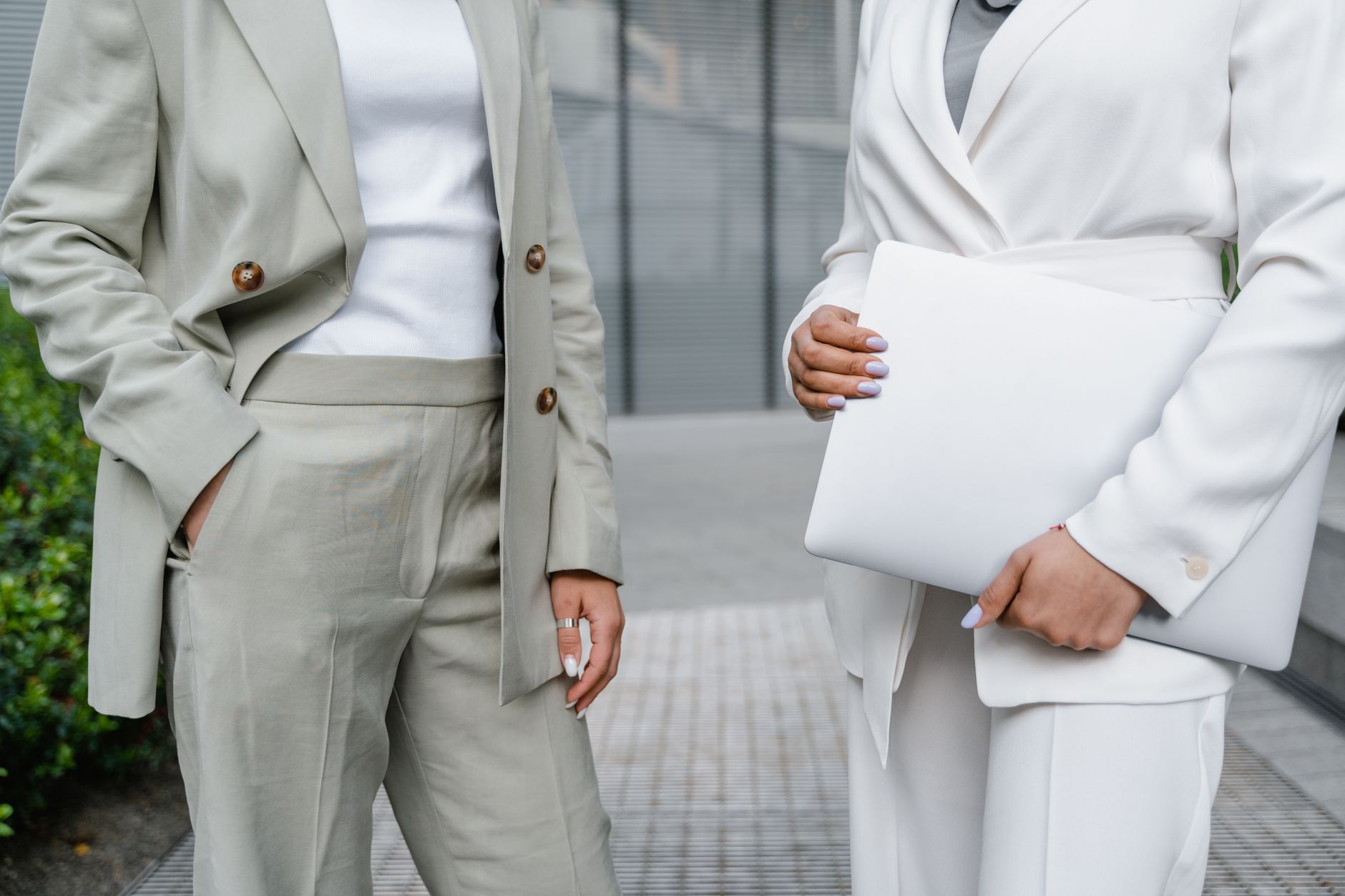
Cocktail Dress Code
Cocktail attire is polished, celebratory and evening appropriate without reaching the full formality of black tie.
Traditionally, it meant a dress finishing around the knee. Modern cocktail dressing is much broader. Midi dresses, elegant mini dresses, sophisticated jumpsuits, tailored suits and elevated separates can all work.
The key is that the outfit should feel special. It should not look like something you would wear to an ordinary day at work.
What to wear to a cocktail event
Good options include:
- A classic black cocktail dress
- A silk or satin midi dress
- A structured mini dress with refined accessories
- A tailored jumpsuit
- A velvet or crepe suit
- A statement skirt with a fitted top
- A one-shoulder or asymmetric dress
- A slip dress with a blazer or evening coat
Cocktail fabrics
Fabric is one of the clearest ways to separate cocktail wear from everyday clothing.
Look for:
- Silk
- Satin
- Velvet
- Lace
- Crepe
- Chiffon
- Brocade
- Sequins
- Beading
- Fine metallic knits
A simple silhouette can feel occasion ready when the fabric has movement, depth or a subtle sheen.
Cocktail accessories
Add one or two elevated details rather than every dramatic accessory you own.
A small structured bag, refined heel, sculptural earring or beautiful cuff may be enough. For more guidance on creating polish without overspending, read How to Look Expensive on a Normal Budget.
Can you wear trousers for cocktail attire?
Absolutely.
Choose trousers with an elegant cut and pair them with a silk top, fitted bodysuit, dramatic blouse or beautifully tailored jacket. The footwear, bag and jewellery should make the outfit feel intentionally suited to an event.
Semi-Formal Dress Code
Semi-formal is confusing because it sounds less formal than cocktail, while some hosts use it to describe something slightly dressier.
The most useful interpretation is polished occasionwear that falls below black tie. A midi dress, sophisticated jumpsuit, tailored suit or elegant separates will usually be appropriate.
The time of day matters.
Daytime semi-formal
For daytime events, consider:
- A printed or softly coloured midi dress
- A tailored skirt and blouse
- A light-coloured suit
- A structured jumpsuit
- Slingbacks, block heels or elegant flats
Evening semi-formal
For evening, choose:
- A darker midi dress
- A sophisticated knee-length dress
- A satin or crepe jumpsuit
- An elegant trouser suit
- Metallic, velvet or embellished accessories
Avoid going too casual, but do not feel that you need a full evening gown unless the venue or invitation suggests greater formality.
Formal Dress Code
Formal attire usually means an elegant evening outfit, although it offers slightly more flexibility than black tie.
A floor-length gown is always appropriate. A refined midi or ankle-length dress may also work, particularly for modern weddings, formal dinners and events that are sophisticated without being highly traditional.
What to wear to a formal event
Consider:
- A floor-length gown
- An elegant ankle-length dress
- A structured midi dress in a luxurious fabric
- A formal jumpsuit
- A beautifully tailored evening suit
- A silk skirt with an elevated top
The overall effect should be cohesive. Hair, makeup, jewellery, bag and shoes all contribute to the level of formality.
A plain dress can look beautifully formal with the right styling, while a dramatic dress can lose its impact if worn with a large everyday handbag or overly casual shoes.
Black Tie Dress Code
Black tie is one of the most formal evening dress codes most people will encounter.
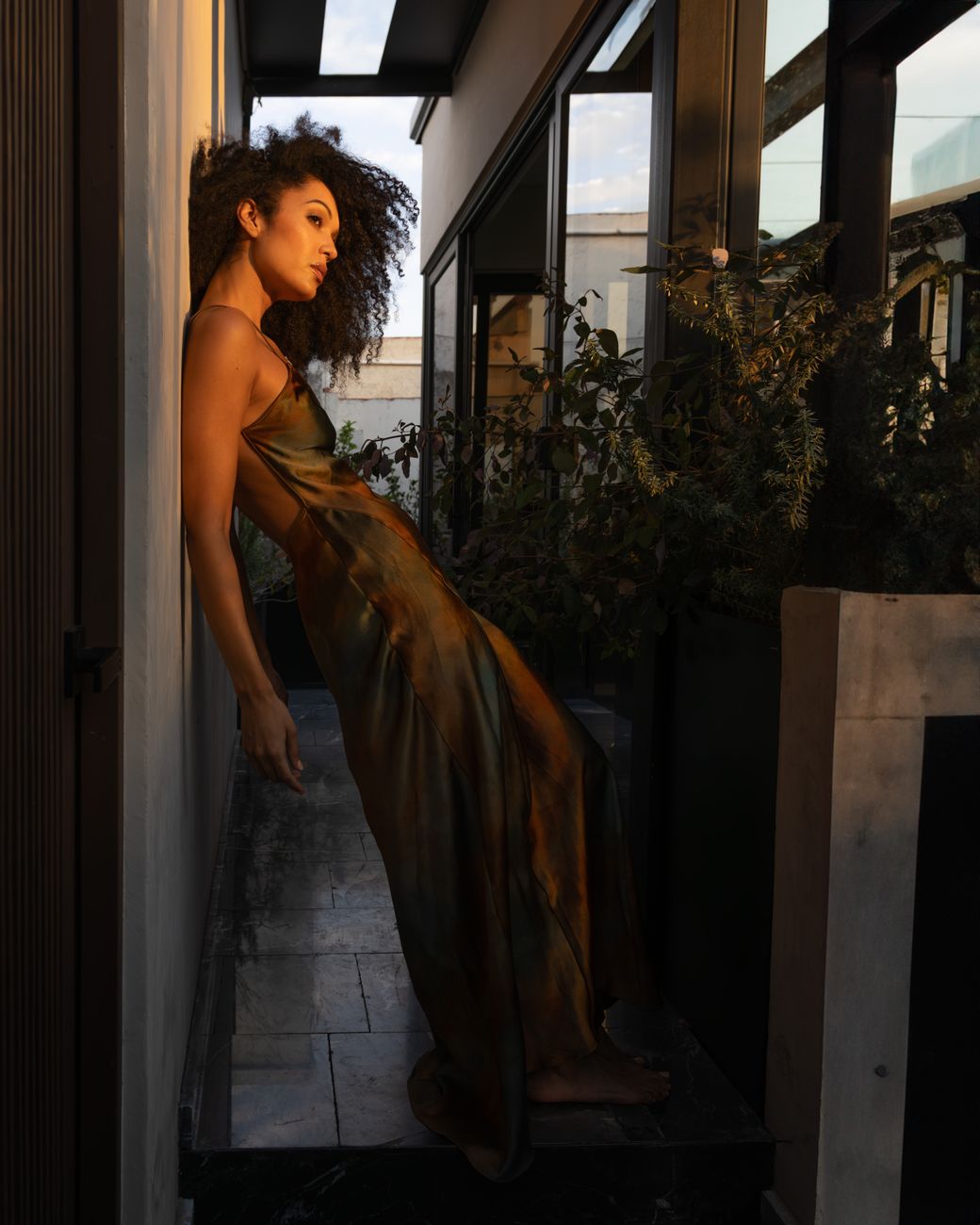
For women, a floor-length evening gown is the safest and most traditional choice. Modern black tie events may also allow an exceptionally elegant midi dress, formal jumpsuit or evening suit, but the outfit still needs to feel luxurious and deliberate.
What to wear to a black tie event
Suitable options include:
- A floor-length gown
- A column dress
- A full-skirted evening gown
- An elegant draped dress
- A formal velvet suit
- A tuxedo-inspired evening look
- A sophisticated jumpsuit in silk, crepe or satin
Black is reliable, but it is not compulsory. Deep green, navy, burgundy, chocolate, red, metallics and jewel tones can look equally formal.
Black tie shoes and accessories
Choose:
- Refined heels
- Elegant slingbacks
- Dressy flats with a pointed or embellished finish
- A small clutch or evening bag
- Fine jewellery or one stronger statement piece
- A wrap, evening coat or tailored outer layer
If you are building a versatile footwear collection, our guide to 10 timeless shoes every elegant woman owns covers the pumps, slingbacks, sandals and evening heels that work across multiple occasions.
Does a black tie dress have to be black?
No. The phrase refers to the level of formality, not the required colour of your dress.
Wear a colour that suits your complexion and feels appropriate for the event. Very bright shades can still work beautifully when the fabric and silhouette feel sufficiently elegant.
Black Tie Optional
Black tie optional means that full black tie attire is welcomed but not compulsory.
You can wear a floor-length gown, but you can also choose a highly polished midi dress, formal suit or elevated jumpsuit. The event will still be formal, so this is not the moment for an ordinary cocktail dress styled casually.
The safest black tie optional outfit
Choose a dress that falls below the knee in a rich or formal-looking fabric, then add evening shoes, a smaller bag and considered jewellery.
An ankle-length satin dress, tailored crepe jumpsuit or dark velvet suit would all sit comfortably within this dress code.
White Tie Dress Code
White tie is the highest and most traditional level of formal evening dressing.
It is far less common than black tie and is generally reserved for state dinners, ceremonial events, royal occasions and highly formal galas.
For women, white tie traditionally calls for:
- A full-length formal evening gown
- Luxurious fabric and construction
- Formal jewellery
- An evening bag
- Dress shoes
- Carefully styled hair and makeup
- Long gloves, where appropriate
The dress should usually cover the ankles and feel more ceremonial than an ordinary evening gown. This is one dress code where it is wise to follow the invitation closely rather than trying to make the look more casual.
Creative Black Tie
Creative black tie keeps the formal foundation of black tie but allows greater freedom.
You might experiment with colour, print, exaggerated sleeves, sculptural jewellery, an unusual suit, dramatic shoes or a more directional silhouette.
The important part is maintaining the level of occasion. Creative does not mean casual.
Creative black tie outfit ideas
Try:
- A brightly coloured floor-length gown
- A printed evening dress
- A velvet suit with a silk camisole
- A tuxedo-inspired dress
- A dramatic skirt with a fitted evening top
- An asymmetric gown with sculptural jewellery
- A minimalist dress with statement shoes
Choose one central idea and let the rest of the look support it. Too many competing features can make an outfit feel like a costume rather than confident personal style.
Festive Dress Code
Festive attire is most commonly used for Christmas parties, New Year celebrations, milestone birthdays and seasonal events.
It generally means cocktail or smart casual clothing with a celebratory element.
That might be:
- Metallic fabric
- Sequins
- Velvet
- Satin
- Red, green, gold or jewel tones
- Statement earrings
- Embellished shoes
- A decorative bag
- A colourful suit
You do not need to dress literally for the season. A dark velvet blazer over trousers may feel more sophisticated than a novelty print, while a simple black dress can become festive with metallic shoes and strong jewellery.
Garden Party and Daytime Event Dress Codes
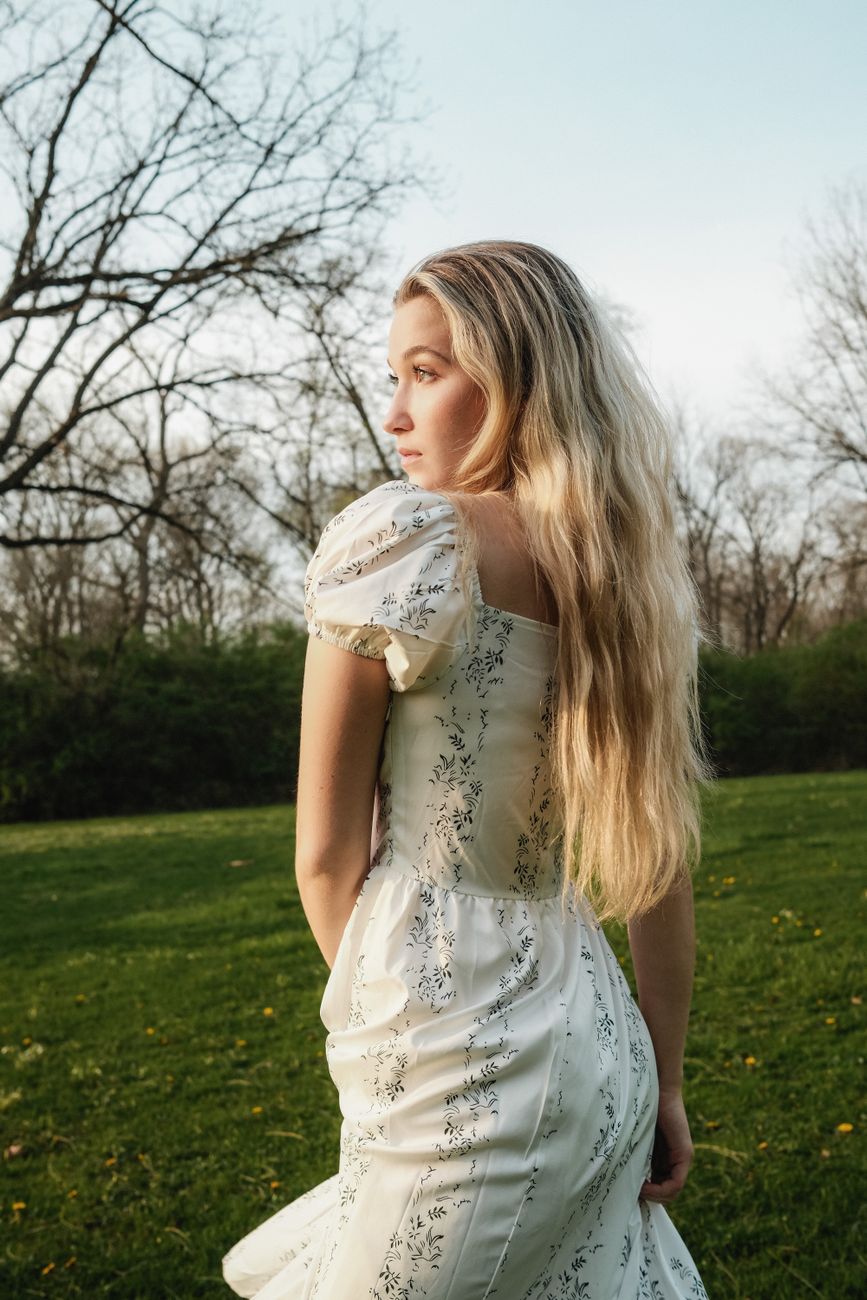
Garden parties, long lunches, christenings, spring celebrations and daytime weddings generally call for polished clothing with a lighter touch.
This is where prints, softer colours, natural fabrics and romantic details work particularly well.
What to wear to a garden party
Consider:
- A floral or printed midi dress
- A linen-blend dress
- A pleated skirt and fitted top
- A softly tailored suit
- A lace-trim dress
- A wrap dress
- A wide-leg jumpsuit
- A refined matching set
For more ideas around feminine occasion dressing, see our guide to styling a lace-trim dress.
Choose shoes that work outdoors
Thin stiletto heels are rarely practical on grass, gravel or uneven garden paths.
Instead, try:
- Block heels
- Wedges
- Slingbacks
- Ballet flats
- Loafers
- Flat leather sandals
- Low kitten heels
A beautiful shoe is not useful if you spend the afternoon sinking into the lawn.
Beach Formal and Destination Dress Codes
Beach formal does not mean beachwear. It means elegant clothing adapted to an outdoor, warm-weather environment.
The fabric should feel light and breathable, but the outfit should still look appropriate for a ceremony, reception or special dinner.
What to wear to a beach formal event
Try:
- A flowing maxi dress
- A silk or chiffon midi dress
- A linen-blend suit
- A refined jumpsuit
- A softly draped dress
- An elevated matching set
Colours such as blue, coral, terracotta, green, soft yellow and printed neutrals work well in coastal settings.
For shoes, consider flat sandals, wedges or block heels rather than stilettos. Bring a light wrap or jacket if the event continues after sunset.
Avoid very casual sundresses, rubber thongs, swimwear fabrics and oversized beach bags unless the invitation clearly describes a more relaxed celebration.
What to Wear to a Wedding
Wedding dress codes follow the same general rules, but guest dressing involves a few additional considerations.
Avoid wearing white
Unless the couple has specifically requested it, avoid white, ivory, cream and shades that could photograph as bridal.
A printed dress with a small amount of white is usually fine, but a mostly white dress is better saved for another occasion.
Be cautious with very pale champagne, silver, blush and light beige if they look bridal in photographs.
Respect the ceremony setting
Religious and cultural ceremonies may require covered shoulders, longer hemlines, head coverings or other forms of respectful dress.
Research the setting or ask the couple when you are uncertain. A lightweight jacket, wrap or scarf can make a sleeveless outfit more appropriate for a ceremony without changing the reception look.
Do not compete with the wedding party
You do not need to avoid looking stylish, but remember that the event is not your personal red carpet.
Extremely revealing dresses, oversized trains, bridal fabrics and attention-seeking costumes can feel out of place.
Follow the colour request
Some couples now ask guests to wear a particular colour palette. Treat this as part of the dress code rather than an optional suggestion, especially when it has been clearly stated on the invitation or wedding website.
What to Wear When There Is No Dress Code
No dress code can be more confusing than a complicated one.
Start by looking at:
- The venue
- The start time
- The type of event
- The invitation design
- The host’s usual style
- Any photographs from previous events at the venue
For an evening restaurant, celebration or launch, smart casual or cocktail is generally a safe starting point. For a daytime home gathering, polished casual clothing will usually work.
When you are genuinely unsure, choose an outfit that can be adjusted.
A midi dress can become more relaxed with flats and a cardigan or more formal with heels and jewellery. Tailored trousers and a silk top can be worn with loafers for smart casual or dressed up with a heel and evening bag.
Is It Better to Be Overdressed or Underdressed?
Being slightly overdressed is usually easier to manage than being noticeably underdressed.
The key word is slightly. Arriving in a floor-length sequinned gown to a casual backyard lunch may feel just as uncomfortable as wearing jeans to a formal wedding.
Choose an adaptable outfit and bring layers or accessories that allow you to shift the mood.
You can:
- Remove a blazer
- Change from statement earrings to small hoops
- Switch from a clutch to a shoulder bag
- Wear flats instead of heels
- Roll shirt sleeves
- Add or remove a belt
- Simplify your hair or makeup
The Pieces That Cover Most Dress Codes
You do not need a separate outfit for every possible invitation.
A well-planned occasion wardrobe could include:
- One elegant black, navy or jewel-toned dress
- One printed or coloured daytime dress
- One formal midi or maxi dress
- One tailored trouser suit
- One silk or elevated blouse
- One well-cut pair of trousers
- One versatile blazer
- One pair of dressy flats
- One pair of comfortable heels
- One small evening bag
- One structured daytime bag
- A simple jewellery selection
- A lightweight wrap or evening coat
The same dress can move between smart casual, cocktail and formal settings when you change the shoes, outerwear, bag and jewellery.
This is where a considered wardrobe makes occasion dressing much easier. Our Ultimate Capsule Wardrobe Australia guide explains how to build a smaller collection of pieces that work together rather than shopping for isolated outfits.
You may also find it useful to revisit The Classic Wardrobe 101 and The Best Basics to Buy Once and Keep Forever.
The Final Dress Code Checklist
Before leaving, ask yourself:
- Does my outfit match the stated level of formality?
- Does it work for the venue and weather?
- Can I sit, walk and move comfortably?
- Are my shoes practical for the setting?
- Does the outfit need steaming, lint removal or minor repairs?
- Is my bag appropriate for the occasion?
- Do my undergarments work beneath the fabric?
- Have I considered the ceremony or cultural setting?
- Am I wearing something that feels like me?
- Can I enjoy the event without constantly adjusting my clothes?
Small details have an enormous effect on the finished look. Wrinkled fabric, tired shoes, visible underwear or an overfilled everyday bag can make an otherwise beautiful outfit feel unfinished.
Our guide to common wardrobe mistakes that make you look less polished covers the subtle fit, proportion and styling issues worth checking.
The Wrap
Dress codes are meant to guide you, not make you panic.
Start with the wording on the invitation, then consider the venue, time of day, host and nature of the event. Choose an outfit that meets the expected level of formality while still reflecting your own style.
You do not need to interpret every dress code in the most traditional way possible. Modern dressing allows room for elegant trousers, tailored suits, jumpsuits, flats and personal touches. What matters is that the outfit looks deliberate, appropriate and comfortable enough to carry you through the occasion.
The most useful wardrobe is not one filled with dresses worn once. It is one with adaptable pieces you know how to dress up, dress down and make your own.
Frequently Asked Questions
What is the difference between smart casual and cocktail attire?
Smart casual is more relaxed and generally built around polished separates, such as trousers, shirts, blazers, midi skirts and refined denim. Cocktail attire is dressier and more celebratory, often using evening fabrics, heels, smaller bags and stronger jewellery.
Can you wear jeans for smart casual?
Yes. Choose clean, well-fitting jeans without heavy distressing and pair them with a polished top, blazer, knit or structured jacket. Complete the outfit with loafers, boots, ballet flats or a refined sneaker.
Can you wear a jumpsuit to a formal event?
Yes. A well-tailored jumpsuit in crepe, silk, satin or another formal fabric can work for cocktail, formal and some black tie events. The accessories and overall styling need to match the formality of the occasion.
Does black tie mean women have to wear black?
No. Black tie refers to the formality of the event, not the colour of the outfit. Jewel tones, metallics, navy, red, chocolate and other sophisticated shades are all suitable.
Does a black tie dress have to be floor length?
A floor-length gown is the safest traditional choice. Some modern black tie events accept elegant midi dresses, formal suits and sophisticated jumpsuits, particularly when the venue and host are less traditional.
What should I wear for cocktail attire if I do not like dresses?
Try a tailored jumpsuit, velvet suit, evening trouser suit or elegant trousers with a silk blouse. Add a refined shoe, small bag and jewellery to create a party-ready finish.
What does black tie optional mean for women?
It means a full-length gown is welcome but not required. You may wear an elegant midi or ankle-length dress, formal jumpsuit or beautifully tailored suit. The outfit should still feel more formal than standard cocktail attire.
Can you wear flats to a formal event?
Yes. Choose flats that look deliberate and occasion appropriate, such as pointed-toe flats, embellished ballet flats, elegant slingbacks or velvet loafers. Avoid shoes that look overly casual or worn.
What should I wear when an invitation says festive?
Begin with cocktail or smart casual clothing, then introduce a celebratory element through sequins, velvet, metallic fabric, rich colour, statement earrings or decorative shoes.
What should I wear if the dress code is unclear?
Use the venue, time and type of event as your guide. A polished midi dress, tailored trousers with an elevated top or a simple suit can be adjusted for most situations through footwear, jewellery and outerwear.
Is it rude to ask the host about the dress code?
No. It is better to ask politely than to feel uncomfortable or arrive dressed for a completely different type of occasion. Keep the question simple and ask whether the event leans more relaxed or formal.
How can I make a simple outfit look more formal?
Change the details. Add a tailored jacket, refined shoes, an evening bag, stronger jewellery and more polished hair or makeup. Fabric also matters, with silk, satin, velvet, crepe and lace generally reading as more formal than cotton or casual jersey.
Where to Next?
Continue building a wardrobe that works across everyday life, work and special occasions with these ele STYLED guides.
How to Build a Wardrobe From Scratch, The Grown-Up Guide to Clothes You Actually Wear
A practical place to begin when your wardrobe no longer reflects your lifestyle or personal style.
The Classic Wardrobe 101, The Timeless Pieces Every Woman Should Own
Build a reliable foundation of shirts, trousers, blazers, dresses, knitwear and outerwear.
How to Look Expensive on a Normal Budget
Learn how fit, fabric, colour and thoughtful accessories can make simple outfits feel more elevated.
10 Timeless Shoes Every Elegant Woman Owns
Create a practical footwear wardrobe covering work, weekends, travel and formal events.
How to Style a White Shirt, The Ultimate Guide to Making the Classic Wardrobe Staple Feel Fresh
Discover new ways to wear one of the most useful smart casual and workwear pieces.
Common Wardrobe Mistakes That Make You Look Less Polished
Fix the small fit, proportion and styling details that can quietly undermine an outfit.


Leave a comment