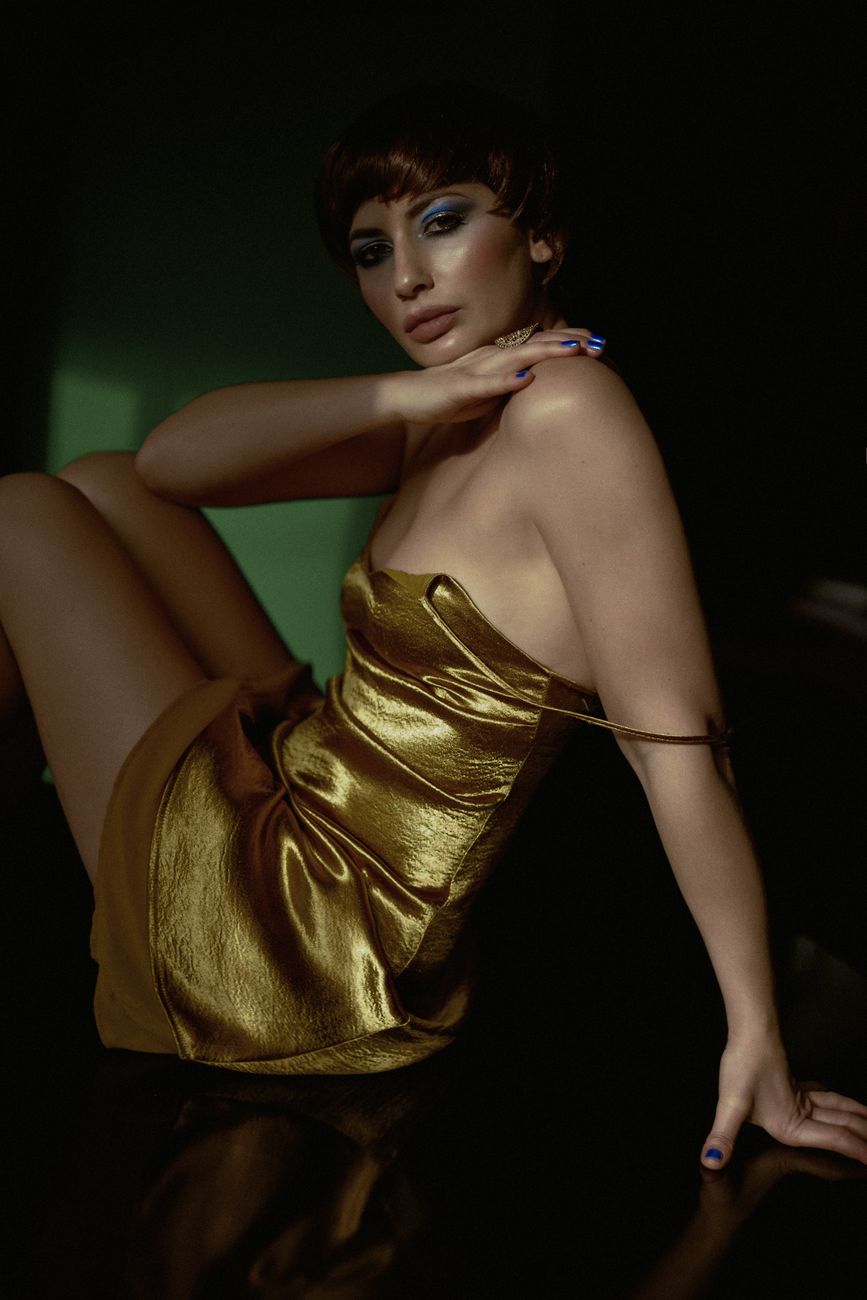
Gold has a way of making an outfit feel warmer, richer and more intentional. A fine gold necklace can brighten a plain white shirt. A sculptural cuff can make a simple black dress feel modern. A metallic gold bag can turn familiar wardrobe pieces into an evening look without requiring an entirely new outfit.
Yet gold is often treated as though it only suits warm or tanned skin. Anyone with a cooler complexion is told to choose silver, while people with warm undertones are automatically directed towards bright yellow gold.
The reality is much more flexible.
There is no single shade of gold. Gold can be pale, bright, buttery, antique, brassy, bronzed, rosy, muted or almost neutral. The scale, finish and placement of a gold piece also affect how it looks against your skin. A glossy yellow-gold necklace worn close to the face creates a different effect from a brushed gold belt, champagne metallic shoes or a small pair of rose-gold earrings.
Finding your most flattering gold is less about following a strict rule and more about understanding three things:
- Your skin’s undertone
- Your natural level of contrast
- The particular shade and finish of gold you are wearing
This guide explains how to wear gold for every skin tone, how to find the right type of gold for your complexion and how to style gold jewellery, clothing and accessories without looking overly coordinated or dressed for a theme.
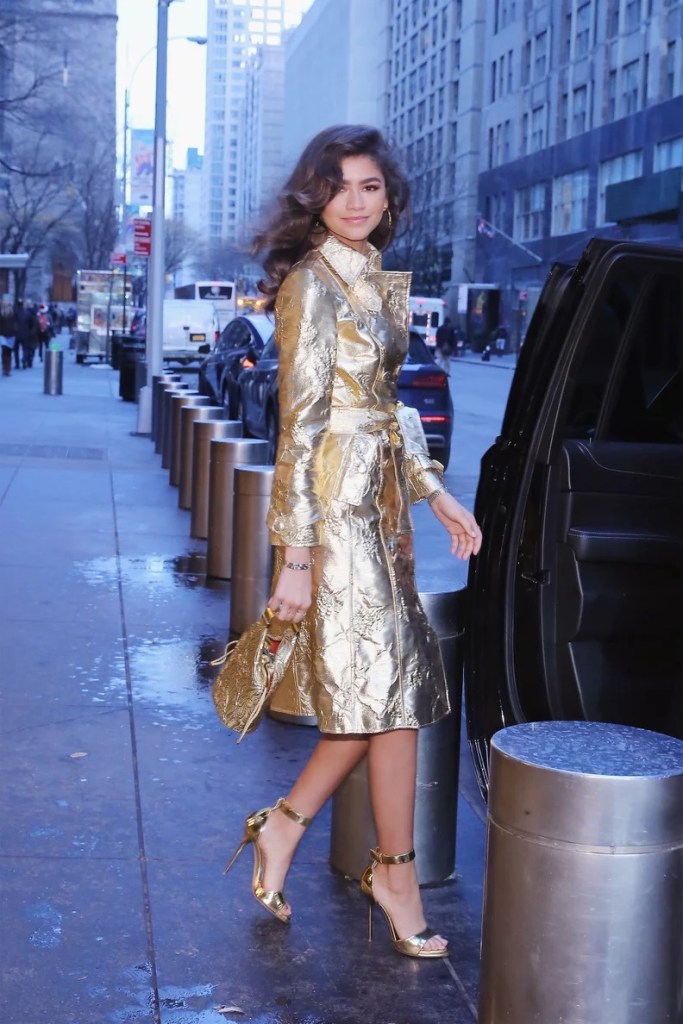
Does Gold Suit Every Skin Tone?
Yes, gold can suit every skin tone.
The idea that gold is only for warm complexions is too simplistic. Bright yellow gold may be especially harmonious with golden or peachy undertones, but cooler complexions can look beautiful in pale gold, champagne gold, antique gold or softly brushed finishes.
Neutral undertones usually have considerable flexibility and can wear both gold and silver. Olive skin can work with rich, bronzed and antique golds, while deep skin tones often create a striking contrast against everything from bright yellow gold to soft champagne metallics.
The question is not whether you can wear gold. It is which gold gives you the effect you want.
Some shades will blend naturally with your complexion and create a soft, harmonious look. Others will stand out more strongly and create deliberate contrast. Neither result is wrong.
Skin Tone and Undertone Are Not the Same Thing
Before choosing your best gold, it helps to separate skin tone from undertone.
Your skin tone describes the visible depth of your complexion. It may be fair, light, medium, tan, olive, brown or deep. Your skin tone can change slightly throughout the year due to sun exposure, skincare, makeup or self-tan.
Your undertone is the subtler colour beneath the surface of your skin. It generally remains more consistent.
The main undertone groups are:
- Warm: golden, peach, yellow or apricot tones
- Cool: pink, rosy, red or bluish tones
- Neutral: a balance of warm and cool tones
- Olive: a green, grey or muted golden quality that can sit across different skin depths
Fair skin is not automatically cool, just as deep skin is not automatically warm. You can have fair skin with golden undertones, deep skin with cool undertones or medium skin with a neutral or olive base.
This is why choosing gold according to skin depth alone often produces confusing advice.
How to Work Out Your Undertone
You do not need to pass a complicated colour-analysis test before wearing gold. You may already have a sense of which colours make your complexion look clear and which ones leave you looking tired.
A few observations can help.
Look at the Clothes That Flatter You
Warm undertones often look harmonious in cream, camel, rust, coral, warm red, olive, chocolate and mustard.
Cool undertones may feel more at home in crisp white, charcoal, cobalt, cool pink, berry, blue-red, lavender and icy pastels.
Neutral undertones can often move between warm and cool colours, particularly when the shades are not extremely yellow or blue.
Olive complexions may be flattered by earthy neutrals, burgundy, teal, cream, chocolate, warm white and rich jewel tones.
These are starting points rather than rigid rules. Personal contrast, hair colour, eye colour and the intensity of the shade also matter.
Our guide to wearing blue for every skin tone explains how undertone and colour intensity can change the way a shade behaves against your complexion.
Compare Gold Finishes
Stand near a window in natural daylight and hold different metal finishes close to your face.
Try comparing:
- Bright yellow gold
- Pale or champagne gold
- Antique gold
- Rose gold
- Silver or white gold
Rather than asking which one you are “allowed” to wear, look at what each finish does.
Does it make your skin look clearer? Does it emphasise redness? Does it make your eyes appear brighter? Does it disappear into your complexion, or create an attractive contrast?
You may discover that several metals work, but create different moods.
Notice Your Best White
The white clothing you prefer can offer another clue.
People who feel best in ivory, cream and warm white may lean warm or olive. Those who prefer crisp, blue-based white may lean cool. Neutral complexions may wear several shades successfully.
For a more detailed breakdown, read our complete guide to wearing white without looking washed out.
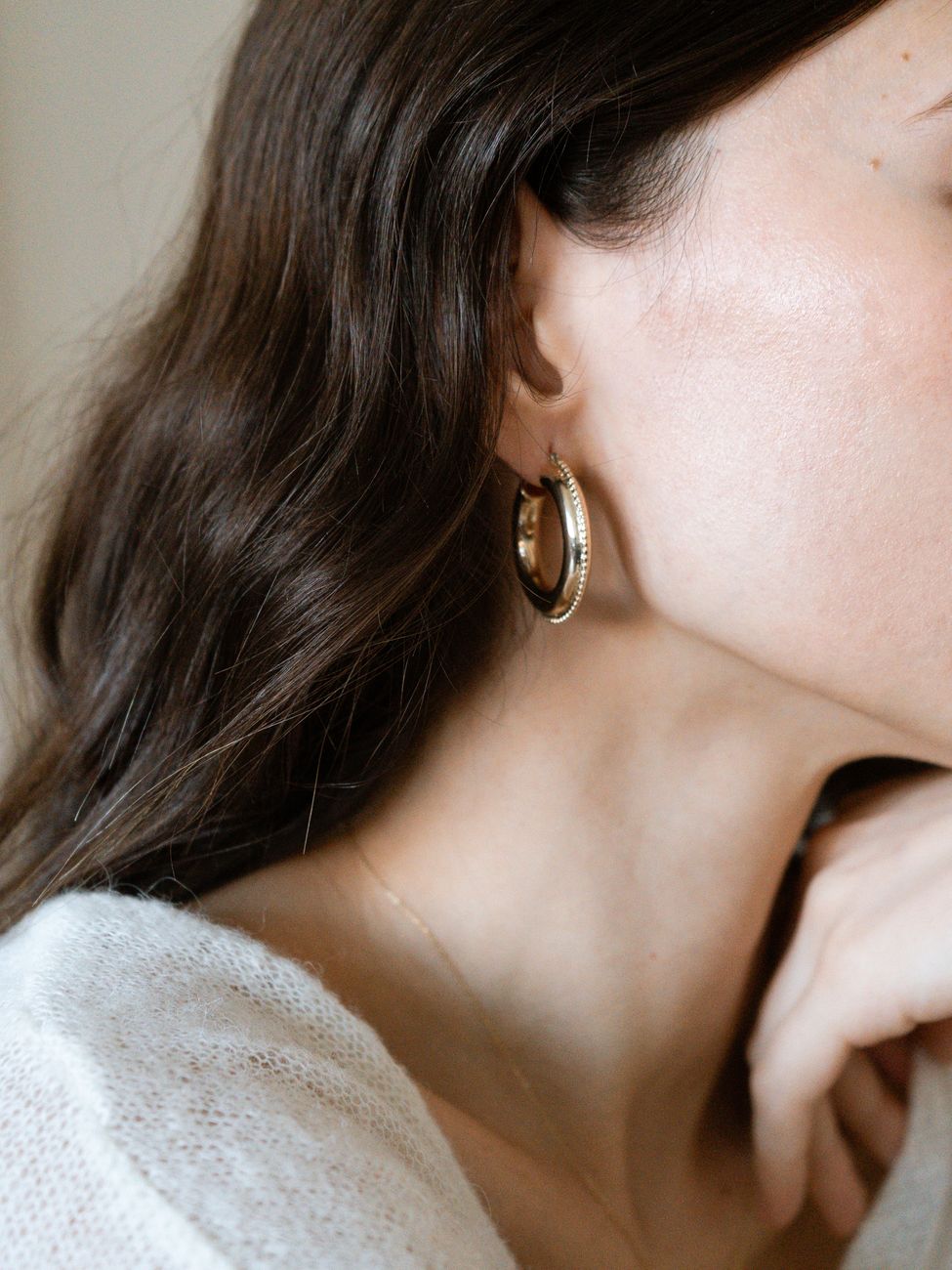
The Different Shades of Gold
Gold is often discussed as though it were one fixed colour, but the variations can be significant.
Bright Yellow Gold
Bright yellow gold has a saturated, sunny appearance. It creates warmth and has the strongest traditional gold look.
It is particularly striking against warm, golden, olive and deep complexions, but it can also create beautiful contrast against cool skin when worn intentionally.
Bright gold works well for:
- Hoop earrings
- Statement cuffs
- Chain necklaces
- Evening bags
- Bold buttons
- Hardware on shoes and belts
Because the colour is strong, a small amount can have considerable impact.
Pale Gold
Pale gold is softer and less yellow than traditional gold. It can sit somewhere between silver and yellow gold, making it an easy entry point for people who normally wear cooler metals.
Pale gold is flattering near the face because it reflects light without creating an overly warm cast. It works particularly well with soft neutrals, powder blue, blush, charcoal, ivory and dove grey.
Champagne Gold
Champagne gold has a muted, slightly beige or rosy quality. It feels softer than bright yellow gold and is one of the most versatile metallics.
It can be especially flattering on cool, neutral and low-contrast complexions because it adds warmth without becoming brassy. Champagne-gold shoes, evening bags and silky fabrics also tend to look refined rather than flashy.
Rose Gold
Rose gold combines gold with a pink or coppery appearance. Some versions are very subtle, while others lean strongly towards pink.
It often works beautifully with cool, neutral and rosy complexions. On warm skin, it can create a harmonious copper-toned effect.
Rose gold is easy to wear through fine jewellery, watches, delicate chains and small earrings. It also pairs naturally with blush, burgundy, cream, grey and chocolate.
Antique Gold
Antique gold has a darker, aged or muted appearance. It is less reflective than polished yellow gold and often contains brown, bronze or slightly green tones.
This finish works particularly well with olive skin, deeper complexions and warm autumnal colouring. It can also be flattering on cool skin when paired with rich colours such as navy, charcoal or burgundy.
Antique gold feels especially appropriate for:
- Textured earrings
- Vintage-inspired necklaces
- Buckles
- Brooches
- Decorative buttons
- Embellished evening bags
Brushed or Matte Gold
Brushed gold has a soft, non-reflective surface. It is an excellent choice when polished gold feels too bright or formal.
The lower shine makes it easier to combine with casual clothing such as denim, knitwear, linen and cotton. It also works well in larger pieces because it does not reflect as much light as a glossy finish.
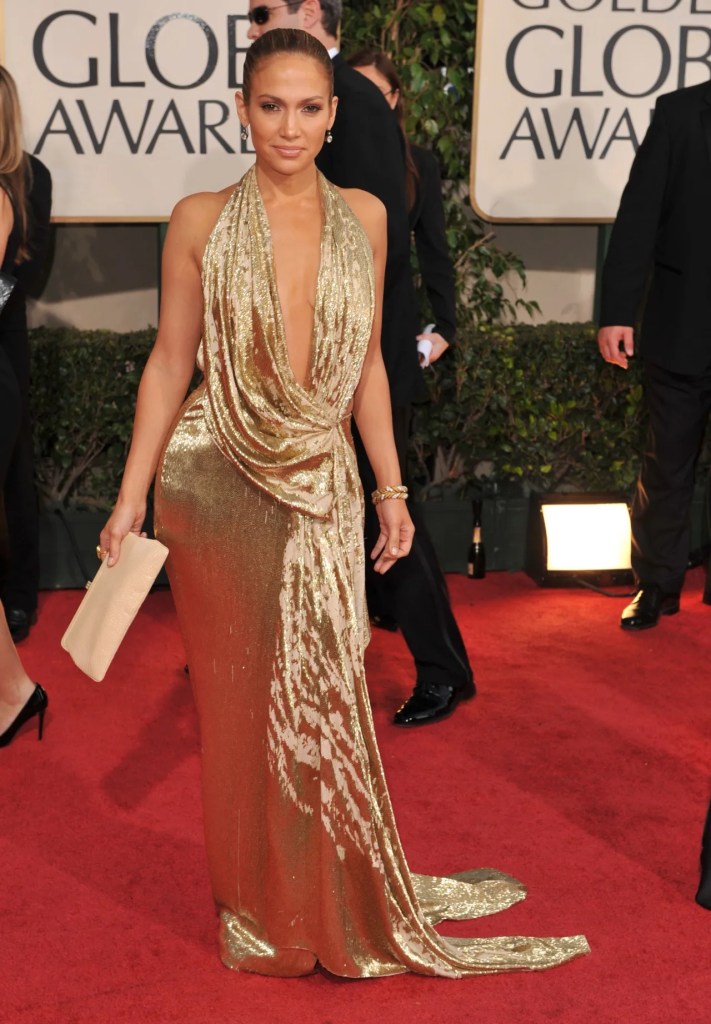
The Best Gold for Warm Undertones
Warm undertones naturally echo the yellow, peach and golden qualities found in traditional gold.
The most harmonious options are usually:
- Rich yellow gold
- Buttery gold
- Bronze gold
- Coppery gold
- Warm rose gold
- Antique gold
Bright yellow-gold jewellery can bring out the warmth in your skin, particularly when it is worn close to the face. Try medium or large hoop earrings, a chain necklace or a pair of sculptural studs.
Warm complexions can also carry stronger gold tones in clothing and accessories. Metallic sandals, gold hardware, a woven bag with gold details or a gold evening top can all work without overwhelming the skin.
Colours to Wear With Gold on Warm Skin
Pair gold with colours that continue the warmth:
- Cream
- Camel
- Chocolate
- Terracotta
- Coral
- Tomato red
- Olive
- Mustard
- Warm navy
- Peach
- Turquoise
For a polished everyday combination, wear a cream knit with chocolate trousers and a gold necklace. For evening, try an olive or rust dress with gold earrings and warm brown accessories.
The Best Gold for Cool Undertones
Cool undertones do not need to avoid gold. The key is often choosing a gold that is less intensely yellow, particularly when the metal sits close to the face.
Flattering options can include:
- Pale gold
- Champagne gold
- Rose gold
- Soft brushed gold
- White gold with yellow-gold details
- Antique gold with a neutral base
Champagne gold is particularly useful because it provides the warmth of gold without creating a strong yellow contrast against pink or bluish skin.
Fine jewellery is another easy approach. A delicate pale-gold chain, small huggie earrings or a watch with mixed-metal details can introduce gold without dominating the complexion.
Cool skin can also make bright yellow gold look deliberately dramatic. A bold gold cuff worn with black, navy or cobalt can feel editorial rather than mismatched.
Colours to Wear With Gold on Cool Skin
Try pairing gold with:
- Crisp white
- Navy
- Charcoal
- Black
- Cobalt
- Burgundy
- Cool pink
- Lavender
- Emerald
- Icy blue
- Blue-based red
A navy blazer with a white shirt and small gold hoops creates a classic contrast. A berry-toned dress with champagne-gold shoes feels softer and more romantic.
Our guide to the best shade of pink for every skin tone can help you find a pink that works naturally with your preferred gold finish.
The Best Gold for Neutral Undertones
Neutral undertones usually sit comfortably between warm and cool metals.
You may be able to wear:
- Yellow gold
- Pale gold
- Champagne gold
- Rose gold
- Antique gold
- White gold
- Mixed metals
The deciding factor may be your clothing rather than your complexion. Warm outfits can be finished with yellow or antique gold, while cool outfits may work better with champagne gold, white gold or mixed-metal jewellery.
Neutral skin also suits layered jewellery because several metal tones can look intentional rather than conflicting.
Try combining:
- A fine yellow-gold chain with a white-gold pendant
- Gold hoops with a silver watch
- A mixed-metal ring stack
- A gold bracelet beside a stainless-steel timepiece
Repeating each metal at least once can help the combination feel deliberate.
The Best Gold for Olive Skin
Olive skin can have warm, cool or neutral qualities, but it often has a muted green, grey or golden cast. Some very bright yellow golds can exaggerate the yellow or green in the complexion, while richer and more dimensional finishes tend to sit beautifully against it.
Particularly flattering options include:
- Antique gold
- Bronze
- Brushed yellow gold
- Deep champagne gold
- Coppery rose gold
- Rich traditional gold
Textured metals can be more flattering than extremely glossy finishes because their variation complements the natural complexity of olive skin.
Olive complexions often look striking in gold paired with cream, burgundy, chocolate, teal, rust, black, warm white and deep red.
Try a cream silk shirt with dark denim and antique-gold earrings, or a burgundy dress with brushed gold jewellery.
How to Wear Gold on Fair Skin
Fair skin can be warm, cool or neutral, so undertone remains more important than skin depth. However, the scale and brightness of the gold can affect the overall balance.
Fine or pale gold creates a soft effect against fair skin. Champagne gold and rose gold are also easy to wear because they do not produce an extremely sharp contrast.
For a stronger look, choose one substantial gold piece rather than many small pieces. A sculptural earring, cuff bracelet or gold-buckled belt can look more modern than several delicate items worn together.
Try:
- Pale-gold hoops with a blue knit
- A fine gold necklace with a white shirt
- Champagne-gold shoes with a navy dress
- A brushed gold cuff with a black sleeveless top
- Rose-gold earrings with soft pink or burgundy
Fair skin does not require tiny jewellery. The proportion should suit your features, outfit and personal style rather than your complexion alone.
How to Wear Gold on Medium and Tan Skin
Medium and tan complexions often work well with a broad spectrum of golds. Bright yellow gold creates warmth, while pale and champagne gold can produce a quieter, more understated effect.
Try rich gold for jewellery worn against bare skin, including layered necklaces, cuffs and hoop earrings. Antique gold also works well with earthy colours and textured fabrics.
Particularly effective combinations include:
- Gold with white linen
- Gold with black
- Gold with denim
- Gold with chocolate brown
- Gold with coral
- Gold with turquoise
- Gold with olive
- Gold with deep navy
A white shirt worn open at the neck with layered gold chains is simple but polished. For more ideas, see our guide to styling a white shirt for work, weekends and evenings.
How to Wear Gold on Deep Skin
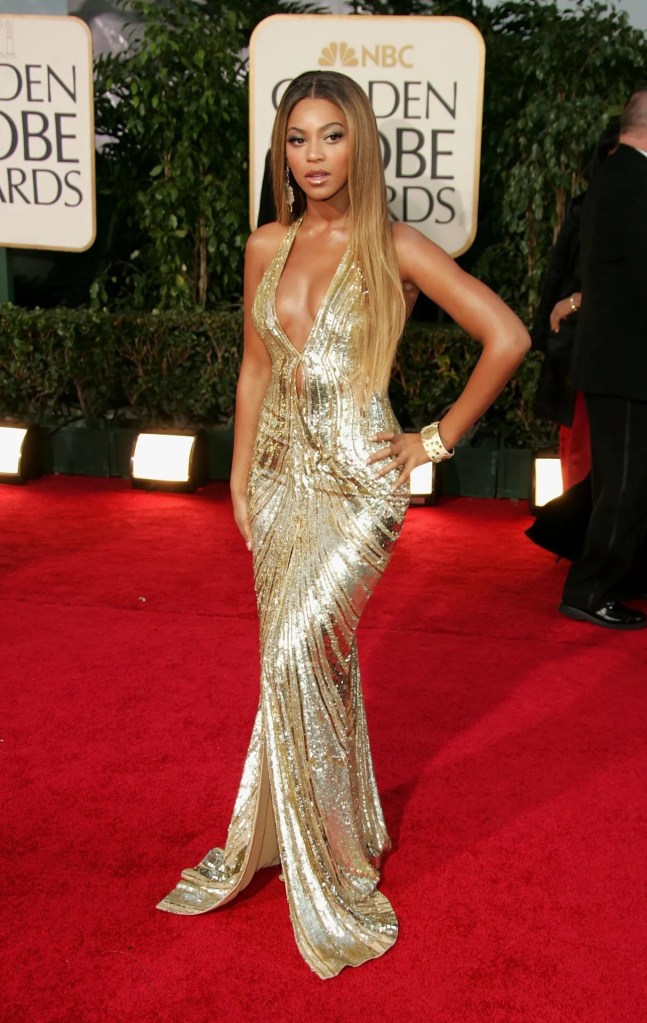
Gold looks striking against deep skin because the contrast allows the metal to appear especially luminous.
Bright yellow gold, rich antique gold, bronze and champagne tones can all work beautifully. The choice depends on whether you want the jewellery to stand out boldly or create a softer glow.
Larger pieces are particularly effective:
- Wide cuffs
- Sculptural earrings
- Collar necklaces
- Layered chains
- Statement rings
- Gold watch bands
Pale champagne gold can create an elegant, understated contrast, while polished yellow gold makes a stronger statement.
Colours that work especially well with gold on deep skin include:
- Optic white
- Cobalt
- Emerald
- Fuchsia
- Red
- Orange
- Yellow
- Cream
- Chocolate
- Black
- Deep purple
An all-white outfit with bold gold earrings is timeless. A cobalt dress with a gold cuff feels vibrant, while a chocolate monochrome outfit with layered gold chains creates a rich tonal effect.
How to Choose Gold Jewellery for Your Features
Your complexion is only one part of choosing jewellery. Scale, shape and placement can be just as important.
Gold Earrings
Earrings sit close to the face, so they have an immediate effect on your appearance.
Small hoops and studs create a subtle glow. Large hoops, drops and sculptural earrings produce stronger contrast and can become the focus of an outfit.
When your clothing has a high neckline, statement earrings may be more effective than a necklace. With open necklines, small hoops can balance layered chains without creating too much visual competition.
Gold Necklaces
The neckline of your clothing should guide the length of your necklace.
A fine chain works well with crew-neck tops, open shirts and simple dresses. Longer pendants suit V-necks, knits and flowing silhouettes. Chunky chains can add structure to soft clothing such as silk, jersey or fine knitwear.
Layered gold necklaces look most balanced when there is visible space between each chain. Choose varying lengths rather than several necklaces that sit in the same position.
Gold Rings
Rings are one of the easiest ways to wear gold because they sit away from the face.
You can wear a gold ring regardless of whether silver is technically more flattering near your complexion. Rings are also an easy place to mix metals, stones and different finishes.
Combine a plain band with a textured ring, signet or coloured stone rather than choosing several identical designs.
Gold Bracelets and Watches
A gold cuff can make a simple sleeveless dress or shirt feel more finished. Fine bracelets create a quieter effect and can be worn beside a watch.
When mixing a watch with bracelets, vary the scale. A substantial watch usually looks better with one or two finer bracelets than with several equally heavy pieces.
For jewellery that earns a permanent place in your wardrobe, see our guide to five classic jewellery pieces that stand the test of time.
How Much Gold Jewellery Should You Wear?
There is no fixed limit, but repetition and balance matter.
A simple outfit can carry more jewellery than a heavily printed or embellished one. A black dress, white shirt or plain knit provides a clean background for layered chains, rings or statement earrings.
When your clothing already includes gold buttons, sequins, metallic thread or ornate hardware, you may need less additional jewellery.
A useful approach is to choose a focal point:
- Statement earrings with no necklace
- Layered necklaces with small earrings
- A bold cuff with simple rings
- A gold watch with minimal additional jewellery
Matching every item exactly can make an outfit feel overly coordinated. Mixing fine and substantial pieces usually produces a more relaxed result.
How to Mix Gold and Silver Jewellery
Mixing metals is not a mistake. It can make jewellery feel more personal and less formal.
The easiest method is to choose one dominant metal and use the other as an accent. For example, wear mostly gold necklaces with a silver watch, or silver earrings with a gold ring stack.
You can also use a mixed-metal piece to connect everything. A two-tone watch, ring or chain gives the combination an obvious reason.
To keep mixed metals intentional:
- Repeat each metal at least once
- Combine similar levels of shine
- Keep the overall style consistent
- Avoid matching every piece perfectly
- Use one substantial item to anchor finer jewellery
Gold and silver do not need to appear in equal amounts.
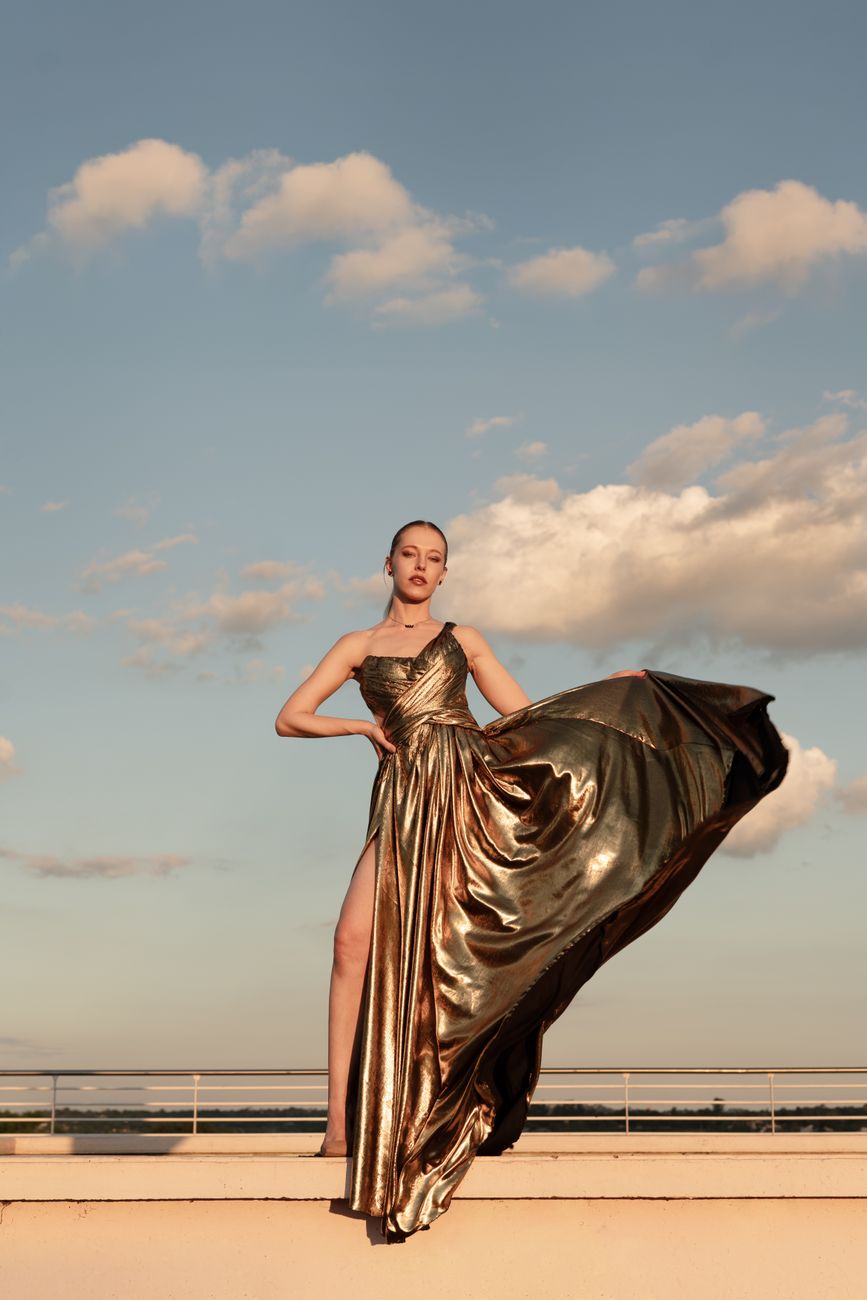
How to Wear Metallic Gold Clothing
Gold clothing creates more impact than gold jewellery, so fabric and finish become especially important.
A soft champagne satin looks very different from bright gold sequins. One feels fluid and understated, while the other is designed to be noticed.
Gold Tops
A gold top is easiest to wear with simple trousers or denim.
Try:
- A champagne silk camisole with black trousers
- A brushed-gold knit with dark denim
- A metallic shirt with a cream skirt
- A gold evening top under a black blazer
Keep the rest of the outfit relatively quiet and let the texture provide the interest.
Gold Dresses
A gold dress does not require matching gold shoes, jewellery and a bag. Too much repetition can flatten the look.
Instead, add contrast with:
- Black heels
- Chocolate accessories
- Nude or skin-toned sandals
- Burgundy shoes
- A cream coat
- Minimal jewellery
The closer the gold dress sits to your face, the more important its particular shade becomes. Warm complexions may prefer rich yellow gold, while cool or neutral complexions may feel better in champagne, rose or pale gold.
Gold Skirts and Trousers
Metallic separates are surprisingly versatile because they are worn away from the face.
A gold skirt can be paired with a white T-shirt, grey knit, black shirt or oversized blazer. Metallic trousers can work with a fine black knit, crisp white shirt or simple tank.
Treat gold as a neutral rather than trying to introduce several additional colours.
How to Wear Gold Accessories
Gold accessories are an easy way to introduce the colour without committing to metallic clothing.
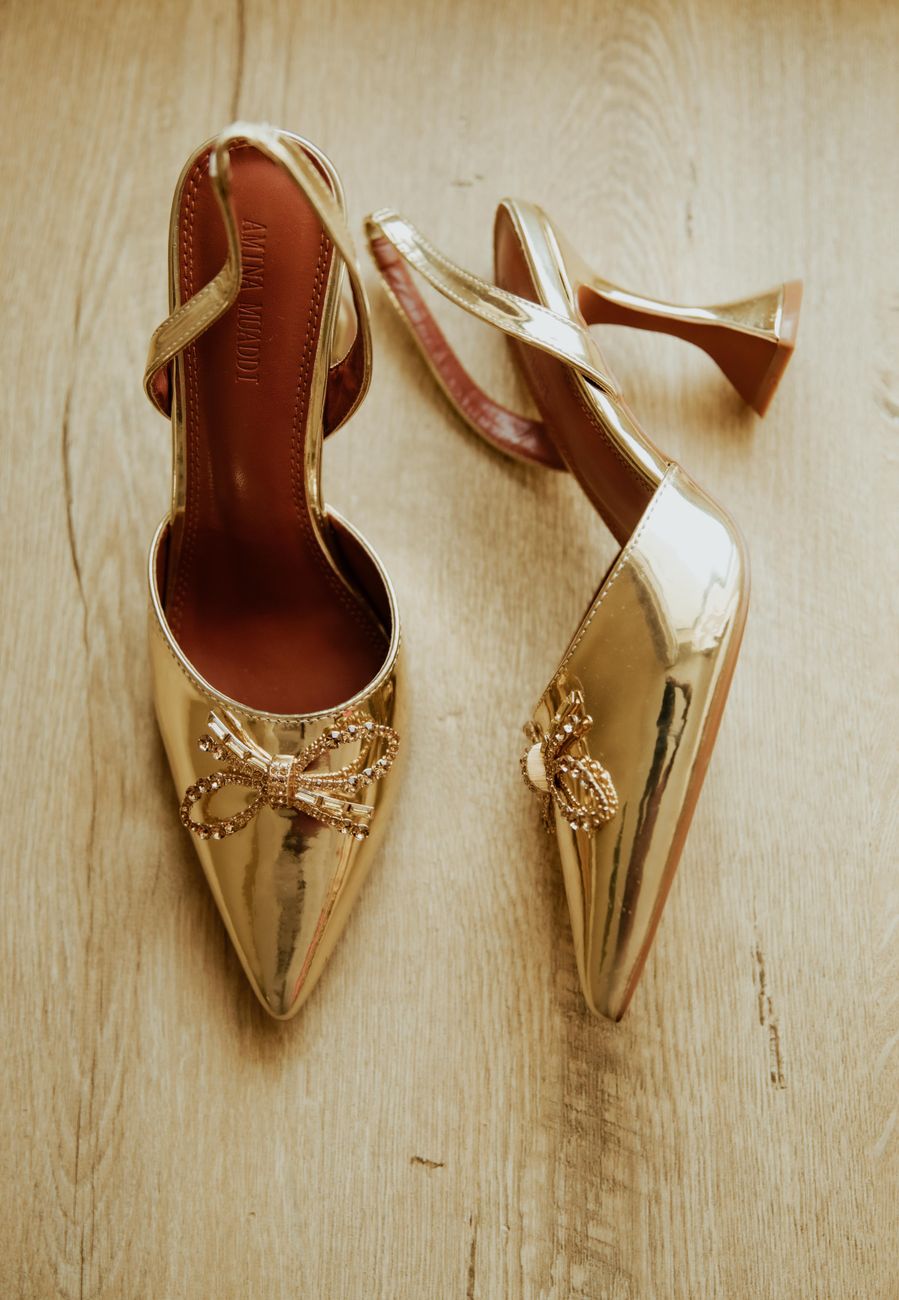
Gold Shoes
Gold shoes can work almost like a warm neutral.
They pair well with:
- White
- Cream
- Navy
- Black
- Denim
- Red
- Green
- Pink
- Chocolate
- Printed dresses
A pale or champagne-gold shoe is usually more versatile for daytime, while bright metallic gold feels more evening-focused.
Gold Bags
A small gold bag can update clothing you already own. Wear it with a black dress, white suit, navy jumpsuit or colourful printed dress.
For daytime, choose muted metallic leather, woven textures or brushed hardware rather than a highly reflective finish.
Gold Belts
A gold buckle creates enough shine to make a simple outfit feel considered.
Try a gold-buckled belt with jeans and a white shirt, a black dress, tailored trousers or a neutral blazer. The belt does not need to match your jewellery exactly.
The Best Clothing Colours to Wear With Gold
Gold is more versatile than it appears. It can function as a warm neutral and sit alongside both soft and saturated colours.
Gold and Black
Black gives gold a clean, dramatic background. The combination works particularly well for evenings, but small gold details can also soften everyday black outfits.
Try black trousers, a black knit and gold earrings, or a simple black dress with a sculptural cuff.
Gold and White
White makes gold appear fresh rather than heavy. Bright white creates strong contrast, while ivory and cream produce a softer tonal effect.
Wear a white shirt with gold jewellery, a cream suit with a metallic bag or white linen with gold sandals.
Gold and Navy
Navy and gold feel polished without being as stark as black and gold. This combination is ideal for workwear, evening dressing and classic wardrobes.
A navy blazer, cream top and gold hoops will remain relevant long after more complicated outfit formulas have dated.
Gold and Blue
Gold warms cooler blues and can make them feel more luxurious. Pale blue works well with champagne gold, while cobalt and royal blue can handle stronger yellow gold.
Gold and Pink
Blush and rose tones work naturally with champagne and rose gold. Fuchsia and magenta create a bolder contrast against bright yellow gold.
Gold and Green
Olive, sage, emerald and forest green all pair beautifully with gold.
Olive and antique gold feel earthy, while emerald and polished gold create a richer evening combination.
Gold and Brown
Chocolate, tan and camel bring out the warmth in gold. This is an excellent combination for autumn, office dressing and tonal wardrobes.
A chocolate dress with gold jewellery can look just as elegant as black, but often feels softer.
Gold and Red
Gold works with warm tomato red, deep burgundy and cooler blue-based reds. The intensity of the combination makes it particularly effective for evening or event dressing.
How to Make Gold Look Modern
Gold can sometimes feel formal, vintage or overly glamorous. The styling around it determines whether it looks current.
To modernise gold:
- Pair it with denim
- Wear one bold piece rather than a full matching set
- Combine polished gold with casual fabrics
- Choose sculptural or irregular shapes
- Mix gold with silver
- Wear metallic pieces with simple tailoring
- Use matte or brushed finishes during the day
- Pair gold with chocolate, grey, navy or white
A chunky gold earring with a plain grey knit often looks more modern than delicate gold jewellery worn with an ornate dress.
The same principle applies to building a polished wardrobe more broadly. Our guide to looking expensive on a normal budget explains why restraint, fit and thoughtful accessories usually have more impact than obvious labels.
Common Mistakes When Wearing Gold
Assuming Gold Must Match Exactly
Your earrings, necklace, belt buckle and bag hardware do not need to be identical. Slight variation often makes an outfit feel more natural.
Wearing Too Many Statement Pieces
A heavy necklace, large earrings, stacked cuffs and several bold rings can compete for attention. Choose one or two main areas and let the others remain quieter.
Ignoring the Finish
A shade of gold may be flattering, but the finish can still feel wrong for the outfit. Highly polished gold looks dressier, while brushed and antique finishes work more easily with casual clothing.
Choosing Gold Based Only on Skin Depth
Fair skin is not always cool, and deep skin is not always warm. Undertone and contrast provide more useful information than skin depth alone.
Saving Gold for Special Occasions
Gold works beautifully during the day. Small hoops, a watch, a fine necklace, gold-buckled loafers or a metallic flat can add warmth without making an outfit feel formal.
Building Gold Into a Capsule Wardrobe
Gold does not need to appear throughout your entire wardrobe. A small collection of versatile pieces can cover most occasions.
Consider starting with:
- A pair of medium gold hoops
- A fine chain necklace
- A simple gold ring
- A watch or bracelet
- A belt with gold hardware
- Metallic flats or sandals
- A small evening bag
Choose pieces that work with clothing you already own. Gold is most useful when it complements your wardrobe rather than requiring a new set of outfits around it.
For a practical approach to choosing clothes and accessories that work together, read How to Build a Wardrobe From Scratch.
Frequently Asked Questions
Does gold suit cool skin tones?
Yes. Cool skin tones can wear gold, particularly pale gold, champagne gold, rose gold and soft brushed finishes. Bright yellow gold can also look striking when used as a deliberate contrast.
What skin tone looks best in gold?
Gold can suit every skin tone. Warm skin may harmonise easily with yellow and bronze gold, while cool skin can be flattered by pale, champagne or rose gold. Neutral and olive complexions can often wear several gold finishes.
Is gold or silver better for pale skin?
It depends on the skin’s undertone rather than how pale it is. Fair, cool skin may prefer pale gold, rose gold or silver, while fair, warm skin may look especially harmonious in yellow gold. Personal preference and the colours in your outfit also matter.
What gold is best for olive skin?
Antique gold, bronze, brushed yellow gold and deep champagne gold often work beautifully with olive skin. Textured or slightly muted finishes can complement olive complexions particularly well.
What gold looks best on deep skin?
Deep skin can carry bright yellow gold, champagne gold, antique gold and bronze. Polished gold creates strong contrast, while softer champagne finishes produce a more understated glow.
Can you wear gold and silver together?
Yes. Mixed metals can make an outfit feel modern and personal. Use one metal as the dominant tone, repeat each metal at least once or add a mixed-metal watch or ring to connect the pieces.
Can I wear gold jewellery every day?
Simple gold hoops, chains, rings, bracelets and watches can all be incorporated into everyday outfits. Pair them with denim, knitwear, white shirts, tailoring and casual dresses rather than saving them only for evening.
Does gold jewellery have to match bag and shoe hardware?
No. Hardware does not need to match exactly. Repeating a similar metal once or twice can create cohesion, but small variations generally look natural.
Can I wear gold clothing during the day?
Yes. Choose subtle metallics, matte finishes and simple silhouettes. A champagne knit, metallic flat, gold skirt or brushed-gold bag can work during the day when paired with denim, cotton, linen or understated tailoring.
What colour clothes look best with gold jewellery?
Gold works particularly well with white, cream, black, navy, blue, green, pink, red, chocolate, camel and denim. The most flattering combination will depend on your undertone and the shade of gold.
Where to Next
Continue building a wardrobe around colours and accessories that genuinely flatter you.
Learn how to wear blue for every skin tone, from soft powder blue and denim to cobalt, teal and timeless navy.
Discover how to wear white without looking washed out, including the difference between optic white, ivory, cream and ecru.
Find the best shade of pink for your skin tone, whether you prefer blush, coral, rose, berry or fuchsia.
Build a more useful collection of clothes with The Grown-Up Guide to Building a Wardrobe From Scratch.
Finally, invest in accessories you will wear for years with our guide to five classic jewellery pieces that stand the test of time.




Leave a comment