
There is something different about finding a great vintage piece.
It is not the same feeling as clicking “add to cart” on something that has just appeared online. A good vintage find has a little history behind it. It may have better fabric than what is currently on the high street, a silhouette that has quietly returned to fashion, or a level of craftsmanship that is surprisingly difficult to find today.
But vintage shopping can also be overwhelming.
One rail might contain a beautiful wool coat, a dated polyester dress, a perfect leather handbag and something that should probably have stayed in 1987.
So how do you know what is actually worth buying?
The secret is to stop shopping vintage purely for the thrill of finding something unusual. Instead, shop like a fashion editor.
Look for fabric before labels. Construction before trends. Fit before fantasy. And most importantly, look for pieces that can genuinely become part of the wardrobe you already have.
The best secondhand purchase is not necessarily the oldest, rarest or most expensive piece.
It is the one you cannot stop thinking about because you already know exactly how you are going to wear it.
Why Vintage Shopping Is Worth Learning
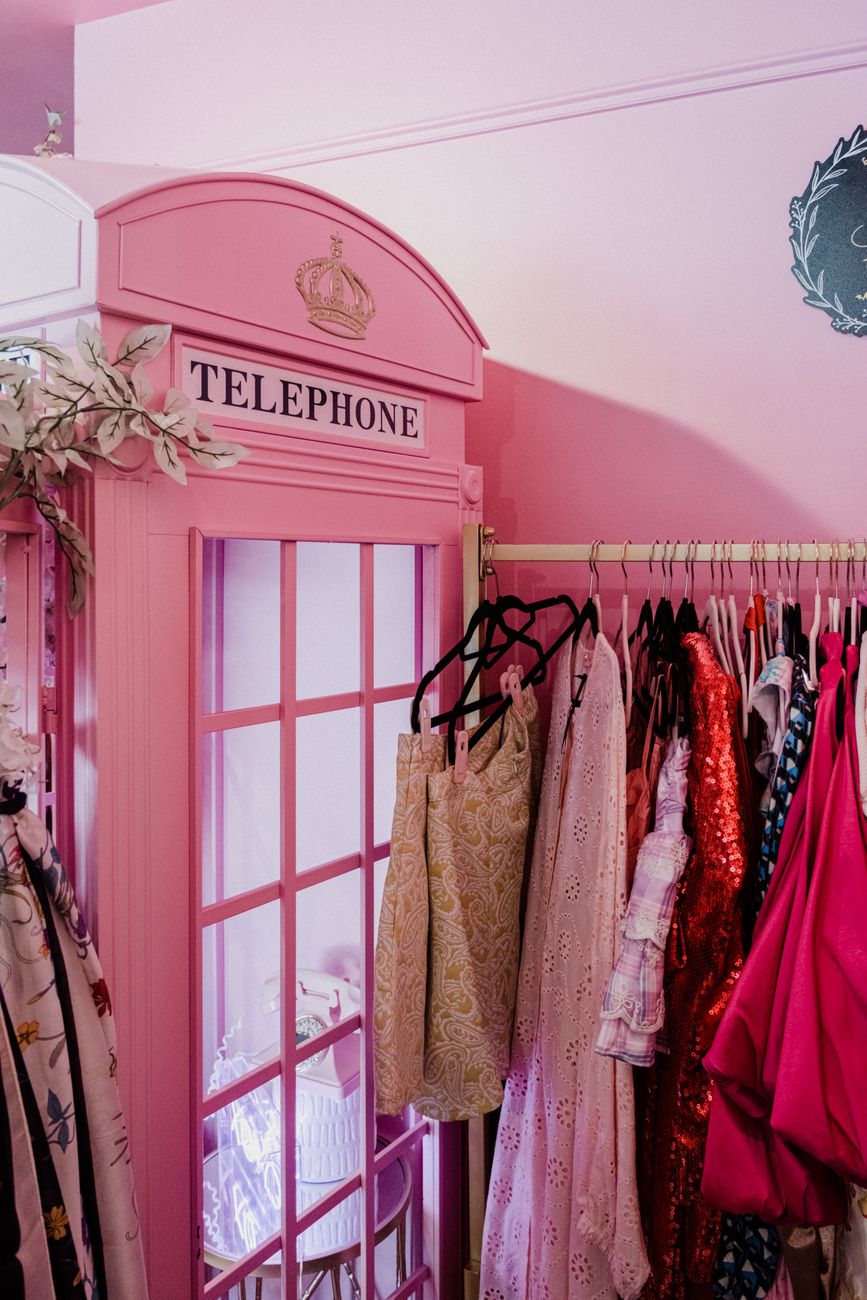
Secondhand shopping can offer something that modern retail often cannot, variety.
You may find an Italian leather bag beside a beautifully tailored wool blazer, an unusual silk scarf, a vintage belt with an incredible buckle or a coat in a colour that simply is not being produced this season.
There is also the quality factor.
Older garments were often made with substantial fabrics, careful stitching and construction techniques that can be harder to find at accessible prices today.
That does not mean everything old is automatically better.
It means vintage shopping rewards a different kind of attention.
Instead of asking, “Is this fashionable?”
Ask:
Is this well made?
Does it fit my style?
Will I still want to wear it in five years?
Can I style it with what I already own?
That shift in thinking is what separates a great vintage wardrobe from a wardrobe full of random secondhand finds.
If your current wardrobe needs more structure before you start shopping, our guide to The Classic Wardrobe 101, The Timeless Pieces Every Woman Should Own is a useful place to begin. It focuses on building a foundation of pieces that work together rather than constantly buying something new.
What Makes Something Worth Buying Vintage?
A vintage piece is worth considering when it has at least one of these qualities.
Exceptional fabric.
Beautiful construction.
A timeless silhouette.
A distinctive detail.
Excellent condition.
A versatile colour.
A strong connection to your personal style.
Ideally, it has several.
A beautiful vintage coat in excellent wool, for example, can be a much better purchase than a trendy vintage dress you will only wear once.
Think about cost per wear rather than the excitement of the find.
If you can imagine wearing something twenty times, it is already a more interesting purchase.
The Fashion Editor’s First Rule: Check the Fabric
Before looking at the label, look at the fabric.
Turn the garment inside out.
Hold it up to the light.
Touch it.
Look closely at the weave.
Natural fibres such as wool, cashmere, silk, linen and cotton can be particularly worthwhile secondhand because good-quality versions often age beautifully.
That does not mean synthetic fabrics should automatically be rejected.
Some vintage synthetics have fantastic structure and can be extremely wearable.
The point is to understand what you are buying rather than assuming that a designer label automatically means quality.
Vintage Wool Is One of the Best Things to Buy
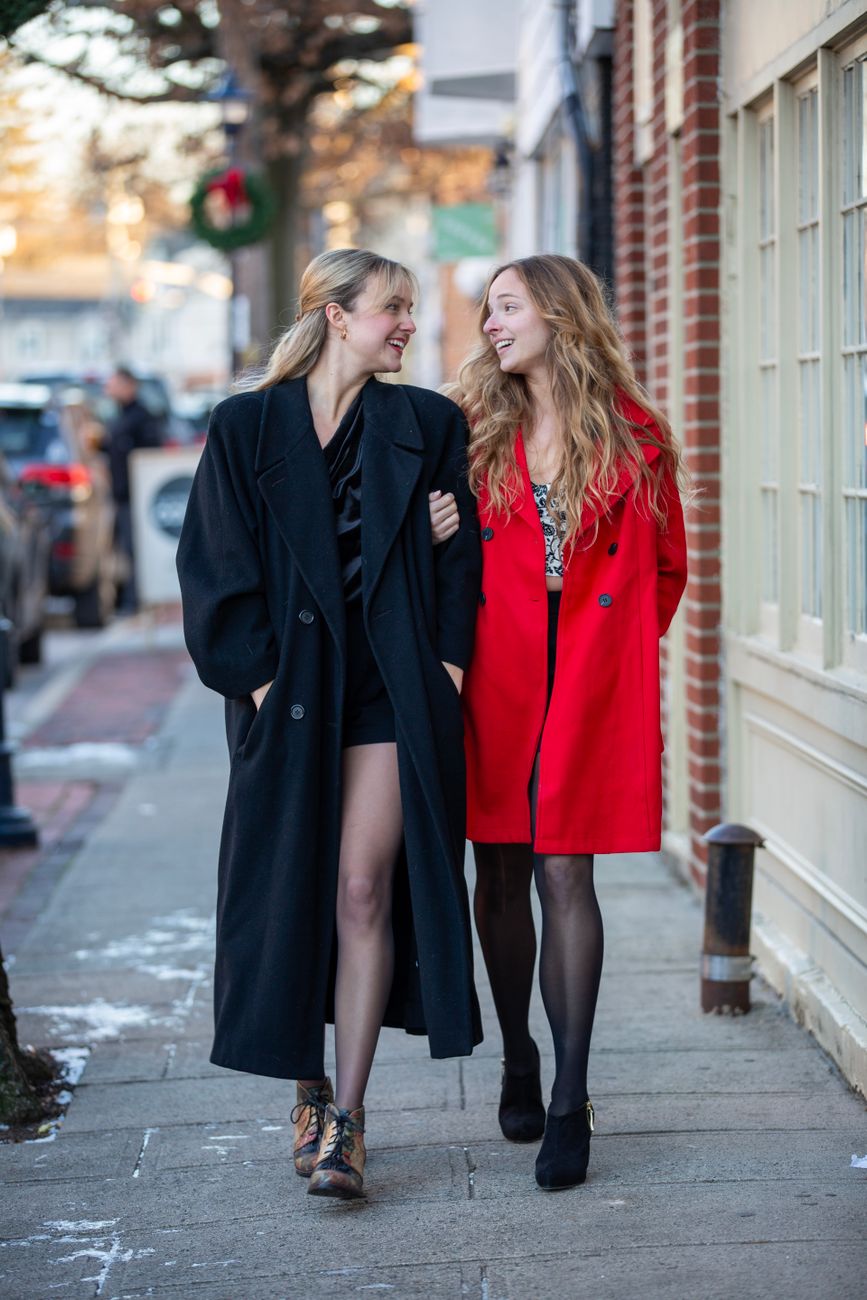
A beautifully made wool coat or blazer can be one of the smartest secondhand purchases.
Look for:
Dense fabric.
Strong seams.
A good lining.
Minimal moth damage.
A clean collar.
Functional buttons.
A silhouette that still feels relevant.
Classic colours such as camel, charcoal, navy, chocolate brown and black are particularly easy to integrate into a modern wardrobe.
A vintage wool coat can instantly make jeans and a simple knit feel considered.
Vintage Leather Bags Are Worth Hunting For
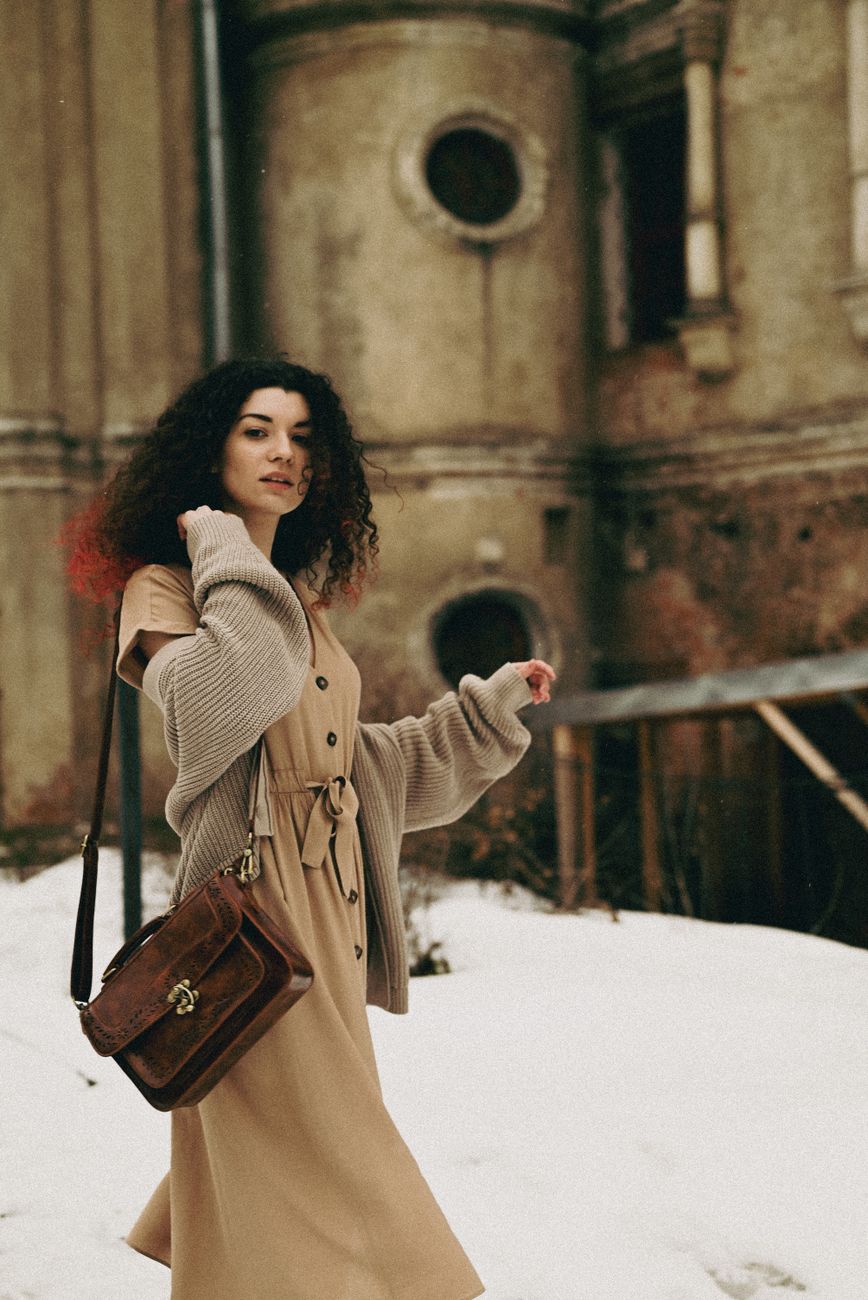
One of the best categories for vintage shopping is leather accessories.
A well-made leather handbag can become more beautiful with age, particularly when the leather develops a natural patina.
Look for:
Real leather.
Strong handles.
Good stitching.
Functional hardware.
A clean interior.
Minimal cracking.
A shape that works with your lifestyle.
Do not become too focused on designer names.
An unbranded vintage leather bag with beautiful construction can be far more interesting than a recognisable logo bag in poor condition.
And because accessories can completely transform a simple outfit, vintage bags can be an easy way to introduce personality without changing your entire wardrobe.
For more ideas on making accessories work harder, read How to Accessorise Like a Stylist, Jewellery, Bags, Belts and Shoes That Complete an Outfit.
Vintage Belts Can Transform a Modern Wardrobe
Belts are small enough to experiment with and useful enough to justify the purchase.
Look for leather belts with interesting buckles, beautiful stitching or unusual textures.
A vintage belt can completely change the feeling of:
Straight-leg jeans.
Tailored trousers.
A simple dress.
An oversized blazer.
A long cardigan.
You do not necessarily need a statement belt.
Sometimes a beautifully worn brown leather belt is all an outfit needs.
The Vintage Scarf Trick
Silk scarves are another excellent secondhand find.
They take up almost no wardrobe space but can be styled in countless ways.
Wear one:
Around your neck.
On a handbag.
In your hair.
As a belt.
Around the handle of a tote.
Over a simple knit.
Look for interesting prints and colours rather than simply buying whatever looks “vintage”.
A scarf should still work with your existing wardrobe.
Vintage Jewellery Is Where You Can Have More Fun
Jewellery is one area where you can be much more adventurous.
A vintage brooch, chain, pendant, cocktail ring or pair of earrings can add personality to otherwise simple clothing.
You do not need to build an entire vintage look.
In fact, that can make an outfit feel costume-like.
Instead, mix one vintage piece with contemporary clothing.
Try a vintage brooch on a modern blazer.
Wear vintage earrings with a simple white shirt.
Add an old gold pendant to a minimalist knit.
The contrast makes the piece feel intentional.
If you are unsure which jewellery tones suit you, How to Wear Gold for Every Skin Tone, The Complete Guide to Finding Your Most Flattering Shade can help you think about colour and metal more strategically.
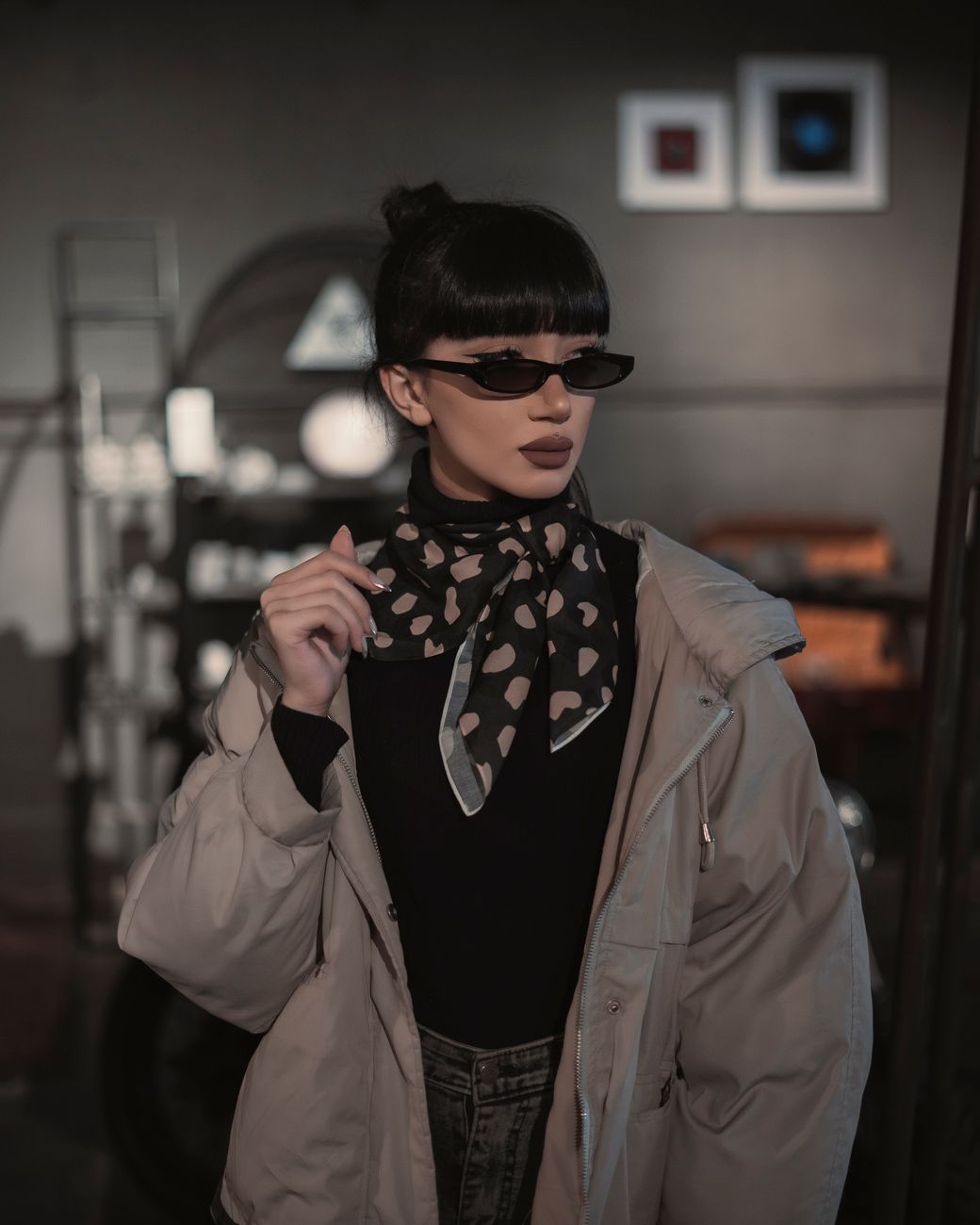
The Vintage Blazer Is Almost Always Worth Investigating
How to Shop Vintage Online
Look for:
Strong shoulders.
Good wool or cotton.
A beautiful lining.
Interesting buttons.
A flattering length.
A clean lapel.
The biggest thing to check is the shoulder fit.
Shoulders are difficult and expensive to alter, so if they sit beautifully, you have already won half the battle.
Do not worry if the blazer is slightly oversized.
A vintage blazer can look incredibly modern when paired with straight-leg jeans, a simple T-shirt and contemporary shoes.
For more inspiration, see How to Style a Black Blazer, 15 Chic Outfit Ideas That Always Work.
Vintage Denim Can Be Better Than New
Denim is another category worth exploring secondhand.
Older denim can have beautiful fading and character that takes years to develop naturally.
Look for:
Strong denim.
Minimal thinning.
Good seams.
A flattering rise.
A shape you can actually wear.
Do not buy jeans purely because they are “vintage”.
Fit still matters.
If the waist is wrong, the rise feels uncomfortable or you dislike the silhouette, the fact that they are from another decade will not make you wear them.
Vintage Dresses: Choose Carefully
Vintage dresses can be beautiful, but they require more thought than accessories or outerwear.
A dress that looks incredible on a hanger may have an awkward fit once worn.
Check:
The shoulders.
The waist.
The bust.
The length.
The lining.
The fabric.
The seams.
The condition.
Also ask whether you genuinely have somewhere to wear it.
A beautiful dress that spends five years hanging in your wardrobe is not a successful purchase.
When a Vintage Print Is Worth Buying
Vintage prints can be one of the easiest ways to make your wardrobe feel distinctive.
Look for colours that still work with your existing pieces.
A floral print in muted colours can feel timeless.
A geometric print can feel modern.
A classic stripe can work almost indefinitely.
Very specific novelty prints can be fun, but they are harder to style and more likely to feel costume-like.
What You Should Probably Skip
Not everything vintage deserves to come home with you.
Be cautious with:
Strong odours.
Moth holes.
Major staining.
Broken zippers.
Extensive fabric thinning.
Peeling faux leather.
Damaged elastic.
Missing lining.
Severe alterations.
Poorly repaired seams.
If a garment needs significant restoration, calculate the total cost before buying.
A £20 vintage coat that requires £100 of alterations is no longer a £20 coat.
Be Careful With “Vintage” as a Selling Point
The word vintage has become a powerful marketing tool.
Something being old does not automatically make it valuable, stylish or well made.
A piece can be vintage and still be badly constructed.
It can also be vintage and completely wrong for your wardrobe.
Do not let the label make the decision for you.
How to Check a Vintage Garment Like an Editor
Before buying, turn the garment inside out.
Look at the seams.
Are they neat?
Are there loose threads?
Does the lining sit correctly?
Check the underarms.
Look around the neckline.
Inspect the cuffs.
Look at the hem.
Check buttons and zippers.
Then turn it right side out and examine the overall shape.
This takes less than two minutes and can save you from buying something that looks beautiful until you get it home.
Check for Hidden Damage
Some problems are easy to miss.
Hold the garment near a window or bright light.
Look for:
Tiny holes.
Thinning fabric.
Discolouration.
Water marks.
Fading.
Weak seams.
Pay particular attention to areas that experience friction.
Underarms, elbows, seat areas and collars can reveal how heavily a piece has been worn.
How to Know If the Fit Can Be Altered
A good tailor can transform a vintage garment.
But not everything is worth altering.
Usually, simple changes such as shortening sleeves, adjusting hems or taking in a waist are relatively straightforward.
Major shoulder alterations, changing the rise of trousers or completely reshaping a garment can be far more complicated.
When in doubt, buy for the best fit at the shoulders and overall structure.
Everything else is secondary.
How to Make Vintage Pieces Look Modern
The easiest way to wear vintage without looking like you are dressed for a different decade is to mix old and new.
Try:
Vintage blazer + modern denim + sleek flats.
Vintage silk scarf + simple knit + tailored trousers.
Vintage leather bag + contemporary coat.
Vintage jewellery + minimalist dress.
Vintage belt + straight-leg jeans + modern shirt.
Vintage coat + clean sneakers.
The contrast is what makes the outfit feel current.
This is also why you do not need an entirely vintage wardrobe.
One great piece can be enough.
The Rule of Three for Vintage Shopping
Before buying something, think of three ways you could wear it.
If you cannot come up with three outfits, pause.
For example, a vintage silk blouse might work with:
Straight-leg jeans + loafers.
Tailored trousers + heels.
A midi skirt + ballet flats.
That is a good sign.
A dramatic sequinned dress that only works for one very specific event is a different proposition.
It may still be worth buying if you love it, but it should be an intentional purchase rather than an impulse.
Shop for Your Real Life
One of the easiest mistakes in fashion shopping is buying for an imaginary lifestyle.
You see a beautiful vintage evening coat and imagine glamorous dinners every weekend.
But if you mostly work from home and spend your weekends casually dressed, it may never leave the wardrobe.
Before buying, ask:
Where will I wear this?
What do I actually do during the week?
Does this work with my existing shoes?
Can I style it for more than one occasion?
A wardrobe should support your real life.
If you are currently struggling with this, What to Wear When Nothing Feels Right, A Practical Style Reset for Your Wardrobe is a useful companion guide.
Where to Shop Vintage
Vintage shopping does not have to mean spending hours digging through crowded rails.
Try:
Local vintage boutiques.
Charity shops.
Estate sales.
Flea markets.
Vintage fairs.
Online resale platforms.
Consignment stores.
Specialist vintage dealers.
Each has a different advantage.
Boutiques tend to be more curated but often cost more.
Markets can offer better prices but require more patience.
Online shopping offers enormous choice but makes checking condition and fit more difficult.
How to Shop Vintage Online
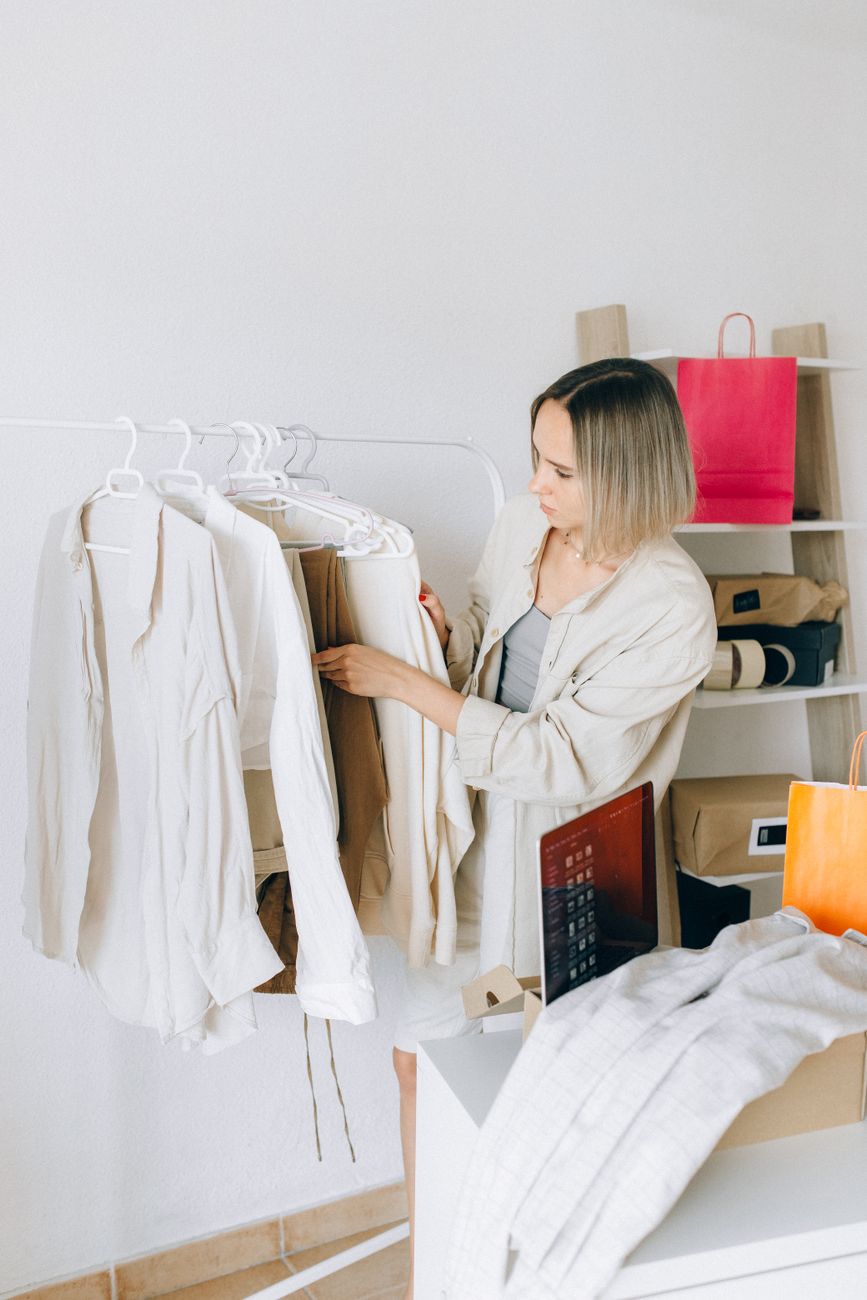
Online vintage shopping requires a slightly different approach.
Always check measurements rather than relying on the labelled size.
Vintage sizing has changed dramatically over time.
Ask for additional measurements if they are not provided.
Check photographs carefully.
Look for close-ups of fabric, seams, labels and damage.
Read the description thoroughly.
And if the seller has a strong reputation with detailed listings, that is a good sign.
How Much Should You Pay for Vintage?
There is no universal price for vintage.
Value depends on:
Condition.
Fabric.
Age.
Construction.
Designer.
Rarity.
Demand.
Wearability.
A £30 vintage wool blazer you wear twice a week can be better value than a £300 designer piece you rarely touch.
Think in terms of cost per wear.
That is a much more useful measure than simply asking whether something is “expensive”.
When a Designer Label Actually Matters
A designer label can be meaningful when it indicates quality, craftsmanship or collectability.
But do not assume every designer vintage piece is automatically worth buying.
Check the actual garment.
Is the fabric beautiful?
Is the construction excellent?
Is it in good condition?
Does it fit?
Would you want it if the label had been removed?
That last question is particularly useful.
If the answer is no, you may be buying the name rather than the piece.
How to Build a Vintage Capsule
You do not need hundreds of vintage pieces.
Start with a few categories that naturally fit your style.
A vintage leather bag.
A wool blazer.
A silk scarf.
A classic belt.
A piece of jewellery.
A beautiful coat.
A pair of well-fitting denim.
Then stop.
Let those pieces integrate into your wardrobe before buying more.
This approach is much more effective than buying ten vintage items simply because they are affordable.
For anyone interested in a more intentional wardrobe, The Best Basics to Buy Once and Keep Forever is a useful reminder that longevity matters more than constantly replacing your wardrobe.
How to Care for Vintage Clothing
Buying vintage is only half the story.
Care properly and your secondhand pieces can last for years.
Read care labels where available.
Air garments between wears.
Avoid unnecessary washing.
Store knitwear folded.
Use good-quality hangers for structured pieces.
Keep leather conditioned.
Store delicate garments away from direct sunlight.
And repair small problems before they become major ones.
A loose button is easy to fix.
A completely damaged seam is another story.
The Biggest Vintage Shopping Mistakes
Buying Something Because It Is Cheap
A cheap garment is not a bargain if you never wear it.
Buying Something Because It Is Rare
Rarity does not equal personal style.
Ignoring Fabric
A beautiful silhouette cannot compensate for fabric that feels unpleasant or fragile.
Buying the Wrong Size
Do not convince yourself that you will magically wear something that does not fit.
Trying to Create a Full Vintage Look
A wardrobe full of pieces from the same era can easily become costume-like.
Mix decades.
Mix textures.
Mix vintage with contemporary pieces.
Buying Too Much Too Quickly
Vintage shopping can become addictive because every piece feels unique.
Slow down.
The best wardrobes are edited.
A Fashion Editor’s Vintage Shopping Checklist
Before buying, ask:
Do I love the piece without knowing the label?
Is the fabric good?
Is the construction strong?
Is it in good condition?
Does it fit properly?
Can it be altered if necessary?
Can I create at least three outfits with it?
Does it work with my current wardrobe?
Would I still want it if it were not labelled vintage?
Will I still want to wear it in five years?
If you can answer yes to most of these questions, you may have found something genuinely special.
The Best Vintage Pieces to Buy Secondhand
If you want the shortest possible list, start here.
1. Wool Coats
Look for excellent fabric, classic colours and strong construction.
2. Leather Bags
Prioritise quality leather and condition over logos.
3. Silk Scarves
Easy to wear and surprisingly versatile.
4. Leather Belts
Especially beautiful when they have developed natural character.
5. Wool Blazers
A strong vintage blazer can transform everyday outfits.
6. Jewellery
Perfect for adding personality without overwhelming your wardrobe.
7. Denim
Look for excellent fabric and a genuinely flattering fit.
8. Classic Shirts
Especially silk, cotton and beautifully structured button-downs.
9. Timeless Dresses
Choose simple silhouettes that can be styled in several ways.
10. Sunglasses
A great vintage-inspired shape can completely change an outfit, but check lenses and condition carefully.
Frequently Asked Questions
What is the best thing to buy vintage?
Coats, leather bags, belts, silk scarves, jewellery, blazers and quality denim are among the best categories because good examples can offer excellent materials, construction and character.
How do I know if vintage clothing is good quality?
Look at the fabric, seams, lining, buttons, zippers and overall construction. A good-quality garment should feel substantial and well finished.
Is vintage clothing worth the money?
It can be, especially when you buy a well-made piece that you will wear frequently. Cost per wear is more important than the original price.
How can I tell if something is genuinely vintage?
Look at the label, construction, fabric, hardware and overall design. However, age alone does not determine whether something is worth buying.
Should vintage clothes fit perfectly?
Ideally, yes, particularly around the shoulders and overall structure. Minor alterations can often improve the fit, but major changes may not be worthwhile.
Is it better to buy vintage designer pieces?
Not necessarily. A beautiful unbranded vintage garment can be a better purchase than a designer piece in poor condition. Judge the actual garment first.
How do I wear vintage without looking old-fashioned?
Mix one vintage piece with modern clothing. A vintage blazer with contemporary denim or a vintage bag with a modern dress can create a balanced, current look.
What vintage fabrics should I look for?
Wool, silk, linen, cotton and quality leather can be particularly worthwhile. Always assess the actual condition and construction rather than relying on the fabric name alone.
Should I buy vintage clothes that need repairs?
Only if the repair is realistic and the total cost still makes sense. Calculate alterations and restoration costs before buying.
How do I shop vintage online?
Check measurements carefully, inspect photographs for damage, read descriptions thoroughly and ask sellers for additional details when necessary.
Where’s Next?
If you are ready to make your entire wardrobe more intentional, start with How to Build a Wardrobe From Scratch, The Grown-Up Guide to Clothes You Actually Wear. It is the natural next step when you want to understand what your wardrobe actually needs before buying more.
If your wardrobe already feels too full, How to Rebuild Your Wardrobe After 40, A Grown-Up Guide to Dressing With Confidence offers a thoughtful approach to letting go of pieces that no longer reflect your current life and style.
For anyone who wants the polished effect of a well-edited wardrobe without spending heavily, How to Look Expensive on a Normal Budget explores the details that make an outfit feel elevated, from fit and fabric to colour and styling.
If you love the idea of buying less but making every purchase work harder, How to Build a Capsule Wardrobe on a Budget is a practical guide to creating a smaller wardrobe without sacrificing personal style.
And if your next step is learning how to make those carefully chosen pieces work together, How to Layer Clothes Like a Fashion Stylist is a great way to add depth, texture and personality to your outfits.
The Final Word
The best vintage shopping is not really about finding something old; it is about finding something good. A beautifully made wool coat, a leather bag softened with age, a silk scarf in colours you cannot stop thinking about, a perfectly worn belt or a piece of jewellery that completely changes a simple outfit are the kinds of finds worth bringing home. Shop slowly, look closely and ignore the pressure to discover something every time you browse. The goal is not to make your wardrobe look vintage, but to make it feel more personal. When you find the right secondhand piece, it rarely feels like something from another era. It feels as though it was simply waiting for you.



Leave a Reply