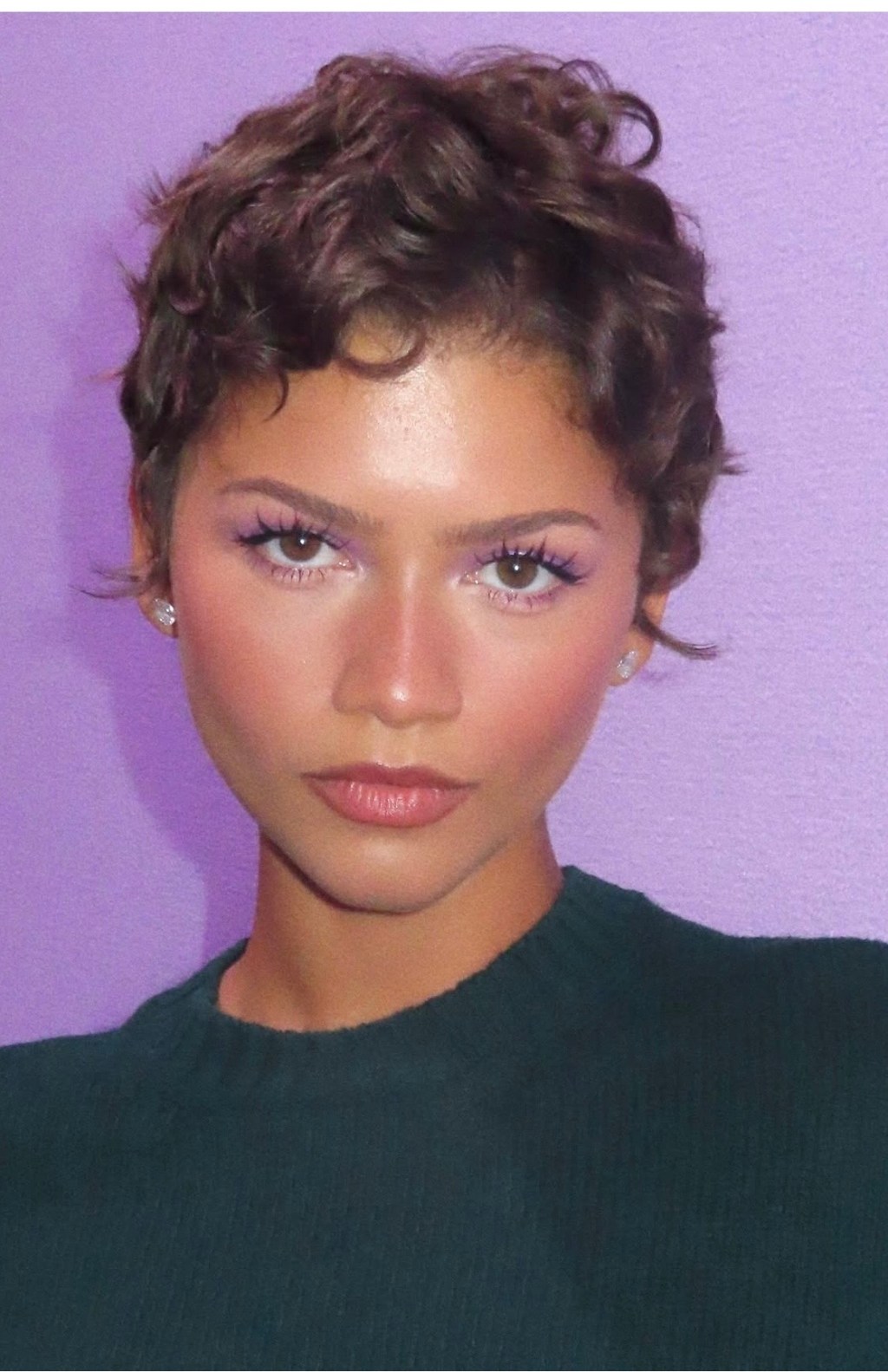
Few haircuts feel as transformative as a pixie cut. It can look sharp, elegant, cool, feminine, and unexpectedly sophisticated, often all at once. It also has a way of making everything else about your look feel more intentional, from your jewellery to your makeup to the neckline of your clothes.
That is probably why the pixie cut keeps returning.
Every few seasons, another wave of celebrities, models and fashion insiders cuts their hair short and suddenly the question comes back again: would a pixie cut suit me?
The answer is rarely as simple as having the “right” face shape.
A flattering pixie cut is usually the result of several things working together, including your facial proportions, hair texture, density, features, lifestyle and, most importantly, the exact version of the pixie you choose.
There is a huge difference between a soft, wispy pixie and a very short cropped cut. A longer pixie with sweeping fringe can behave almost like a short bob, while a close crop exposes the face much more dramatically.
So before taking several inches off your hair, here is how to work out whether a pixie cut is likely to suit you, and which version might work best.
What Exactly Is a Pixie Cut?
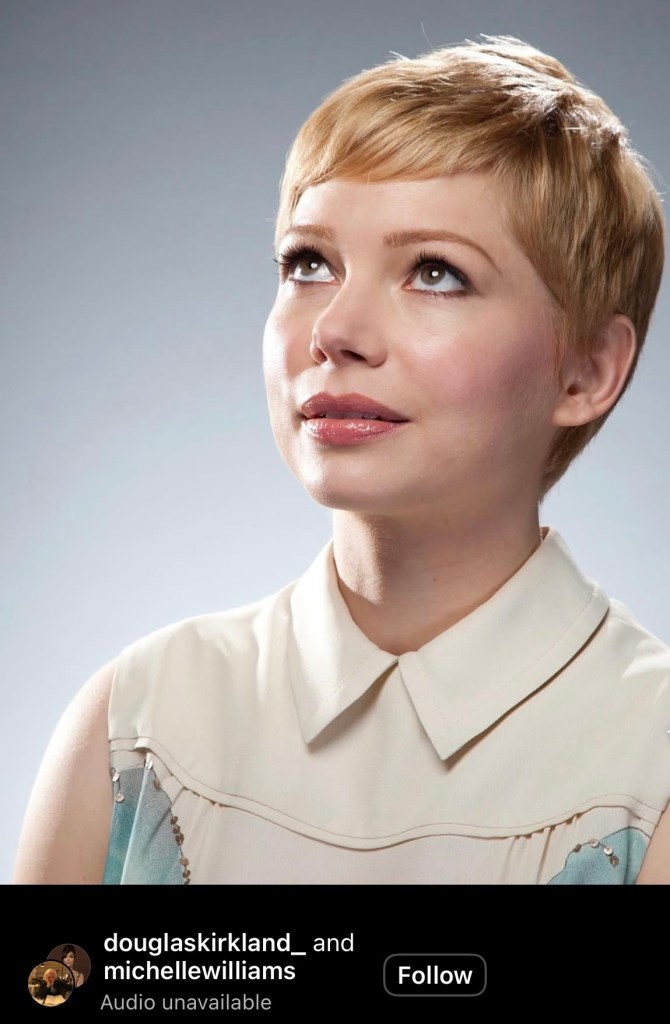
A pixie cut is a short hairstyle that is generally cropped around the sides and back, with slightly more length through the top.
Within that basic definition, however, there are countless variations.
A pixie can be:
- Soft and feathered
- Sleek and sculpted
- Tousled and textured
- Very short and close-cropped
- Longer through the fringe
- Asymmetrical
- Curly
- Shaggy
- Side-parted
- Slicked back
- Grown into a bixie, somewhere between a bob and a pixie
This matters because someone who dislikes a severe micro-pixie may look fantastic in a longer, softer version.
When deciding whether short hair will suit you, think less about whether you are “a pixie person” and more about which pixie proportions will work with your face, hair and style.
Will a Pixie Cut Suit My Face Shape?
Face shape can be useful, but it should be treated as a guide rather than a rule.
Hair does not sit on a two-dimensional face. Your bone structure, forehead, jawline, cheekbones, neck length and even the placement of your features all affect the way a short haircut looks.
A good stylist will usually adjust the haircut rather than rule it out entirely.
Oval Faces
Oval faces are often considered particularly adaptable because their proportions are relatively balanced.
Most pixie shapes can work, including:
- Very short crops
- Slick pixies
- Textured styles
- Longer side-swept pixies
- Pixies with micro fringes
If your face is oval but quite long, avoid adding excessive height through the crown unless you specifically want to exaggerate that length.
A softer fringe or slightly fuller sides can create more balance.
Round Faces
A pixie cut can look incredibly flattering on a round face.
The trick is generally to create a little height and structure rather than keeping the hair equally full all around.
Look for:
- More volume through the crown
- Slightly shorter sides
- An asymmetrical fringe
- A deep side part
- Textured pieces around the forehead
These elements can visually lengthen the face.
A very rounded, bowl-like pixie can emphasise fullness, while a more directional shape tends to create sharper lines.
Square Faces
Square faces often have a defined jawline, which can look especially striking with short hair.
You can either emphasise that structure or soften it.
For a stronger look, try:
- A close crop
- Slick styling
- Short sides
- Minimal fringe
For something softer, look for:
- Piecey layers
- Side-swept fringe
- Gentle texture
- Slightly longer sections around the temples
The contrast between a strong jaw and a soft pixie can be particularly beautiful.
Heart-Shaped Faces
Heart-shaped faces usually have more width around the forehead and cheekbones with a narrower chin.
Pixies tend to work very well because they naturally draw attention toward the eyes and cheekbones.
Try:
- Side-swept fringe
- Soft texture
- Slight fullness around the temples
- A longer layered top
If you have a particularly broad forehead, a fringe can help balance proportions without hiding your face completely.
Long or Oblong Faces
A pixie can absolutely work on a longer face, but proportion becomes important.
Very high volume on top can visually lengthen the face further.
Instead, consider:
- A longer fringe
- Side-swept pieces
- Fuller sides
- A softer silhouette
- Less height at the crown
A longer pixie or bixie can also be a good bridge if you are unsure about going extremely short.
Diamond Faces
Diamond faces tend to have strong cheekbones with a narrower forehead and jaw.
Short hair can highlight this beautifully.
A pixie with softness around the forehead and temples can balance the cheekbones, while a cleaner crop will emphasise them.
Both approaches can work depending on the effect you want.
Your Features Matter More Than Face Shape
One of the biggest myths around pixie cuts is that you need tiny or perfectly symmetrical features.
You do not.
Short hair simply removes some of the framing that longer hair provides, which means facial features become more visible.
That can include:
- Eyes
- Brows
- Cheekbones
- Jawline
- Lips
- Nose
- Ears
- Neck
Rather than asking whether your features are “good enough” for a pixie, ask whether you are comfortable making them more noticeable.
For some people, that is exactly the appeal.
A strong nose, prominent cheekbones or a defined jaw can become even more striking with short hair.
A pixie can also make subtle features appear stronger because there is less hair competing for attention.
Does Forehead Size Matter?
It can influence which pixie works best, but it rarely determines whether you can wear one.
If you have a high forehead, try:
- Side-swept fringe
- Soft curtain-like pieces
- A textured fringe
- A longer pixie
If you have a smaller forehead, an exposed hairline or shorter fringe may create more visual space.
Again, this is less about correcting your face and more about balancing proportions.
Does Hair Texture Matter?
Yes, but almost every texture can work with some version of a pixie.
The important question is how much styling you want to do.
Straight Hair
Straight hair tends to show the shape of a pixie very clearly.
It works particularly well for:
- Sleek crops
- Graphic shapes
- Side-parted pixies
- Longer fringes
- Minimal, polished cuts
Fine straight hair can often gain visual volume from a shorter cut because there is less weight pulling it down.
Wavy Hair
Naturally wavy hair can create one of the easiest pixie textures.
A slightly longer cut allows the wave to move naturally and gives the style an undone feel.
Ask for enough length through the top for your natural bend to remain visible.
Curly Hair
Curly pixies can look fantastic, but the stylist needs to understand curl shrinkage and pattern.
A curly pixie may be:
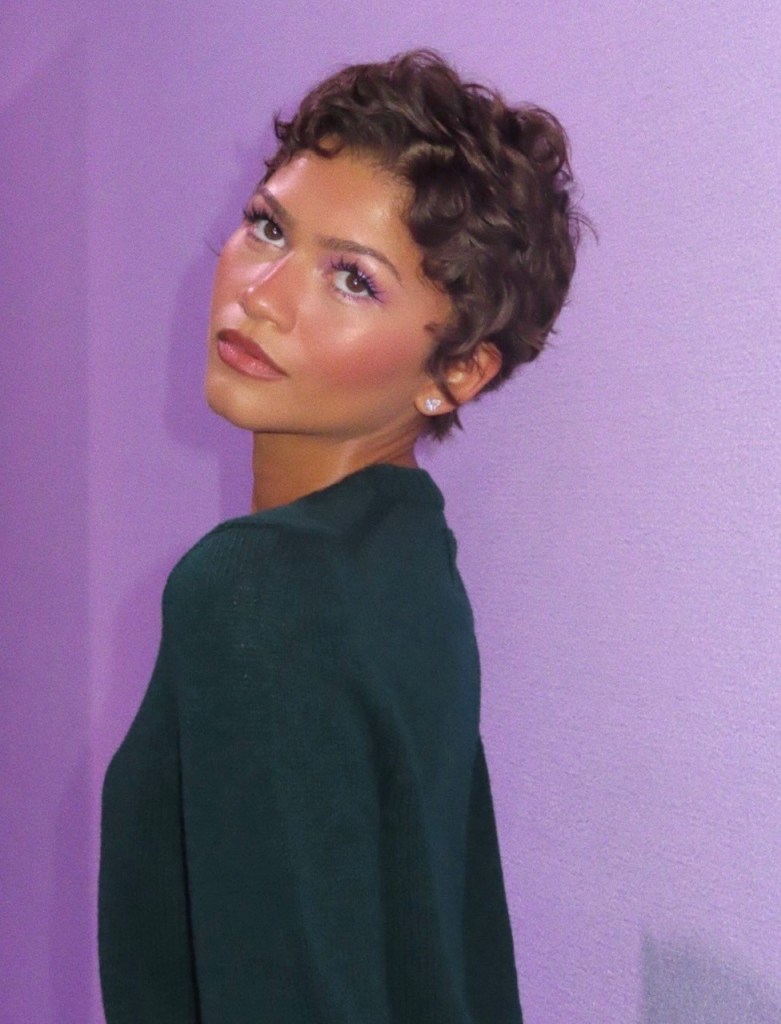
- Soft and rounded
- Tapered
- Voluminous through the crown
- Closely cropped around the sides
- Longer and more textured on top
Do not assume curly hair needs to be straightened to make a pixie work.
The natural texture can actually become the defining feature of the haircut.
Coily Hair
Short natural cuts can be exceptionally striking and can range from close crops to sculptural tapered shapes.
Because coil patterns vary significantly, shape and density matter more than generic pixie rules.
A stylist experienced with textured hair is particularly important here.
What If Your Hair Is Very Fine?
Fine hair can be surprisingly well suited to a pixie.
Longer fine hair can sometimes appear thinner because the weight pulls it flat.
Removing length can create:
- More lift
- More movement
- Greater visual density
- Stronger shape
A textured pixie can make fine hair appear much fuller.
The main consideration is avoiding excessive thinning or razor work if your hair is already sparse.
What If Your Hair Is Very Thick?
Thick hair also works well, but it needs thoughtful shaping.
Without enough internal layering or weight removal, a short cut can become bulky.
A stylist may use:
- Internal layers
- Graduation
- Tapering
- Strategic weight removal
The goal is usually to preserve movement without making the hair puff outward.
Consider Your Hairline Before Going Very Short
Your hairline becomes much more visible with a pixie.
Look at:
- Cowlicks
- Widow’s peaks
- Growth direction
- Receding areas
- Strong temple growth
- Double crowns
None of these automatically rule out a pixie.
They simply influence the cut.
For example, a cowlick near the forehead may work beautifully with a textured fringe but fight against a perfectly flat micro fringe.
A good hairdresser should work with your natural growth pattern rather than constantly forcing it in the opposite direction.
The Neckline Test
Short hair exposes your neck and shoulders much more than long hair.
This can completely change the visual balance of your outfits.
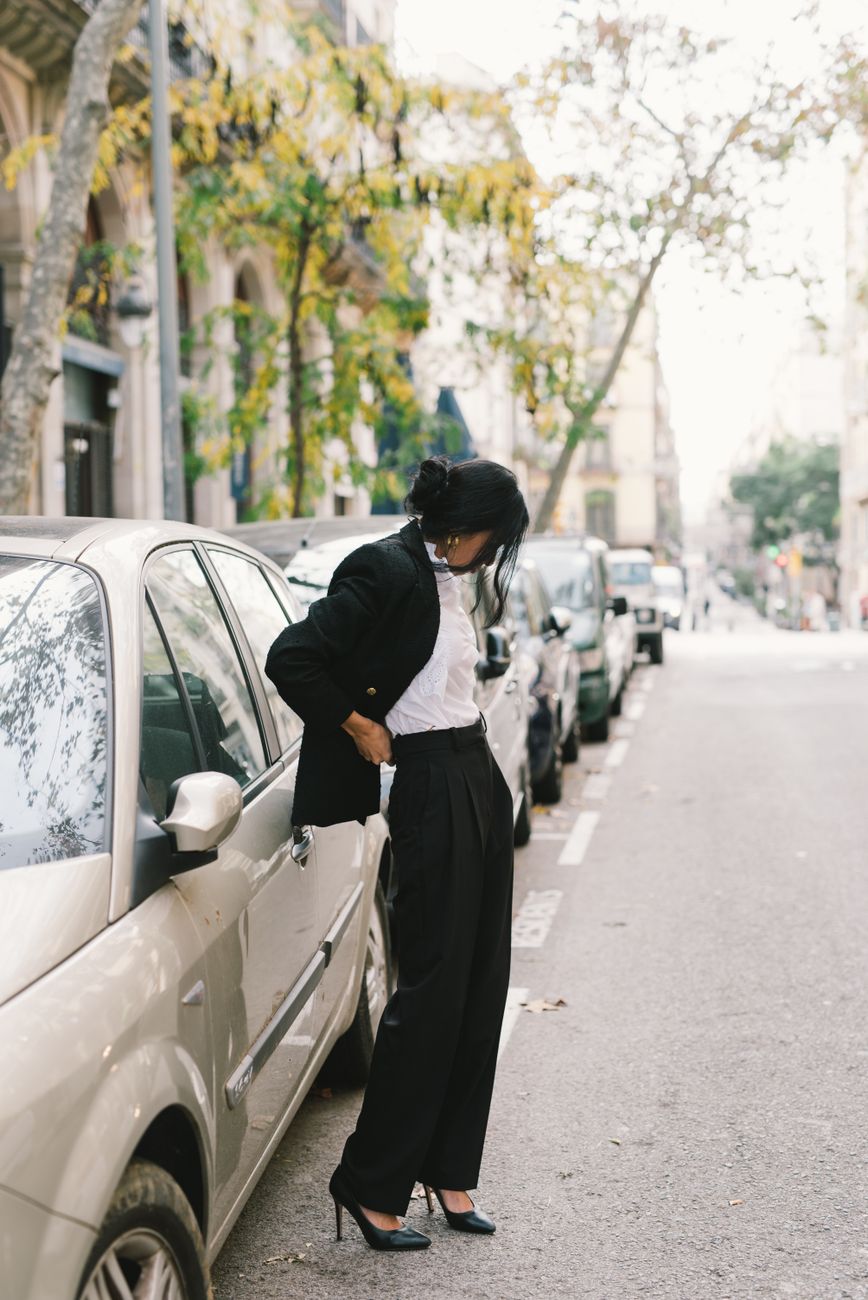
High-neck tops, blazers, shirts, earrings and sculptural collars often become more noticeable once the hair is removed from around the shoulders.
If you already love strong tailoring and clean silhouettes, a pixie can make those pieces feel even sharper.
Our guide to how to style a black blazer is a good example of how structure around the shoulders can create a very polished frame around shorter hair. ele STYLED
Think About Your Personal Style
This may matter more than face shape.
The same haircut can read completely differently depending on the person wearing it.
A pixie can feel:
- Minimalist
- Parisian
- Sporty
- Romantic
- Androgynous
- Glamorous
- Punk
- Classic
- Editorial
Before cutting your hair, save images of people whose overall style you like, not just their haircut.
Look at:
- Their clothes
- Jewellery
- Makeup
- Hair colour
- Brows
- Styling
- Overall proportions
If you repeatedly save short-haired women whose style resembles your own, that is probably more useful than an online face-shape calculator.
Personal style becomes easier once you understand which details consistently appeal to you. Our guide to 20 fashion items every woman should own before 40 touches on the same idea: the strongest wardrobes are built around knowing what genuinely suits your life and aesthetic rather than following a universal checklist. ele STYLED
Will a Pixie Make You Look Older or Younger?
Either is possible.
A pixie does not automatically make someone look younger or older.
What matters is the cut.
A very rigid, overly set hairstyle can sometimes feel more traditional, while movement and softness often make a pixie feel fresher.
If you want something modern, consider:
- Texture
- Slight asymmetry
- Natural movement
- A softer fringe
- Less helmet-like styling
The colour matters too.
Dimensional colour, subtle highlights and intentional contrast can add movement to a short shape.
How Much Maintenance Does a Pixie Cut Need?
This is where pixie cuts can be deceptive.
They involve less hair, but not necessarily less maintenance.
A short haircut loses its shape faster than long hair because even one or two centimetres of growth can alter the silhouette significantly.
You may need trims approximately every four to eight weeks depending on:
- How short the cut is
- How quickly your hair grows
- How precise the shape is
- Whether you are growing it out
A softer, longer pixie tends to tolerate growth better than a very structured crop.
Is a Pixie Easy to Style?
It can be very easy once you understand your hair.
Some pixies need little more than:
- Air drying
- Texture cream
- Styling paste
- Lightweight wax
- Salt spray
Others may need daily blow-drying or straightening.
Ask yourself whether you genuinely enjoy doing your hair.
If your ideal routine is wash-and-go, choose a haircut that works naturally with your texture.
Do not choose a sleek, architectural pixie if achieving that shape requires twenty minutes of heat styling every morning and you know you will not do it.
How to Test a Pixie Cut Before Cutting Your Hair
You obviously cannot know exactly how short hair will look until you cut it, but there are a few useful ways to get closer.
Pin Your Hair Back
Pull your hair completely away from your face.
Look at:
- Your jawline
- Neck
- Cheekbones
- Forehead
- Ears
Try this with different necklines and earrings.
It will give you a better sense of how exposed your face will feel.
Fake the Shape
If your hair is long enough, pin the lengths underneath at the back and leave shorter pieces around your face.
It will not look exactly like a pixie, but it can help you test the proportions.
Try Different Parts
A deep side part can dramatically change how short hair frames the face.
Before cutting, photograph yourself with:
- A centre part
- Deep side part
- Hair swept back
- Hair across the forehead
You may immediately see which direction feels most natural.
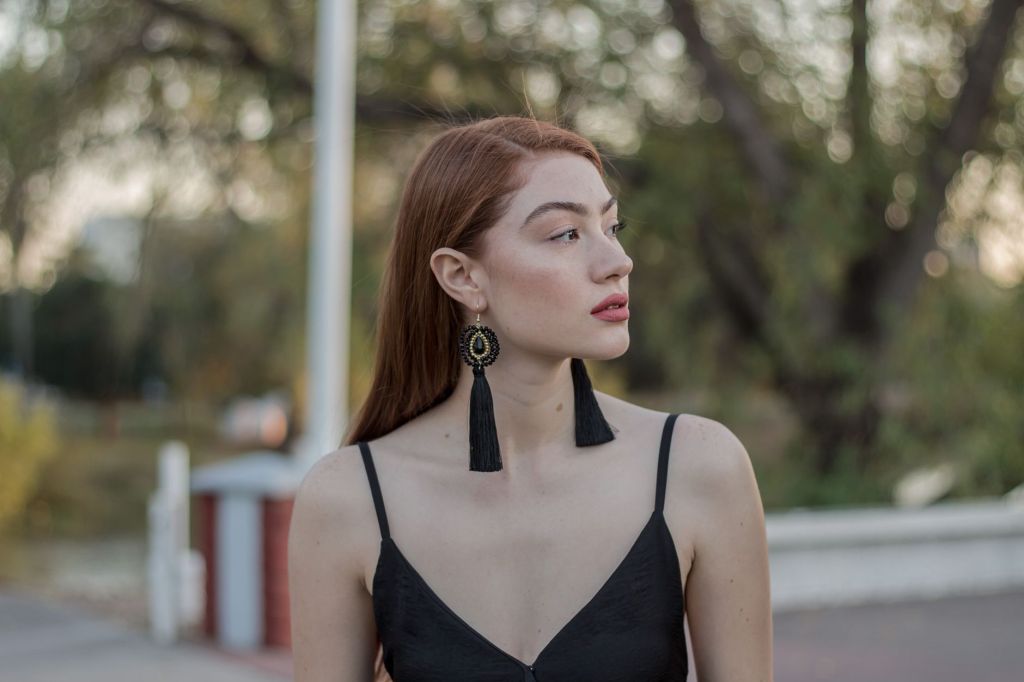
Wear Statement Earrings
Short hair changes the relationship between your face and jewellery.
Try wearing your hair pulled back with earrings you love.
If you suddenly like your jewellery, neckline and facial structure more, that can be a good sign that you may enjoy shorter hair.
Start With a Longer Pixie
You do not have to go from long hair to a micro crop immediately.
A longer pixie or bixie gives you more flexibility.
It can include:
- Longer fringe
- More movement through the sides
- Extra length around the ears
- A slightly longer nape
You can always go shorter at your next appointment.
Growing several centimetres back takes considerably longer.
Bring the Right References to Your Hairdresser
Do not take one photograph.
Bring at least three to five.
Ideally include:
- One showing the front
- One showing the side
- One showing the back
- One with similar hair texture to yours
- One showing the styling you like
Then explain what you like about each image.
Instead of saying:
“I want this haircut.”
Say:
“I like the length around the ears in this one, the fringe from this image and the texture on top here.”
That gives your stylist much more useful information.
What to Ask Your Hairdresser Before Getting a Pixie
A consultation is particularly worthwhile before a dramatic cut.
Ask:
How will this cut work with my natural texture?
Where will my hair naturally sit without styling?
How often will I need a trim?
Which parts of the reference image will not work on my hair?
How will this grow out?
Can we leave extra length initially?
A good stylist should be able to explain their reasoning.
The Biggest Pixie Cut Mistake
The biggest mistake is choosing a haircut because it looks beautiful on someone else without considering why it works on them.
Their hair may be:
- Thicker
- Finer
- Straighter
- Curlier
- More heavily styled
- Cut around a different hairline
They may also have spent forty minutes styling the photograph you saved.
Use inspiration images as a direction rather than a photocopy.
How to Choose Between a Soft Pixie and a Sharp Pixie
If you are unsure which direction suits you, think about your wardrobe.
A soft pixie usually works well if your style includes:
- Feminine tailoring
- Silk
- Soft knitwear
- Flowing skirts
- Ballet flats
- Delicate jewellery
A sharper pixie can look particularly good with:
- Tailoring
- Leather
- Minimalist pieces
- Strong sunglasses
- Architectural jewellery
- Structured coats
Neither is limited to those categories, but your wardrobe can be a surprisingly useful clue.
If you like mixing vintage pieces into modern outfits, short hair can also create an interesting contrast. Our guide to shopping vintage like a fashion editor is worth reading if you are building a more individual look around a major hair change.
What Clothes Look Best With a Pixie Cut?
There are no rules, but a pixie often makes certain details more noticeable.
Particularly good combinations include:
- High necklines
- Turtlenecks
- Crisp shirts
- Blazers
- Statement collars
- Strapless tops
- Clean crew necks
- Strong shoulders
- Simple dresses
Because less hair sits around the neckline, the construction of the clothes becomes more visible.
This is one reason a pixie can suddenly make relatively simple outfits feel fashion-forward.
Jewellery Becomes More Important
One of the pleasures of short hair is that earrings stop disappearing.
Try:
- Sculptural gold earrings
- Silver hoops
- Oversized studs
- Ear cuffs
- Drop earrings
- Vintage jewellery
If you tend to wear gold, our guide to wearing gold for your skin tone can help you work out whether brighter yellow gold, softer champagne tones or rose gold work best with your colouring.
What If You Regret It?
This is the question that stops many people from cutting their hair.
And yes, you may miss your long hair.
A pixie is a commitment because growing it out takes time.
But hair grows.
If you are genuinely curious and have been saving the same haircut for years, fear of the grow-out may not be a good enough reason never to try it.
The smarter approach is to understand the process.
A pixie typically grows through several stages:
Pixie → longer pixie → bixie → short bob → bob
Regular shaping appointments can make those stages look intentional rather than awkward.
Signs a Pixie Cut Could Be Right for You
A pixie may be worth seriously considering if:
- You constantly pin or tuck your hair away from your face
- You love strong earrings and necklines
- Your hair feels flat or shapeless when long
- You keep saving short-hair inspiration
- You want a significant change
- You are comfortable visiting the salon regularly
- You are interested in making your features more visible
- You already like yourself with your hair pulled completely back
None of these are guarantees.
But collectively, they are useful clues.
Signs You Might Prefer a Longer Short Cut
You may be happier with a bixie or short bob if:
- You love tying your hair up
- You dislike frequent salon appointments
- You change your hairstyle constantly
- You want to retain softness around the jaw
- You are nervous about exposing your ears or neck
- You prefer very low-maintenance grow-out
There is no prize for going as short as possible.
The best haircut is the one you actually enjoy wearing.
Frequently Asked Questions
Will a pixie cut suit a round face?
Yes. Pixie cuts can work beautifully on round faces. Adding height through the crown, keeping the sides relatively streamlined and using an asymmetrical or side-swept fringe can create more vertical balance.
Does a pixie cut suit everyone?
There is usually some version of short hair that can work for most people, but not every pixie shape suits every hair type, face or lifestyle. The key is adapting the length, fringe, volume and texture.
Do pixie cuts make your face look slimmer?
Some pixie shapes can visually lengthen or define the face, particularly those with height through the crown and less volume at the sides. However, the effect varies according to facial proportions and the exact cut.
Is a pixie cut high maintenance?
It can be. Styling may be quick, but short hair often requires trims more frequently than long hair in order to maintain its shape.
How often does a pixie cut need trimming?
Many pixie cuts benefit from a trim every four to eight weeks. Very short or highly structured styles may need maintenance sooner.
Are pixie cuts good for fine hair?
Yes. Removing excess length can make fine hair appear fuller and create more lift. Textured layers can also add visual density.
Can curly hair have a pixie cut?
Absolutely. Curly pixies can be soft, tapered, voluminous or closely cropped. The most important thing is working with a stylist who understands your curl pattern and shrinkage.
What face shape is best for a pixie cut?
There is no single best face shape. Oval, round, square, heart, long and diamond-shaped faces can all wear pixies successfully when the proportions of the haircut are adjusted accordingly.
How do I know whether I will regret a pixie cut?
If you depend heavily on ponytails, rarely visit the salon and dislike styling changes, a very short cut may feel restrictive. If you have wanted one for years and love your face with your hair pulled back, you may be more ready than you think.
Is a pixie cut professional?
Yes. A pixie can look as polished, creative, classic or formal as any other hairstyle. The finish and overall styling matter far more than the hair length itself.
Where to Next
If you are thinking about changing your hair, it can be a good time to look at the rest of your personal style too.
Read next:
20 Fashion Items Every Woman Should Own Before 40 for a wardrobe reset built around pieces you will actually wear. ele STYLED
How to Style a Black Blazer: 15 Chic Outfit Ideas That Always Work for easy ways to make a sharper haircut work with polished everyday outfits. ele STYLED
How to Shop Vintage Like a Fashion Editor if you want to bring more individuality into your wardrobe after a major style change.


Leave a comment