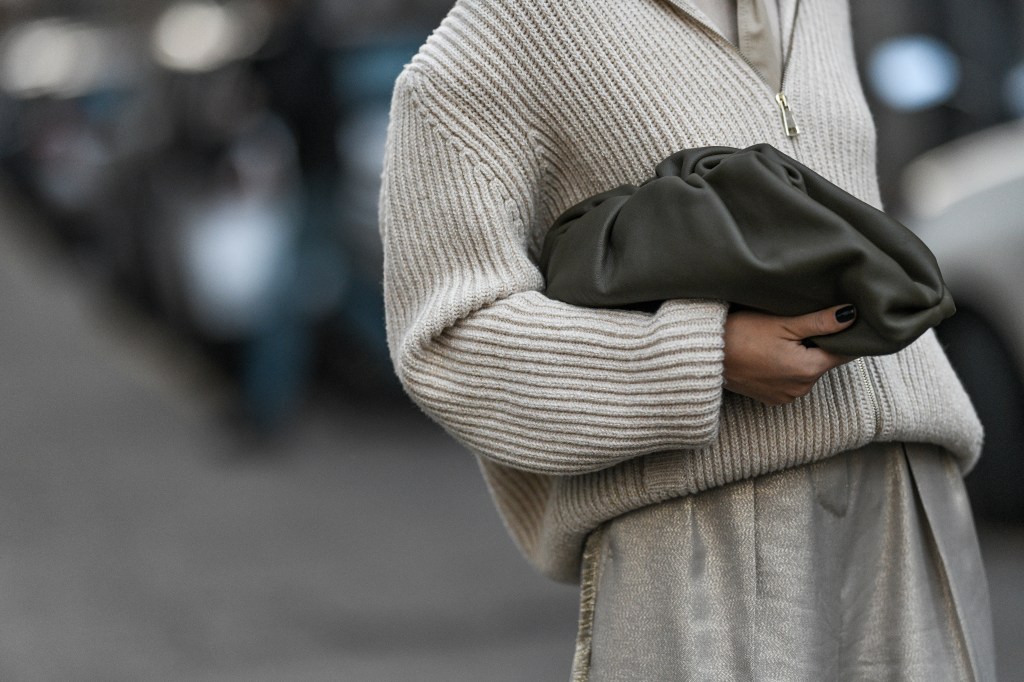
Have you ever seen someone wearing a blazer, pair of jeans or beautiful dress and thought, “That looks incredible. I need that”? Then you try the same style yourself and somehow it just does not have the same effect.
The frustrating part is that there may be absolutely nothing wrong with the clothes. They looked effortless on someone else, but on you they feel awkward, unbalanced or simply not quite right.
This happens more often than you might think. And it does not mean that you have the wrong body for fashion or that you cannot pull off certain styles. Usually, the real issue is something much more interesting: the relationship between the clothes and your proportions, colouring, lifestyle and personal style.
The secret to looking chic is not finding clothes that look good on everyone. It is learning how to make beautiful clothes work for you.
Why Clothes Can Look Completely Different on You
Clothes do not exist in isolation. The same blazer can create a completely different silhouette on two people. The same pair of trousers can make one person look incredibly elongated while making another feel overwhelmed. A particular neckline might look soft and elegant on one face but feel too severe on another.
Your height, proportions, shoulder line, waist placement, body shape, colouring and even the way you naturally stand can influence how a garment looks.
Then there is styling.
The person you saw wearing that incredible outfit may have balanced the proportions with a particular shoe, tucked the top in a certain way or added jewellery that completed the look. What appears to be one simple outfit is often a carefully balanced combination of several details.
That is why copying an outfit exactly does not always create the same result.
Instead of asking yourself why you cannot make something work, start asking what specifically is different about the way that garment interacts with you.
Fit Is Often the First Thing to Blame
One of the biggest reasons clothes look less polished than expected is surprisingly simple: the fit is slightly wrong.
A garment can technically be your size and still not fit your body properly. The shoulders may sit too far out. The waist might fall in the wrong place. The sleeves could be too long. The trousers may bunch around the ankles or pull across the hips.
These small details can completely change the silhouette.
Good fit does not necessarily mean tight clothing. In fact, some of the most elegant outfits are relaxed and effortless. What matters is that the garment sits where it is supposed to sit and moves naturally with your body.
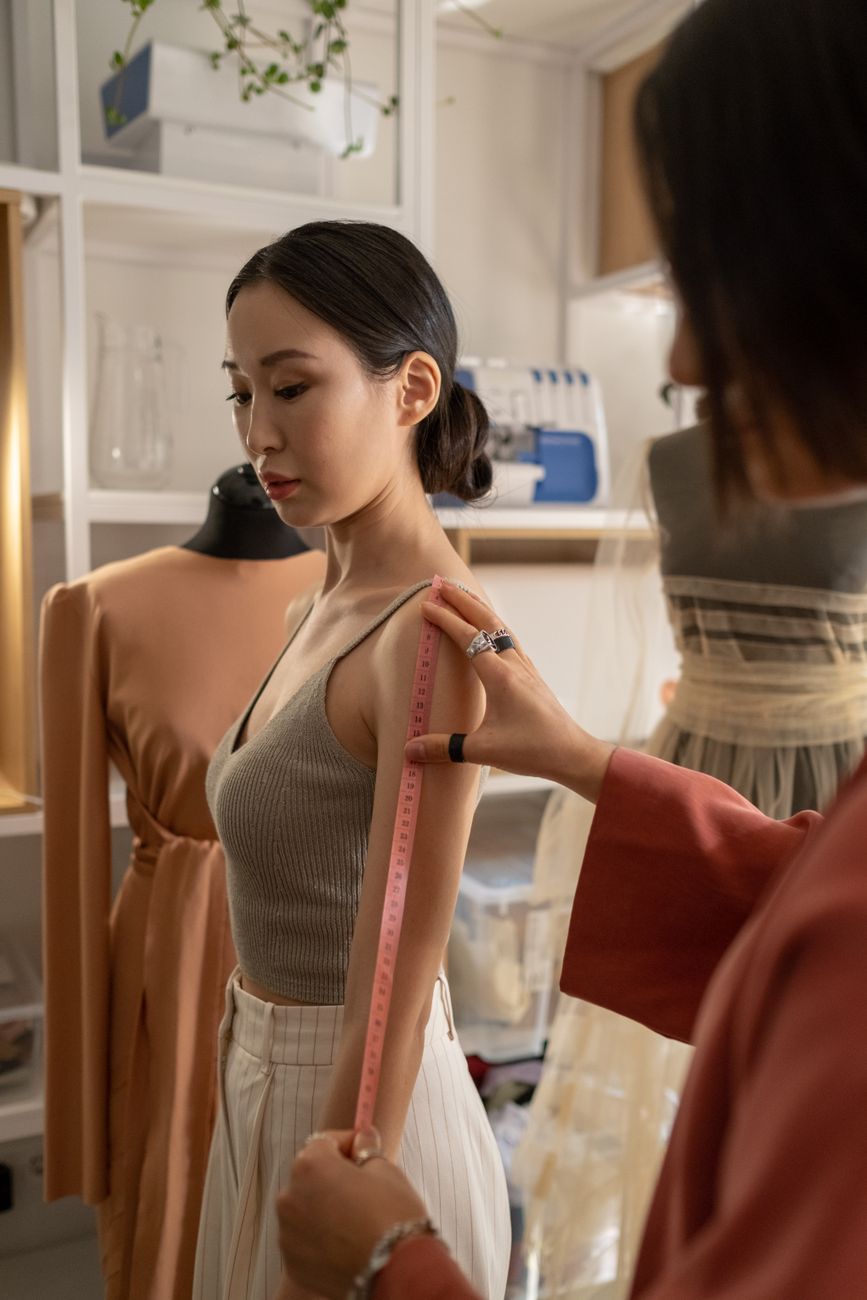
Tailoring can also make a remarkable difference. Shortening trousers, adjusting sleeves or taking in the waist of a blazer can turn a piece that feels ordinary into something that looks beautifully considered.
If you often feel that your clothes are technically fine but your outfits never look quite as polished as you imagined, take a look at Common Wardrobe Mistakes That Make You Look Less Polished. The guide highlights how fit, proportions and fabric can quietly affect the finished look.
Proportion Can Change the Entire Outfit
Sometimes your clothes fit perfectly but something still feels wrong.
That is often a proportion issue.
Imagine wearing an oversized blazer with wide-leg trousers and a long loose top. Every individual piece might be beautiful, but together they create a lot of volume.
Now imagine wearing the same blazer with a simple fitted knit and straight-leg trousers. Suddenly, the outfit feels more balanced.
The clothes have not changed. The proportions have.
Pay attention to where your clothes begin and end. Look at the length of your jacket compared with your top. Notice where your trousers sit on your waist and where they finish. Think about whether you have volume on both the top and bottom of your outfit.
You do not need to make everything fitted. In fact, contrast is often what makes an outfit interesting. A relaxed blazer can look beautiful with a streamlined trouser. A voluminous skirt can work beautifully with a simple fitted top.
The goal is not perfection. It is visual balance.
Your Body Shape Is Not a Set of Fashion Rules
There is nothing wrong with using body shape as a starting point when learning about clothing. But it becomes unhelpful when it turns into a long list of things you supposedly cannot wear.
Real bodies are far more individual than fashion charts suggest.
Two women can have similar proportions and look completely different in the same dress. One may love the way it feels while the other may prefer a different neckline, fabric or length.
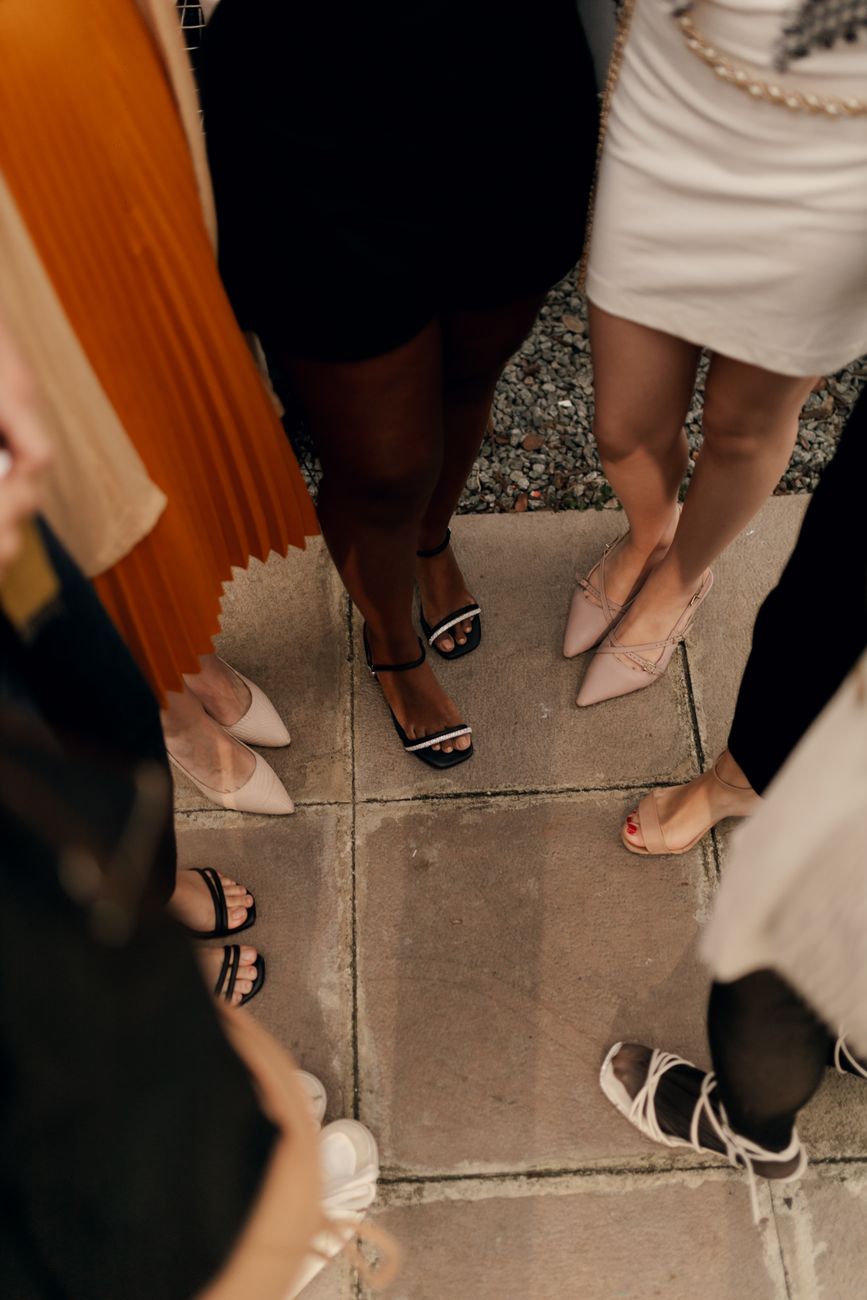
Instead of trying to hide particular parts of your body, pay attention to what makes you feel balanced and comfortable.
Maybe you love the way a V-neck opens up your upper body. Perhaps you prefer high-waisted trousers because they make your outfits feel more natural. Maybe you feel best in softly structured jackets rather than oversized tailoring.
Those observations are far more valuable than following a rigid set of rules.
For more inspiration, 5 Clothing Items That Flatter Every Body Shape explores why pieces such as wrap dresses, tailored blazers, A-line skirts and well-cut T-shirts can work across different proportions.
The Neckline Could Be the Missing Piece
Sometimes an outfit feels wrong simply because the neckline is not working with the rest of your features.
Your neckline sits directly next to your face, which makes it one of the most noticeable details in an outfit. It can create length, introduce width or add softness depending on its shape.
A V-neck creates a naturally vertical line. A boat neck draws attention across the shoulders. A scoop neckline can feel soft and feminine, while a square neckline can add structure.
This does not mean that you need to avoid certain necklines because of your face or body shape. Instead, think of them as tools you can experiment with.
If a particular top never feels quite right, try changing the neckline before deciding that the entire style is wrong.
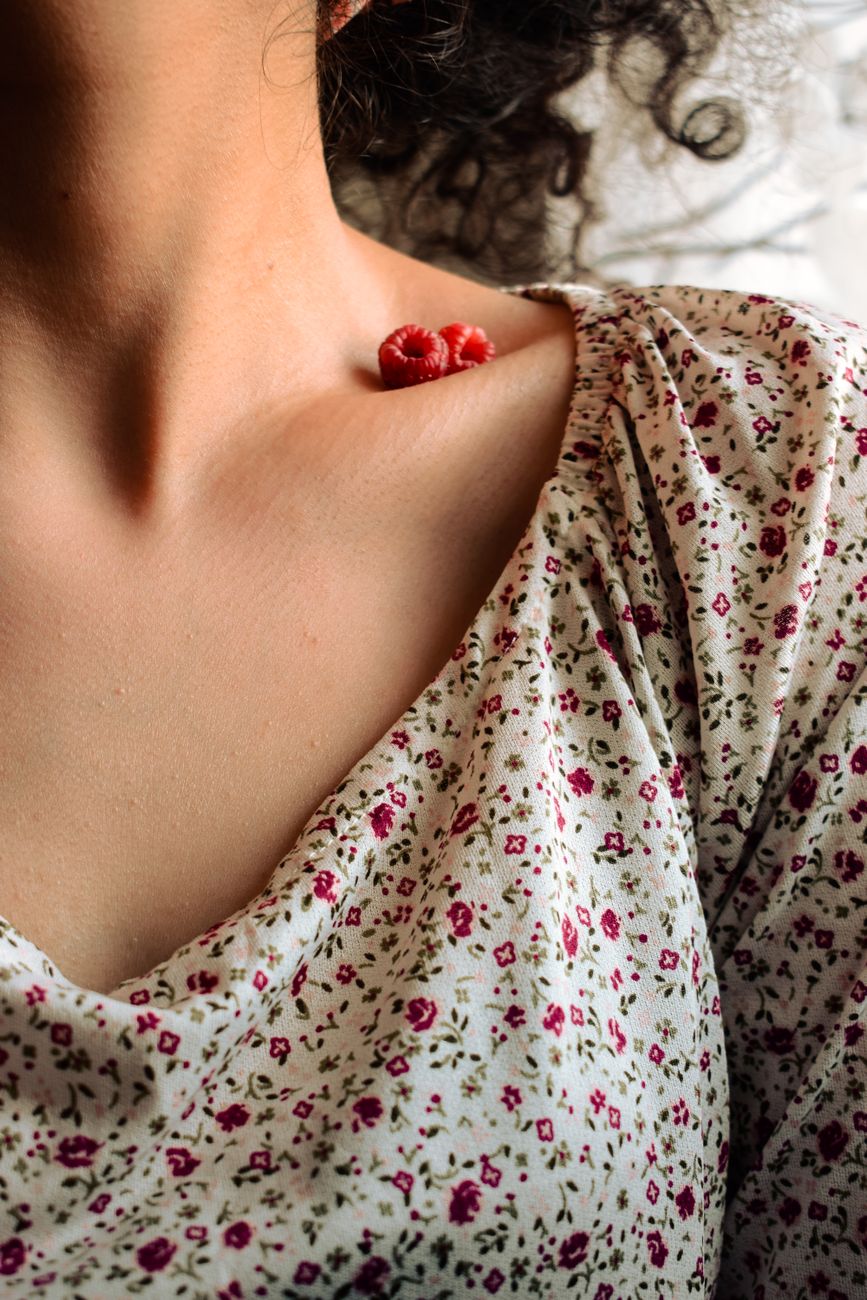
Our The Best Necklines for Your Face Shape and Body: A Complete Style Guide goes deeper into how different neckline shapes can influence the balance of an outfit.
Fabric Matters More Than You Think
We often focus on the cut of a garment and forget about the fabric.
But fabric can completely change the way the same silhouette looks.
A lightweight fabric tends to move and drape close to the body. A structured fabric creates stronger lines. A thick knit can add visual weight, while a fine knit can create a softer effect.
This explains why you might love a particular dress on someone else but dislike it when you try it yourself.
Perhaps the silhouette is actually right for you, but the fabric is too clingy. Or maybe the fabric is so lightweight that it does not create the structure you were hoping for.
Before deciding that a particular style does not suit you, try it in another material.
A heavier satin may fall beautifully where a lightweight satin clings. A structured cotton blazer may feel much better than a soft, unstructured version. A heavier denim may create a cleaner shape than an extremely lightweight pair.
Sometimes you do not need a different style. You simply need a different fabric.
Colour Can Change the Entire Feeling
Have you ever seen someone wearing a particular shade and immediately thought how beautiful it looked, only to try the same colour and feel completely washed out?
Colour is incredibly personal.
The shade interacts with your natural colouring, your hair, your skin and the colours surrounding it. Even small differences in tone can change the effect.
You might find that warm camel feels better than cool beige. Perhaps chocolate brown feels softer on you than black. Maybe ivory gives you a more luminous effect than bright white.
There is no need to create a strict list of colours you are allowed to wear.
Instead, notice which shades make you feel good when you look in the mirror. Those are the colours worth building around.
Sometimes the Trend Is Not the Problem
Fashion trends can be particularly confusing because something can look incredible online and completely different in real life.
An oversized blazer, ultra-wide jeans or a dramatic mini skirt may look effortless on one person but feel uncomfortable or overwhelming on another.
The answer is not necessarily to abandon the trend.
It is to translate it.
If extremely wide trousers overwhelm you, try a softer wide-leg silhouette. If an oversized blazer feels too large, choose one with stronger shoulder structure but less volume through the body. If a cropped top feels uncomfortable, try a shorter knit that finishes at a more natural point.
You still capture the mood of the trend without forcing yourself into a version that does not feel like you.
What to Do When Fashion Trends Don’t Suit You and How to Adapt Them Without Losing Your Style explores this idea beautifully, focusing on adapting trends through changes in fit, proportions and styling rather than simply copying them.
The Styling Around the Clothes Matters Too
One of the easiest things to overlook is everything surrounding the main garment.
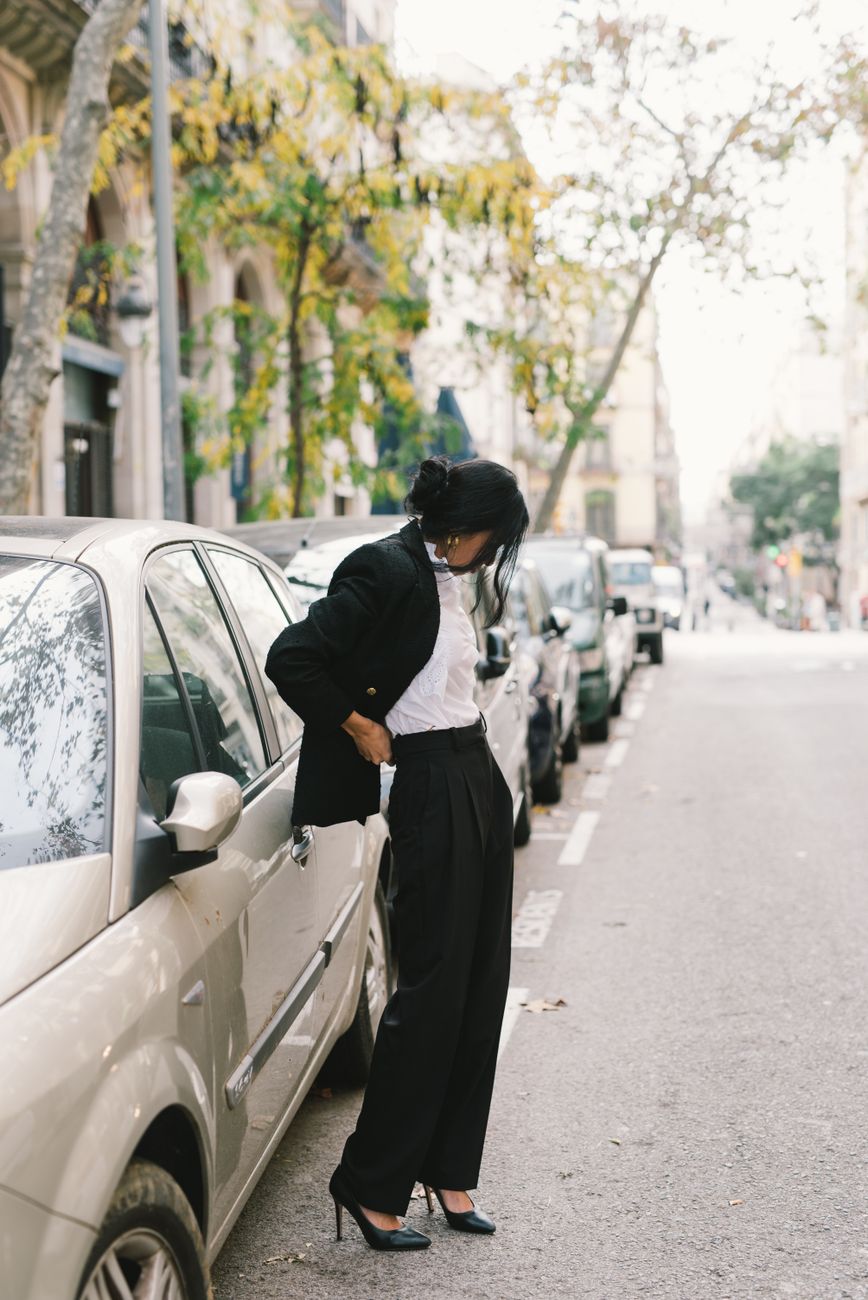
A blazer may look too formal with tailored trousers and heels but completely different with faded denim and loafers.
A dress might feel ordinary with simple sandals but suddenly look sophisticated with a structured bag and elegant earrings.
A pair of jeans can look casual with sneakers and a sweatshirt or polished with a blazer, pointed flats and delicate jewellery.
The clothing has not changed. The styling has.
This is why it can be misleading to decide whether a garment suits you based on one outfit.
Try changing the shoes. Remove a layer. Add a belt. Tuck in the shirt. Roll the sleeves. Change the jewellery.
Sometimes the piece you thought was wrong was actually waiting for the right styling.
Accessories Can Create the Balance You Are Missing
Accessories are not just finishing touches. They can change the visual balance of an outfit.
Long earrings can introduce vertical movement. A structured handbag can add polish to relaxed clothing. A belt can define the waist of a loose silhouette. A necklace can echo the shape of a neckline and make the outfit feel more intentional.
The trick is not to add more accessories simply because an outfit feels incomplete.
Instead, ask what the outfit needs.
If your clothing already has a strong neckline, perhaps statement earrings are enough. If your outfit is very simple, a beautiful necklace or structured bag may provide the detail that brings everything together.
Why Some Simple Clothes Look So Expensive
Sometimes the clothes that look most chic are actually the simplest.
A beautifully fitted blazer. A clean white shirt. Straight-leg trousers. A simple knit. A well-cut dress.
These pieces do not need dramatic details because the silhouette is doing the work.
That is why fit and proportion are so important. When the shape is right, even a simple outfit can look incredibly sophisticated.
The current eleSTYLED guide to 20 Fashion Items Every Woman Should Own Before 40 makes a similar point about building a wardrobe around useful pieces, fit, proportions and personal style rather than simply buying more trends.
The Difference Between Looking Stylish and Looking Like Yourself
There is another reason clothes can look better on someone else.
They look like them.
When someone has developed a strong personal style, their clothing choices feel natural. They know what they like. They understand their proportions. They know which colours they reach for repeatedly and which silhouettes make them feel comfortable.
That confidence changes the way clothes look.
You may love the aesthetic of minimalist fashion but feel happiest in colour. You may admire oversized tailoring but feel most like yourself in fitted classics. You may save hundreds of romantic dresses but actually live in trousers and beautiful knitwear.
There is no contradiction in that.
Your dream wardrobe should eventually meet your real life.
Stop Buying Clothes for an Imaginary Version of Yourself
One of the biggest reasons wardrobes become frustrating is that we often shop for the person we imagine we might become.
We buy the dress for the glamorous dinner that never happens. The uncomfortable shoes for the lifestyle we wish we had. The dramatic blazer because we love the idea of wearing it, even though our everyday life calls for something softer.
The result is a wardrobe full of beautiful clothes that do not quite belong together.
The more useful approach is to build around the life you actually live.
Think about where you spend your time. Think about what you genuinely enjoy wearing. Notice the pieces you repeatedly reach for.
Then build from there.
A wardrobe becomes much easier when your clothes support your lifestyle instead of asking you to become someone else.
A Simple Way to Figure Out What Works for You
The next time you try something on and feel disappointed, do not immediately put it back.
Look at the outfit more carefully.
First, consider the fit. Is anything pulling, bunching or sitting somewhere awkward?
Then consider the proportion. Is there too much volume? Is one piece too long? Would a different hemline change the balance?
Next, consider the fabric. Does it drape the way you want? Does it create too much volume or cling where you would rather it did not?
Then look at the colour. Does the shade complement the rest of your outfit and make you feel good?
Finally, consider the styling. Would different shoes, jewellery, layering or accessories change the entire feeling?
This process turns shopping into a little bit of detective work.
And once you start noticing these details, you become much better at understanding your own wardrobe.
When You Should Simply Let the Garment Go
Sometimes you can alter, style and accessorise a garment in every possible way and it still does not feel right.
That is okay.
Not every beautiful piece needs to belong in your wardrobe.
If something constantly needs adjusting, makes you uncomfortable or requires you to dress around it, it may simply not be the right piece for you.
There is freedom in recognising that.
Personal style is not about proving that you can make every trend work. It is about knowing which pieces deserve space in your wardrobe.
The Most Stylish Version of You Is Not Someone Else
The next time you see an outfit that looks incredible on someone else, resist the urge to immediately copy it.
Instead, look closer.
What exactly do you love?
Is it the colour? The silhouette? The simplicity? The relaxed tailoring? The proportions? The femininity? The way the accessories complete the outfit?
Once you know what attracted you, you can recreate the feeling in a way that belongs to you.
That might mean choosing a different neckline, changing the trouser length, swapping the fabric, softening the silhouette or simply wearing the trend in a quieter way.
That is where personal style becomes much more exciting.
You stop asking, “Can I pull this off?”
You start asking, “How can I make this mine?”
The Wrap
Some clothes look chic on everyone else because they are being worn in a way that works with that person’s proportions, colouring, lifestyle and personality.
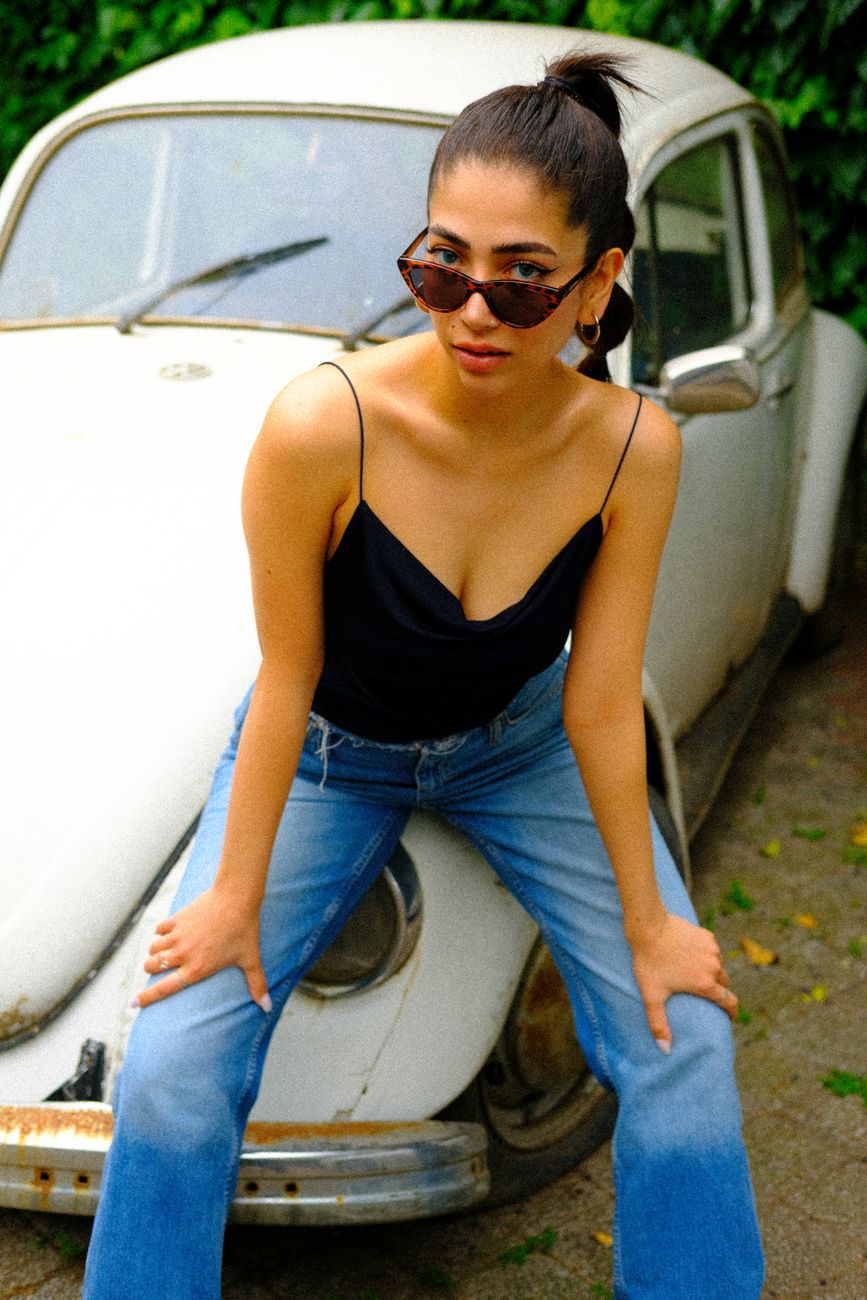
The answer is not to decide that your body is the problem.
Look at the details instead.
Fit can be adjusted. Proportions can be balanced. Fabrics can be changed. Colours can be adapted. Trends can be translated. Accessories can transform an outfit.
And sometimes the most stylish decision is simply knowing when something is not for you.
The goal is not to make every piece of clothing look good on you.
The goal is to understand yourself well enough that when you find something that does work, you know exactly why.
Because true personal style is not about looking like everyone else.
It is about making beautiful clothes feel completely, unmistakably you.
Frequently Asked Questions
Why do clothes look better on other people than they do on me?
Clothes can look different because every person’s proportions, colouring, height and styling are different. A garment that looks effortless on someone else may need a different fit, fabric, length or styling approach to create a similar effect on you.
Does this mean certain clothes are not made for my body?
Not necessarily. Sometimes the garment itself is fine but the particular version you tried is not working. Changing the fabric, neckline, length or proportions can completely change the result.
How do I know if something is the wrong fit?
Pay attention to the shoulders, bust, waist, hips, sleeves and hemline. If the fabric is pulling, bunching or sitting somewhere awkward, the problem may be fit rather than the style itself.
Why do oversized clothes sometimes make me look bigger?
Oversized clothing creates additional visual volume. When several oversized pieces are worn together, that volume can overwhelm the silhouette. Balancing one relaxed piece with something more streamlined often creates a more polished result.
Can I wear trends that do not traditionally suit my body shape?
Absolutely. Instead of copying a trend exactly, adapt it. Changing the rise, length, fabric, volume or styling can make a trend feel much more natural and wearable.
What makes an outfit look more expensive?
Fit, proportion, fabric quality and finishing details often have a bigger impact than simply choosing expensive clothing. A simple outfit that fits beautifully and has intentional styling can look incredibly polished.
Should I dress according to my body shape?
Body shape can be a useful styling reference, but it should never become a list of restrictions. Use it to understand proportions and experiment with balance rather than deciding what you are allowed or not allowed to wear.
What should I do if I love a trend but it does not feel like me?
Keep the element you love and change everything else around it. You might borrow the colour, silhouette or styling idea while choosing a more comfortable fit and a version that fits naturally into your wardrobe.
Where’s Next?
If you are enjoying the idea of understanding your clothes rather than simply following fashion rules, continue with Which Earrings Should You Wear? Find the Most Flattering Style for Your Face. It is a beautiful next read if you want to understand how jewellery can work with your natural features and complete an outfit.
For another practical styling guide, How to Style Ballet Flats Without Looking Frumpy explores how proportion, styling and the pieces around a wardrobe staple can completely change the final look.
If you want to build outfits around one of the most versatile wardrobe pieces, How to Style Black Trousers: 15 Outfits That Work for Almost Everything is a natural next step. The guide shows how one simple item can take on completely different personalities depending on proportion and styling.
If you are more interested in building a wardrobe that feels personal and timeless, read The Classic Wardrobe 101: The Timeless Pieces Every Woman Should Own. It focuses on creating a wardrobe around pieces that support your real life rather than chasing every new trend.
And if you want to take the idea of polished dressing even further, The New Rules of Looking Expensive: 9 Styling Details That Make an Outfit Look More Considered is a perfect follow-up for understanding how small finishing details can elevate even the simplest outfit.

Leave a comment