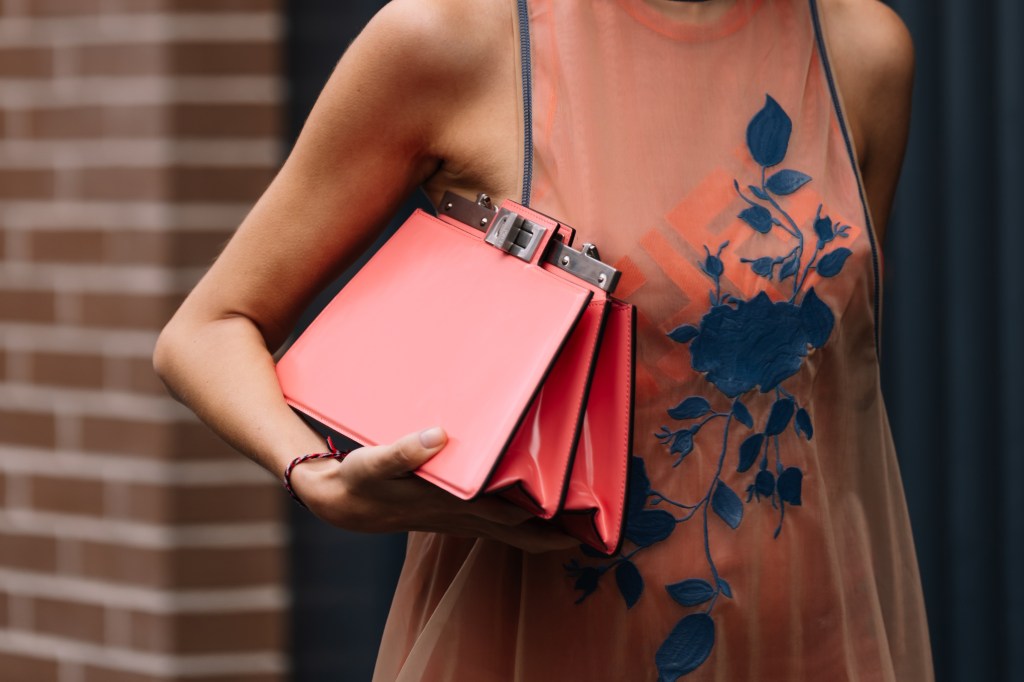
There is a particular kind of frustration that comes from having a wardrobe full of beautiful clothes and still feeling like you have nothing to wear. You save outfit inspiration, carefully coordinate colours, invest in timeless pieces and try to make every look feel polished. Yet somehow, getting dressed has become more complicated than it should be.
Perhaps you change outfits three times before leaving the house. Maybe you avoid wearing something because it creases too easily, worry that a colour combination is not quite right, or decide against an outfit because it does not look as effortlessly chic as the one you saved on Pinterest. You might even find yourself buying clothes that look wonderful on other people but never quite feel like you.
The problem may not be your wardrobe. It may be your pursuit of perfection.
Personal style is supposed to express who you are, what you enjoy and how you want to move through the world. When every outfit becomes a project that needs to be perfected, fashion stops being creative and starts feeling restrictive. You become so focused on getting everything right that you leave very little room for experimentation, personality or the occasional happy accident.
The truth is that some of the most memorable outfits are not perfectly coordinated. They have an unexpected colour combination, a slightly undone silhouette, a vintage piece that does not match anything else in the wardrobe or an accessory that feels entirely personal.
So what happens when the desire to look polished starts getting in the way of looking like yourself? And how can you develop a personal style that feels confident, considered and genuinely enjoyable without obsessing over every detail?
Why We Feel the Need to Get Every Outfit Right
Fashion has always involved a certain amount of aspiration, but the constant availability of perfectly styled outfits has changed how many of us approach getting dressed. Social media is filled with carefully curated wardrobes, immaculate interiors, coordinated accessories and people who appear to have mastered the art of looking effortlessly put together.
What we often forget is that we are seeing a finished image rather than the entire process behind it. The outfit may have been planned in advance, photographed in flattering light and edited before it ever appeared on our screens. We rarely see the rejected combinations, uncomfortable shoes or the ten minutes spent adjusting a sleeve.
Over time, it becomes easy to treat these polished images as a standard we should be able to reproduce every day.
Instead of asking whether we like an outfit, we start asking whether it looks expensive enough, whether the proportions are correct, whether it follows current trends or whether someone else would approve of it. Dressing becomes less about personal preference and more about avoiding mistakes.
This is particularly frustrating because style is not an exact science. What feels elegant to one person may feel overly formal to another. A colourful, layered outfit can be just as stylish as a minimalist combination of neutrals. The difference lies in how the clothes work together and how comfortably the person wears them.
If you have found yourself standing in front of your wardrobe feeling uninspired despite owning plenty of clothes, our guide to what to wear when nothing feels right offers a useful reminder that a wardrobe does not need to be replaced simply because your relationship with it has become frustrating.
Sometimes, the first step is to stop expecting every outfit to be perfect.
When Polished Starts to Feel Predictable
There is nothing wrong with enjoying a polished outfit. Well-fitting clothes, thoughtful colour choices and carefully selected accessories can make getting dressed feel wonderful. The problem begins when polish becomes the only acceptable outcome.
Perhaps you always choose the safest colour combination because you are worried about looking mismatched. Maybe you avoid statement jewellery because it might be too much, or you rarely wear the beautiful vintage jacket hanging in your wardrobe because you cannot work out how to make it fit with everything else.
These small decisions can gradually narrow your style.
You start reaching for the same reliable combinations, not necessarily because they make you happy, but because they feel safe. Everything matches, nothing looks out of place and there is very little risk of getting it wrong. Eventually, your wardrobe may become perfectly coordinated but strangely disconnected from your personality.
Personal style needs a little freedom. It needs the opportunity to change, develop and occasionally surprise you.
Think about someone whose style you genuinely admire. It is often not because every item they wear matches perfectly. It may be the way they combine tailored trousers with an unexpected shoe, wear a delicate dress with a substantial jacket or mix old and new pieces without appearing overly styled.
There is an individuality in those choices that cannot be created through coordination alone.
Looking polished is lovely. Looking polished in exactly the same way every day is not a requirement.
The Difference Between Having Good Taste and Having Your Own Style
Good taste and personal style are related, but they are not the same thing.
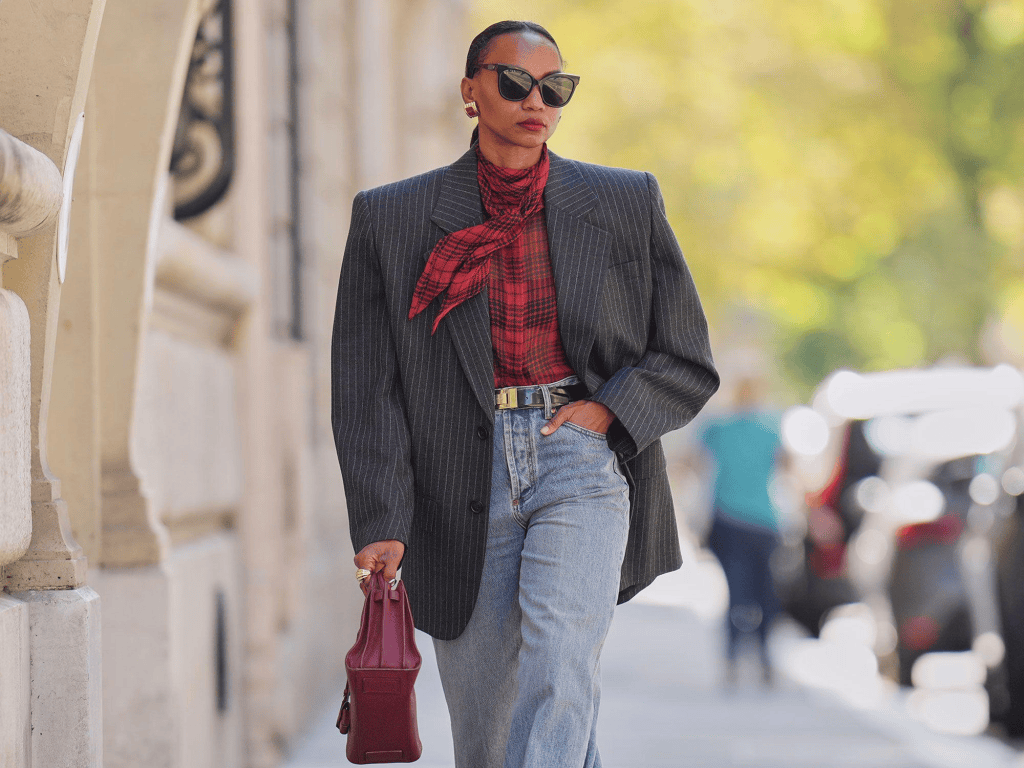
You can recognise a beautifully cut coat, appreciate an elegant handbag and understand why a particular colour palette works without necessarily wanting to wear those things yourself. You can admire minimalist fashion while feeling most confident in colourful prints. You can appreciate a classic wardrobe and still love unusual accessories or playful silhouettes.
The challenge is learning to separate what you admire from what you actually enjoy wearing.
It is easy to build a wardrobe around someone else’s aesthetic. You might buy neutral basics because every style guide recommends them, invest in a particular pair of shoes because they are considered timeless or avoid trends because you believe a sophisticated wardrobe should never look too current.
But personal style is not a test of how well you follow fashion rules.
It is the ability to recognise what makes you feel comfortable, confident and interesting in your own clothes.
Start paying attention to the outfits you genuinely enjoy wearing. Notice which pieces make you feel more like yourself, which colours attract you repeatedly and which silhouettes you reach for without needing to convince yourself.
You may discover that your natural style is different from the aesthetic you have been trying to achieve. That is not a problem. It is useful information.
Our guide to the classic wardrobe and the timeless pieces every woman should own can help you build a strong foundation, but the best wardrobe is one that leaves room for your own preferences rather than following a rigid list of essentials.
Why Your Best Outfits Might Be the Ones You Almost Rejected
Have you ever put together an outfit, looked in the mirror and felt that something was slightly wrong? Perhaps the colours were more contrasting than usual, the proportions were unfamiliar or one accessory seemed to stand out too much. You changed one thing, then another, until the outfit became more conventional.
Sometimes that instinct is useful. Other times, it is simply discomfort with something unfamiliar.
When you are accustomed to dressing in a particular way, a new combination can feel wrong before you have had the chance to decide whether you actually like it. An oversized jacket might initially feel too relaxed. A bright colour might seem difficult to wear. A combination of delicate and structured pieces might feel unusual because it is different from what you normally choose.
That does not mean you should force yourself to wear something you dislike. It means giving yourself a moment to distinguish genuine discomfort from the feeling of trying something new.
Instead of immediately rejecting the outfit, ask yourself what is bothering you. Is the garment physically uncomfortable? Does the fit feel wrong? Or are you simply unfamiliar with seeing yourself in that particular combination?
You might discover that the outfit needs one small adjustment rather than a complete rethink. Alternatively, you may realise that the combination is not for you, and that is perfectly fine too.
The important thing is to make the decision based on how the clothes feel and look to you, rather than an imaginary standard of perfection.
Stop Treating Every Fashion Rule as a Requirement
Fashion advice can be helpful. Understanding proportion, fit, colour and fabric gives you more options when getting dressed. However, problems arise when useful guidelines become rigid rules that leave no room for individuality.
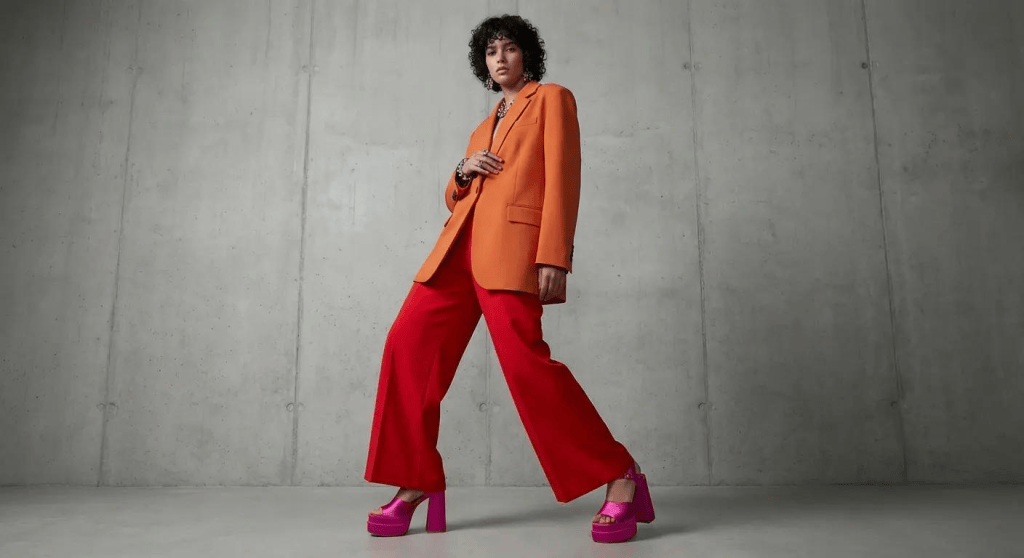
You may have heard that certain colours should never be worn together, that particular silhouettes only work on specific body shapes or that every wardrobe needs the same set of timeless essentials. These ideas can offer a starting point, but they are not universal laws.
Personal style becomes much more interesting when you learn which rules help you and which ones you can comfortably ignore.
For example, understanding proportion can help you balance an oversized jacket with a slimmer trouser. But it does not mean you can never wear an oversized silhouette from head to toe. Knowing which colours complement your natural colouring can help you choose confidently, but it does not mean you must avoid every shade outside a prescribed palette.
The same applies to trends. You do not need to adopt every new look, but you also do not need to reject a trend simply because it is not traditionally associated with your style.
The key is adaptation.
Our guide to what to do when fashion trends do not suit you explores how to borrow ideas from current fashion without losing the qualities that make your style distinctive.
Think of fashion rules as tools rather than restrictions. Use them when they help you, and let them go when they no longer serve you.
The Pressure to Look Effortless Can Make Getting Dressed Harder
One of fashion’s most persistent contradictions is the idea that a person should look effortlessly stylish while putting considerable effort into achieving that appearance.
We admire outfits that seem natural and uncomplicated. Yet we often respond by analysing every detail, researching every purchase and trying to recreate a very specific aesthetic. The more we chase effortlessness, the more complicated getting dressed can become.
There is also pressure to make every item work hard. A dress must be versatile, a jacket must be timeless and every new purchase should coordinate with several other pieces. While these are useful considerations when building a practical wardrobe, they can become exhausting when applied to every decision.
Not every garment needs to be a perfect investment. Some pieces can simply make you happy.
A colourful bag might not work with everything, but it may transform the outfits you wear it with. A dramatic pair of earrings might only suit a handful of looks, but those looks may become some of your favourites. A beautiful dress might not be appropriate for everyday errands, and that does not make it a bad purchase if you genuinely enjoy wearing it for special occasions.
A functional wardrobe matters, but so does the pleasure of owning and wearing clothes.
If you want a more practical foundation without turning your wardrobe into a strict formula, explore the ultimate capsule wardrobe guide. A capsule can make dressing easier, but it should support your individuality rather than remove it.
How Perfectionism Can Lead to More Shopping
When your outfits never feel quite right, buying something new can seem like the easiest solution.
Perhaps you decide that you need a better blazer, a more flattering pair of trousers or a different handbag to complete the look. You buy the item, feel excited about it for a while and then discover that your wardrobe still does not feel quite the way you imagined.
The cycle continues because the underlying problem has not changed.
Sometimes you genuinely need a missing piece. Other times, you are trying to buy your way towards a feeling of confidence that cannot be created by another garment.
Perfectionism can make shopping especially confusing because you are not simply looking for something you like. You are looking for something that solves every problem at once. It must fit perfectly, suit your lifestyle, coordinate with your existing wardrobe, feel current and remain timeless. The more requirements you add, the harder it becomes to find something that feels right.
Before buying anything new, look at the clothes you already own. Try different combinations. Change the shoes, add a belt, experiment with layering or wear a familiar piece in a different way.
You may find that you have more possibilities than you realised.
When you do shop, focus on what genuinely appeals to you and what will work with your real life. A purchase should add something useful or enjoyable to your wardrobe, not simply soothe the frustration of feeling that your style is incomplete.
The Role of Colour in a More Personal Wardrobe
Colour is one of the easiest ways to make an outfit feel individual, yet it is also an area where people often become unnecessarily cautious.
A wardrobe built around neutral shades can be beautiful and versatile. However, if you genuinely love colour, relying exclusively on black, white, beige and grey may leave you feeling that something is missing. Equally, if you prefer a restrained palette, you do not need to introduce bright shades simply because someone else wears them well.
The goal is to understand which colours you enjoy and how you want to use them.
You might love wearing a particular shade near your face but prefer neutral trousers and jackets. You might enjoy colourful accessories against a simple outfit or prefer a more tonal approach, combining several shades from the same colour family. There is no single correct formula.
Experiment with colour in small ways if you are unsure. Try a scarf, a handbag, a knit or a pair of shoes in a shade you are drawn to. Notice how it changes the mood of an outfit and how you feel when wearing it.
For more guidance, read our article on finding the colours that suit you and building a wardrobe that works. The aim is not to restrict your choices to a narrow palette, but to help you understand colour well enough to use it with confidence.
Give Yourself Permission to Wear Clothes Imperfectly
One of the simplest ways to develop a healthier relationship with personal style is to stop expecting clothes to remain perfect throughout the day.
Fabric creases. Shoes get scuffed. Knitwear softens with wear. A shirt may become slightly untucked, or your hair may look different by the afternoon than it did when you left the house.
None of these things automatically make an outfit unsuccessful.
Clothes are meant to be worn, not preserved as though they belong in a display window. A linen shirt can look beautiful with its natural creases. A well-loved leather bag can develop character. Vintage clothing often has details that make it more interesting precisely because it is not pristine.
Of course, taking care of your clothes matters. Washing garments properly, repairing loose buttons and storing pieces thoughtfully can help them last longer. But caring for your wardrobe is different from trying to prevent every sign of everyday life.
There is something appealing about clothing that looks lived in rather than excessively managed. It suggests that the person wearing it is comfortable enough to enjoy the day without constantly checking whether everything is still in place.
Style should make your life more enjoyable, not turn every outing into an exercise in maintenance.
How to Develop Personal Style Without Overthinking It
You do not need to abandon your love of polished clothing or stop caring about how you look. The aim is to create more space for personal preference and less pressure to get everything right.
Start by identifying the outfits you already enjoy wearing. Rather than focusing only on the pieces that look impressive in photographs, think about what makes you feel comfortable and confident throughout an ordinary day. You may notice recurring shapes, colours, fabrics or combinations that form the basis of your natural style.
Next, experiment with one unfamiliar element at a time. If you usually wear neutral outfits, try a colourful accessory. If your wardrobe is very structured, experiment with a softer fabric or a more relaxed silhouette. If you tend to follow trends closely, try styling a favourite piece in a way that feels more personal.
Keep the experiments manageable. You do not need to reinvent your wardrobe in a weekend, and you certainly do not need to buy a completely new set of clothes.
It can also help to give yourself a time limit when getting dressed. Choose an outfit, make any practical adjustments and move on with your day. Not every decision needs to be revisited several times.
Most importantly, pay attention to how you feel rather than only how you look. An outfit can be visually beautiful and still be wrong for your day if it is uncomfortable, impractical or makes you feel unlike yourself.
Personal style becomes easier when you trust your own preferences enough to stop treating every choice as a test.
The Wrap
Being too focused on perfection can quietly take the pleasure out of personal style. You begin by wanting to look polished, but eventually you may find yourself avoiding experimentation, buying clothes you do not really need and repeating the same safe outfits because they feel less risky.
The solution is not to stop caring about fashion. It is to give yourself more freedom within it.
Wear the colours you love. Experiment with combinations that feel unfamiliar. Keep the pieces that make you happy, even if they do not fit a conventional wardrobe formula. Learn the difference between an outfit that genuinely does not work and one that simply feels new.
You can appreciate good tailoring, thoughtful styling and beautiful clothes without expecting every outfit to be flawless. You can build a considered wardrobe without turning it into a uniform. And you can look polished without losing the little details that make your style your own.
The most interesting personal style is rarely created by following every rule perfectly. It develops through curiosity, experimentation and the confidence to make choices that feel right for you.
Sometimes, the best thing you can do for your wardrobe is stop trying to perfect it.
Frequently Asked Questions
Can perfectionism affect your personal style?
Yes. When you expect every outfit to look flawless, you may become reluctant to experiment, worry excessively about small details or rely on safe combinations rather than exploring what you genuinely enjoy. Over time, this can make your style feel predictable and less personal.
How can I stop overthinking what I wear?
Start with outfits you already know you enjoy and give yourself a reasonable amount of time to get dressed. Focus on comfort, fit and how the clothes make you feel instead of repeatedly checking whether every detail is perfect. Small experiments can help you build confidence without overwhelming yourself.
Does a stylish wardrobe need to be perfectly coordinated?
No. A coordinated wardrobe can make getting dressed easier, but personal style does not require every item to match. Unexpected colours, contrasting textures, vintage finds and distinctive accessories can all make an outfit feel more individual.
How do I find my personal style?
Pay attention to the clothes you naturally reach for, the outfits that make you feel confident and the colours and silhouettes you consistently enjoy. Use inspiration as a starting point, then adapt ideas to your own preferences, lifestyle and comfort rather than copying someone else’s wardrobe exactly.
Can I look polished without following every fashion trend?
Absolutely. Good fit, thoughtful proportions and clothing that suits your lifestyle can create a polished appearance without requiring you to follow every new trend. Choose trends selectively and incorporate only the elements that feel authentic to you.
Should I buy new clothes if my outfits feel boring?
Not necessarily. Try creating new combinations with the clothes you already own, changing accessories or experimenting with different proportions. If you identify a genuine gap in your wardrobe, shop with a clear purpose rather than buying something simply because you feel dissatisfied with your current outfits.
Is it okay to wear the same outfits regularly?
Yes. Repeating outfits is practical, sustainable and often a sign that you understand what works for you. You can repeat favourite combinations while occasionally changing an accessory, layer or shoe to create a different mood. Style is about wearing clothes well, not constantly producing something new.
Where’s Next?
If you are ready to build a wardrobe that feels more personal, practical and enjoyable, these eleSTYLED guides are a natural next step.
What to Wear When Nothing Feels Right: A Practical Style Reset for Your Wardrobe is a helpful place to begin if your wardrobe feels full but getting dressed has become frustrating. Learn how to reassess what you own and reconnect with your current style.
The Classic Wardrobe 101: The Timeless Pieces Every Woman Should Own explores the foundations of a versatile wardrobe while leaving room for the pieces that reflect your personality.
What to Do When Fashion Trends Don’t Suit You offers practical ways to adapt current fashion ideas without feeling pressured to wear something that does not suit your preferences.
What Colours Suit Me? How to Find Your Best Shades and Build a Wardrobe That Works helps you explore colour in a way that supports your natural features and makes choosing outfits feel more intuitive.
The Ultimate Capsule Wardrobe Australia: What You Actually Need in 2026 is ideal if you want a more streamlined wardrobe that works with your everyday life without limiting your individuality.


Leave a Reply