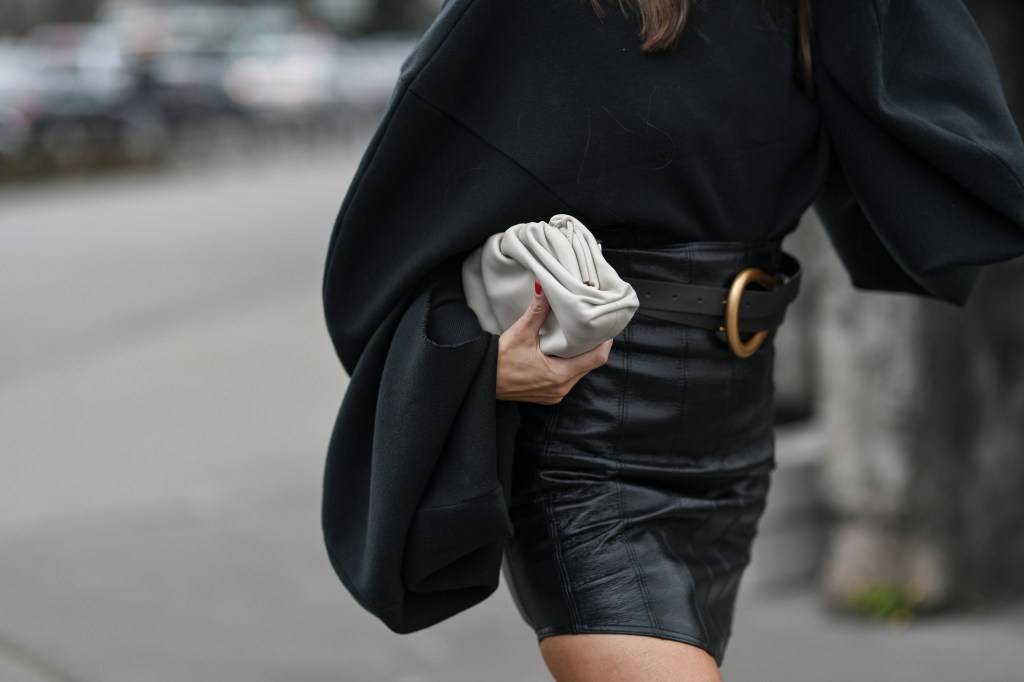
There is a particular kind of frustration that comes from trying on an outfit that looks beautiful on the hanger, saving an inspiring look from Pinterest, or buying a piece you absolutely love, only to discover that it never quite works when you wear it. The trousers feel too heavy, the jacket seems to overwhelm your frame, the dress sits differently than you imagined, or the entire outfit looks somehow less polished than the version you had in mind.
After a while, it is easy to start blaming your body, your wardrobe or your lack of personal style. You might convince yourself that you need different clothes, a completely new aesthetic or a better understanding of fashion rules. But often, the problem is much simpler. You have not yet found the silhouettes that work best for you.
Silhouette is one of the most important and overlooked parts of getting dressed. It describes the overall shape an outfit creates, from the line of your shoulders to the way a jacket falls, how trousers move around your legs and where a skirt or dress finishes. Two outfits can use almost identical colours and fabrics yet look completely different because their silhouettes create different proportions.
Understanding this can transform the way you approach your wardrobe. Instead of trying to make every trend work or wondering why certain pieces never feel quite right, you can begin recognising the shapes you naturally enjoy wearing. Shopping becomes more intentional, outfit combinations become easier, and getting dressed starts to feel less like a daily negotiation.
The goal is not to find a single silhouette you must wear forever. It is to discover the shapes that make you feel comfortable, confident and completely yourself, while giving yourself the freedom to experiment when something new catches your eye.
What Is a Silhouette in Fashion?
In fashion, a silhouette is the overall outline or shape created by clothing when you wear it. It is not simply about whether a garment is fitted or loose. It also includes the relationship between different pieces, the placement of the waist, the width of the shoulders, the length of a jacket, the volume of a skirt and the way fabric moves around your body.
Think about the difference between a fitted knit worn with wide-leg trousers and an oversized shirt paired with slim, straight-leg jeans. Both outfits can be relaxed and modern, but they create very different visual effects. One emphasises the contrast between a closer-fitting top and a fuller bottom half, while the other creates a more casual, elongated line.
A structured blazer can introduce definition to a soft outfit. A long coat can create a continuous vertical line. A cropped jacket can change the apparent proportions of a dress or pair of trousers. Even something as simple as tucking in a shirt can transform the relationship between the upper and lower halves of an outfit.
This is why buying individual pieces you love does not always guarantee that your wardrobe works together. The clothes might be beautiful on their own, but their shapes may not combine in the way you expected.
Once you begin paying attention to silhouette, you can make more informed decisions about what to wear, what to buy and how to style pieces you already own.
Why Some Clothes Never Feel Quite Right
Have you ever bought a beautiful pair of wide-leg trousers only to feel overwhelmed by the amount of fabric? Or tried an oversized blazer that looked effortlessly chic on someone else but seemed to swallow your outfit? Perhaps you own several dresses that are lovely in theory but never quite feel right when you put them on.
These experiences are common, and they do not mean that your body is difficult to dress.
Clothing is designed around particular proportions, cuts and intended fits. The same garment can behave differently depending on your height, torso length, shoulder width, waist placement and the relationship between your upper and lower body. Fabric weight, stretch and construction also affect how a piece sits and moves.
Sometimes the issue is simply the cut. A pair of trousers might fit comfortably around your hips but have too much volume through the legs for the look you want. A jacket may fit your shoulders but finish at a length that feels awkward with your favourite jeans. A dress might have the right size on the label but place its waist seam too high or too low for your proportions.
There is also the influence of styling. An oversized shirt may feel shapeless when worn loose but look completely different with the sleeves rolled up and the front loosely tucked into trousers. A midi skirt might seem difficult to wear until you find the right shoe and jacket length.
Before deciding that a particular style does not suit you, look at the entire outfit. Sometimes a small adjustment can change everything.
If you have ever wondered why certain clothes look effortlessly chic on other people but not quite right on you, our guide to why some clothes look chic on everyone else but never quite work on you explores how fit, proportion, fabric and styling influence the final result.
Forget the Rules About Dressing for Your Body Shape
Traditional fashion advice often divides women into body-shape categories and assigns a list of rules to each one. You may have been told to emphasise your waist, avoid particular trouser shapes, balance your shoulders or stay away from certain hemlines.
Although these guidelines can offer a starting point, they become limiting when you treat them as instructions you must follow.
Real bodies are individual, and two people with similar proportions may have completely different preferences. One might love structured tailoring, while the other feels happiest in relaxed dresses. One may enjoy defining the waist, while another prefers loose, uninterrupted lines. Neither approach is inherently more flattering or stylish.
Your body also changes throughout life. Your proportions, comfort preferences, routine and the kinds of clothes you enjoy can evolve. A silhouette that felt perfect several years ago might no longer suit your current lifestyle, and that does not mean you have lost your sense of style.
Instead of asking which body-shape category you belong to, pay attention to how clothing behaves on you. Notice where seams sit, how the fabric falls and which shapes allow you to move comfortably. Think about whether you prefer definition or softness, structure or fluidity, and shorter or longer outer layers.
You can still use ideas about proportion and balance, but they should help you understand your options rather than restrict them.
Our grown-up guide to dressing for your body type without labels or rules takes a similar approach, focusing on fit, comfort and personal preference instead of outdated fashion categories.
The Five Silhouettes Worth Understanding
You do not need to memorise complicated fashion terminology to understand silhouette. Start by recognising a few broad shapes and how they influence the overall feeling of an outfit. These are not categories you must choose between. They are styling tools you can combine according to your preferences.
1. The Tailored Silhouette
A tailored silhouette uses clean lines and defined construction to create a more structured appearance. Think of a blazer with a well-shaped shoulder, straight-leg trousers, a fitted waistcoat or a coat that holds its shape rather than collapsing around the body.
Tailoring can make an outfit feel polished without requiring tight clothing. The structure comes from the cut and construction rather than from the garment clinging to your figure. A beautifully cut blazer over a simple T-shirt and jeans can look just as considered as a more formal outfit.
If you enjoy clothing that feels refined, tailored pieces can provide a useful foundation. Look for shoulders that sit comfortably, sleeves that allow movement and a shape that follows your body without pulling. A blazer that is too rigid or too narrow can feel restrictive, while one with the right amount of ease can become one of the most versatile items in your wardrobe.
The key is choosing the level of structure you enjoy. You might prefer a sharply tailored jacket, a softly shaped blazer or an unlined style that feels more relaxed.
2. The Relaxed Silhouette
A relaxed silhouette allows more room and movement through the body. Oversized shirts, loose trousers, relaxed denim, fluid dresses and softly draped knitwear all fall into this category.
This style can feel effortless and comfortable, but the relationship between the pieces matters. Wearing several oversized garments together can create a deliberately voluminous look, while combining a relaxed piece with something more streamlined can make the outfit feel more defined.
For example, wide-leg trousers can look beautifully balanced with a simple top that sits closer to the body. An oversized shirt can work with straight-leg jeans and a structured bag. A loose dress can feel more intentional when paired with shoes that complement its length and shape.
However, you do not need to balance every relaxed piece with something fitted. If you love the appearance of loose clothing from head to toe, embrace it. Pay attention to fabric and length so the outfit feels deliberate rather than accidental.
Relaxed clothing should give you room to move, not make you feel as though you are hiding inside your wardrobe.
3. The Defined-Waist Silhouette
A defined-waist silhouette creates emphasis around the waist through the cut of a garment, a belt, a tuck or the relationship between the top and bottom halves of an outfit.
Wrap dresses, belted coats, high-waisted trousers and skirts worn with tucked-in tops can all create this effect. The result can feel polished, feminine or structured depending on the fabrics and styling you choose.
You do not need a naturally defined waist to enjoy this silhouette. The effect can be created through the construction of a garment or the way pieces are layered. Equally, if you dislike belts or feel uncomfortable in clothing that draws attention to your middle, you do not need to force yourself to wear them.
A useful starting point is to experiment with where a garment sits. Try a shirt tucked in fully, loosely tucked at the front or worn untucked. Compare a jacket that ends around the waist with one that falls to the hips. Small changes in placement can influence the overall proportions without requiring a new wardrobe.
The best version is the one that feels comfortable and looks intentional to you.
4. The A-Line and Flared Silhouette
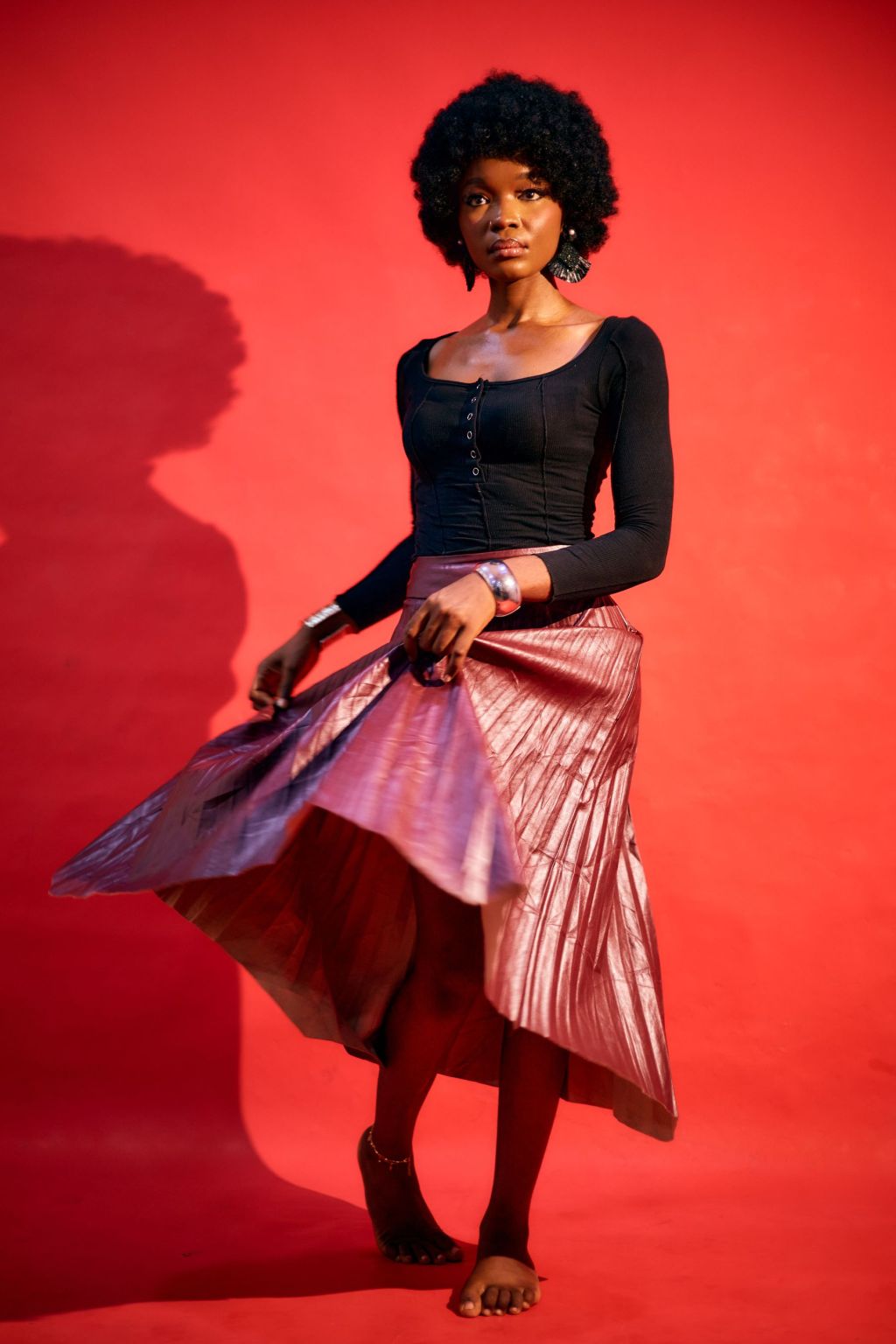
A-line skirts and dresses, flared trousers and softly widening shapes create movement through the lower half of an outfit. They can bring a sense of ease and fluidity while offering an alternative to straight or closely fitted garments.
An A-line skirt, for example, can be styled with a fitted knit for a more defined look or with a relaxed shirt for something less structured. Flared trousers can work with a simple top, a fitted jacket or a softer blouse depending on the mood you want to create.
The fabric makes a considerable difference. A structured cotton skirt creates a different outline from a fluid satin or crepe version, even when both have a similar cut. The length and footwear also influence the final effect.
If you are unsure about a flared shape, start with a piece that fits comfortably at the waist and falls naturally. You do not need to choose the most dramatic version of a silhouette to enjoy it.
5. The Column Silhouette
A column silhouette creates a relatively continuous line through an outfit, often using pieces with similar proportions or a tonal colour palette. A long dress, straight-leg trousers worn with a similarly coloured top, or a coordinated set can all create this effect.
This approach can feel elegant and understated, especially when the clothing has clean lines and fabrics that move well. It does not have to mean wearing tight clothing or choosing only neutral colours. A relaxed column of linen, a monochromatic knit-and-trouser combination or a long skirt paired with a simple top can all create a cohesive look.
Colour can strengthen the effect, but it is not essential. The main idea is continuity rather than a sharp contrast between the top and bottom halves of an outfit.
If you enjoy simple outfits that feel composed without requiring many accessories, this may be a useful silhouette to experiment with.
How to Find the Silhouettes That Work for You
The easiest way to discover your preferred silhouettes is to start with the clothes you already wear. You do not need to measure yourself, identify a body type or buy anything new. You simply need to observe what works and why.
Begin by thinking about three or four outfits you consistently enjoy wearing. These might be everyday combinations such as straight-leg jeans with a knit, tailored trousers with a shirt or a dress with a lightweight jacket. Look for patterns in their shapes. Do you prefer a defined waist? Do you like clothing that follows your body or hangs away from it? Are your favourite outfits structured, relaxed or somewhere in between?
Next, pay attention to where garments finish. Jacket length, trouser hems, skirt lengths and sleeve proportions can all influence how an outfit feels. You may discover that you consistently reach for jackets that end around the hip, trousers that fall straight to the ankle or dresses that move freely rather than cling.
Consider fabric as well. A silhouette is not determined by cut alone. Heavy denim, crisp cotton, soft jersey and fluid viscose can create very different results even when the garment shape is similar. If a particular style never seems to work, the issue may be the fabric rather than the silhouette itself.
Finally, notice how you feel when wearing the outfit. Are you comfortable sitting, walking and moving? Do you find yourself adjusting the garment throughout the day? Can you enjoy the day without thinking constantly about what you are wearing?
Your most successful silhouette should support your real life as well as look appealing in the mirror.
How to Balance Proportion Without Following Rigid Rules
Casual outfit showing balanced proportions with high waisted jeans
Casual outfit showing balanced proportions with high waisted jeans
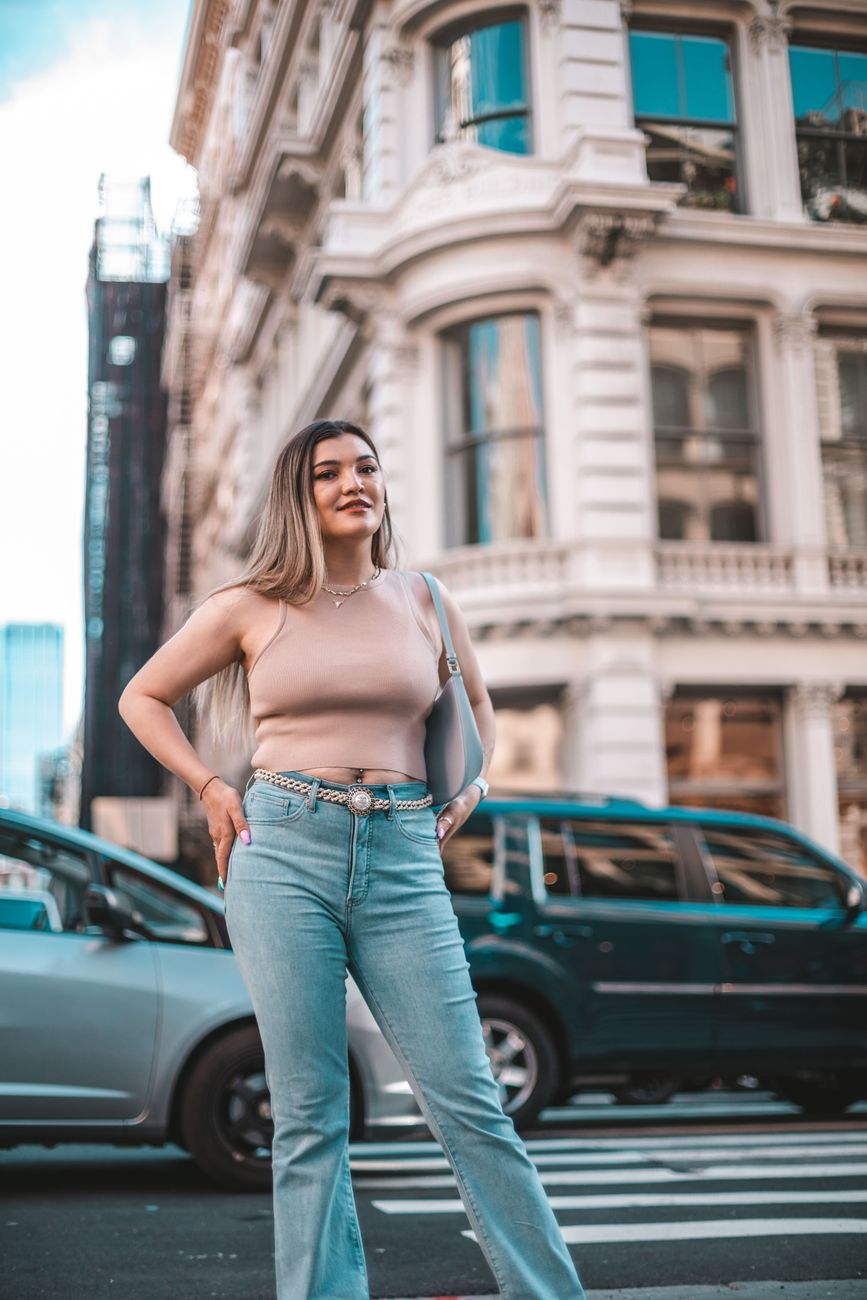
Proportion is the relationship between the different elements of an outfit. It helps explain why a particular jacket length, trouser shape or combination of volumes can change the overall appearance of your clothing.
One useful way to experiment is to change a single element while keeping the rest of the outfit the same. If you usually wear wide-leg trousers with a long, loose top, try the same trousers with a shorter jacket or a tucked-in shirt. If you love oversized blazers, compare how they look with straight-leg jeans, wide-leg trousers and a simple skirt.
You may find that one combination feels more natural than another. That is not because one is universally correct, but because its proportions work with your preferences and the effect you want to create.
You can also use contrast to make an outfit feel more intentional. A structured jacket can bring definition to fluid trousers. A soft knit can make tailored pants feel less formal. A long coat can create continuity over a simple outfit, while a shorter layer can introduce a different visual rhythm.
There is no requirement to create contrast in every outfit, however. Some people prefer a consistent, relaxed silhouette, while others enjoy sharper changes between fitted and voluminous pieces. Both approaches can work.
Think of proportion as a way to understand why you like certain combinations, not as another set of rules to worry about.
The Role of Fabric in Your Silhouette
Fabric is often the missing piece when an outfit does not look or feel the way you expected. You might love the cut of a garment but find that it falls awkwardly, clings in places you do not like or creates more volume than you intended.
This is because different fabrics behave differently. Crisp cotton tends to hold a shape, while soft jersey follows the body more closely. Wool blends can provide structure and warmth, while lightweight viscose and satin often move more fluidly. Denim varies considerably depending on its weight, stretch and construction.
When choosing a silhouette, consider what the fabric is doing rather than looking only at the garment’s shape. An oversized shirt in crisp cotton can create a clean, defined outline, while the same cut in a soft, drapey fabric may feel more relaxed. Wide-leg trousers in a lightweight material will move differently from a heavier pair with more structure.
Comfort matters just as much. If you dislike fabrics that cling, choose materials that skim or drape away from the body. If you enjoy a defined shape, look for construction that offers enough structure to hold its form without restricting movement.
Understanding fabric helps you shop more accurately because you begin looking for the complete combination of cut, material and fit rather than buying something based on appearance alone.
Build a Wardrobe Around Your Favourite Shapes
Once you recognise the silhouettes you enjoy, use that knowledge to make your wardrobe more cohesive. This does not mean buying five versions of the same outfit. It means identifying the shapes that work reliably and using them as a foundation for new combinations.
If tailored trousers and structured jackets make you feel confident, consider building several outfits around those pieces using different tops, shoes and accessories. If you prefer relaxed clothing, look for shirts, trousers and outerwear that work together without creating unnecessary bulk. If you enjoy dresses, explore different lengths, waist placements and fabrics rather than assuming that every dress will feel the same.
A wardrobe built around your preferred shapes can still include variety. You might use a familiar silhouette in a new colour, experiment with a different fabric or introduce a statement piece that adds personality. The foundation simply makes it easier to understand what you are buying and how it will work with what you already own.
This is also where a capsule wardrobe can be useful. Rather than focusing exclusively on a list of supposedly essential items, consider how each piece fits into the overall shape and feel of your wardrobe. Our ultimate capsule wardrobe guide explores how to choose practical pieces around your lifestyle, preferred proportions and personal style.
The aim is to make your clothes work together more naturally, not to make your wardrobe smaller simply for the sake of it.
What to Do When Your Favourite Trends Do Not Suit Your Silhouette
Fashion trends can be exciting, but they can also create unnecessary pressure to wear shapes that do not feel right. One season may focus on extremely oversized tailoring, another on low-rise trousers or dramatic proportions. You may love the look in photographs but feel uncomfortable when you try to recreate it.
You do not have to abandon a trend simply because the original styling does not work for you. Instead, identify the part you like and adapt it.
If you love wide-leg trousers but find a very oversized pair difficult to style, try a more moderate width or a fabric with additional structure. If you like oversized jackets but feel overwhelmed by a long, boxy cut, experiment with a shorter version. If a trend relies on a particular combination of volumes, try incorporating just one element into an outfit you already enjoy wearing.
This allows you to participate in fashion without losing your own style. It also helps prevent unnecessary purchases because you are no longer trying to reproduce an entire look exactly as you have seen it.
Our guide to what to do when fashion trends do not suit you explores how to adapt current fashion ideas while staying true to your preferences.
Remember that trends are options, not obligations. The most useful pieces are those you can wear confidently and comfortably, whether they are currently fashionable or not.
Common Silhouette Mistakes and How to Fix Them
Sometimes an outfit feels wrong because two or more elements are competing with each other. The solution is not necessarily to replace the entire look. A few small changes can often make it feel more balanced.
If an oversized outfit feels overwhelming, look at the length and fabric of each piece before deciding that you cannot wear oversized clothing. A shorter layer, a different hemline or a fabric with more structure may create the effect you want.
If tailored clothing feels stiff, check whether the shoulders, sleeves and torso allow enough movement. You may need a softer construction or a slightly different cut rather than a larger size.
If trousers bunch around your shoes, the hem may be too long for the footwear you prefer. If a skirt feels difficult to style, experiment with different top lengths and fabrics before giving up on the shape entirely.
If a dress never sits quite right, consider the placement of the waist seam, the neckline and the fabric’s drape. Small tailoring adjustments can sometimes improve the fit considerably.
Most importantly, distinguish between a garment that needs a minor adjustment and one that simply does not belong in your wardrobe. You do not need to make every purchase work. Learning which shapes you enjoy should make shopping easier, not create another project to perfect.
Stop Fighting Your Wardrobe and Start Trusting Your Style
Finding your best silhouette is not about discovering a single magic formula that makes every outfit look perfect. It is about becoming more familiar with the shapes, proportions and fabrics that help you feel comfortable and confident.
You might discover that you love the clean lines of tailored clothing, or that your favourite outfits are relaxed and fluid. You may enjoy defining your waist on some days and wearing a long, uninterrupted silhouette on others. Your preferences can change with the weather, your lifestyle, your mood and the occasion.
That flexibility is part of developing personal style.
Instead of asking whether a garment is supposed to suit your body type, ask whether you like the way it fits, moves and feels. Instead of buying a trend because everyone else seems to be wearing it, consider whether its shape works with the clothes you already enjoy. And instead of assuming your wardrobe needs a complete overhaul, experiment with the pieces you own before deciding what is missing.
When you understand silhouette, you become better at making deliberate choices. You can recognise why certain outfits work, adapt pieces that almost feel right and let go of the ones that never do.
Your wardrobe should make getting dressed easier. The more you understand your own preferences, the less time you spend fighting your clothes and the more room you have to enjoy wearing them.
Frequently Asked Questions
How do I find the best silhouette for my body?
Start by identifying outfits you already enjoy wearing and noticing their shared characteristics. Look at jacket lengths, waist placement, trouser shapes, skirt lengths and how closely clothing follows your body. Pay attention to comfort and movement as well as appearance. You do not need to identify a particular body-shape category to discover the silhouettes that work for you.
What is the difference between body shape and silhouette?
Body shape describes the natural proportions of your body, while silhouette refers to the overall outline created by your clothing. Your body shape may influence how a garment fits, but your silhouette is something you can change through cut, fabric, layering and styling.
Can I wear oversized clothing if I prefer a more defined silhouette?
Yes. You can experiment with oversized clothing in different ways, from a single relaxed piece to a deliberately voluminous outfit. If you want more definition, try changing the length of a jacket, tucking in a top or choosing a fabric with more structure. The goal is to find a combination that feels right for you.
Are certain silhouettes more flattering than others?
No single silhouette is universally the most flattering. Different shapes create different effects, and what you prefer depends on your proportions, comfort, lifestyle and personal taste. A silhouette is successful when it makes you feel good and supports the look you want to create.
Why do clothes look different on me than they do on a model?
Clothing is influenced by proportions, garment construction, fabric, styling and the way it fits the individual wearing it. Models may also wear samples that have been tailored or styled for photography. If a garment looks different on you, consider its fit and styling before assuming that the problem is your body.
Should I choose clothes based on my height?
Height can influence how clothing lengths and proportions appear, but it should not dictate what you can wear. If a garment feels too long, too short or overwhelming, experiment with different lengths and styling. Petite, tall and regular sizing can be useful options, but personal preference matters just as much.
How can I make my wardrobe more cohesive?
Identify the silhouettes you enjoy most and use them as a foundation for choosing new pieces. Consider how the length, shape and fabric of each item work with your existing clothes. You can create variety through colour, texture and accessories while keeping the overall wardrobe practical and easy to style.
Do I need to follow body-shape fashion rules?
No. Body-shape guides can offer ideas, but they should not dictate what you wear. Focus on fit, comfort, proportions and the styles you genuinely enjoy. Use fashion advice as a starting point and adapt it to your own needs rather than treating it as a set of restrictions.
Where’s Next?
If you are ready to make your wardrobe feel more natural and discover which clothes genuinely work for you, these eleSTYLED guides are a useful next step. A Grown-Up Guide to Dressing for Your Body Type Without Labels or Rules explores how to understand your proportions, choose clothes that fit comfortably and develop a personal approach to dressing without relying on restrictive body-shape categories. Why Some Clothes Look Chic on Everyone Else but Never Quite Work on You looks at the relationship between fit, proportion, colour and styling, helping you understand why a beautiful garment might need a different approach to work in your wardrobe. The Ultimate Capsule Wardrobe Australia: What You Actually Need in 2026 offers practical guidance on choosing versatile wardrobe pieces that suit your lifestyle and preferred shapes rather than simply following a checklist. The Classic Wardrobe 101: The Timeless Pieces Every Woman Should Own explores how timeless staples, thoughtful proportions and well-chosen foundations can make everyday dressing easier. What to Wear When Nothing Feels Right: A Practical Style Reset for Your Wardrobe is a helpful guide if you feel disconnected from your clothes and want to reassess your wardrobe without immediately buying more.
The Wrap
Your best silhouette is not a shape you have to earn, a body type you need to identify or a fashion rule you must follow. It is the relationship between your clothes, your proportions, your comfort and the way you want to express yourself.
Once you begin noticing which cuts, lengths and fabrics feel right, getting dressed becomes less complicated. You start recognising why certain outfits work, how small adjustments can change a look and which purchases are likely to become genuine wardrobe favourites.
You do not need to make every trend work or force yourself into clothing that looks beautiful on someone else. You simply need to understand your preferences well enough to make your wardrobe work for you.
Experiment with the shapes you love, trust what feels comfortable and give yourself permission to change your mind. Your style will develop naturally as you learn what works in real life.
The goal is not a perfect wardrobe. It is a wardrobe that feels like yours.

Leave a Reply