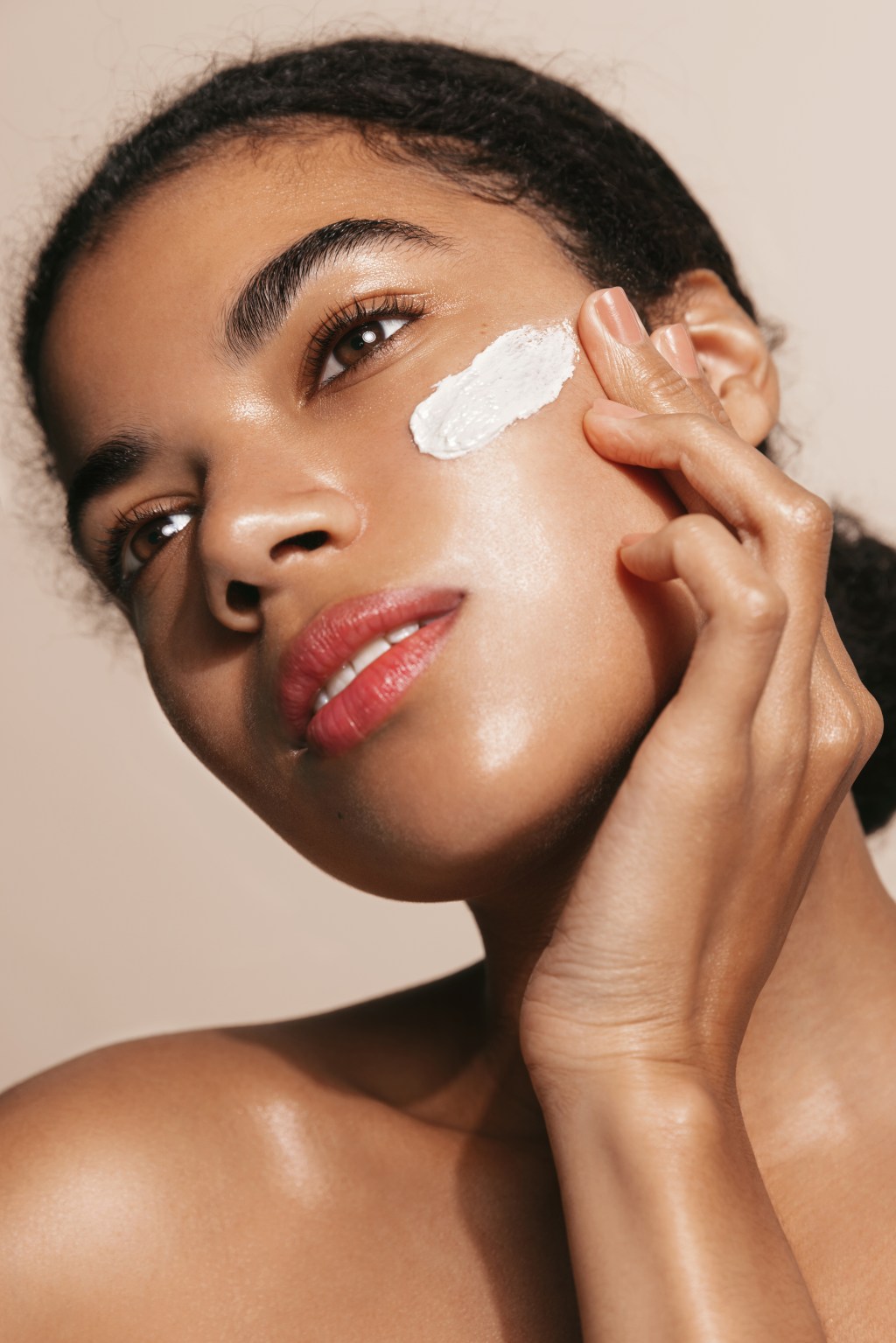
There was a time when a good skincare routine meant washing your face, applying moisturiser and remembering sunscreen. Then came the serums, the exfoliating acids, the retinol, the toners, the overnight masks and the promise that one more product might finally give us the skin we had been chasing.
Suddenly, skincare became less of a daily ritual and more of a full-time project. Our bathroom shelves filled up. Our routines grew longer. We learned to pronounce ingredients we had never heard of a few years earlier, and started wondering whether our skin was missing out if we weren’t using them all.
But something interesting is happening. More people are questioning whether their elaborate routines are actually helping. Redness, dryness, sensitivity, breakouts and that frustrating feeling of skin that seems unhappy no matter what we apply have prompted a rethink. Instead of asking what else we should add, we are beginning to ask a much more important question: what if our skin needs less?
Welcome to the great skincare backlash. It isn’t about abandoning beauty or giving up on healthy, glowing skin. It’s about stepping away from the pressure to constantly correct, treat and perfect ourselves, and remembering that sometimes the smartest beauty decision is to simplify.
How Skincare Became So Complicated
Skincare used to be something we did almost without thinking. Now, it can feel like a carefully choreographed routine in which every product has a job, every ingredient has a supposed benefit and every new launch offers another reason to reconsider what we already own.

Social media has played a significant role in this shift. A single scroll can take us from a 10-step Korean skincare routine to a dermatologist explaining retinoids, followed by an influencer demonstrating an exfoliating peel and someone else insisting that a particular serum is the secret to glass skin. Each video sounds convincing in isolation. Together, they can make a perfectly reasonable routine feel inadequate.
The beauty industry has also become exceptionally good at turning skin concerns into shopping lists. Dullness needs an exfoliant. Fine lines need a retinoid. Uneven tone needs a brightening serum. Dehydration needs another layer of hydration. Before long, we are treating every small variation in our complexion as a problem that requires a product.
There is nothing inherently wrong with enjoying skincare or experimenting with ingredients. Effective products can make a meaningful difference to the appearance and comfort of our skin. The problem begins when we assume that a larger collection automatically means better results.
Healthy skin does not need to be a never-ending renovation project. It needs care that makes sense for its individual needs.
The More-Is-More Trap
One of the biggest misconceptions in modern skincare is that more active ingredients must lead to faster or more impressive results. In reality, the relationship between skincare and results is rarely that straightforward.
Retinoids, exfoliating acids and other active ingredients can be useful when chosen appropriately and introduced carefully. But using several potent products too frequently, or combining them without understanding how your skin responds, can increase the risk of irritation. The result may be tightness, flaking, redness, stinging or a complexion that suddenly seems much more sensitive than before.
Sometimes, the problem isn’t a single product. It’s the accumulation of everything else. A strong cleanser, an exfoliating toner, a retinol serum and a resurfacing mask might each have a place in someone’s routine, but using them all without considering frequency, compatibility and tolerance can be too much.
This is where the skincare conversation needs a little more nuance. An ingredient isn’t automatically bad because it can irritate the skin, just as a product isn’t automatically good because it contains an impressive concentration of active ingredients. Formulation, frequency, application and your own skin’s tolerance all matter.
The goal isn’t to collect the strongest products. It’s to find an approach that supports your skin without constantly pushing it to its limits.
Is Your Skin Asking You to Slow Down?
Skin doesn’t always tell us what it needs in obvious ways. Sometimes, the signs that a routine isn’t working are subtle enough to be mistaken for a reason to buy something else.
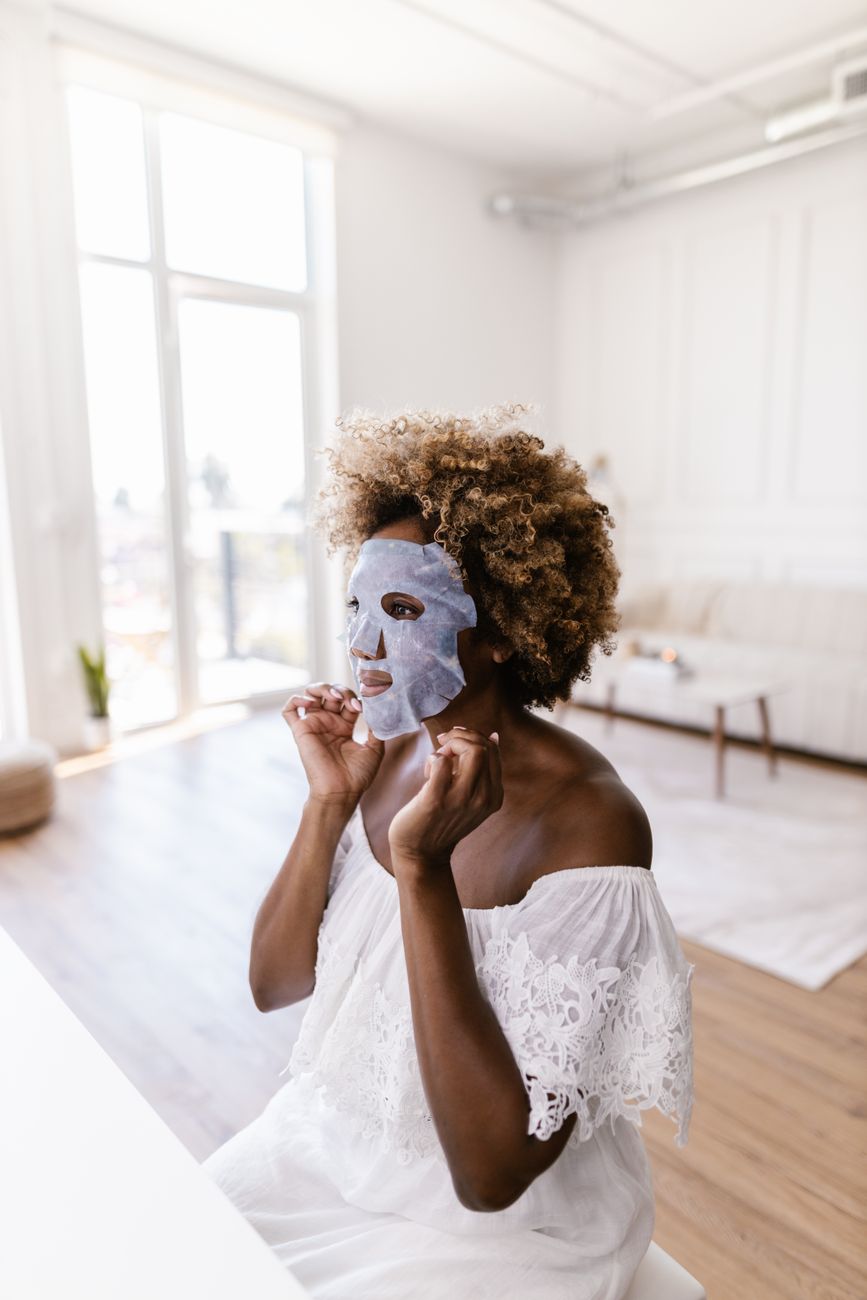
Perhaps your moisturiser suddenly stings. Your cheeks feel tight shortly after cleansing. Your complexion looks flaky despite applying several hydrating products. You experience redness more often, or products that previously felt comfortable now seem irritating. You may even find yourself adding more layers in an attempt to fix the discomfort caused by the layers already there.
These symptoms can have several causes, and they don’t automatically mean you’ve damaged your skin barrier. Weather, underlying skin conditions, allergies and other factors can also contribute. But when irritation appears after introducing several new products or increasing the frequency of active ingredients, it’s worth reconsidering the routine.
A useful starting point is to stop treating every new symptom as an invitation to experiment. If your skin feels uncomfortable, a simpler routine may give you a clearer picture of what is happening.
For more on keeping skin comfortable when environmental conditions change, read our guide on how to care for your skin in winter. Its central lesson is worth remembering throughout the year: skincare should respond to what your skin needs, rather than forcing it through the same routine regardless of how it feels.
The Skin Barrier: The Beauty Essential We Should Be Talking About More
We spend so much time thinking about glow, smoothness and the appearance of fine lines that it’s easy to overlook the skin barrier. Yet this protective outer layer plays an essential role in helping the skin retain moisture and defend itself against external irritants.
When the barrier is functioning well, skin is generally better able to maintain hydration and tolerate everyday environmental exposure. When it becomes compromised or irritated, dryness, sensitivity and discomfort can become more noticeable.
This doesn’t mean everyone needs a complicated collection of barrier-repair products. In many cases, the fundamentals are a gentle cleanser, a moisturiser that suits your skin and consistent sun protection. Some people may benefit from products containing ingredients such as ceramides, glycerin or panthenol, but the right choice depends on individual needs and tolerability.
It is also important to understand that the skin barrier isn’t something we need to constantly fix. If your skin feels comfortable and your routine is working, there may be no reason to overhaul it simply because a new product is trending.
Healthy skin is not necessarily the skin with the most elaborate routine. It is skin that is cared for consistently and treated with consideration.
The Case for Going Back to Basics
If your skincare routine has started to feel overwhelming, simplifying it doesn’t have to mean throwing everything away and starting from scratch. Think of it as editing your routine rather than punishing yourself for having one.
Morning: Cleanse, Moisturise and Protect
A morning routine can be refreshingly uncomplicated. Depending on your skin type and how it feels when you wake up, you may prefer a gentle cleanser or simply rinsing with water. Follow with a moisturiser if needed, then broad-spectrum sunscreen with SPF 30 or higher, applied as directed and reapplied when appropriate.
Sunscreen is one of the most worthwhile steps in a long-term skincare routine because it helps protect against sun damage. You don’t need a dozen products underneath it to make your morning routine valuable.
If you enjoy discovering products that make everyday skincare feel more pleasurable, our Beauty of Joseon Relief Sun SPF 50+ review explores one popular sunscreen option. The important thing is finding sun protection that suits your skin and that you will use consistently.
Evening: Remove the Day and Give Your Skin What It Needs
Evening skincare is an opportunity to remove sunscreen, makeup, excess oil and everyday impurities. A gentle cleanser followed by a comfortable moisturiser may be enough for many people.
If you use a targeted treatment, such as a retinoid or an exfoliating product, consider whether it genuinely serves a purpose in your routine. You don’t need to use every active ingredient every night, and you don’t need to introduce several new treatments at once.
For anyone who enjoys ingredient-led skincare, our guide to peptides in skincare, including their benefits and how to use them offers more insight into a popular category of ingredients. The takeaway isn’t that everyone needs peptides. It’s that understanding a product’s role is more useful than adding it simply because it is having a moment.
Are We Confusing Irritation With Progress?
This is one of the most important questions in the current skincare conversation. For years, there has been a tendency to interpret tingling, peeling and redness as signs that a product is working. Sometimes, people accept discomfort because they believe it means an ingredient is doing something powerful.
But discomfort is not a reliable measure of effectiveness. A product can support long-term skin goals without making your face feel as though it has been through a workout. Equally, a dramatic sensation doesn’t prove that an ingredient is delivering better results.
Some active ingredients can cause temporary irritation, particularly when first introduced, but persistent burning, significant redness, swelling or worsening discomfort should not be treated as a beauty milestone. Stop using a product that appears to be causing a reaction and seek medical advice if symptoms are severe, persistent or concerning.
We should also be careful not to confuse the normal adjustment period of a treatment with a reason to push through any reaction. Different ingredients have different effects, and not every product is suitable for every person.
The most useful question is not whether your skincare routine feels powerful. It’s whether it is helping you meet your goals while keeping your skin comfortable and healthy.
Do You Really Need Every Trending Ingredient?
One month, everyone seems to be talking about retinol. The next, peptides, exosomes, skin cycling or another innovative-sounding ingredient dominates the conversation. There is genuine science behind many skincare developments, but the speed at which trends move can make it difficult to separate useful information from marketing noise.
The answer is not to dismiss every new ingredient. It’s to become more selective about what earns a place in your routine.
Start by identifying your actual concern. Are you dealing with persistent dryness, acne, pigmentation or signs of sun damage? Or are you simply feeling that your skin should look better because every other person online seems to have a perfect complexion?
That distinction matters. A product chosen to address a specific concern is easier to evaluate than one purchased because it promises an undefined kind of glow.
It can also help to give products enough time to assess their usefulness, while recognising that irritation is a reason to stop rather than endure. Introducing one new product at a time makes it easier to identify what works for you.
Our feature, I’m a Beauty Editor, and These Are the 5 Skincare Products I Happily Spend My Money On, explores a more considered approach to product selection. A thoughtful edit of reliable essentials can be far more satisfying than a bathroom cabinet full of products you rarely finish.
The Emotional Side of Skincare Overload
There is another part of this conversation that deserves attention: the way skincare can affect how we feel about ourselves.
Beauty routines can be relaxing, creative and genuinely enjoyable. They can also become a source of pressure when we start examining every pore, line or patch of texture as evidence that we are doing something wrong. The more we scrutinise our skin, the more flaws we may feel compelled to correct.
Social media rarely makes this easier. Filters, strategic lighting, professional treatments and carefully edited images can create unrealistic expectations of what skin should look like. Even when we know that images are curated, repeated exposure can quietly shift our sense of what is normal.
Real skin has texture. It changes with age, hormones, stress, weather and countless other factors. A few visible pores or fine lines do not mean your skincare routine has failed.
Stepping back from constant comparison can be just as valuable as stepping back from unnecessary products. You are allowed to enjoy skincare without making your appearance a daily performance review.
The most inspiring beauty routine is one that helps you feel comfortable and confident in your own skin, not one that leaves you searching for the next thing to fix.
How to Reset Your Routine Without Overthinking It
If you’re ready for a skincare reset, start by taking stock of what you already use. Put aside the products you purchased on impulse, the ones that have been irritating your skin and anything you no longer understand the purpose of using.
For a while, focus on a gentle cleanser, a moisturiser that suits your skin and daily sun protection. If your skin is particularly irritated, consider pausing non-essential active treatments while it settles. Keep the routine consistent and avoid introducing multiple new products during this period.
Once your skin feels comfortable again, you can reconsider whether a targeted treatment is necessary. Add products gradually, follow their directions and pay attention to how your skin responds. There is no universal routine that works for everyone, and you don’t need to follow someone else’s exact sequence to care for yourself well.
If you experience ongoing acne, persistent redness, severe dryness or a reaction that doesn’t improve, a qualified healthcare professional or dermatologist can help you understand what is happening. Sometimes, the answer isn’t another cosmetic product but a more tailored approach to a specific skin concern.
Above all, give yourself permission to stop chasing every trend. You can love beauty, enjoy a beautifully formulated serum and still decide that your skin doesn’t need it.
The New Skincare Luxury Is Knowing When to Stop
Perhaps the most refreshing beauty trend isn’t a particular ingredient or a revolutionary new treatment. Perhaps it is the freedom to be more selective.
Imagine opening your bathroom cabinet and seeing only products you genuinely enjoy using. Imagine getting ready in the morning without wondering whether you have missed a crucial step. Imagine choosing a product because it suits your skin, rather than because an algorithm has convinced you that everyone else is using it.
There is something quietly empowering about that kind of simplicity. It gives us room to focus on what works, spend more thoughtfully and enjoy skincare without turning it into an endless pursuit of perfection.
The great skincare backlash is not a rejection of science, innovation or self-care. It is a reminder that the best routine is not necessarily the longest, the most expensive or the one with the most impressive ingredient list.
Sometimes, looking after your skin means adding something useful. Sometimes, it means changing what you use. And sometimes, it means putting the bottle down, giving your skin a little breathing room and remembering that you don’t need to fix everything about yourself.
Because the real goal was never to own every serum on the shelf. It was to feel good in your skin.
FAQs
Can using too many skincare products damage your skin?
Using too many products, particularly strong active ingredients too frequently or in combinations your skin cannot tolerate, can contribute to irritation and may compromise the skin barrier. More products do not automatically mean better results. A simple routine that suits your skin is often a sensible starting point.
What are the signs that my skincare routine is too harsh?
Persistent tightness, burning, redness, flaking, unusual sensitivity and discomfort after applying products can indicate irritation. These symptoms can have other causes, too, so consider recent changes in your routine and seek professional advice if symptoms persist or worsen.
Should I stop using retinol and exfoliating acids?
Not necessarily. Retinoids and exfoliating acids can be useful for certain skin concerns when used appropriately. However, they are not essential for everyone, and using them too frequently can cause irritation. Follow product directions, introduce treatments gradually and stop if you experience a significant reaction.
How many skincare products do I actually need?
There is no ideal number for everyone. Many people can build a basic routine around a gentle cleanser, a suitable moisturiser and broad-spectrum sunscreen. Additional products should have a clear purpose and suit your skin’s needs rather than simply follow a trend.
How long should I give my skin a break after irritation?
There is no fixed recovery period because it depends on the cause and severity of the irritation. Pause products that appear to trigger a reaction and focus on gentle care while your skin settles. If symptoms are severe, persistent or worsening, consult a healthcare professional or dermatologist rather than relying on a skincare reset alone.
Is a simple skincare routine better than a 10-step routine?
A simple routine can be just as useful, and sometimes easier to maintain, than a lengthy one. What matters most is choosing suitable products, using them consistently and avoiding unnecessary irritation. A longer routine can work for some people, but the extra steps should serve a purpose.
Where to Next?
If this skincare rethink has you ready to edit your beauty shelf, start with our guide to the skincare products a beauty editor genuinely spends money on. For a closer look at keeping skin comfortable when conditions change, explore how to care for your skin in winter.
Curious about ingredients without wanting to chase every trend? Our guide to peptides in skincare explains what they are and how they fit into a considered routine. You can also read our review of Beauty of Joseon Relief Sun SPF 50+ if you’re looking for a sunscreen that makes daily protection feel more enjoyable.
And if you want to explore another popular skincare ingredient, discover what retinol can offer your body skincare routine. Because great skincare isn’t about doing everything. It’s about finding what works for you and feeling confident enough to leave the rest behind.





Leave a Reply