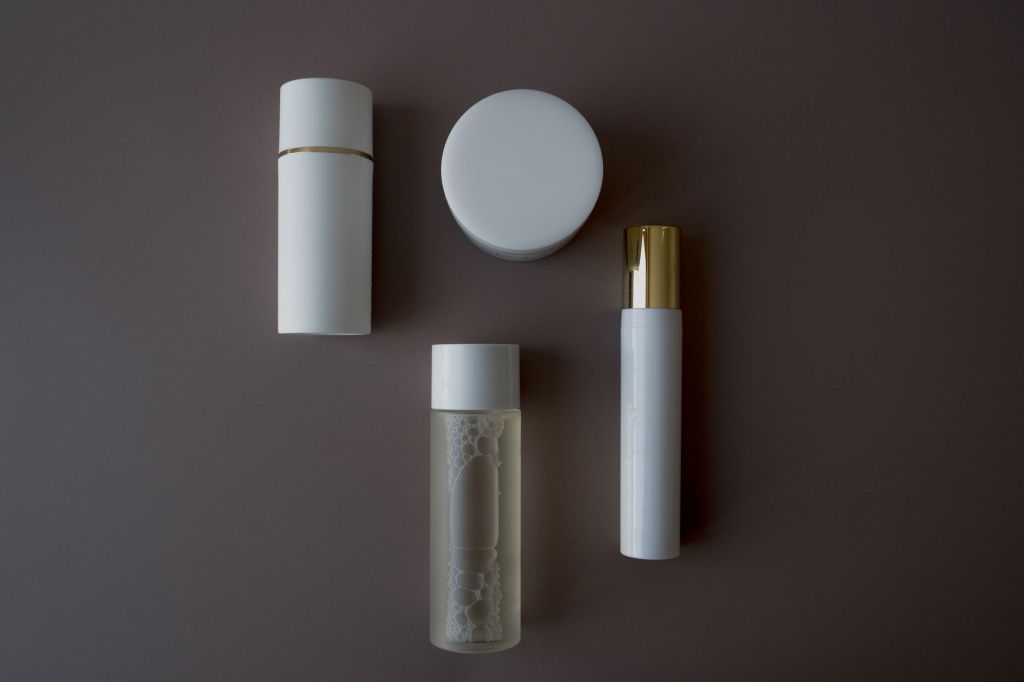
A beautifully weighted jar can make a moisturiser feel persuasive before you have opened it. The lid turns smoothly, the cream has a lovely texture and the description suggests years of expertise distilled into one small object. Then you see a pharmacy moisturiser with some familiar ingredients at a fraction of the price, and the obvious question follows.
Is expensive skincare actually better?
Sometimes a higher-priced formula offers something useful: a texture you prefer, convincing product-specific research or a combination that works particularly well for your skin. Sometimes you are paying for a more luxurious experience. Price alone cannot tell you which of those things you are buying.
The useful approach is to separate performance, comfort and pleasure. All three can have value. They simply deserve different questions before you hand over your money.
The short answer: a higher price is not proof of a better result
The American Academy of Dermatology’s advice on skincare budgets is clear that products do not need to be expensive to be effective. Its suggested foundations are simple: cleansing, moisturising and sun protection.
That does not mean every inexpensive product is excellent or every luxury product is unnecessary. It means the price is an unreliable shortcut. You still need to know what the product does, whether it suits your skin and what evidence supports the claims that matter to you.
A cleanser you enjoy using and a sunscreen you apply properly may contribute more to a useful routine than another serum selected because it sounds advanced. Start with the job you need done, then compare products that are intended to do it.
What the price of a skincare product can include
The formula and the work behind it
Ingredients, formulation development, manufacturing and testing can all contribute to cost. A product also needs to remain usable over its intended life, dispense consistently and have appropriate packaging for the formula.
Some products involve proprietary technology or testing of the finished formulation. Others use familiar ingredients in a well-made base. Neither description tells the whole story without looking at the actual evidence.
Be careful about assuming an expensive ingredient automatically transforms the finished product. Its form, amount, stability and interaction with the rest of the formula can matter. An impressive ingredient story and a convincing result are related questions, but they are not interchangeable.
Packaging, distribution and the brand experience
The container, outer box, retail environment, advertising and distribution can also contribute to what you pay. A heavy glass jar may be enjoyable to own, but its weight is not evidence that the contents will moisturise better.
Without a brand’s financial information, nobody can accurately tell you how much of a particular retail price goes to ingredients, research or marketing. Treat confident claims that a cream costs only a few dollars to make with the same scepticism you apply to a miraculous product promise.
Luxury is allowed to be pleasurable. The useful distinction is whether you are buying that pleasure knowingly or assuming the packaging guarantees a stronger clinical effect.
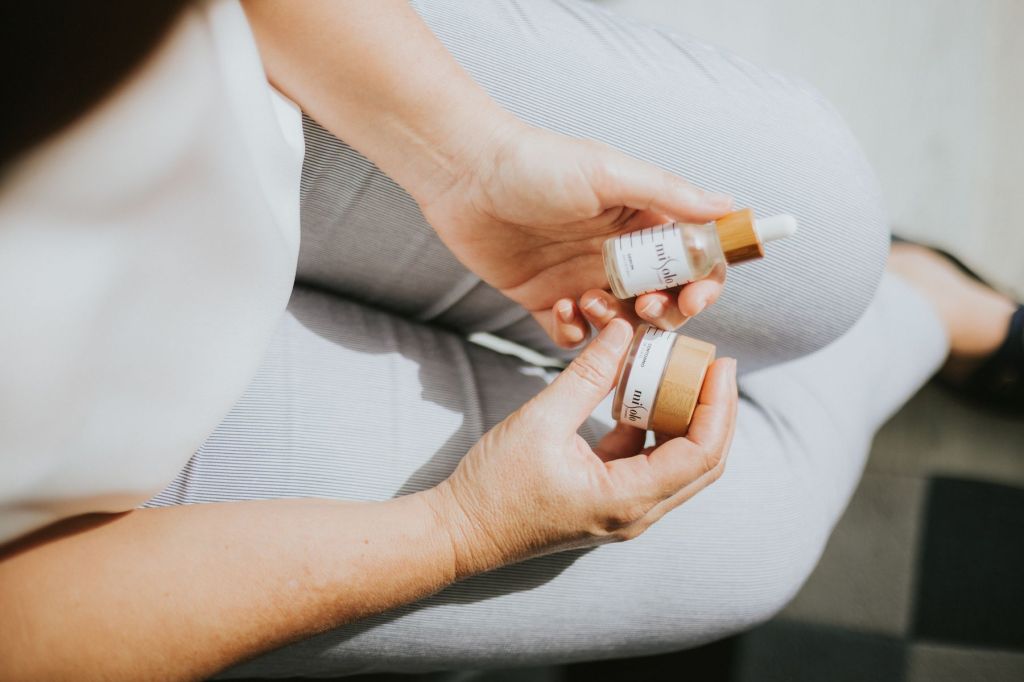
Start with the product’s job
Before comparing two creams, describe the problem in plain language. Do you want skin to feel less dry? Are you looking for a cleanser that removes makeup without leaving discomfort? Are you considering a treatment for a particular concern?
A vague aim such as “better skin” makes almost any product sound relevant. A specific aim lets you evaluate whether the product has done what you bought it to do.
Our beauty editor’s skincare spending edit offers one perspective on where an individual chooses to spend. Read any personal edit as an account of preference and experience, not a universal shopping list. Your skin and priorities may require a different allocation.
If the concern is persistent acne, an ongoing rash or a changing skin lesion, the next useful purchase may not be a cosmetic at all. Appropriate assessment can be more useful than repeatedly upgrading the price of your routine.
Familiar ingredients can do valuable work
A moisturiser does not need an exotic origin story to be useful. DermNet’s guide to moisturisers explains three important roles: humectants help attract and retain water, emollients soften and smooth, and occlusives reduce water loss.
Ingredients such as glycerine, petrolatum and dimethicone appear in many formulations for practical reasons. Their familiarity is not a flaw. The more relevant question is how the finished product feels and performs for the person using it.
Two creams can contain some of the same ingredients and still have different textures, proportions and wear. One may sit comfortably beneath makeup while another feels more suitable at night. That difference can justify a preference without proving one is universally superior.
Choose the texture you can use consistently and comfortably. The richest product is not automatically the best moisturiser for oily skin, and the lightest gel may leave dry skin wanting more.

An ingredient list is useful, but it is not a recipe
Ingredient lists can help identify substances you know you react to and compare the broad character of products. They do not reveal the entire formulation process or provide a complete prediction of performance.
The Australian cosmetic ingredients labelling guide explains how ingredient information is provided. Under the mandatory standard, ingredients can be listed in descending order, with a permitted approach allowing ingredients below one per cent in any order after those at one per cent or more.
That is one reason the position of an ingredient cannot reliably tell you its exact concentration. Nor does a long list automatically mean a better formula, or a short one guarantee suitability.
If a particular active ingredient is central to the product’s promise, look for clear information from the maker about the form used and any supporting evidence. A mysterious proprietary name is an invitation to ask questions, not a reason to assume exceptional performance.
Ask whether the research matches the product
Research on an ingredient can be useful, but it does not automatically establish the performance of every product that contains it. Look for whether the finished formula was tested, on whom, for how long and against what comparison.
A result measured by an instrument is different from participants saying their skin felt smoother. Both may offer information, but they answer different questions. Check the wording before treating a satisfaction percentage as proof of a structural change in the skin.
Consider scale as well. A small study may be interesting without settling the question for everyone. Brand-funded research is not automatically worthless, but clear methods and relevant comparisons make it easier to assess.
The same caution applies to before-and-after photographs. Consistent lighting, expression, camera position and the use of makeup matter. A photograph can illustrate an experience without telling you how much of the change came from the product.
Some ingredients have evidence, but formulation still matters
Vitamin C is a useful example. Harvard Health’s review of topical vitamin C describes promising clinical findings for concerns including wrinkles and pigmentation, while also noting the limited number of trials and need for more research. That is more measured than assuming every vitamin C serum produces the same result.
Retinoids are another category where the exact product and your tolerance matter. The AAD distinguishes retinol from prescription retinoid options. A cosmetic containing retinol is not interchangeable with a prescription treatment. If you want background before discussing options with a professional, read our guide to retinol.
Similarly, a broad ingredient category can contain different substances and levels of evidence. Our peptides in skincare explainer introduces the vocabulary, but a product still needs to be judged on its own formulation and claims.
Buying the highest advertised strength is not a reliable strategy. A routine you cannot tolerate or use as directed is unlikely to become the most useful one.
Where saving often makes sense
Consider starting with a straightforward cleanser that suits your skin and removes what you need it to remove. A luxurious texture can be enjoyable, but you do not need an elaborate ingredient story simply to justify a basic cleansing step.
A comfortable moisturiser is another sensible place to compare across price ranges. Ask whether it relieves the dryness you wanted to address and works with the rest of your routine. If an affordable option already does that, upgrading is a choice rather than an obligation.
Avoid paying twice for overlapping functions without noticing. Several hydrating products may feel lovely, but you may only need one or two of those steps. Try simplifying before assuming an additional layer will fix a routine that feels uncomfortable.
If weather has changed what your skin needs, our winter skincare guide offers a useful seasonal perspective. Sometimes changing texture or application is more relevant than moving to a more expensive brand.
Where spending more may make sense
A higher price can be reasonable when it buys a benefit you can identify. Perhaps the finish is comfortable beneath makeup, the packaging is easier for you to use or the product has relevant evidence for the outcome you want.
Try a sample where available and assess it over ordinary use. Notice comfort, dispensing, the amount needed and how it fits with other products. Luxury texture is a legitimate preference; it simply needs to fit your budget.
You may also value professional guidance, especially when you are unsure which concern you are treating. A consultation can help clarify priorities before you spend repeatedly on products aimed at different problems.
Our interview with skincare founder Gabrielle Singh offers a brand perspective on ingredients and skincare myths. Read founder expertise alongside independent evidence, keeping the commercial context in mind.
Sunscreen deserves its own decision
For Australian readers, choose sunscreen according to its protective function, suitability and labelled instructions. Cancer Council recommends SPF50 or SPF50+, broad-spectrum, water-resistant sunscreen, applied as directed and reapplied regularly, including after swimming or sweating. Use it alongside clothing, shade and other sun protection.
The Therapeutic Goods Administration explains that therapeutic sunscreens are generally included in the Australian Register of Therapeutic Goods through the listed-medicine pathway and carry an AUST L number.
An AUST L number is not a luxury ranking, and an elegant cosmetic finish is not a reason to apply less than directed. Look for a suitable, in-date product you can use properly and check current TGA advice when evaluating a specific sunscreen.
Give your routine a fair, sensible trial
Introduce one new product at a time so you can identify what has changed. Follow the directions and do not interpret discomfort as evidence that a product is working harder.
The American Academy of Dermatology’s wrinkle-product guidance advises realistic expectations and allowing time for results. Moisturising effects can be immediate, while other intended changes may take weeks or months. Stop products that cause irritation and seek advice when needed.
Keep a brief note of what you are using and what you want to assess. If you use photos, take them in similar conditions. Check whether the improvement matters to you, not just whether you can find any difference under magnification.
A review such as our Torriden Dive-In Serum review can help you understand someone else’s experience of a hydrating product. It cannot predict your own result, which is why a clear aim and careful trial remain useful.
Frequently asked questions
Is expensive skincare always a waste of money?
No. A higher-priced product may offer a texture, convenience or evidence you value. The mistake is treating price itself as proof that the product will work better.
Are affordable and luxury products with similar ingredients identical?
Not necessarily. The ingredient list does not reveal every formulation detail, manufacturing choice or proportion. Compare the finished products and relevant evidence.
Should I spend more on a serum than a moisturiser?
There is no required spending hierarchy. Buy for a specific role and check whether the product suits your skin, routine and budget.
Can I replace professional treatment with luxury skincare?
A cosmetic product is not a substitute for assessment or prescribed treatment when those are needed. Clarify the concern before spending more on another product.
Where to next: What to Read Next
Explore What Are Peptides in Skincare? to become more comfortable with one frequently marketed ingredient category.
Then return to Everything You Need to Know About Retinol for background before deciding whether that ingredient belongs in your routine.




Leave a Reply