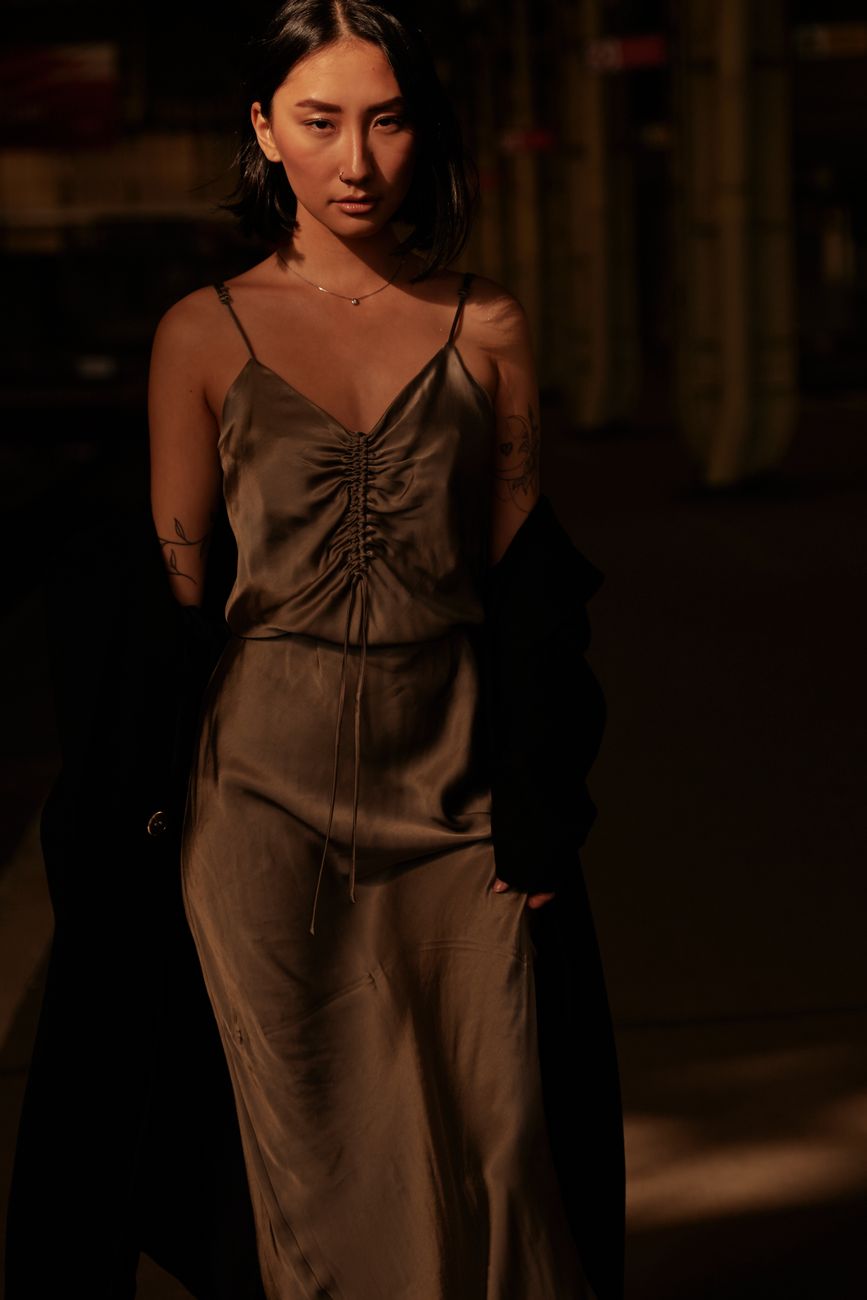
Brown has quietly become one of the most useful colours in a wardrobe. Chocolate tailoring can make an outfit feel polished without looking overly formal. Camel works beautifully with denim, cream and black. Tan brings a lighter, more relaxed quality to everyday dressing, while deep espresso can make even a simple outfit feel rich and considered.
Yet brown is sometimes treated as though it is one colour with one set of styling rules but it’s not.
Brown can range from pale beige and warm camel through honey, caramel and tan to chocolate, chestnut and almost-black espresso. Some versions are warm and golden, while others are cooler, greyer or more muted. The fabric, finish and amount of contrast in an outfit can change the way each shade looks against your complexion.
The good news is that there is a brown for almost everyone.
Rather than asking whether your skin tone is “right” for brown, it is more useful to consider your undertone, natural contrast and the particular brown you are wearing. A soft camel near the face creates a very different effect from a dark espresso blazer, even though both belong to the same colour family.
This guide explores how to wear brown across different skin tones, how to choose between chocolate, camel, tan and espresso, which colours pair beautifully with each shade and how to make brown feel modern rather than dark overly autumnal.
Is Brown Flattering on Every Skin Tone?
Yes. Brown can work beautifully across every skin tone.
The key is not finding one universally flattering brown. It is finding the right depth, temperature and contrast for the effect you want.
Warm complexions often harmonise naturally with golden camel, caramel, cognac and chocolate. Cool complexions may prefer taupe-browns, softer mocha shades or espresso, particularly when brown is balanced with cooler colours. Neutral complexions can usually move between a wider range of browns, while olive skin often works especially well with earthy, muted and slightly complex shades.
But these are starting points rather than strict rules.
A cool complexion can absolutely wear camel. A warm complexion can look striking in espresso. A fair complexion does not automatically need pale brown, and deep skin does not automatically need the darkest shade.
Contrast matters too.
A pale camel coat against fair skin creates a quiet, low-contrast effect. The same camel coat against deep skin creates much stronger contrast. Neither is better; they simply create different visual results.
Understanding Your Skin Tone and Undertone
Before choosing your best brown, it helps to understand two things that are often confused.
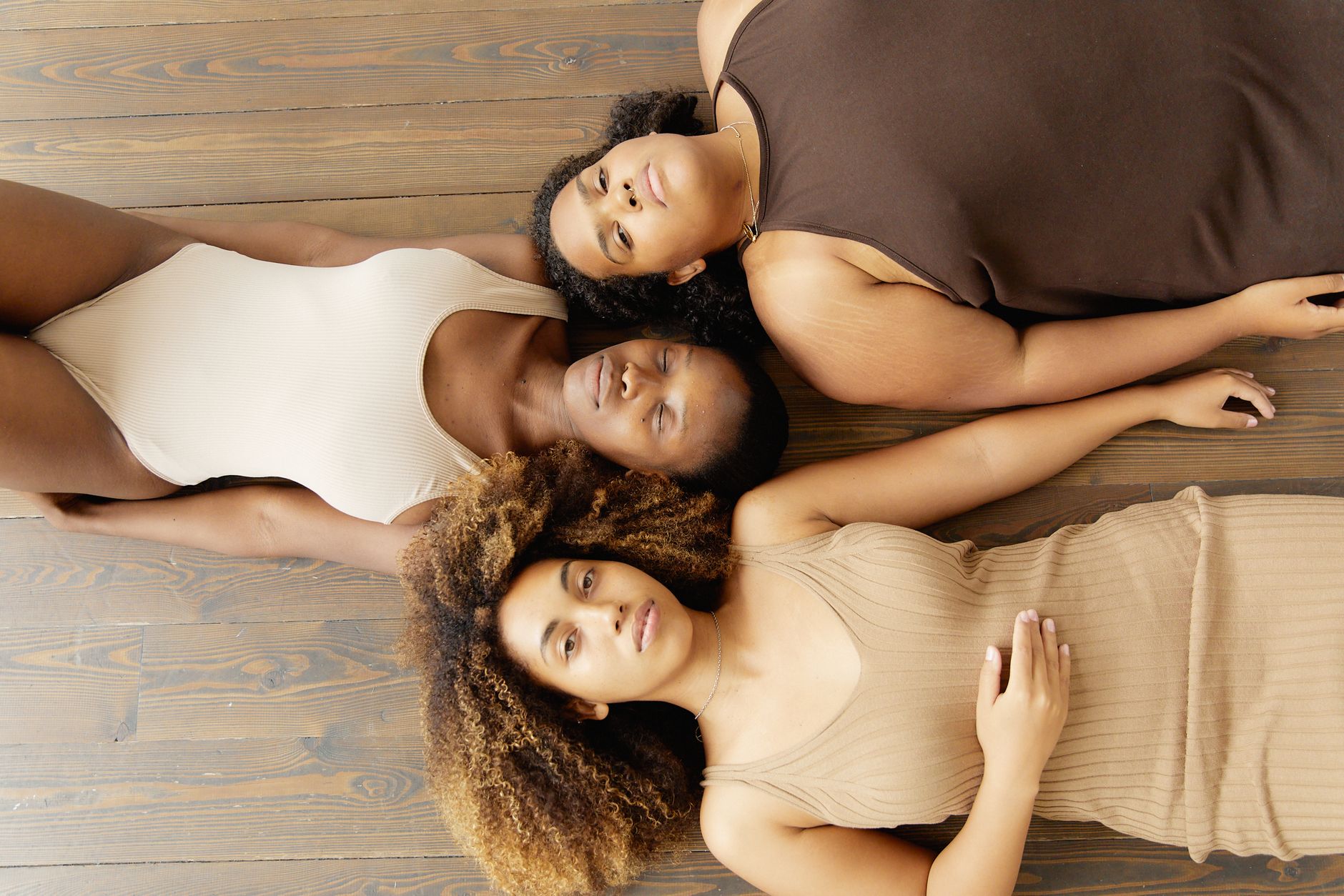
Your skin tone refers to the visible depth of your complexion. It can be fair, light, medium, tan, olive, brown or deep.
Your undertone is the subtle colour beneath the surface. It is generally described as warm, cool, neutral or olive.
Warm undertones can have golden, peach, yellow or apricot qualities.
Cool undertones can have pink, rosy, red or bluish qualities.
Neutral undertones sit somewhere between warm and cool.
Olive complexions often have a muted green, grey or golden quality and can be particularly responsive to earthy colours.
Skin depth alone does not tell you which brown will work best. The relationship between the shade and your undertone is usually more useful.
How to Tell Which Browns Work Best on You
You do not need a professional colour analysis to start experimenting.
Try holding different brown fabrics close to your face in natural daylight. Compare a pale camel with a deep chocolate, then try a cooler taupe or espresso.
Look for what happens to your complexion.
Does your skin appear clearer? Do your eyes look brighter? Does the colour make you look tired or slightly grey? Does the shade blend softly into your complexion or create a deliberate contrast?
Your wardrobe can offer clues too.
If you naturally reach for cream, camel, rust, olive and warm reds, warmer browns may feel particularly harmonious.
If you’re interested in understanding how colour behaves against different complexions, our guide to How to Wear Blue for Every Skin Tone offers another useful example.
If you prefer charcoal, crisp white, navy, berry, cool pink and blue-based reds, you may enjoy cooler browns or very deep espresso balanced with those colours.
If both groups work, you may have a neutral undertone or simply enjoy a versatile range of colours.
There is no requirement to choose only one side.
The Four Brown Shades to Know
Brown becomes much easier to style once you stop thinking of it as a single colour.
Camel
Camel is one of the lightest and most versatile browns. It has a warm beige or golden quality and works especially well for coats, trousers, knitwear, bags and shoes.
It can look polished with tailoring or relaxed with denim and simple cotton pieces.
Camel is particularly useful if you want to introduce brown into a wardrobe without making the outfit feel heavy.
Try it with:
- Cream
- White
- Black
- Denim
- Chocolate
- Burgundy
- Navy
- Olive
A camel coat over a white shirt and straight-leg denim is simple, but it rarely looks boring.
Tan
Tan sits between light beige and deeper brown and often has a warm, sun-touched quality.
It is particularly useful for accessories because tan leather works with an enormous range of clothing.
Think:
- Tan loafers
- Leather belts
- Structured handbags
- Sandals
- Suede jackets
- Wide-leg trousers
Tan also works beautifully with tonal dressing. Try tan trousers with a slightly darker brown knit and a cream shirt for a relaxed, layered look.
Chocolate
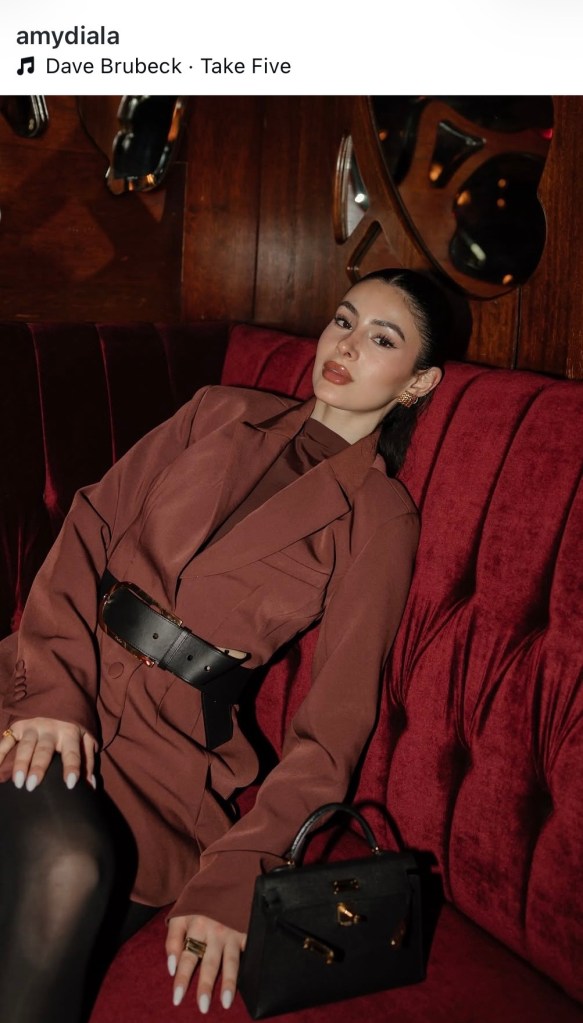
Chocolate brown is richer and deeper than camel or tan. It has become a particularly useful alternative to black because it provides depth while feeling slightly softer.
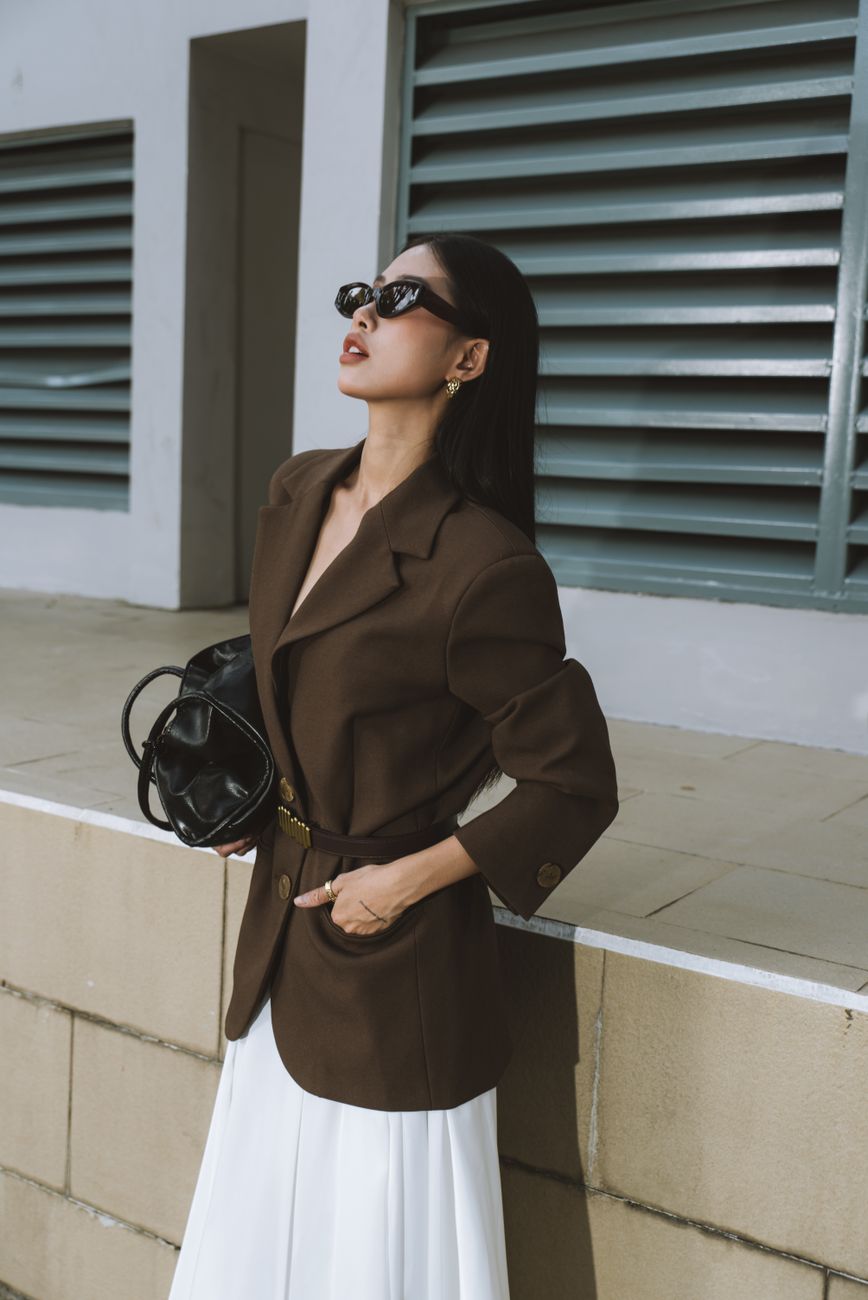
A chocolate blazer can work for the office. A chocolate knit can replace a black jumper. A chocolate leather bag can become an everyday neutral.
It pairs especially well with:
- Cream
- Ivory
- Gold
- Denim
- Burgundy
- Olive
- Pale blue
- Soft pink
- Black
Chocolate is also excellent for monochrome outfits because several brown shades can be layered without looking completely uniform.
Espresso
Espresso is the deepest brown in this guide. It sits close to black but has a warmer, softer quality.
It is particularly effective when you want the visual strength of black without wearing black.
Try espresso in:
- Tailored trousers
- Blazers
- Leather jackets
- Boots
- Handbags
- Evening dresses
- Belts
Espresso works especially well with cream, optic white, grey, burgundy, navy and muted blue.
An espresso blazer with a white shirt and dark denim can feel just as polished as a traditional black blazer, but slightly less expected.
The Best Browns for Warm Undertones
Warm undertones naturally tend to harmonise with brown’s earthy qualities.
The easiest shades to try are:
- Golden camel
- Caramel
- Cognac
- Warm tan
- Chestnut
- Chocolate
- Rich espresso
Warm skin can handle yellow-based and reddish browns particularly well. Camel coats, chocolate knitwear and cognac leather accessories can all create a cohesive effect.
For an everyday outfit, try a cream knit with chocolate trousers and tan leather shoes.
For something more polished, wear a camel blazer over a warm white top with dark brown trousers.
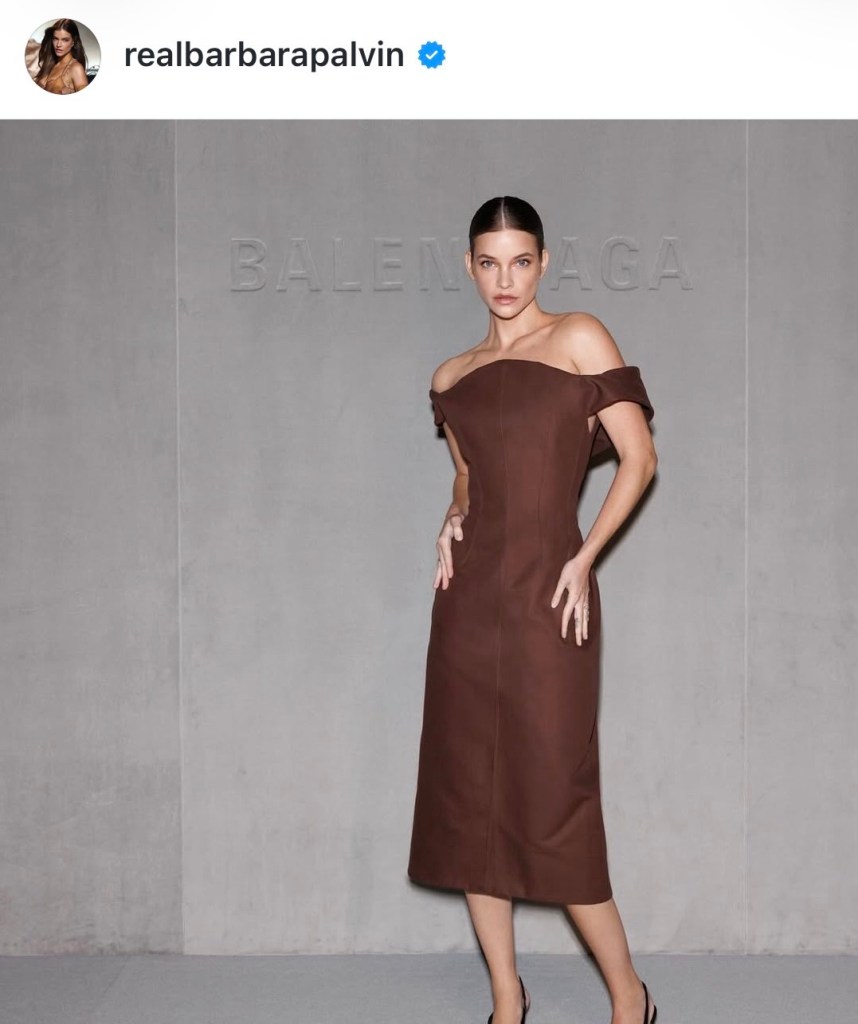
Colours to Pair With Brown on Warm Skin
Try continuing the warmth with:
- Cream
- Camel
- Rust
- Terracotta
- Olive
- Mustard
- Warm red
- Peach
- Coral
- Warm navy
You can also deliberately contrast warm brown with cooler colours. A chocolate blazer with pale blue denim, for example, can look fresh rather than overly earthy.
The Best Browns for Cool Undertones
Cool undertones do not need to avoid brown.
The trick is often choosing a brown that is less strongly yellow or pairing warmer brown with colours that create balance.
Espresso can be particularly easy to wear because its depth gives it some of the versatility of black.
Cooler mocha, taupe-brown and neutral chocolate shades can also work well.
Try:
- Espresso
- Dark chocolate
- Neutral mocha
- Mushroom brown
- Taupe
- Soft cocoa
If camel feels too yellow near your face, try wearing it further away from the face through trousers, shoes or a handbag.
The same approach can be useful when choosing lighter neutrals, and our guide to How to Wear White Without Looking Washed Out explores the difference between optic white, ivory and cream.
A chocolate blazer with a crisp white shirt and dark blue jeans creates a clean contrast. For evening, try an espresso dress with silver jewellery or cool-toned accessories.
The Best Browns for Neutral Undertones
Neutral undertones have plenty of room to experiment.
You may find that both warm camel and cooler espresso work, depending on the rest of your outfit.
The biggest advantage is flexibility.
Try building outfits around:
- Camel
- Tan
- Mocha
- Chocolate
- Espresso
- Taupe
You can also move between gold and silver jewellery depending on the mood of the outfit.
A warm camel coat can be styled with gold jewellery and cream knitwear one day, then worn with a crisp white shirt and silver accessories the next.
Rather than limiting yourself to one brown, think about creating a brown gradient throughout your wardrobe.
A camel coat, tan shoes, chocolate trousers and espresso bag can all work together without looking too coordinated.
The Best Browns for Olive Skin
Olive skin can be particularly beautiful with earthy colours, but extremely yellow browns can sometimes compete with the muted quality of the complexion.
Look for depth and variation rather than choosing the brightest warm brown available.
Good options can include:
- Muted camel
- Mushroom brown
- Chocolate
- Chestnut
- Espresso
- Olive-brown
- Deep taupe
Textured fabrics can also make brown more interesting against olive skin. Suede, brushed wool, leather, corduroy and textured knits can add dimension without relying on a very bright colour.
Try chocolate with cream, espresso with burgundy or muted camel with deep teal.
How to Wear Brown on Fair Skin
Fair skin can work with almost any brown when the balance of contrast feels intentional.
Very pale camel creates a soft, understated look, particularly when paired with cream or blush.
Darker browns create stronger contrast and can be incredibly chic.
Try:
- Camel coat with cream knitwear
- Chocolate cardigan with pale blue denim
- Espresso trousers with a white shirt
- Tan loafers with navy tailoring
- Chocolate handbag with a soft pink outfit
If a brown feels too strong near your face, introduce it through trousers, shoes or accessories first.
This is one reason brown accessories are such an easy starting point.
How to Wear Brown on Medium and Tan Skin
Medium and tan complexions can usually move comfortably between light and deep browns.
Camel creates a warm, tonal effect, while chocolate and espresso provide stronger definition.
Try combining several depths in one outfit.
For example:
Camel blazer + cream top + chocolate trousers + tan shoes
or
Chocolate knit + medium-wash denim + tan leather bag
You can also use brown as a bridge between colours. A tan handbag can connect a cream outfit with darker shoes, while chocolate shoes can ground a brighter dress.
How to Wear Brown on Deep Skin
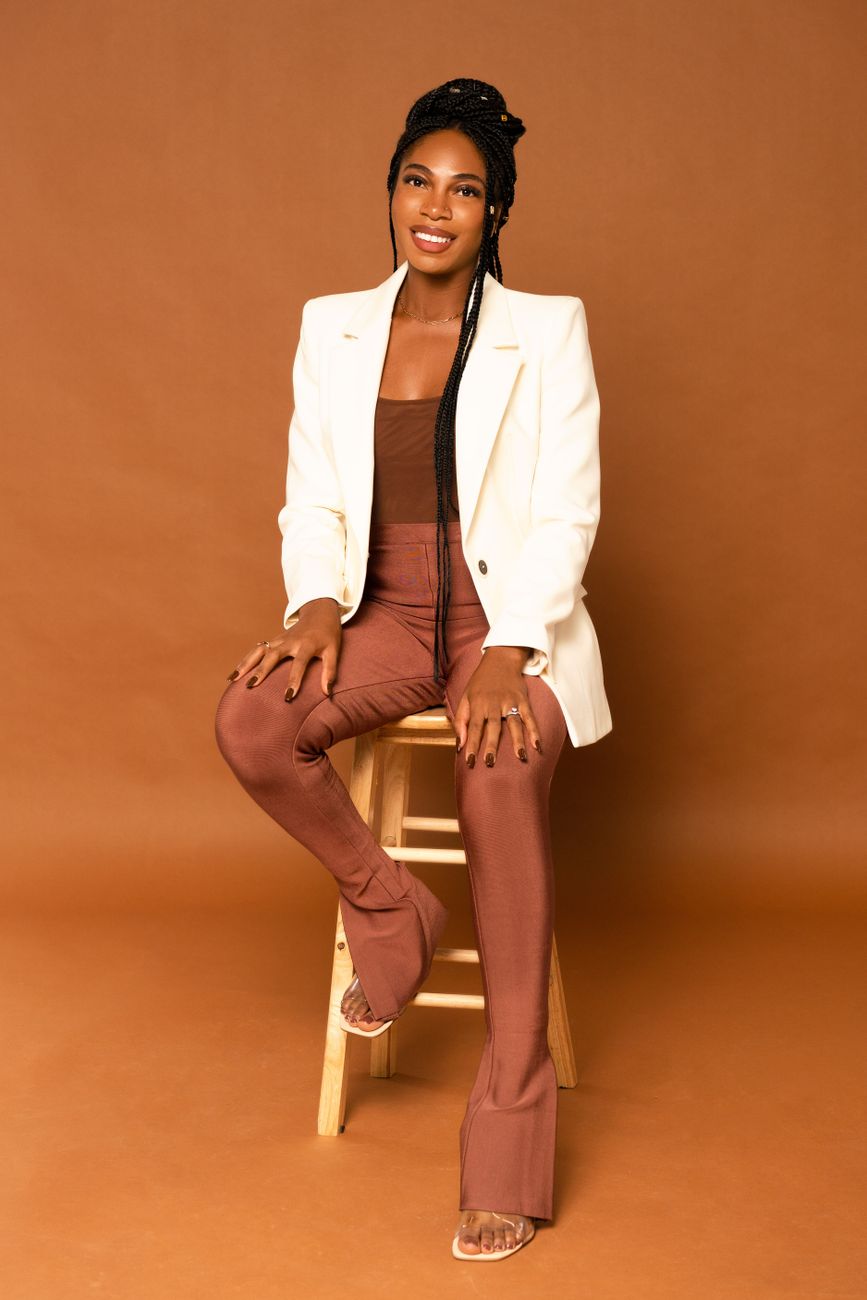
Deep skin can create beautiful contrast with lighter browns while also carrying rich, dark shades exceptionally well.
Camel, tan and caramel can stand out beautifully against the skin, particularly when used in coats, tailoring and accessories.
Chocolate and espresso create a more tonal effect.
Both approaches can be striking.
Try:
- Camel blazer with white trousers
- Tan leather jacket with cream knitwear
- Chocolate dress with gold jewellery
- Espresso tailoring with an ivory shirt
- Caramel bag with an all-black outfit
For a particularly rich combination, try chocolate with gold jewellery. The warmth of the two shades can create a luxurious effect without requiring bright colour.
Brown and White: The Easiest Fresh Combination
Brown and white are one of the simplest combinations to get right.
White gives brown a clean background and prevents darker shades from feeling heavy.
Try:
- White shirt + chocolate trousers
- Cream knit + espresso skirt
- White T-shirt + tan trousers
- Ivory dress + camel blazer
- White linen + brown leather accessories
The choice between white and cream changes the mood.
Optic white creates sharper contrast, while ivory and cream create a softer, more tonal combination.
If you are unsure which white works best for you, our guide to wearing white without looking washed out is a useful place to start.
Brown and Black Can Work Together
Brown and black were once treated as a combination to avoid.
That rule is outdated.
The secret is choosing shades with enough distinction or using texture to create separation.
Try a chocolate handbag with an all-black outfit, an espresso blazer with black trousers or a tan belt with black denim.
Leather can be particularly effective because the texture creates contrast even when the colours are close in depth.
A chocolate suede jacket over a black knit, for example, feels intentional and modern.
Brown and Denim
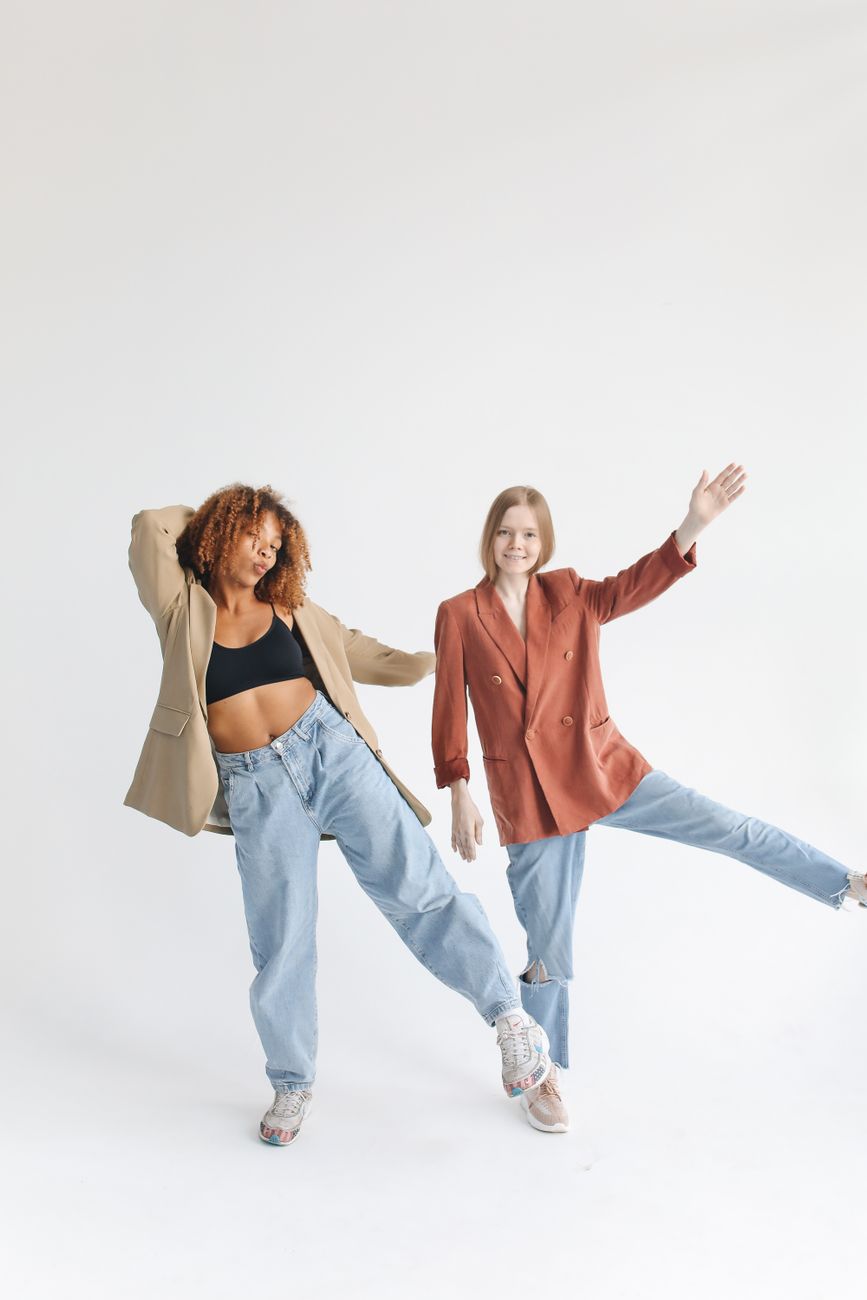
Brown and denim may be one of the easiest everyday combinations.
Blue denim provides a cool contrast against warm brown, while the casual nature of denim stops brown tailoring from becoming too formal.
Try:
- Camel coat + blue jeans
- Chocolate blazer + straight-leg denim
- Tan suede jacket + relaxed jeans
- Espresso boots + dark denim
- Brown belt + classic jeans + white shirt
This is also an easy way to make brown work outside autumn and winter.
Brown and Burgundy
Brown and burgundy create a rich, sophisticated combination.
Chocolate and burgundy are particularly effective together because both have depth without competing for attention.
Try a burgundy knit with chocolate trousers, an espresso bag with a burgundy dress or tan boots with a deep red skirt.
For a quieter look, use burgundy as an accessory rather than the main colour.
A burgundy handbag against a camel coat is enough to make the outfit feel considered.
Brown and Pink
Pink can soften brown beautifully.
Blush with camel feels light and feminine. Dusty rose with chocolate feels more sophisticated. Stronger pinks such as fuchsia can create deliberate contrast against espresso. If pink is already part of your wardrobe, discover The Best Shade of Pink for Every Skin Tone for more ideas on finding the right balance of depth and colour.
Try:
- Camel + blush
- Chocolate + dusty rose
- Espresso + fuchsia
- Tan + soft pink
- Mocha + rose
The deeper the brown, the more freedom you have to use a stronger pink without the outfit feeling overly sweet.
Brown and Green
Brown and green naturally belong together because both are grounded, earthy colours.
Olive with chocolate creates a relaxed tonal look.
Emerald with espresso feels richer and more dramatic.
Sage with tan is softer and works beautifully for spring and summer dressing.
Try:
- Chocolate + olive
- Camel + sage
- Espresso + emerald
- Tan + forest green
- Cream + olive + brown leather
If you like neutral wardrobes, green is an excellent way to introduce colour without moving too far away from an understated palette.
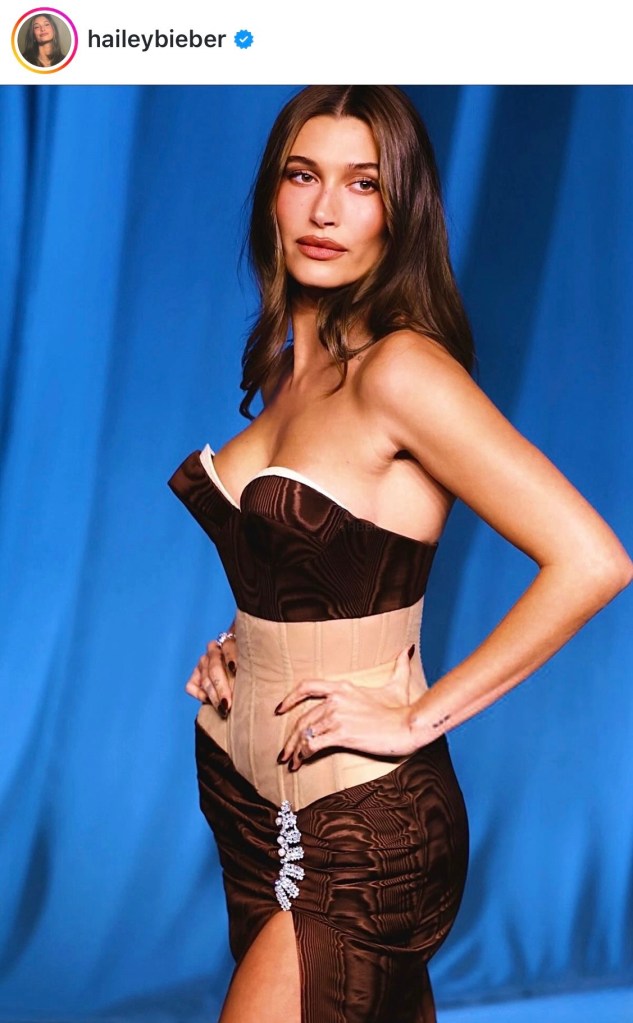
How to Build a Brown Monochrome Outfit
Brown does not need to mean wearing the exact same shade from head to toe.
In fact, combining different depths usually looks more sophisticated.
Try creating a gradient:
From soft camel and warm tan to rich chocolate and deep espresso, learn how to layer different shades of brown together to create sophisticated, tonal outfits that feel modern, effortless and anything but boring.
For example, wear a camel coat over a chocolate knit, with dark brown trousers and espresso boots.
Or try tan trousers with a mocha knit and chocolate handbag.
The slight variation between shades gives the outfit dimension.
Different textures help too.
Combine wool, leather, suede, cotton, denim and knitwear rather than wearing one fabric throughout.
How to Make Brown Look Modern
Brown can sometimes feel overly traditional if every element of the outfit belongs to the same classic aesthetic.
The styling around it makes the difference.
To make brown feel more current:
- Pair tailoring with denim
- Mix different brown shades
- Introduce crisp white
- Add an unexpected colour
- Use oversized or relaxed silhouettes
- Mix leather with soft knitwear
- Choose sculptural accessories
- Combine brown with silver jewellery
- Use one strong brown piece rather than matching everything
A chocolate blazer with relaxed denim and simple sneakers feels very different from a matching brown suit with a traditional handbag.
Neither is wrong. The first simply feels more relaxed and contemporary.
For more ideas on making classic wardrobe pieces feel current, see our guide to looking expensive on a normal budget, where restraint, proportion and thoughtful styling play a bigger role than obvious trends.
Brown Accessories Are the Easiest Place to Start
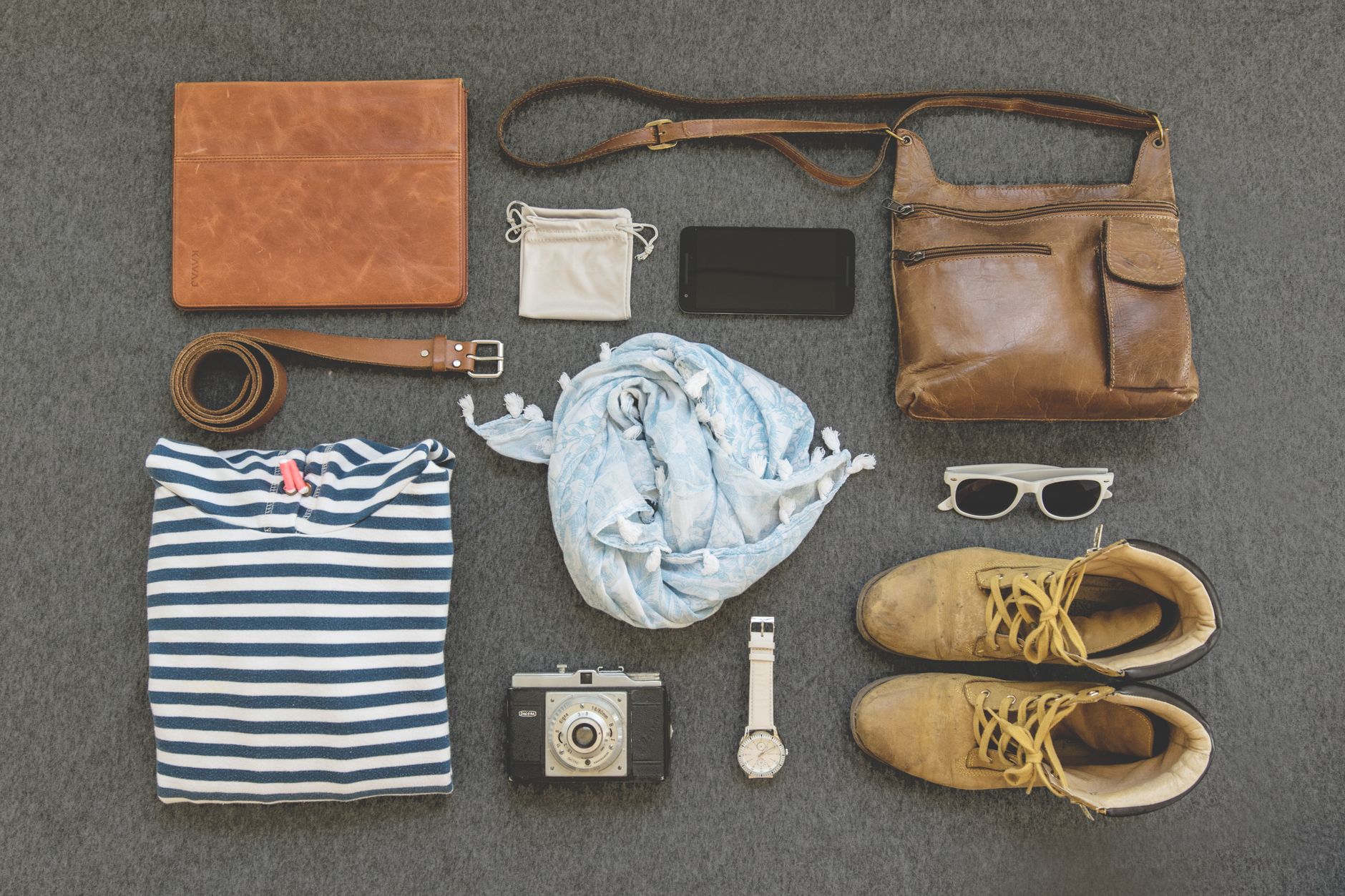
If you are not ready for a brown coat or full outfit, start small.
Brown accessories are incredibly versatile.
Brown Shoes
Tan loafers can soften tailoring. Chocolate boots can replace black boots. Espresso heels can add depth to a neutral evening outfit.
Try brown shoes with:
- Jeans
- Cream trousers
- Black dresses
- Navy tailoring
- White linen
- Floral dresses
Brown Bags
A brown handbag can often function as an everyday neutral.
Camel and tan work beautifully during the day, while chocolate and espresso can feel more polished.
A structured chocolate bag with a cream outfit is classic without being predictable.
Brown Belts
A brown belt is one of the easiest ways to connect different colours within an outfit.
Try a tan belt with denim and cream, a chocolate belt with tailored trousers or an espresso belt with black and white.
The belt does not need to match your shoes exactly.
Brown for Work
Brown can be an excellent alternative to black and navy in a professional wardrobe.
Try:
- Chocolate blazer + cream trousers
- Camel blazer + navy trousers
- Espresso trousers + white shirt
- Tan loafers + tailored navy suit
- Chocolate skirt + soft knit
For a more conservative workplace, keep the silhouette structured and let brown replace one traditional neutral rather than making the entire outfit tonal.
Brown for Evening
Deep brown can be surprisingly elegant after dark.
Espresso satin, chocolate velvet and dark brown leather can all feel sophisticated without relying on black.
Try:
- Espresso dress + gold earrings
- Chocolate slip dress + black heels
- Brown tailored suit + cream silk top
- Chocolate skirt + fitted black knit
- Espresso bag + burgundy dress
The finish becomes especially important at night.
Satin, velvet, polished leather and subtle metallic details can make brown feel more evening-appropriate.
Brown for Spring and Summer
Brown does not need to disappear when the weather gets warmer.
The trick is choosing lighter shades and breathable fabrics.
Try:
- Tan linen trousers
- Camel cotton shirt
- Chocolate sandals
- Cream dress with brown leather accessories
- Light brown suede bag
- Chocolate sunglasses
White, cream, pale blue and soft pink can also stop brown from feeling too heavy in warmer months.
Brown for Autumn and Winter
This is where brown naturally comes into its own.
Layer different depths and textures:
- Camel wool coat
- Chocolate knit
- Tan leather boots
- Espresso trousers
- Cream scarf
- Burgundy handbag
Instead of wearing one shade of brown from head to toe, build depth through several related tones.
Common Mistakes When Wearing Brown
Choosing Brown Based Only on Skin Depth
Fair skin does not automatically mean pale brown, and deep skin does not automatically mean espresso.
Undertone, contrast and personal preference all matter.
Wearing Only Warm Browns
If camel and caramel do not feel right, try espresso, taupe, mocha or neutral chocolate.
Brown has more variety than warm beige.
Matching Every Brown Exactly
A brown bag, shoes, belt and coat do not need to be identical.
Small differences in shade and texture usually make an outfit feel more natural.
Making Everything Too Earthy
Brown looks beautiful with earthy colours, but it does not need to stay there.
Try brown with cobalt, pale blue, pink, burgundy or crisp white for a fresher result.
Forgetting Contrast
A low-contrast brown outfit can be beautiful, but if everything sits at exactly the same depth, it can sometimes look flat.
Use a lighter shirt, darker shoe, textured fabric or contrasting accessory to create definition.
Building Brown Into Your Wardrobe
You do not need a completely new wardrobe to make brown work.
Start with a few pieces that can move between different outfits. If you’re starting to rethink your wardrobe as a whole, How to Build a Wardrobe From Scratch is a useful guide to choosing pieces you will actually wear.
A useful starting collection might include:
- A camel coat or blazer
- Chocolate trousers
- Tan leather shoes
- A brown handbag
- An espresso belt
- A chocolate knit
- Brown ankle boots
- One lighter brown summer piece
The goal is not to own every shade.
Instead, choose two or three browns that work with the colours already hanging in your wardrobe.
Frequently Asked Questions
Which shade of brown is best for warm skin?
Warm skin often works beautifully with camel, caramel, tan, cognac, chestnut and warm chocolate. However, deeper espresso can also create an attractive contrast.
Can cool skin tones wear brown?
Absolutely. Cooler browns such as taupe, mocha and neutral chocolate can be especially easy to wear, while espresso can provide a sophisticated alternative to black. Warmer browns can also work when balanced with cooler colours.
Does brown look good on deep skin?
Yes. Lighter browns such as camel, tan and caramel can create beautiful contrast, while chocolate and espresso create a richer tonal effect.
What brown is best for olive skin?
Muted camel, chocolate, taupe, chestnut and espresso can all work well. Slightly complex or earthy browns can complement olive skin particularly naturally.
Can you wear brown and black together?
Yes. Brown and black can look modern when there is enough contrast in shade, texture or silhouette. Try chocolate with black, espresso with black or tan accessories against an all-black outfit.
What colours look best with brown?
Brown works particularly well with cream, white, black, denim, navy, burgundy, olive, green, pink and pale blue. The best pairing depends on the particular brown and the overall contrast you want.
Is camel the same as tan?
No. Camel is generally lighter and warmer, with a beige-golden quality. Tan is usually deeper and can have more of a leather or caramel quality.
Is chocolate brown a good alternative to black?
Yes. Chocolate provides the depth and versatility of a dark neutral while feeling softer and warmer than black.
Can I wear brown in summer?
Definitely. Choose lighter browns, breathable fabrics and fresh combinations such as tan with white, camel with denim or chocolate accessories with linen.
Do brown shoes have to match a brown bag?
No. Matching exactly is not necessary. Similar undertones can create cohesion, but mixing tan shoes with a chocolate bag can actually make an outfit feel more relaxed and considered.
Is brown a timeless colour?
Yes. Brown has long been used in tailoring, leather accessories, knitwear and outerwear and can function as a versatile wardrobe neutral. Choosing classic silhouettes rather than highly trend-driven pieces makes brown even easier to wear for years.
Where to Next?
If you are enjoying the idea of making simple wardrobe pieces feel more polished, there are plenty of other ways to refine your everyday style without constantly buying something new.
For a more practical approach to getting dressed, read What to Wear When Nothing Feels Right, A Practical Style Reset for Your Wardrobe. It is a useful guide to creating simple outfit formulas, choosing comfortable pieces and making your wardrobe work better for your actual lifestyle.
If you prefer a more timeless approach to fashion, explore The Classic Wardrobe 101, The Timeless Pieces Every Woman Should Own, with advice on the essential pieces that create a polished wardrobe without relying heavily on trends.
For a more streamlined wardrobe, discover The Ultimate Capsule Wardrobe Australia, What You Actually Need in 2026, which explores versatile clothing, everyday shoes and simple outfit formulas designed for real life.
If colour is something you want to experiment with next, explore What Colours Suit Me? How to Find Your Best Shades and Build a Wardrobe That Works, a practical guide to choosing colours that complement your natural features and make getting dressed easier.
And if your wardrobe needs a bigger refresh, read How to Rebuild Your Wardrobe After 40, A Grown Up Guide to Dressing With Confidence, for a thoughtful approach to updating your clothes, improving fit and creating a wardrobe that feels more aligned with your current life.



Leave a Reply