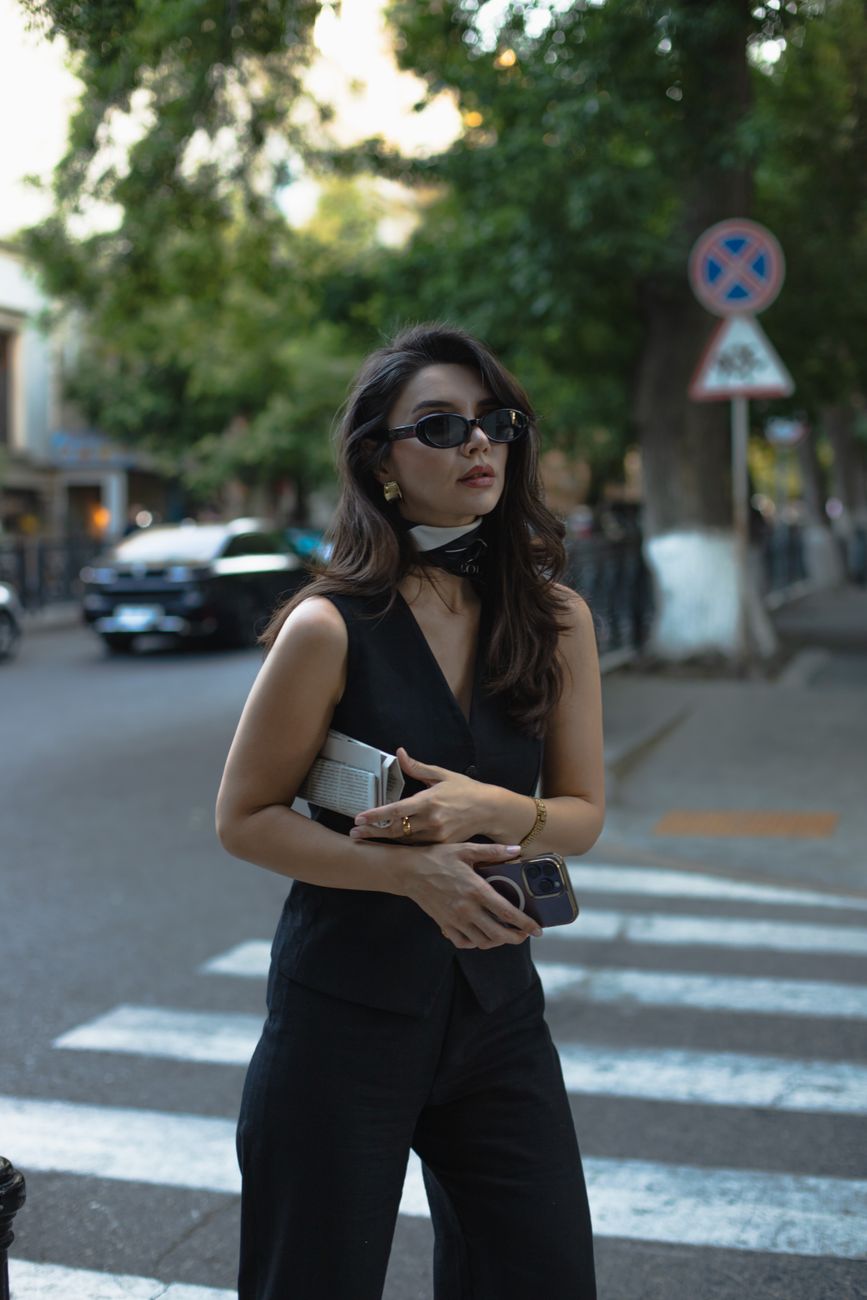
Looking expensive has very little to do with how much you spend. In fact, some of the most polished outfits are built from incredibly simple pieces. A plain white shirt, straight-leg trousers, a simple knit and a pair of flats can look more sophisticated than an outfit covered in logos or expensive statement pieces.
The difference is usually in the details.
The way a sleeve is rolled. The way trousers fall over a shoe. The quality of a belt. The colour combination. The condition of your handbag. The jewellery you choose. Even the way you tuck in a shirt can change the entire impression of an outfit.
The modern definition of looking expensive is not about appearing wealthy.
It is about looking considered.
Your clothes fit. Your colours work together. Your accessories feel intentional. Nothing looks accidental, overly complicated or as though you are trying too hard.
And perhaps the best part is that many of these details cost nothing at all.
If you want to create a wardrobe that feels polished without constantly shopping, start with The Classic Wardrobe 101, The Timeless Pieces Every Woman Should Own. A strong wardrobe foundation makes these styling tricks much easier to put into practice.
What Does “Looking Expensive” Actually Mean?
Looking expensive is not about wearing expensive things.
It is about creating visual harmony.
Think about an outfit where:
The trousers fit perfectly.
The shirt is pressed.
The shoes are clean.
The handbag has structure.
The jewellery is simple.
The colours complement each other.
The proportions feel balanced.
Nothing necessarily costs a fortune, but the overall outfit feels elevated.
That is the goal.
A polished wardrobe is often less about adding and more about editing.
Remove the unnecessary detail.
Improve the fit.
Choose better combinations.
Take care of what you already own.
The 9 New Rules of Looking Expensive
1. Fit Will Always Matter More Than the Price Tag
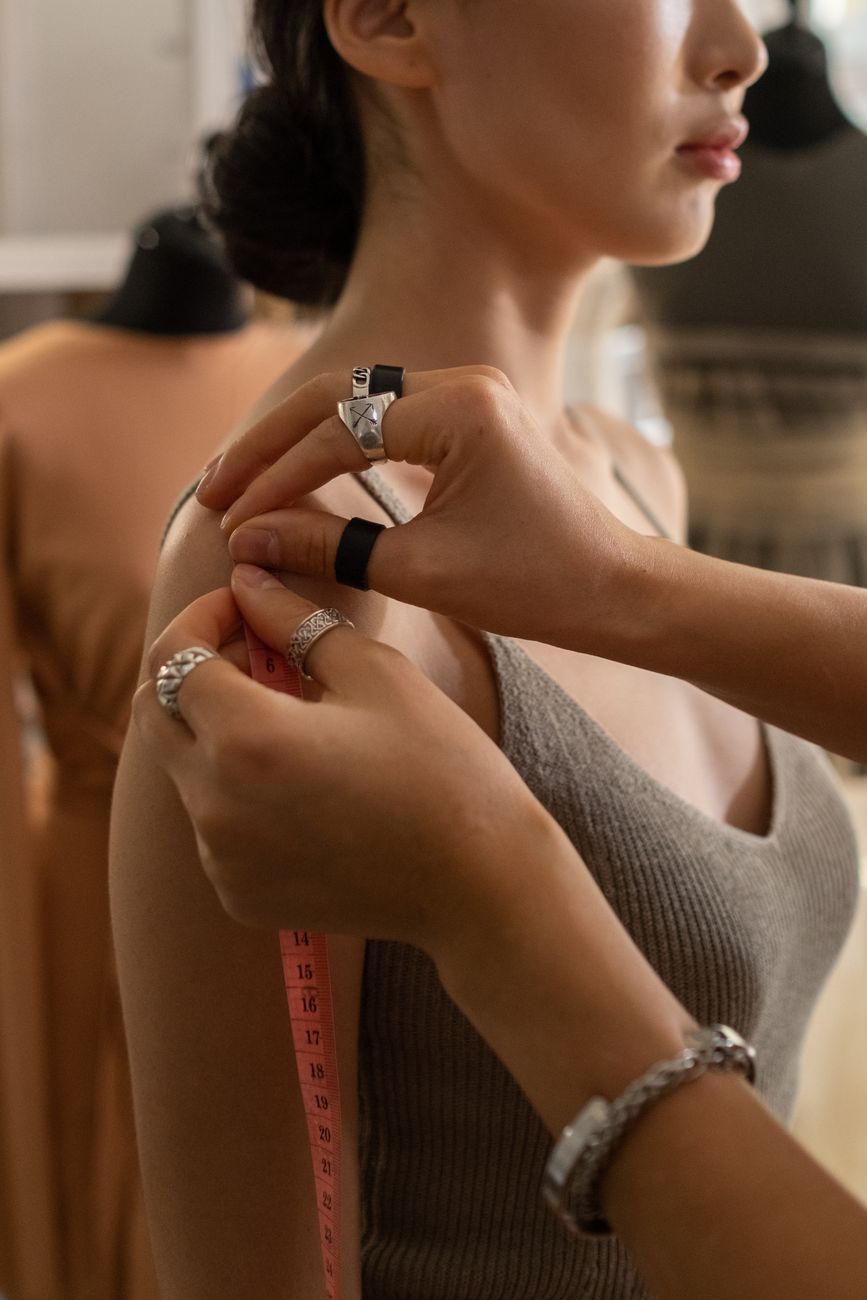
The fastest way to make an outfit look more expensive is to make sure it fits properly.
An expensive blazer with sleeves that are too long can look sloppy.
A reasonably priced blazer with the correct shoulder fit and sleeve length can look beautifully tailored.
Pay attention to:
Shoulders.
Sleeves.
Trouser length.
Waist placement.
Jacket length.
Skirt proportions.
Dress shaping.
You do not need every garment tailored.
Sometimes a simple alteration, such as shortening trousers or adjusting a sleeve, completely changes how a piece looks.
Know When Something Is Too Big
Oversized clothing can look incredibly chic when it is intentional.
But there is a difference between oversized and simply too large.
If your blazer is oversized, balance it with a more streamlined bottom half.
If your trousers are wide, try a more fitted top.
If both your top and bottom are oversized, create some definition with your shoes, bag or waist.
Proportion is what makes relaxed clothing look deliberate.
2. Stop Matching Everything
One of the easiest ways to make an outfit look dated is to match every accessory perfectly.
Your handbag does not have to be the exact same colour as your shoes.
Your belt does not need to match your bag perfectly.
Instead, create relationships between the pieces.
A chocolate brown bag can work beautifully with tan shoes.
Gold jewellery can complement warm-toned clothing.
A burgundy handbag can become the accent against a neutral outfit.
A black belt can visually connect black shoes to a lighter outfit.
Think coordination, not matching.
For more ways to create this kind of balance, read How to Accessorise Like a Stylist, Jewellery, Bags, Belts and Shoes That Complete an Outfit.
3. Pay Attention to Your Shoes
Shoes can make or break an outfit.
You can be wearing beautifully tailored trousers and an excellent coat, but scuffed, worn-out shoes can immediately make the entire look feel less polished.
You do not need expensive shoes.
You need shoes that are:
Clean.
Well maintained.
Appropriate for the outfit.
In good condition.
A simple pair of loafers, ballet flats, ankle boots or minimalist sneakers can make an outfit look incredibly considered.
The Power of a Polished Flat
You do not need heels to look elegant.
A beautiful ballet flat or structured loafer can create just as much polish.
The key is what you wear with it.
Try ballet flats with straight-leg trousers, cropped denim or a midi skirt.
Loafers work beautifully with tailored trousers, jeans and dresses.
If you are unsure how to style flats without making an outfit feel too traditional, see How to Style Ballet Flats Without Looking Frumpy.
4. Choose a Thoughtful Colour Palette
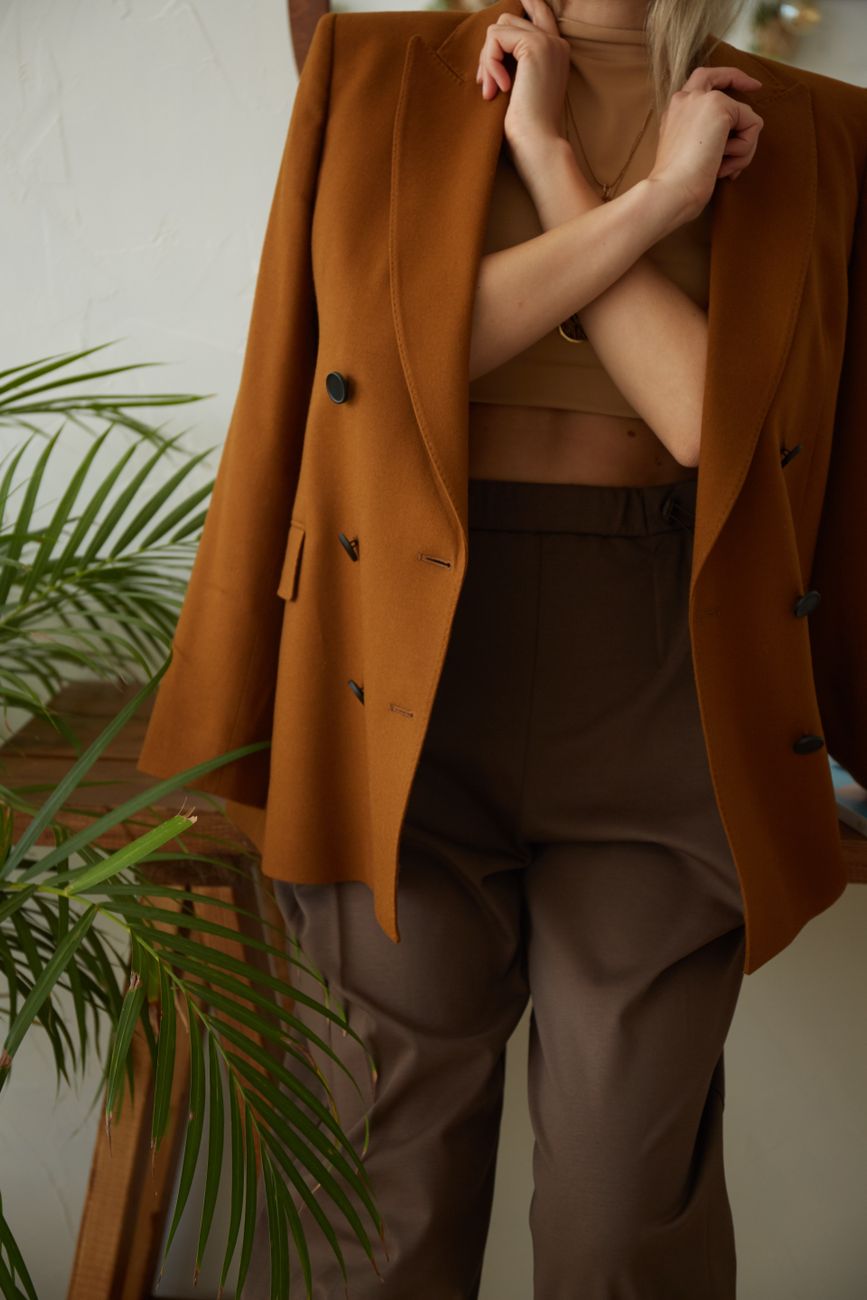
An expensive-looking outfit does not need to be monochrome.
But it usually benefits from a clear colour story.
Try building outfits around two or three main colours.
For example:
Cream + camel + chocolate.
Navy + white + tan.
Black + grey + burgundy.
Chocolate + ivory + gold.
Beige + denim + brown.
These combinations create harmony without requiring a lot of effort.
Learn to Use Neutrals
Neutrals are incredibly useful because they allow texture and proportion to become the focus.
Black.
White.
Cream.
Camel.
Tan.
Chocolate.
Grey.
Navy.
These colours can create a sophisticated wardrobe foundation.
But do not assume neutral means boring.
The difference comes from texture, silhouette and accessories.
For more inspiration on using rich neutral tones, read How to Wear Brown for Every Skin Tone, Chocolate, Camel, Tan and Espresso.
5. Keep Your Clothes Looking Fresh
This is one of the least glamorous but most effective styling tricks.
Take care of your clothes.
A beautifully styled outfit will never look expensive if the sweater is covered in pilling, the shirt is wrinkled or the coat is covered in lint.
Before leaving the house, check:
Are there loose threads?
Does the garment need steaming?
Are there stains?
Are there signs of pilling?
Are the shoes clean?
Is the handbag in good condition?
Does the coat need brushing?
These tiny details matter.
Steam Instead of Over-Ironing
A handheld steamer can make an enormous difference to how clothes look.
It is particularly useful for:
Shirts.
Dresses.
Trousers.
Blazers.
Silk.
Knitwear.
A freshly steamed garment immediately looks more intentional.
6. Let One Thing Be the Star
A common mistake is trying to make every part of an outfit interesting.
Statement earrings.
Statement shoes.
Statement bag.
Statement necklace.
Bold print.
Strong belt.
At some point, the outfit becomes visually noisy.
Instead, choose one focal point.
If you are wearing dramatic earrings, keep the necklace simple.
If your bag is colourful, let the rest of the outfit stay relatively quiet.
If you are wearing a statement coat, keep the accessories understated.
The eye needs somewhere to rest.
7. Upgrade Your Accessories Before Your Wardrobe
If you want to make your existing clothes feel more expensive, accessories are often the smartest place to focus.
A simple outfit can be transformed with:
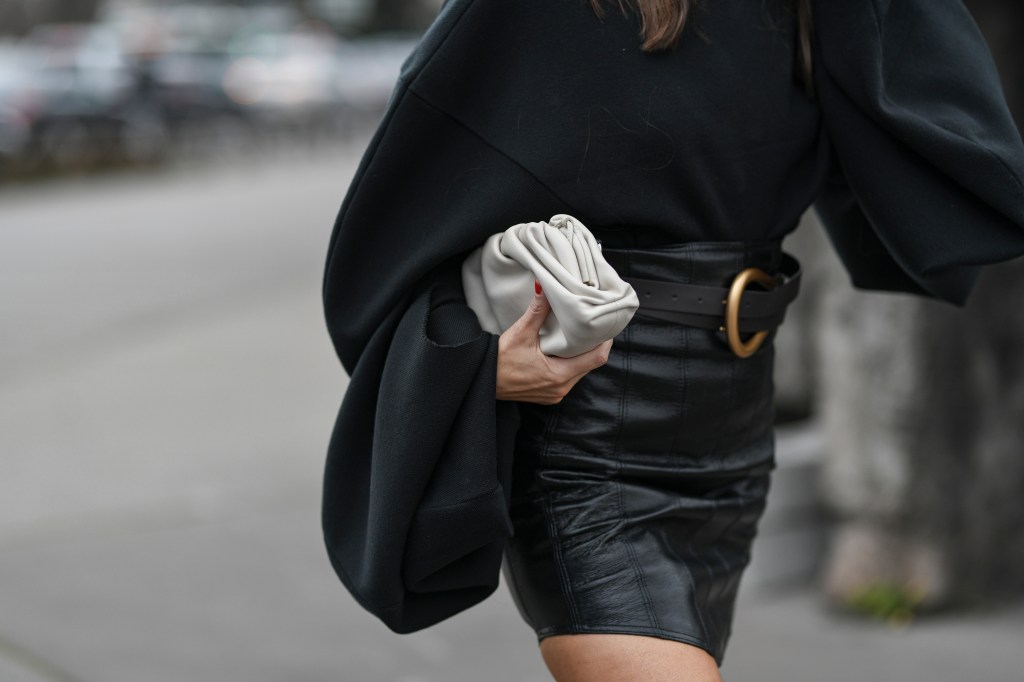
A beautiful leather belt.
A structured handbag.
Elegant sunglasses.
Simple gold jewellery.
A silk scarf.
Polished shoes.
A classic watch.
These details can change the impression of inexpensive basics without requiring an entirely new wardrobe.
And because accessories can be worn repeatedly, they often offer better value than constantly buying new clothing.
Invest in the Pieces You Touch Every Day
If you are going to spend more on anything, consider the pieces you use constantly.
Your everyday handbag.
Your most-worn shoes.
Your belt.
Your winter coat.
Your everyday jewellery.
These are the pieces people see repeatedly, and quality tends to matter more when something is worn frequently.
8. Tuck, Roll and Adjust
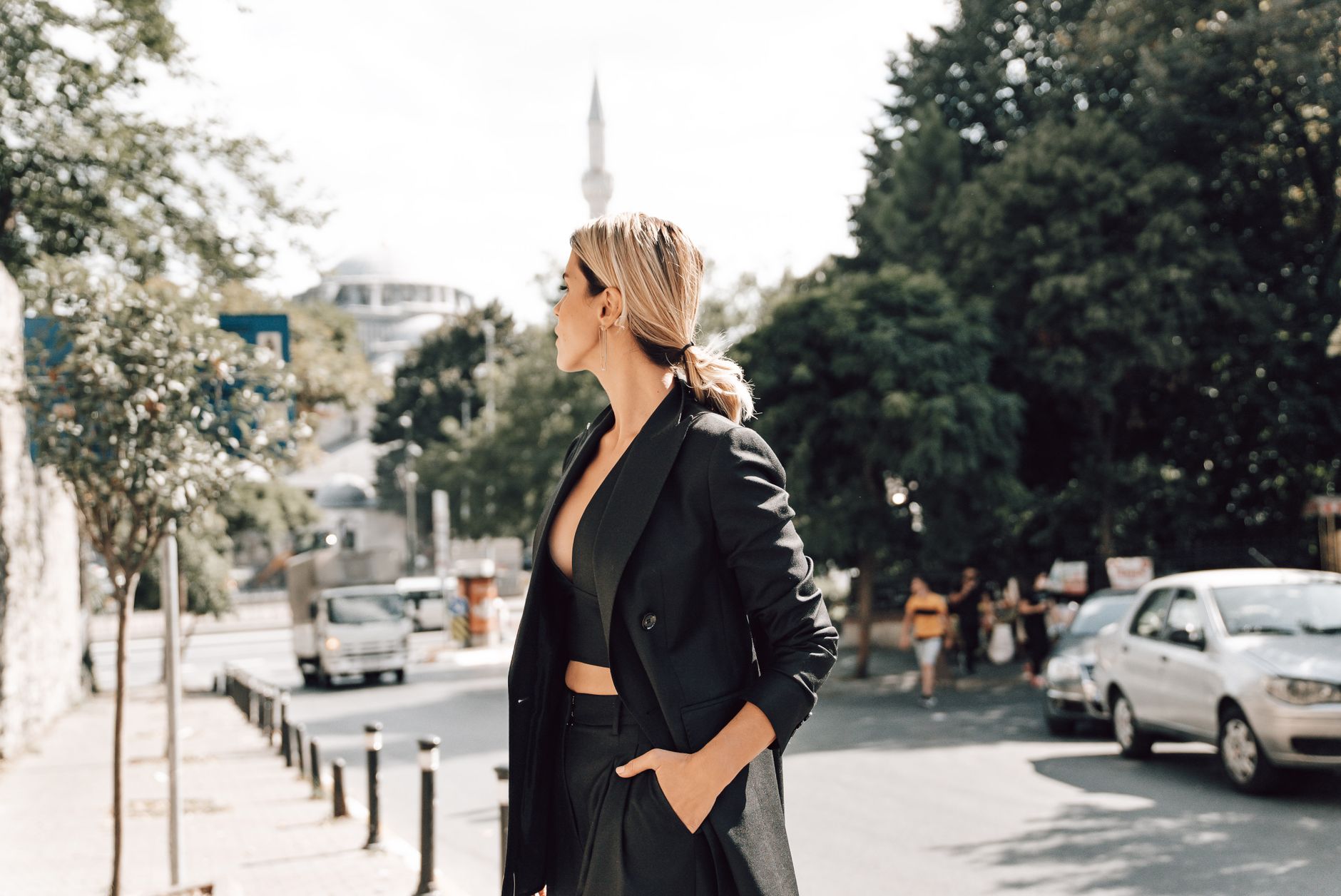
Sometimes the difference between an ordinary outfit and a polished outfit is simply how the clothes are worn.
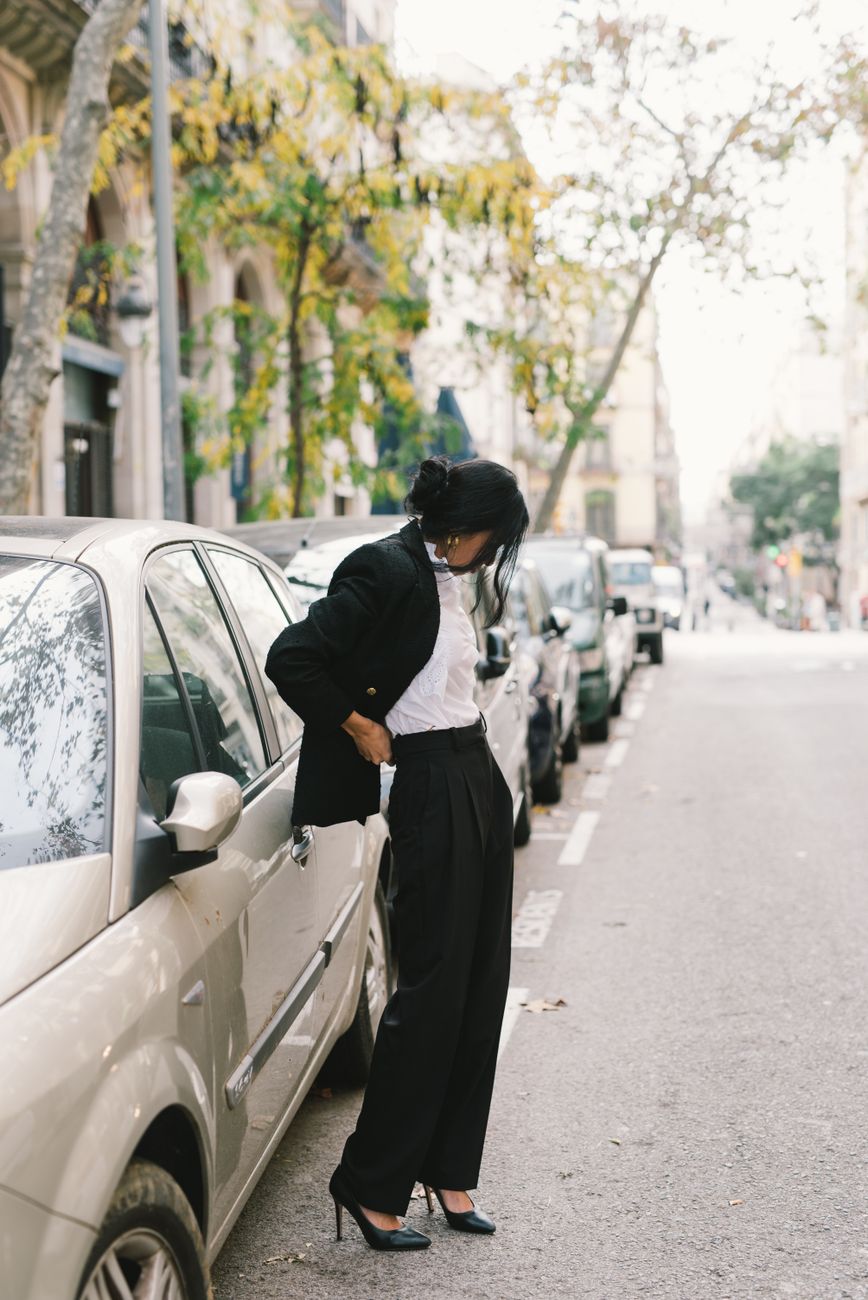
Try a partial shirt tuck.
Roll your sleeves.
Push up the sleeves of a blazer slightly.
Cuff your jeans.
Adjust the hem of a knit.
Add a belt.
Open one or two buttons.
These tiny adjustments change proportions and create the impression that you have deliberately styled the outfit.
The Half Tuck
A half tuck works particularly well with:
Straight-leg jeans.
Wide-leg trousers.
Relaxed shirts.
Oversized knits.
It creates a little waist definition without making the outfit feel overly structured.
9. Keep Your Outfit Edited
This might be the most important rule.
Before leaving the house, look in the mirror and ask:
What can I remove?
Sometimes the outfit needs another accessory.
Sometimes it needs one less.
Remove a necklace.
Swap statement earrings for studs.
Leave the scarf behind.
Change the handbag.
Take off the extra bracelet.
The goal is not minimalism.
It is clarity.
Everything should have a reason for being there.
The Expensive-Looking Outfit Formula
When you are unsure what to wear, use this simple formula:
One polished basic + one tailored piece + one quality accessory + simple shoes.
For example:
White shirt + tailored trousers + leather belt + loafers.
Or:
Fine knit + straight-leg jeans + structured bag + ballet flats.
Or:
Midi dress + blazer + simple jewellery + ankle boots.
These combinations work because they create balance without looking overworked.
How to Make Black Look More Expensive
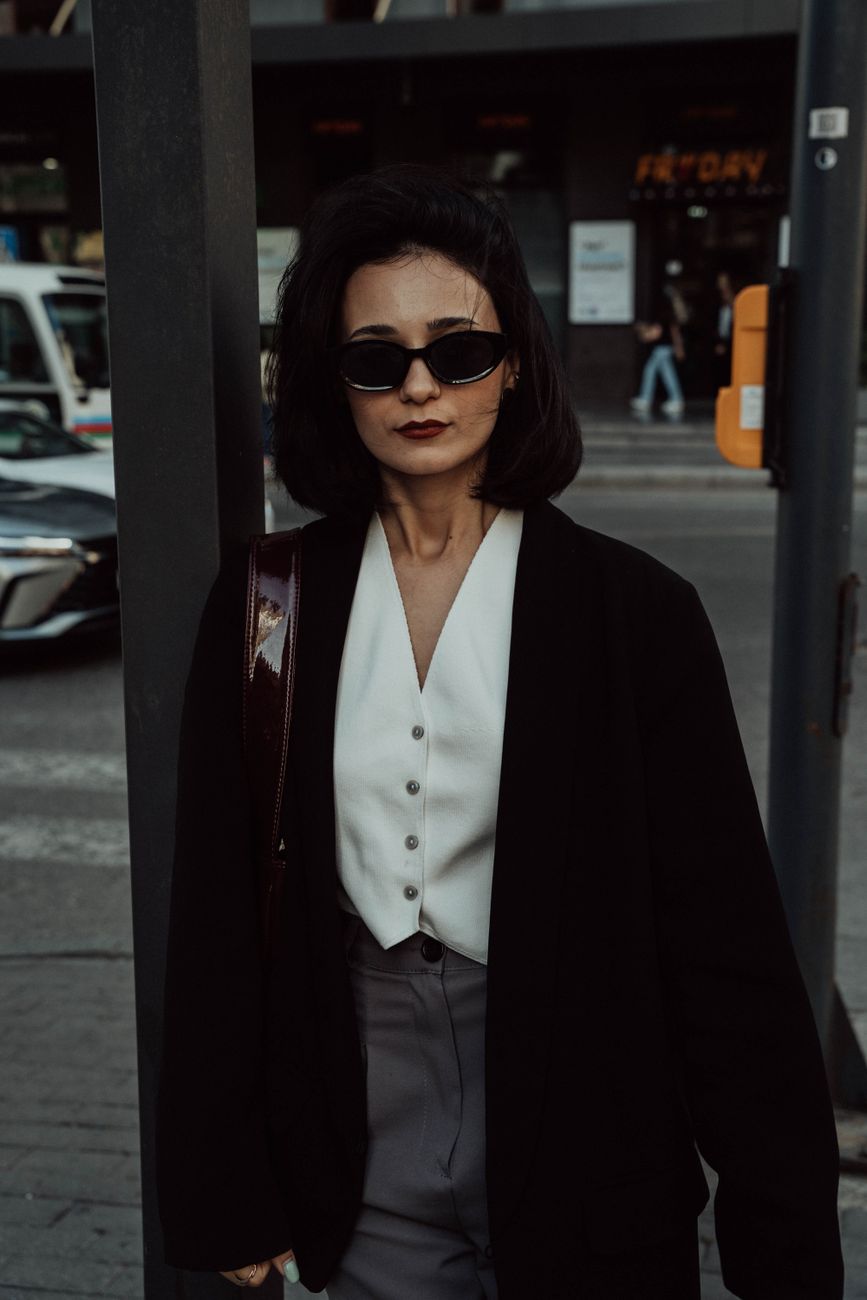
Black is one of the easiest colours to elevate.
But an all-black outfit can sometimes look flat.
The solution is texture.
Try:
Black wool + leather.
Black knitwear + satin.
Black trousers + suede shoes.
Black blazer + silk blouse.
Black dress + textured handbag.
You can also introduce subtle differences in shade and finish.
Matte black trousers with a slightly glossy shoe can create depth without adding another colour.
If black trousers are one of your wardrobe staples, see How to Style Black Trousers, 15 Outfits That Work for Almost Everything.
How to Make Denim Look More Polished
Jeans do not have to look casual.
Choose a clean silhouette and combine them with more refined pieces.
Try:
Straight-leg denim + blazer + loafers.
Dark denim + silk blouse + structured bag.
Relaxed denim + fine knit + ballet flats.
White shirt + denim + leather belt + pointed flats.
The key is contrast.
A casual piece looks more elevated when paired with something structured.
The Importance of Fabric
You can often tell whether an outfit looks polished by looking at the fabrics.
A combination of several cheap-looking, thin materials can make an outfit feel flat.
Instead, introduce texture.
Wool.
Cashmere.
Cotton.
Silk.
Linen.
Leather.
Suede.
Even when you are working with affordable clothing, combining different textures can make the overall outfit feel richer.
A simple cotton shirt with a wool blazer and leather shoes already has visual depth.
The Power of Good Outerwear
People often notice your coat before they notice what you are wearing underneath it.
That makes outerwear one of the most important investments in a polished wardrobe.
Look for:
A strong shoulder.
A good length.
Quality-looking fabric.
Classic colour.
Clean lines.
A coat does not need to be dramatic.
A beautiful camel coat, black wool coat or structured trench can transform even the simplest outfit.
Hair, Nails and the Finishing Details
Looking polished is not limited to clothing.
The details around the outfit matter too.
You do not need elaborate hair or a perfect manicure.
The goal is simply to look cared for.
Clean shoes.
Neat nails.
Fresh hair.
Minimal lint.
A clean handbag.
Pressed clothing.
These details create the impression of intention.
How to Look Expensive Without Buying Anything
Before shopping, try these changes.
Steam your clothes.
Clean your shoes.
Polish your handbag.
Remove unnecessary accessories.
Tuck your shirt differently.
Roll your sleeves.
Change your shoes.
Add a belt.
Switch to a structured bag.
Create a more intentional colour combination.
Sometimes your wardrobe does not need more clothes.
It needs better styling.
If you want even more ways to elevate what you already own, How to Look Expensive on a Normal Budget is a natural next read.
The Biggest Mistakes That Make an Outfit Look Less Expensive
Too Many Logos
Logos can be stylish, but relying on branding to create the impression of luxury often has the opposite effect.
Clothes That Need Maintenance
Pilling, stains, wrinkles and scuffed shoes instantly distract from an otherwise good outfit.
Poor Proportions
Even beautiful clothes can look wrong when the proportions are not balanced.
Too Many Trends at Once
A wardrobe built entirely around current trends can quickly feel dated.
Mix contemporary pieces with timeless ones.
Over-Accessorising
If everything is a statement, nothing feels special.
Ignoring Shoes
Never underestimate how much your shoes affect the entire outfit.
A Simple 5-Minute Expensive-Looking Outfit Check
Before leaving home, take five minutes.
Step One
Check the fit.
Step Two
Check for wrinkles, lint and stains.
Step Three
Look at your colour combination.
Step Four
Choose one focal point.
Step Five
Check your shoes and handbag.
Step Six
Remove one unnecessary accessory.
Step Seven
Look in the mirror once more.
You may be surprised how much difference these small adjustments make.
How to Build an Expensive-Looking Wardrobe
You do not need a wardrobe full of luxury labels.
Instead, focus on:
Fewer but better basics.
Classic silhouettes.
A cohesive colour palette.
Good accessories.
Proper clothing care.
Quality shoes.
Well-fitting trousers.
A great coat.
A few pieces that add personality.
The goal is to make getting dressed easier.
When everything works together, you naturally look more polished.
Frequently Asked Questions
Does looking expensive mean wearing designer clothes?
No. Fit, fabric, condition, colour and styling usually have a much bigger impact on how an outfit looks than the price or label.
What colours make an outfit look expensive?
Neutrals such as cream, camel, chocolate, navy, black, grey and white can create a polished foundation. Rich accent colours can also work beautifully when used intentionally.
How can I look expensive on a small budget?
Focus on fit, clothing care, clean shoes, simple accessories and thoughtful colour combinations. You can often make your existing wardrobe look more elevated without buying anything.
What accessories make an outfit look expensive?
A structured handbag, quality-looking belt, simple jewellery, polished shoes, sunglasses and a silk scarf can all elevate an outfit.
Does an outfit have to be minimalist to look expensive?
No. A bold outfit can look incredibly sophisticated. The key is editing and balance rather than avoiding colour or statement pieces.
Are black clothes automatically more elegant?
Not necessarily. Black can look sophisticated, but the fabric, fit, texture and condition still matter.
How important are shoes?
Very. Shoes are one of the first details that can make an outfit feel polished or neglected, so keeping them clean and in good condition makes a noticeable difference.
Can affordable clothes look expensive?
Absolutely. Affordable clothing can look elevated when it fits well, is properly maintained and is styled with thoughtful accessories and proportions.
Should my bag match my shoes?
Not exactly. Coordinating colours, textures or hardware usually looks more modern than matching everything perfectly.
How many accessories should I wear?
There is no fixed number. Start with one focal accessory and add supporting pieces only when the outfit needs them.
Where’s Next?
If you want to take the idea of a polished wardrobe further, start with How to Build a Wardrobe From Scratch, The Grown-Up Guide to Clothes You Actually Wear. It is a useful next step for creating a wardrobe that feels intentional from the beginning.
For a more streamlined approach to getting dressed, How to Build a Capsule Wardrobe on a Budget explores how fewer, more versatile pieces can create countless polished combinations.
If you are ready to rethink what is actually worth keeping, How to Rebuild Your Wardrobe After 40, A Grown-Up Guide to Dressing With Confidence offers a practical approach to creating a wardrobe that reflects who you are now.
For another way to make everyday dressing feel easier, How to Layer Clothes Like a Fashion Stylist shows how thoughtful layering can add depth and polish without making an outfit feel complicated.
And if you want to refine your colour choices, How to Wear Blue for Every Skin Tone, The Complete Guide to Finding Your Most Flattering Shade is a useful guide to finding shades that work beautifully with your wardrobe and complexion.
The Final Word
Looking expensive is no longer about appearing as though you spent a fortune. The most stylish women tend to understand something much simpler: it is the details that create the impression. A beautifully pressed shirt, perfectly fitting trousers, clean shoes, a well-kept handbag, a considered colour combination or a simple piece of jewellery can make far more impact than a designer label ever could. Even small styling choices, like pushing back a sleeve, changing the way a shirt is tucked or removing one unnecessary accessory, can completely alter the feel of an outfit. Before buying something new, look again at what you already own. A pair of trousers might only need tailoring, your shoes might need a polish, or two pieces you have never worn together may suddenly make sense. Sometimes the most expensive-looking outfit in your wardrobe is already there; it simply needs to be styled with more intention.


Leave a Reply