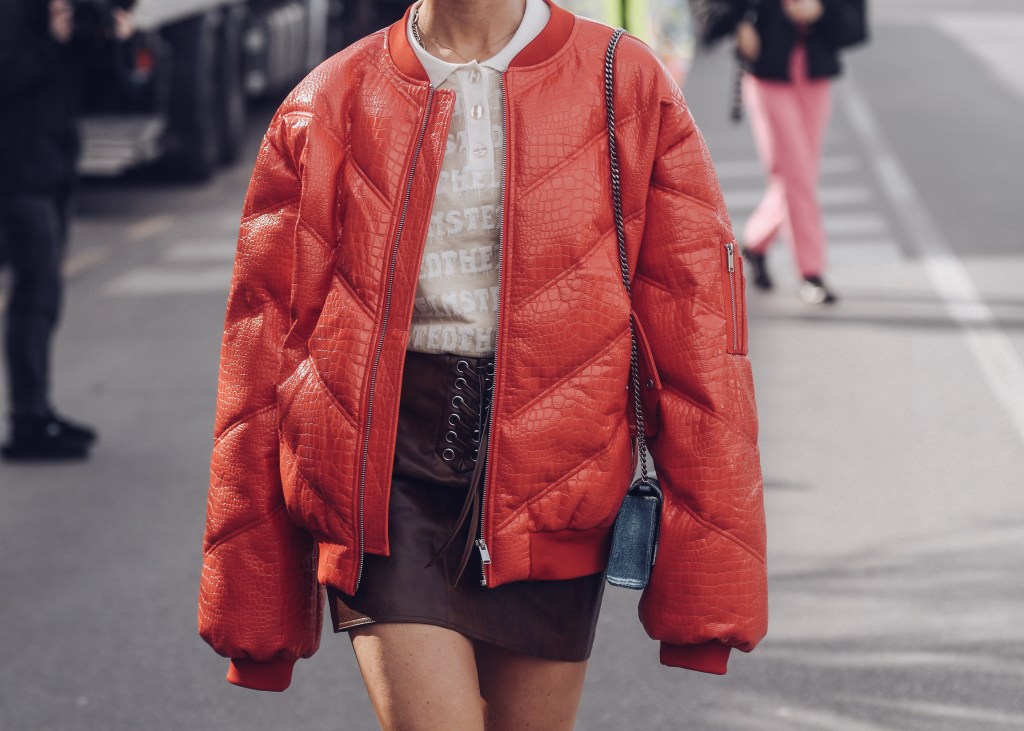
A great jacket can be the reason an outfit works. It draws the outer line, decides how much structure appears around the shoulders and changes the character of everything beneath it. The same jeans and shirt can feel composed under a blazer, easy under denim or sharper beneath leather. That range is what makes jackets such a useful place to build a wardrobe with some depth.
The five jackets every woman should own offer a useful set of silhouettes to consider. Your climate, routine and taste decide which ones deserve space. A woman who walks to work through a wet winter will need different fabric and coverage from someone whose jacket mostly comes out for dinner. You may own all five, or find that two do most of the work.
The enduring shapes worth considering are the tailored blazer, the leather jacket, the denim jacket, the trench and the bomber. Each offers a distinct way to finish an outfit. Some provide structure, others texture or ease. The trench belongs to the wider outerwear family, but its shorter variations work particularly well as jackets. Together, these silhouettes offer a useful starting point for dressing across occasions without rebuilding your wardrobe every season.
What makes a jacket earn its place?
A jacket earns its place when it works with the clothes and shoes you actually wear. Before buying, try it with your most-used trousers, a favourite dress or skirt, and the knit you reach for when the temperature drops. Notice whether the proportions still work with your everyday bag on your shoulder. A jacket that looks good by itself can behave quite differently once you introduce the rest of your life.
Fabric and construction matter as much as the silhouette. A blazer can be light and unlined or dense enough for cooler days; denim can be rigid or soft; a bomber can be almost weightless or heavily padded. Current variations do not change the basic usefulness of the shapes. Marie Claire’s spring 2026 outerwear reporting highlighted shaped tailoring and sporty layers, showing how familiar categories can take on a different mood through cut and styling.
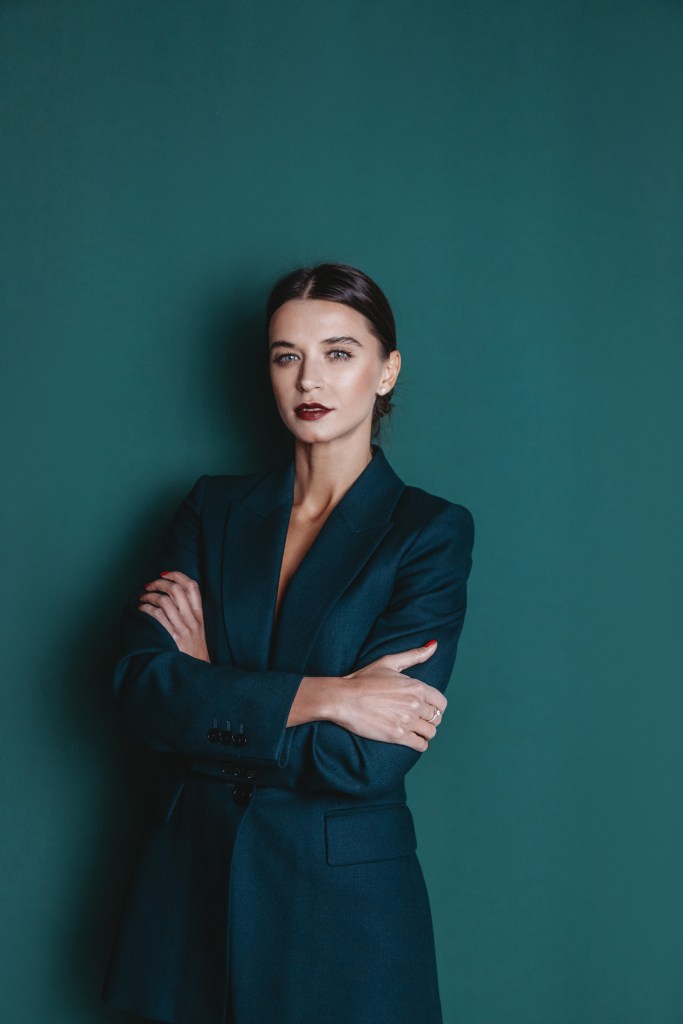
1. The tailored blazer: structure you can use every day
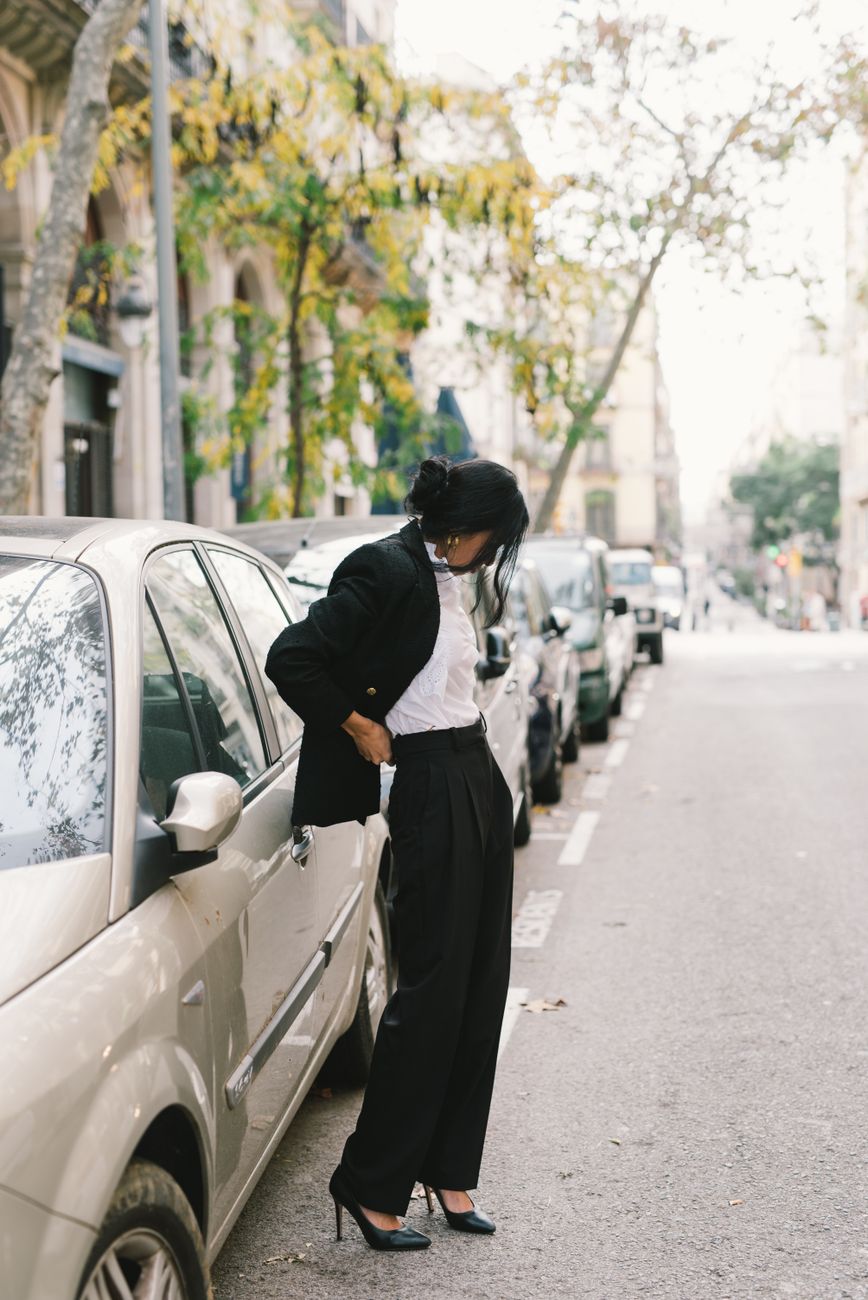
The blazer is the most adaptable source of structure in this edit. Its lapels frame a shirt or knit, its shoulder defines the upper half, and its front can bring order to a loose outfit. You can wear it as part of a suit, but its greatest everyday value often appears elsewhere: with faded denim, over a plain dress, or beside a skirt whose softness benefits from a firmer line.
Begin with the cut you feel most at home in. A straight, gently roomy blazer leaves space for layering; a shaped waist offers a more defined outline; a shorter cut changes the relationship with high-waisted trousers. None requires a particular body type. Try several lengths and look at where each ends against the garments you already own, rather than judging the jacket in isolation.
What to check before buying a blazer
Fasten it, reach forward and sit down. The collar should settle comfortably, and the front should not pull sharply at the fastening. If the shoulders are intentionally extended, the rest of the jacket still needs to hold its shape. Check the sleeves with your arms relaxed: an alteration may help with length, but a complicated shoulder adjustment can be a different proposition. Ask about the likely work before buying something that almost fits.
Black, navy, charcoal and a restrained check can all become useful foundations. Cream and lighter neutrals bring a different mood, particularly over denim or a dark dress. For an easy outfit, combine a blazer with straight jeans, a simple tee and loafers. ELE Styled’s black blazer outfit guide offers more combinations for work, weekends and evenings.
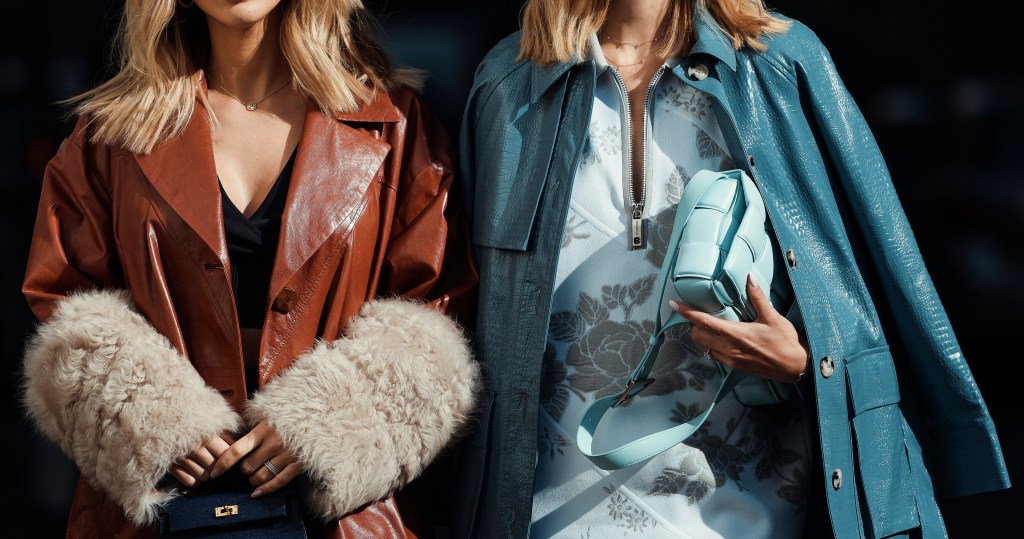
2. The leather jacket: a sharper texture for softer clothes
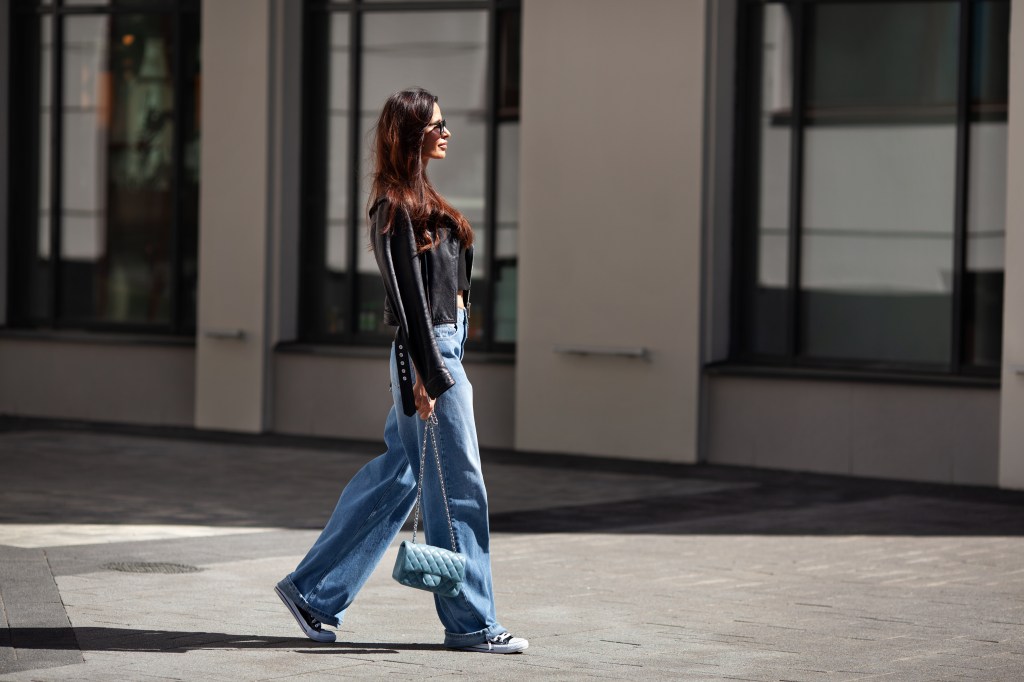
A leather jacket introduces a distinct surface and a little visual weight. That makes it particularly useful with a fluid dress, a fine knit or a plain cotton top. The appeal does not depend on copying a biker uniform. A restrained collarless style, a neat zip-front jacket and a more detailed biker cut all sit within the category, but each creates a different outline and mood.
If you want versatility, consider how much hardware you enjoy. Multiple zips, buckles and shoulder details give the jacket presence; a cleaner front leaves more room for patterned or textured clothes underneath. Black creates a strong contrast with pale fabrics. Chocolate, tan and burgundy can feel softer while still offering depth. Our guide to wearing brown can help you compare those warmer shades with the colours you already wear.
Make room for movement and a useful layer
Try the jacket over the top you will actually wear beneath it, then bend your elbows and reach across your body. A close fit should still allow ordinary movement. If you prefer a looser cut, check whether the sleeve and body volume remain manageable under a bag strap. Look at the weight, lining, fastening and care instructions as carefully as the surface; different finishes need different handling.
Wear leather with a long skirt and a restrained flat, or use it to sharpen a shirt and dark trousers. You can also explore non-leather alternatives if those suit your preferences; compare their feel, construction and care requirements rather than assuming every substitute behaves alike. When shopping secondhand, inspect the seams, lining and areas of heavy wear. Our vintage shopping guide is a helpful reference for deciding whether a promising find is worth bringing home.
3. The denim jacket: casual texture with a clear shape
The denim jacket is useful because it changes the tone of clothes that might otherwise feel a little formal. Over a printed dress, it supplies a familiar, practical layer. Beside tailored trousers, it introduces a different texture. With a simple skirt and knit, it can make the whole combination feel ready for daytime. Its seams, collar and pockets create enough structure to distinguish it from a cardigan without making it feel dressed up.
A medium blue wash is an easy starting point, but the best shade depends on what is already in your wardrobe. Dark indigo has a cleaner visual finish; a faded wash looks more relaxed; cream or ecru can sit particularly well with warmer neutrals. Avoid choosing solely by how the denim looks on a hanger. The stiffness of the fabric will influence how the shoulders, sleeves and hem sit on you.
Find the right length for your everyday outfits
A compact denim jacket can give a long dress or roomy trouser a clear upper boundary. A longer, more generous version leaves space for knitwear and creates a more relaxed shape. Check whether the hem lands where you want it, especially over a tucked shirt or a skirt waistband. Button it as well as leaving it open; even if you usually wear it undone, the fastening reveals whether there is enough room through the body.
For a simple weekend outfit, wear a denim jacket over a white shirt with dark trousers and sneakers. Keep enough of the shirt visible to make the layers distinct, and adjust the sleeves if that makes the combination feel lighter. Our white shirt styling guide offers more ways to use that familiar piece. Denim with denim is another option: contrasting washes make the relationship obvious, while similar shades create a more continuous line.
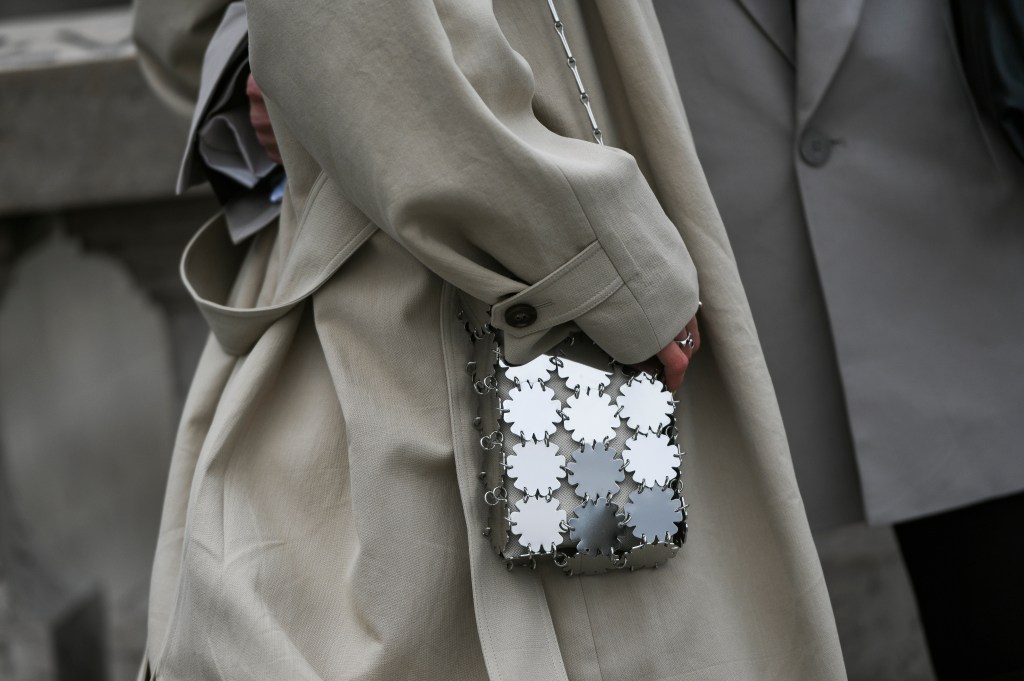
4. The trench: a clean outer line through changing weather
The trench provides coverage and definition with relatively little effort. Its collar, front and belt can bring a plain outfit into focus, while the longer versions create an outer line that moves with you. A short trench or trench-style jacket offers the same design language with less fabric, making it useful if you prefer a compact layer over wide trousers, skirts or everyday denim.
The belt gives you options. Fastening it can define the waist; tying it loosely at the back can hold an open coat in a little; removing it altogether may create the easiest shape. Look at the entire garment while trying those variations. A generous trench should still leave you able to move comfortably, carry your bag and manage the extra fabric when you sit down.
Match the fabric to the weather you live in
Do not assume that every trench is designed for rain. Some are primarily fashion outerwear, while others offer water resistance or weather-specific construction. Check the product information, fabric label and care requirements if wet-weather performance matters to you. A substantial trench may work beautifully in cool conditions, but a lighter or shorter version can be more useful during a mild spring or autumn.
Beige is a familiar choice, but stone, navy, olive and chocolate may integrate more easily with your existing clothes. Try a trench over dark trousers and a pale knit for a clear contrast, or over a dress with a flat shoe for a softer finish. If you are choosing between several shades, use the outfits you wear repeatedly as your test. Choose the colour that makes sense beside those dependable foundations rather than the one that looks most appealing in isolation.
5. The bomber: a rounded silhouette that relaxes the outfit
The bomber supplies something the other four shapes do not: a rounded body that gathers towards a defined hem. That small change can give straight trousers or a long skirt a different balance. A lighter, restrained bomber can serve as an easy everyday layer, while a padded version creates considerably more volume. Ribbed cuffs, a zip front and the neckline all influence how sporty or understated it feels.
Olive, black and navy are practical starting points, but the material matters just as much. A smooth surface creates a cleaner outline; a matte cotton version feels more casual; a lustrous fabric can become a stronger statement. Try the bomber with the kind of trouser or skirt you will wear most. A short, full body looks quite different over a wide leg from a longer, less gathered cut.
Balance the volume rather than hiding it
Keep the layer beneath relatively uncomplicated for your first outfit: a neat tee, fine knit or simple shirt. The lower half can be straight, narrow or generous, provided you can still see a clear relationship between the garments. If everything feels too bulky, try a thinner top or a trouser with more fluidity before ruling out the jacket. The issue may be the combined fabric weight rather than the silhouette itself.
A bomber with tailored trousers and a loafer is a useful way to mix the sporty reference with something more composed. With a fluid skirt, a simple shoe can keep the outfit grounded. The finishing details need not compete with the jacket’s shape; our accessorising guide offers more ways to choose a bag, belt or earring that supports the clothes without crowding them.
Build your jacket wardrobe around the gaps you actually have
Lay out the outerwear you already own and consider what each piece does. You may have several casual layers and no jacket that feels right for work or dinner. You may own beautiful tailoring but need something easy over weekend clothes. Buy for that gap first, then consider whether another silhouette would open up several outfits you want to wear.
Keep the practical tests specific. Carry your usual bag, try the fastening, wear the intended layer underneath and check the jacket’s care needs. Look for a place to store it properly and make room for routine maintenance. A wardrobe of jackets becomes useful through those ordinary details, as well as through the silhouettes. The goal is to have a layer you trust for the day ahead, with enough variety to give familiar clothes a different mood when you want it.
Frequently Asked Questions
What are the five jackets every woman should own?
This edit focuses on the blazer, leather jacket, denim jacket, trench and bomber. They offer different combinations of structure, texture, coverage and ease. Treat them as useful categories to consider rather than a requirement to buy all five; your climate, dress code and existing wardrobe should guide the selection.
Which jacket should I buy first for a capsule wardrobe?
Start with the gap in your current wardrobe. A blazer is useful if you need a layer for work and dinner, while denim or a restrained bomber may suit a mostly casual routine. If weather protection is the priority, choose outerwear whose stated fabric and construction meet those needs.
Are oversized jackets more stylish than fitted jackets?
Neither shape is automatically better. A roomy jacket can add presence and allow layering, while a shaped jacket gives a more defined line. Compare them with the trousers, skirts and shoes you usually wear. Fit still matters in an oversized design, especially around the collar, sleeves and fastening.
Can I wear a denim jacket with tailored trousers?
Yes. Denim introduces a casual texture that can make tailored trousers feel less formal. Try a simple shirt or knit underneath, then choose loafers, flats or sneakers according to the occasion. Check that the jacket length works with the trouser rise and that the combined outfit allows comfortable movement.
How do I choose a jacket for a warm climate?
Look at weight, lining, fabric and sleeve volume as well as the shape. A light blazer, unpadded bomber or shorter trench-style jacket may suit mild conditions better than a dense version. Consider when you actually need the layer, including cooler evenings and indoor settings, and try it over your usual clothes.
What to Read Next
- How to Style Black Trousers: 15 Outfits That Work for Almost Everything
- The Classic Wardrobe 101, The Timeless Pieces Every Woman Should Own
- How to Build a Wardrobe From Scratch, The Grown-Up Guide to Clothes You Actually Wear
Featured image: Blue Bird / Pexels.


Leave a Reply