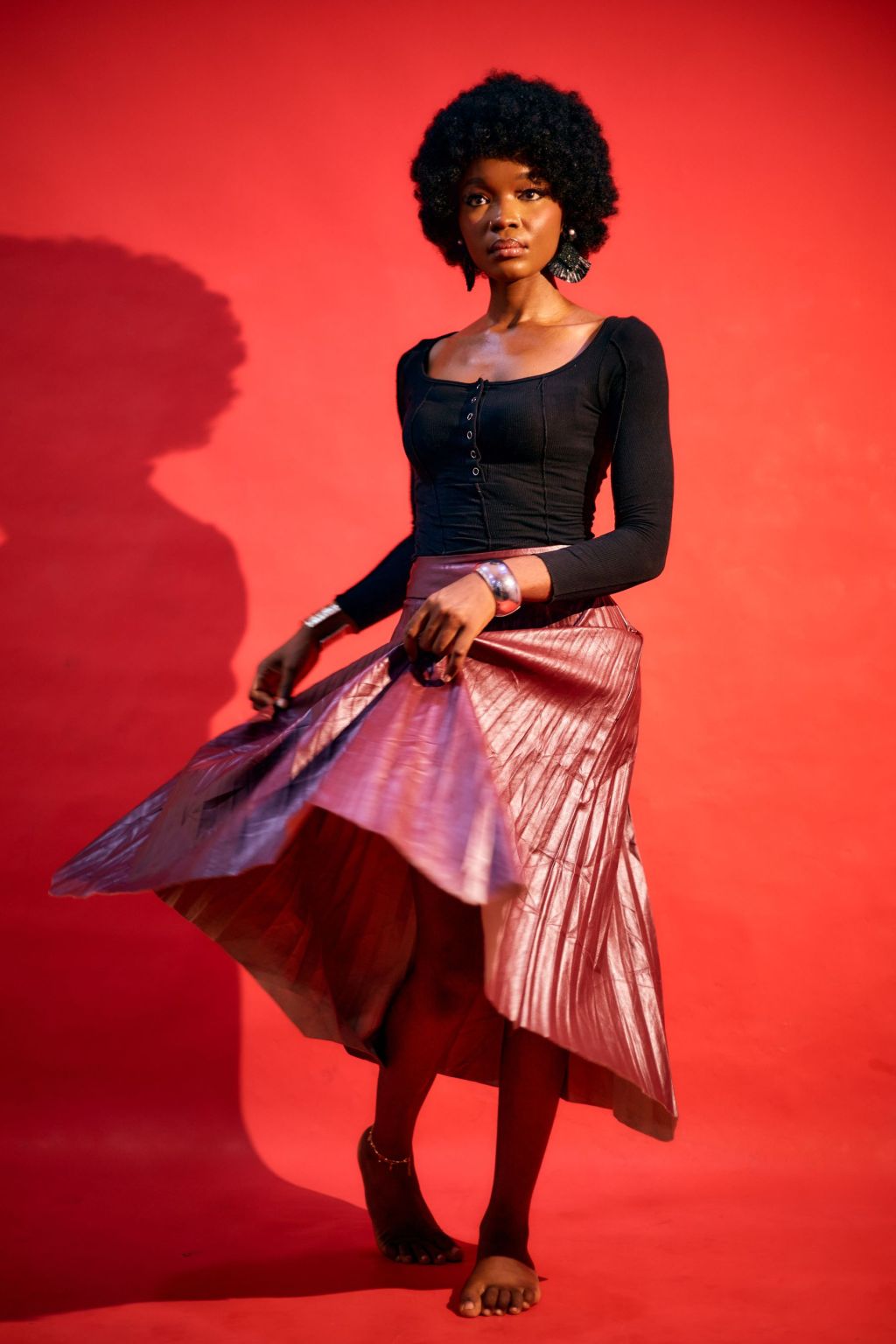
There is a particular pleasure in an outfit that moves beautifully. A hem catches the air as you cross the street. A pleat opens as you take the stairs. A simple knit suddenly has somewhere interesting to go. That is the appeal of a good skirt: it changes the whole silhouette without asking you to reinvent everything above the waist.
The most useful skirt conversation is bigger than a single fashionable length. A narrow midi and a generous cotton skirt create entirely different moods, yet both can work with the white shirt, cardigan and flats already in your wardrobe. Choose the shape first and the rest of the outfit becomes easier to imagine.
These eight skirt styles are our edit for refreshing the season ahead, with enough staying power to keep earning their place afterwards. Think of them as styling possibilities rather than a shopping checklist. One well-chosen skirt, worn three different ways, can bring more variety than several purchases that require another purchase to make sense.
Start with the outfit you want to wear
Before deciding between a mini and a maxi, look at your favourite shoes and tops. A skirt has to meet them somewhere. If you live in substantial loafers, try a crisp A-line or a fluid midi. If your wardrobe revolves around roomy shirts, a straighter skirt gives you an easy starting point for contrast.
Fit deserves the same attention as length. The waistband should feel comfortable sitting down, the side seams should hang cleanly and the hem should let you walk naturally. Our guide to finding a skirt silhouette for your proportions is a useful reference, but treat body-shape descriptions as suggestions to try. The garment is the thing being assessed.
Take the skirt into daylight if possible. Check transparency, lining and whether the fabric catches on underwear or hosiery. A beautiful shape loses its appeal quickly if you spend the day tugging it back into position.
1. The satin midi: fluid rather than precious
A satin midi offers a useful change of surface. Against a cotton T-shirt it looks dressed; against a soft knit it brings lightness; beneath tailoring it makes the overall outfit feel less rigid. Chocolate, navy and olive are especially easy to integrate if black already dominates your wardrobe.
CottonWorks identifies satin as one of the basic weaves, rather than a fibre name. A satin skirt might be silk, polyester or another fibre blend, so read the composition and care label rather than assuming shine means silk. Feel the weight and inspect the seams. Some very light fabrics reveal every seam allowance and pull across the hips even when the waist fits.
For daytime, try a tobacco satin midi with a white crew-neck tee, a fine cardigan and flat sandals. For dinner, keep the skirt and replace the tee with a simple sleeveless top. You do not need to add more shine at every level.
If the skirt keeps twisting or hiking upwards, try another cut or size. Styling cannot correct a garment that does not hang properly. A slightly roomier fit often makes the fluidity you bought it for much more visible.
2. The A-line: a clear shape with everyday usefulness
An A-line skirt widens towards the hem, giving an outfit structure without the close fit of a pencil. In crisp cotton it feels airy and practical; in denim it has more weight; in wool it works beautifully with boots and a compact knit.
The waistband and the point where the fullness begins make a considerable difference. Some skirts flare immediately from the waist, while others skim the upper hip before opening out. Try both if one version feels awkward. You may love the shape once the volume begins in a different place.
A striped shirt tucked loosely into a navy A-line is an easy weekday combination. Push the sleeves up and choose shoes with a clean outline. If the shirt is very generous, leave the collar open or try a smaller front tuck so there is less fabric gathered at the waist.
There is no obligation to define the waist. A straight, untucked knit can create a lovely longer line over an A-line, provided you like where the two hems meet. Try the combination in a mirror before deciding that all fuller skirts require fitted tops.
3. The modern pencil: give tailoring some ease
The pencil skirt is particularly interesting when it escapes its most formal associations. Look for a straight or gently tapered shape with enough room to sit and move, then pair it with something that feels lived in: a cotton shirt, a fine polo knit or a relaxed tee.
A back vent or carefully placed slit can provide movement, but check it while walking and sitting. A slit that rises much higher when you take a step may be unsuitable for the occasions you had in mind. The same test matters when the fabric contains stretch.
Try a charcoal pencil skirt with a blue shirt and loafers for work. On the weekend, a washed tee and low-profile sneakers shift the mood. A belt is optional; use one when it contributes something to the proportions rather than because the skirt has loops.
If a jacket makes the outfit feel overly corporate, change its length or texture. A short cotton jacket can loosen the impression considerably. Our guide to five enduring jacket silhouettes offers useful alternatives when your usual blazer feels too expected.
4. The pleated skirt: make room for movement
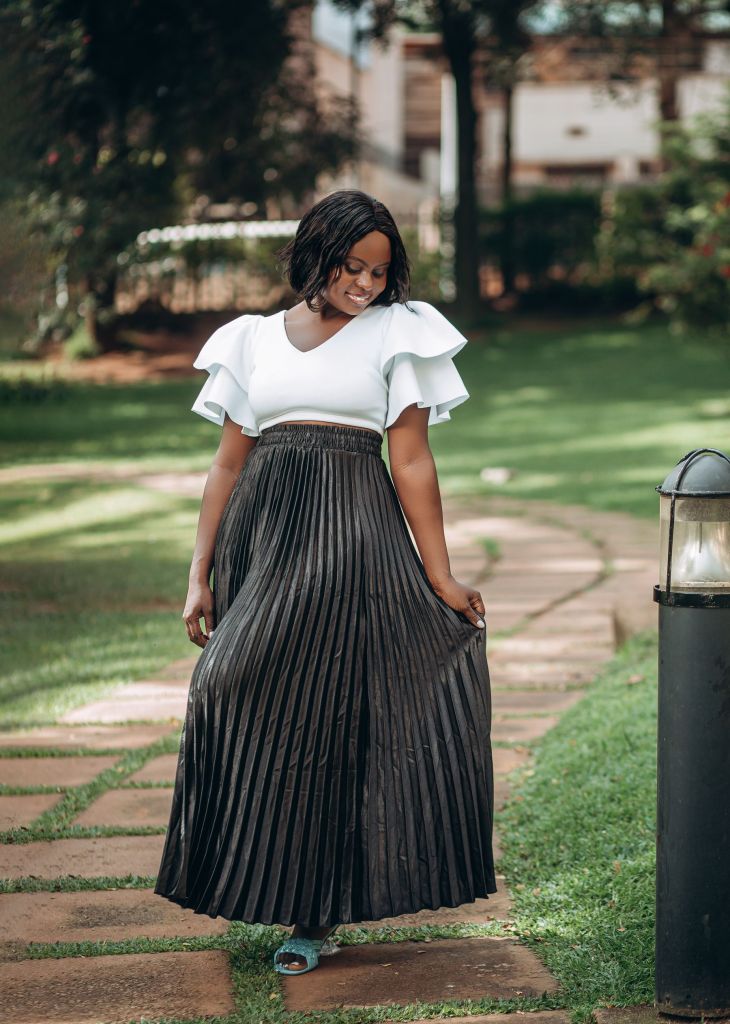
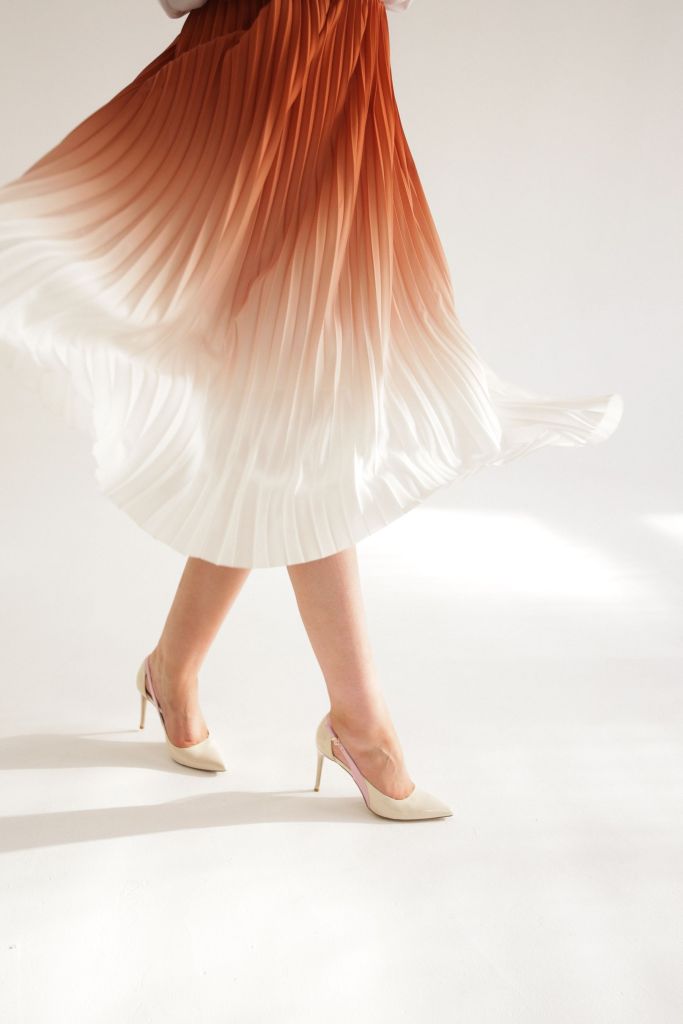
Pleats create rhythm through an outfit, which is why the rest can stay relatively quiet. A pleated midi with a plain knit and beautifully maintained flats has plenty of interest without elaborate accessories. For a softer effect, look for pleats that fall gently rather than standing sharply away from the body.
Check how the pleats behave across the hips. If they open widely when you are standing still, try another size or a different waistband construction. This is a fit consideration, not a reason to rule out pleats altogether.
For a contemporary everyday outfit, combine an olive pleated midi with a cream tee and a dark cardigan worn open. A compact crossbody bag keeps the look practical. On cooler days, boots can sit beneath the hem, creating a continuous line without making the outfit feel heavy.
Follow the care instructions closely. Some pleats are designed to hold their shape with specific treatment, and enthusiastic ironing can undo the very detail you wanted. When buying secondhand, inspect the pleating at the seat and hem as well as the front.
5. The denim skirt: familiar fabric, different proportions
A denim skirt can do some of the work of jeans while giving everyday outfits a different outline. A straight midi, a simple mini and a long A-line all belong in this category, but they will behave quite differently. Start with the length that suits your routine.
For a longer style, the walking test matters. Take a proper stride, climb a step and sit down. If the opening restricts movement or the front slit makes you uncomfortable, move on. A skirt that only works while standing still will not become your most useful purchase.
Mid-blue denim looks fresh with a white shirt and tan sandals. Dark indigo lends itself to a sharper combination with a fine knit and loafers. Avoid assuming that a denim skirt needs to be dressed entirely casually; a neat jacket can make the familiar fabric feel surprisingly considered.
Before purchasing another blue denim piece, try your existing tops with one in a shop. The waistband height and the amount of volume may reveal that the shirt you rarely wear is suddenly exactly right.
6. The considered mini: choose the length for your life
A mini skirt does not need to become an exercise in looking younger or dressing more cautiously. The useful questions are practical: can you sit comfortably, walk easily and wear it without constantly checking the hem? The answer will be different for everyone.
A simple A-line mini in cotton, denim or wool is a good starting point. Pair it with a roomy shirt or a fine long-sleeved knit if you enjoy a balance between bare legs and coverage above. Equally, a sleeveless top can work beautifully in warm weather.
Footwear changes the impression quickly. Loafers make the look collegiate, flat sandals feel relaxed and boots give it more weight. Our edit of flat shoes that can replace heels is useful when you want polish while keeping the outfit comfortable enough to walk in.
In cooler weather, try opaque tights close to the colour of the skirt or shoes for a more continuous line. There is no universal ideal number of centimetres above the knee. Find the length that lets you forget about the hem once you leave home.
7. The sheer or lace skirt: decide the coverage first
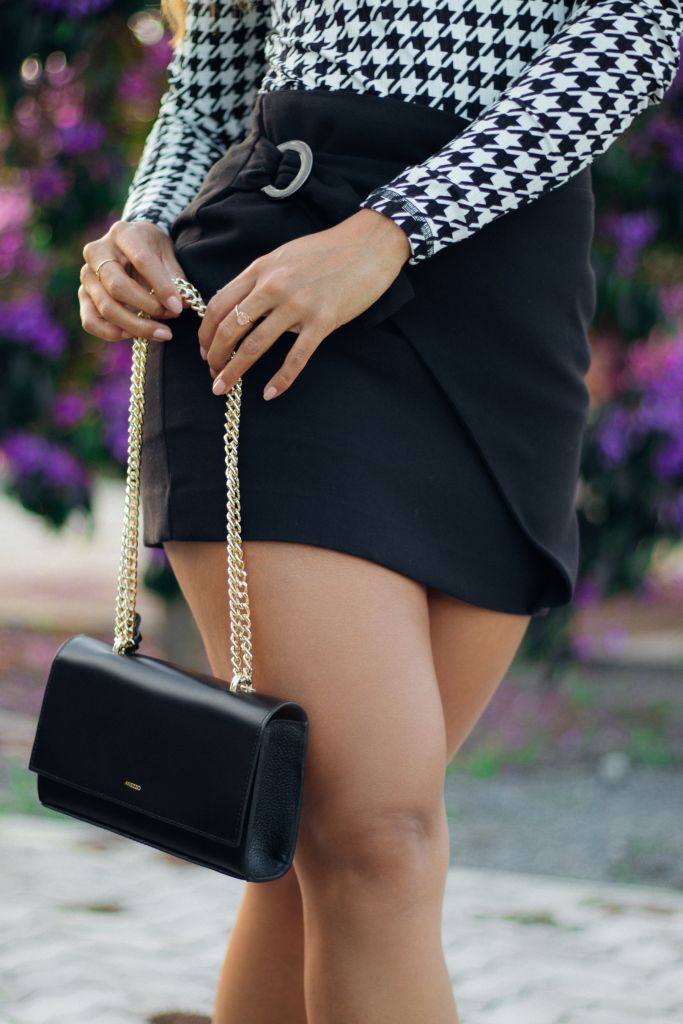
Transparency is easier to style once you decide what you want visible. A matching slip creates a quieter result. A shorter lining makes the lower part of the skirt the focus. An opaque panel or partial lace detail offers another way into the idea without a fully transparent garment.
Try the complete combination in daylight, including what you intend to wear underneath. A skirt that looks opaque indoors may become considerably more revealing outside. Check the back as carefully as the front.
The most wearable version often combines delicate texture with everyday clothing. Think a lined lace midi, a simple cotton tee and leather flats. ELE Styled’s guide to wearing sheer skirts explores more layering approaches if you want to experiment further.
Treat the fabric gently around buckles, zips and textured bags that might catch. A beautiful lace skirt is much less enjoyable if the accessories snag it before you reach dinner. Check the care requirements before deciding it belongs in a frequently worn wardrobe.
8. The statement-texture skirt: let the surface lead
Sequins, fringe and richly textured fabrics offer another route to making a skirt the centre of the outfit. You can keep the shape familiar and change only the surface, which is helpful if dramatic new proportions do not appeal.
A sequin midi with a cotton shirt has a different energy from the same skirt with a metallic top. Both can be wonderful, but the first is often easier to translate into daytime. Our sequin skirt styling guide offers more outfit ideas across different lengths.
Check the reverse of the fabric and the quality of the lining. Rough seams, scratchy edges or heavy embellishment can affect comfort. Sit down in the fitting room and consider the weight rather than judging the skirt solely by how it photographs.
For an evening outfit, try a textured skirt with a plain black top and one interesting earring. For a low-key lunch, add a soft knit and flats. The surface already creates visual interest; you can choose how much company to give it.
Make one skirt work across the week
A useful exercise is to build three complete outfits before buying. Choose one for an ordinary day, one for work or another regular commitment, and one for something social. Include shoes and a layer in each. Three theoretical tops are less useful than three outfits you can actually leave home in.
Photograph the combinations and notice what changes their mood. It may be a tucked waist, a heavier shoe or the contrast of a soft skirt against a short jacket. You can repeat that relationship with other pieces you already own.
Buy for your climate as well as your calendar. A heavily lined skirt might be lovely for a southern winter and frustrating in humid weather. Check the care label against your willingness to maintain it. The piece that earns repeat wear is usually the one that makes sense on an ordinary Tuesday.
Frequently asked questions
Which skirt style is easiest to wear with flats?
A-line, straight and fluid midi skirts can all work with flats. Try the complete outfit and adjust the hem, shoe shape or top length if the proportions feel awkward. No skirt length automatically requires heels.
Can a satin skirt work in a casual wardrobe?
Yes. Pair it with familiar matte textures such as cotton jersey, denim or knitwear. Check the care label first so the fabric suits how often you plan to wear it.
How many skirt styles do I need?
There is no required number. One versatile skirt may cover several occasions. Add another only when it offers a useful difference in shape, climate suitability or level of dress.
Can I wear a mini skirt after 40?
Absolutely. Age does not determine a suitable hemline. Comfort, fit, movement and your own preferences are more useful guides.
What to Read Next
For more ways to refresh familiar combinations, read The Pieces That Instantly Make an Outfit Feel More Fashion-Forward.
Then explore How to Accessorise Like a Stylist to see how bags, belts, jewellery and shoes can change the mood of the same skirt.



Leave a Reply