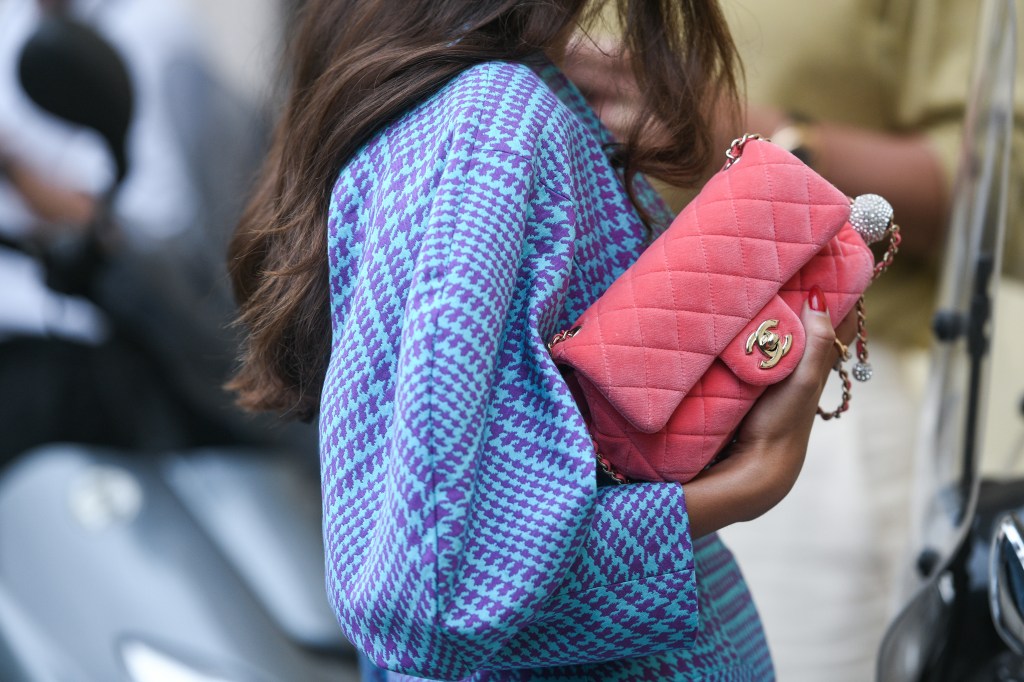
Some outfits have a point of view before you notice a single label. The trousers make a generous shape, the jacket ends in an unexpected place, or a glossy bag sits against a rough knit. There may be very little colour and nothing conspicuously new. What registers is the relationship between the pieces: familiar clothes arranged with enough tension to make you look again.
That is the most useful way to approach fashion-forward dressing. It does not require a wardrobe organised around whatever has just appeared on a runway. It asks you to notice what your clothes are doing. Does the shoulder create structure? Does the hem have movement? Is there one detail that interrupts a combination you could otherwise wear on autopilot?
The best fashion-forward wardrobe pieces change one of those things clearly. They offer a different proportion, a more interesting surface or a stronger finishing detail, then work with the clothes you already reach for. This edit is about those changes: pieces that make a white shirt, everyday denim or a plain black skirt feel more expressive without making getting dressed a complicated production.
Start with the shape, then choose the statement
Before adding anything, look at the outfit you usually wear. If it is a straight trouser and a close-fitting top, a broader jacket might be the useful change. If you prefer generous shirts and roomy jeans, a compact jacket or a defined waist may make more impact. Repeating the same shape at every level can be comfortable, but changing one proportion makes the eye travel differently through the look.
There is room for both fitted and relaxed dressing in the current fashion conversation. You do not need to commit to a single silhouette. Try the idea on your existing outfit and judge the result in the mirror. Our guide to adapting trends to your own style takes the same practical approach.
A jacket with a deliberate shoulder or waist
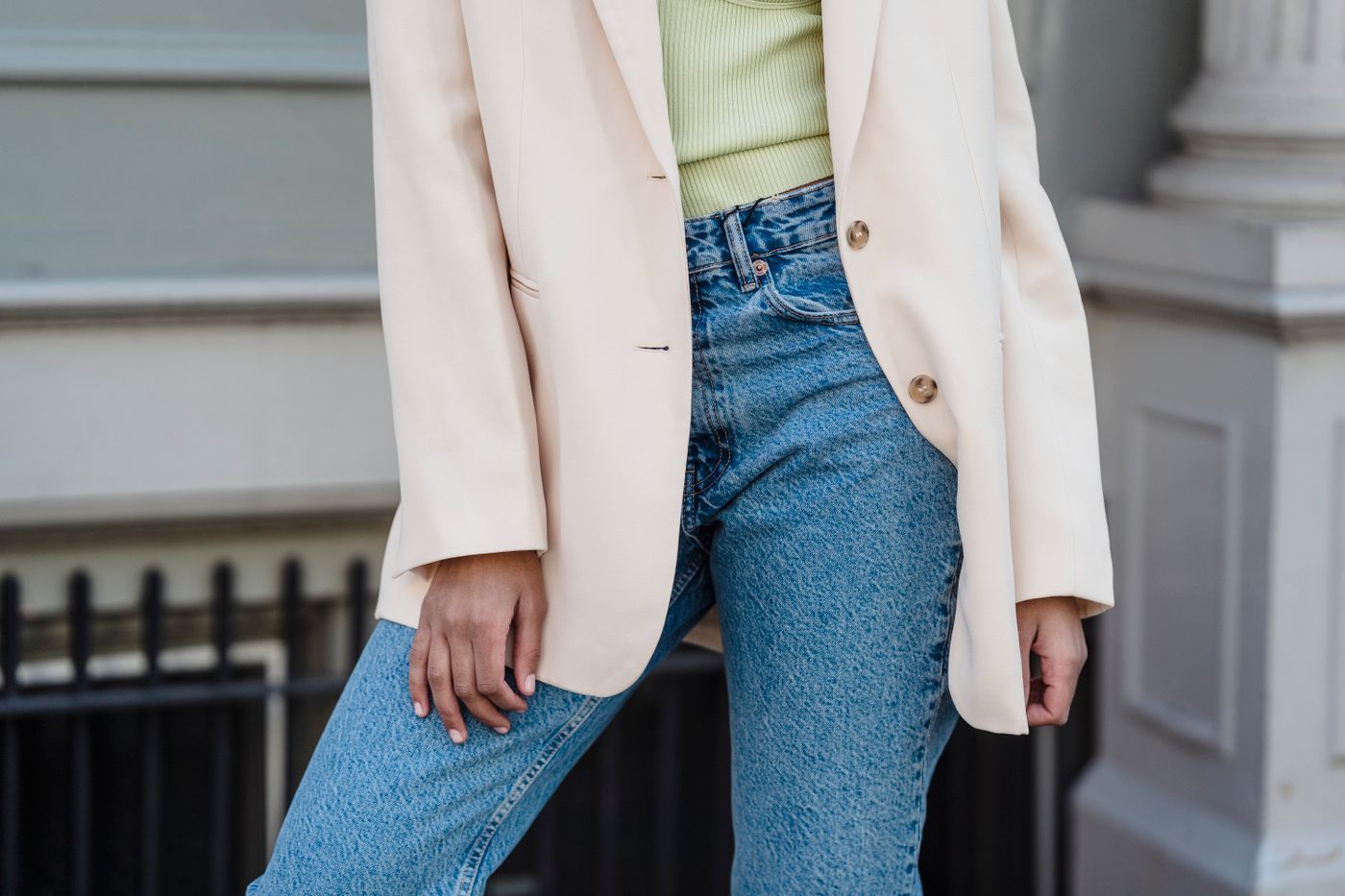
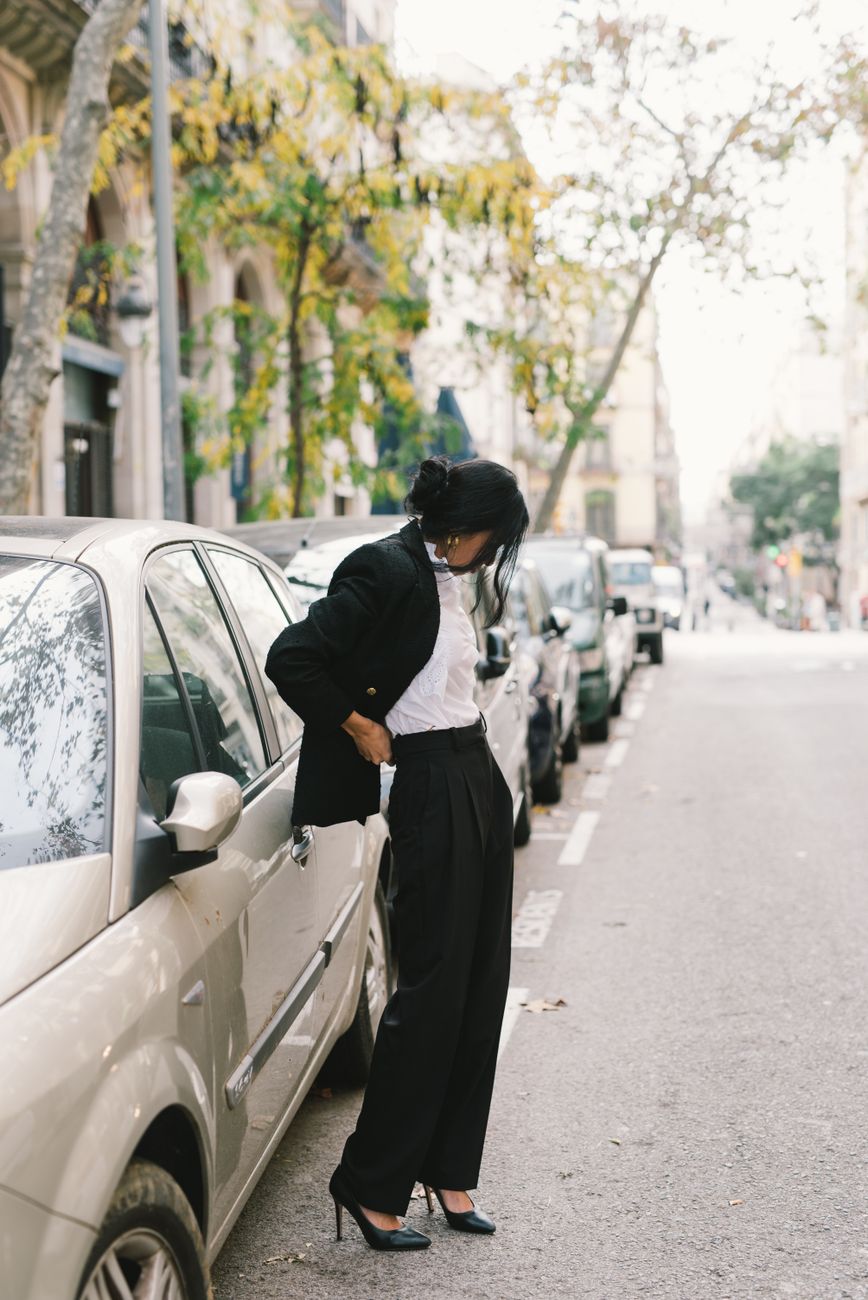
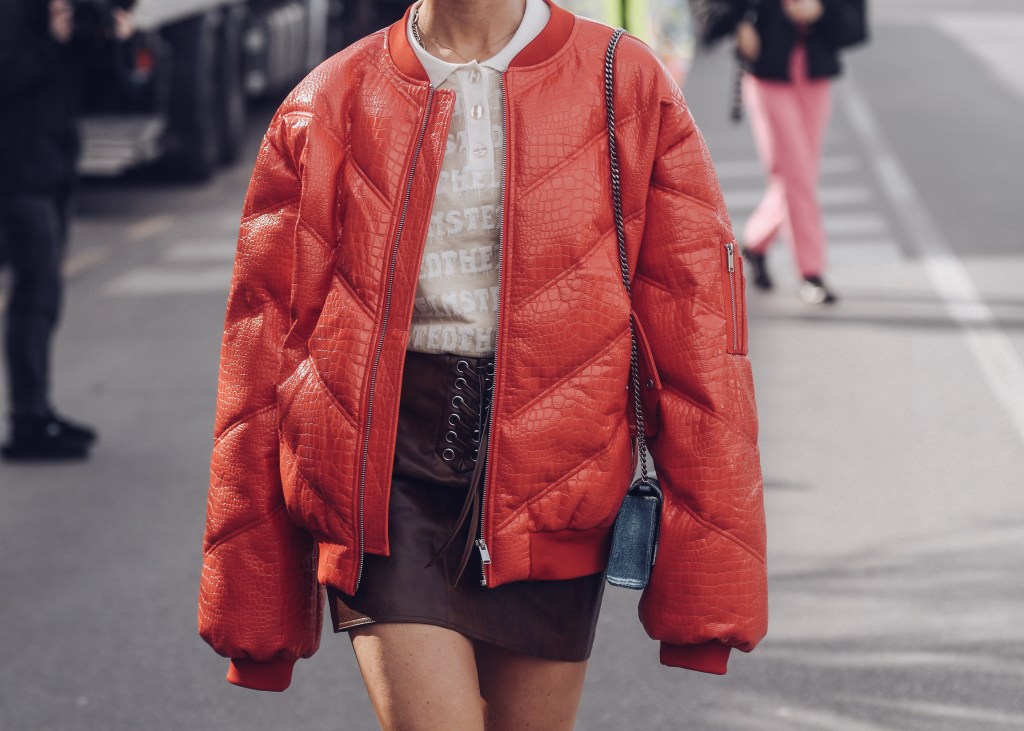
A jacket is often the fastest way to change the architecture of a familiar outfit because it creates the outer line. A slightly stronger shoulder can give denim and a simple tank more presence; a shaped waist can turn a straight skirt and fine knit into something more defined. The useful word is deliberate. An oversized jacket needs enough substance to hold its outline, while a closer cut needs to skim rather than strain.
Consider the length as carefully as the shoulder. A jacket ending at the upper hip creates a different relationship with high-waisted trousers from one that falls below the seat. Try it both open and closed, with the shoes you usually wear. If the lapels collapse, the sleeves swallow your hands or the fabric pulls across the back, changing the size or cut will usually help more than adding an accessory.
Give it something relaxed to work against
Wear a structured blazer with faded jeans, or a shaped jacket over a cotton T-shirt and fluid trousers. Keeping a casual element gives the tailoring breathing room. If you already own a black blazer, begin there: the ideas in our black blazer styling guide can help you find a new combination before deciding that your wardrobe needs a different jacket.
Trousers that create a new line
A different trouser silhouette can make even your oldest knit feel newly interesting. Pleats introduce fullness at the waist; a wide leg lets the fabric move; a gently curved leg creates volume before narrowing towards the ankle. Each changes the balance of the outfit. The most useful pair is the one whose shape stays visible when you walk and sit, rather than a cut you admire only on a hanger.
Start with fabric weight. A fluid trouser falls and sways, while a denser cotton or wool blend holds more of its shape. Then look at the waistband and where the pockets sit. If a pleat opens sharply or a pocket pulls, the trouser may need more room or a different rise. Generosity through the leg does not automatically mean the garment fits well through the waist and hips.
Keep the top simple for the first few wears: a fine knit, a tucked shirt or a fitted cotton tee. The trouser can supply the interest while you learn its proportions. With full-length styles, have the hem adjusted for the shoes you wear most often. Styling black trousers is a useful place to explore how much the shoes and upper layers can change a familiar foundation.
A knit with a neckline worth noticing
A knit can offer more than warmth and a safe neutral colour. A boat neck creates a long horizontal line, a high neckline frames the face, and a subtle asymmetric neckline makes a plain outfit feel less predictable. Ribbing, a compact collar or a slightly sculpted sleeve can have a similar effect. Choose the detail that you want to live with, rather than collecting several competing gestures in one jumper.
Wear a knit with a distinctive neckline beneath a simple coat, with trousers or denim that leave it in focus. If the sleeve is generous, notice how it behaves beneath your outerwear; if the neckline is wide, test it while reaching and sitting. A piece that needs constant repositioning can lose its appeal quickly. The fashion interest should survive the ordinary movements of your day.
Colour can be the alternative to an unusual cut. A clear blue cardigan against dark trousers and a black bag offers a precise interruption in an otherwise restrained outfit. You can also try a soft brown knit against navy rather than choosing black by default. Our guide to wearing brown offers useful colour combinations when you want to experiment with a different neutral.
A textured layer that changes the surface
Texture is particularly effective when you prefer simple silhouettes. A nubbly jacket over a smooth cotton shirt, brushed knitwear with crisp trousers, or a softly worn leather layer against a fluid dress creates interest without requiring a complicated colour palette. The eye reads the surfaces differently, so even closely related shades can remain distinct rather than merging into one flat block.
Choose texture by handling the garment as well as looking at it. Does it feel pleasant against your skin? Does the lining catch on your knitwear? Will a loose weave snag against the bag you carry? Check the care label before you decide it belongs in your everyday rotation. The right textured piece should offer character without requiring a level of maintenance you will resent.
For an easy first outfit, try a textured jacket with straight jeans, a plain tee and a restrained shoe. For dinner, move the same layer over a smooth skirt or dress. Secondhand rails can be useful for distinctive fabric and interesting buttons, provided you inspect the condition carefully; our guide to shopping vintage like a fashion editor explains what to look for beyond a promising label.
A skirt with movement or a different finish
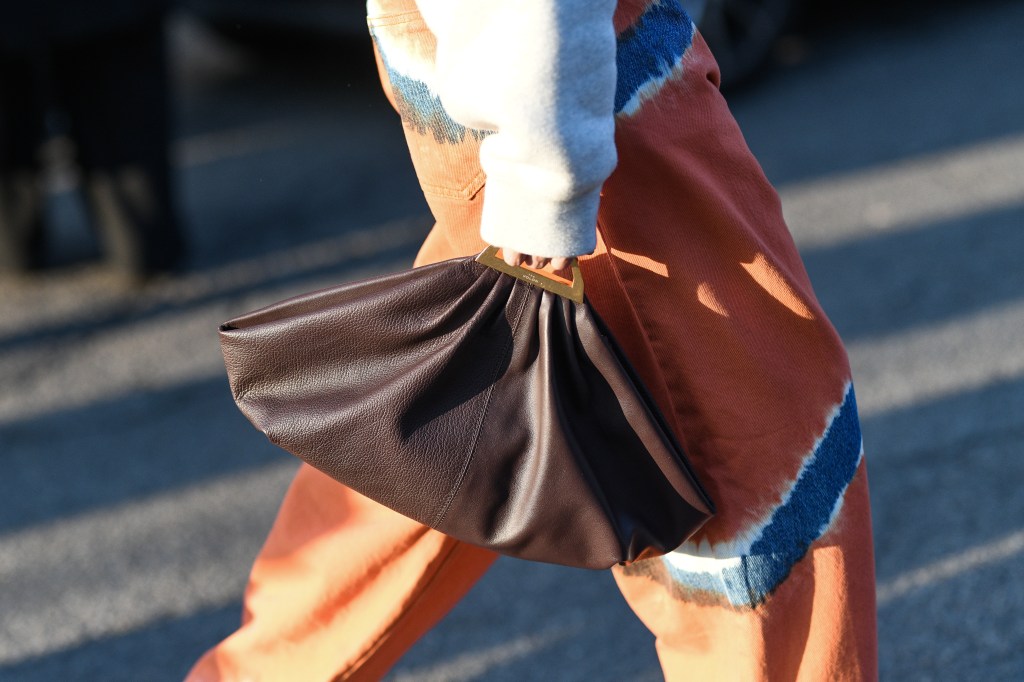
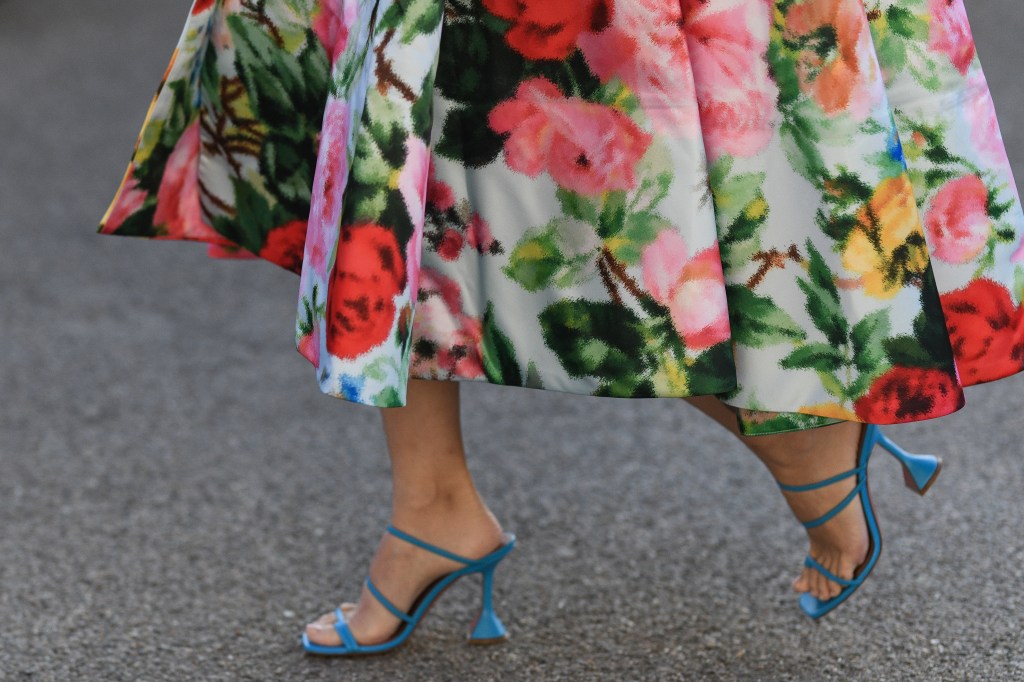
Changing the surface of the lower half can alter a look more than changing the top. A softly lustrous skirt beneath a matte knit gives an everyday combination a little light. A pleated skirt introduces rhythm as you walk, while a gently asymmetric hem can make a simple column feel less static. These pieces work best when their interesting detail is allowed to remain visible, rather than being buried beneath a long, heavy layer.
Try a fluid skirt with a cotton tee and a substantial flat shoe, or a textured skirt with a neat cardigan and a simple bag. If the skirt is full, you can define the upper half with a shorter jacket or a tuck; if it is narrow, a looser knit may provide a pleasing counterbalance. Those are options to test, not rules about which body should wear which shape.
For everyday usefulness, check the skirt in daylight and while sitting. A fabric that looks substantial indoors may be more transparent outside, and a lining can change how the garment falls. Consider whether you can walk comfortably and whether the waistband stays in place. Movement is part of the appeal, so the skirt needs to work beyond a carefully arranged photograph.
A flat shoe with character
Shoes can interrupt a familiar outfit in a very small amount of space. A coloured loafer beneath jeans, an almond-toe flat with loose trousers, or a substantial lace-up beneath a soft skirt introduces a clear finish at ground level. Rather than looking for the most attention-grabbing pair, notice which shape would give your usual outfits a different balance.
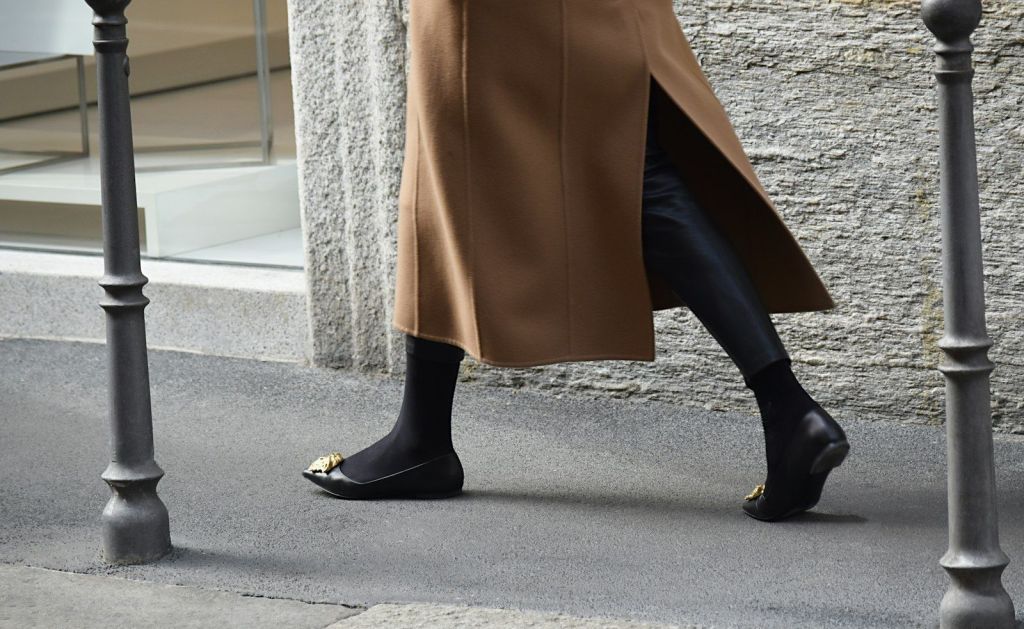
A flat in a muted blue, burgundy or silver can supply enough interest for the whole look. Let the colour appear once if that feels cleaner, or repeat it lightly in a scarf or bag detail. You do not have to build a matching set around the shoes. If you choose a decorative flat, keep the trouser hem clear enough to show what you liked about it in the first place.
A belt that changes where the eye lands
A belt can make a shirt and trousers look more composed, but its more interesting function is drawing attention to a particular line. A narrow belt gives a quiet division; a broader one creates a stronger focal point. Worn through the loops of a trouser, it can frame a tuck. Worn over a roomy knit or jacket, it can gather volume and make a new silhouette.
Use the belt where it sits comfortably rather than forcing it to an imagined ideal position. Over a jacket, check that it does not bunch the front or interfere with the pockets. With a shirt, leave enough ease above it to sit and move. A buckle with some shape can bring character to a very plain outfit, but proportion matters: a large buckle can become the first thing you see.
A bag or earring that supplies the point of view
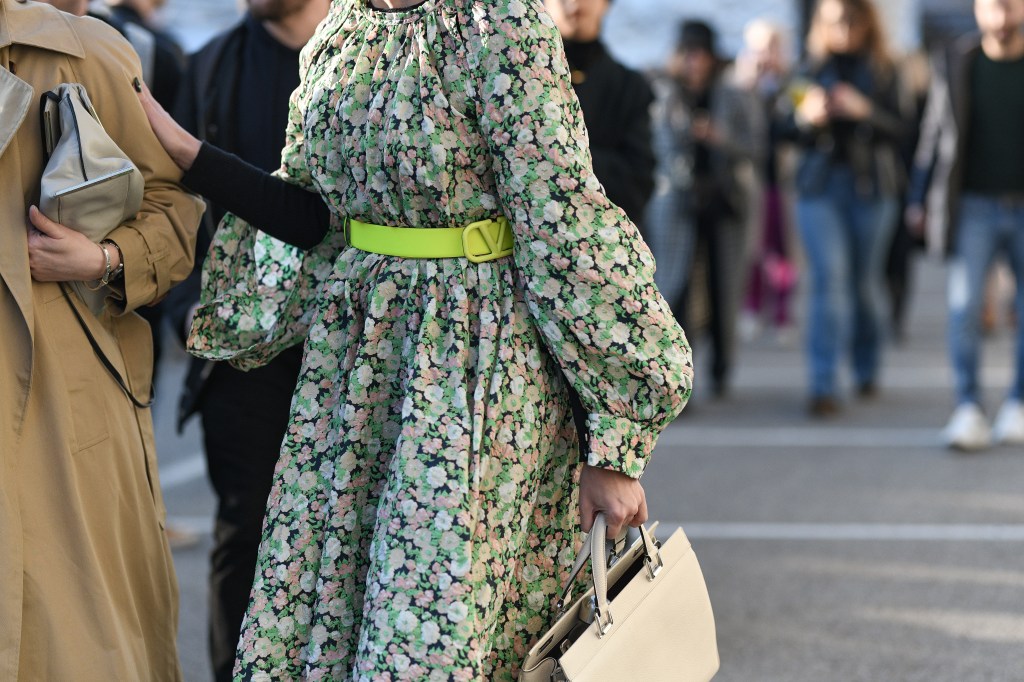
A sculptural earring can make a simple crewneck feel dressed; a compact bag with a clear shape can give a soft outfit definition. This is where a small decision can carry more personality than another garment. Choose one detail you want to notice, then let the surrounding pieces support it. A bag with interesting texture may need very little jewellery, while a smooth, quiet bag can leave room for an expressive earring.
The practical details still count. Test an earring’s weight and fastening, and check whether the bag carries the things you actually need. A beautiful accessory that stays at home rarely changes your style. Compare the scale of the finishing piece with the garment around it, and notice whether you want the accessory or the clothes to draw the eye first.
How to build the outfit without overcomplicating it
Choose a familiar base, then give one piece a clear job. With a T-shirt and jeans, the jacket might introduce shape. With a plain knit and trousers, a coloured flat might become the focus. With a simple dress, a textured layer might supply the contrast. Once that decision works, add another detail only if it improves the relationship between the pieces.
Take a photograph at a normal distance and look at the entire outline. Notice where fabric gathers, what disappears and which detail catches your eye first. You may find that a different tuck or a hem adjustment delivers the change you wanted. When a new purchase is involved, imagine several ordinary days you would wear it. The most persuasive fashion-forward pieces earn their place through repeated use, each time bringing a little more character to familiar clothes.
Frequently Asked Questions
What makes an outfit look fashion-forward?
A considered change in proportion, texture or styling often makes the difference. A distinctive jacket shape, an interesting shoe or an unexpected fabric pairing can give familiar clothes a point of view. Start with one clear detail and assess the whole outfit rather than adding several trends together.
How can I make basic outfits more interesting on a budget?
Try adjusting a tuck, changing the trouser hem you show, or wearing a belt with a piece you usually leave loose. Rotate shoes and accessories you already own. If you buy something, choose a piece that changes several existing outfits rather than requiring a new wardrobe around it.
Which fashion-forward wardrobe pieces are easiest to wear every day?
A well-fitting jacket, trousers with a shape you enjoy, a knit with a distinctive neckline and a characterful flat shoe are practical starting points. The best choice depends on your routine. Check that each piece works with your outerwear, everyday bag and usual shoes before committing.
Can minimalist outfits still feel fashion-forward?
Yes. Minimal outfits can be very expressive through silhouette and surface. Try a compact jacket over fluid trousers, or a textured knit with a smooth skirt. A restrained colour palette allows those differences to register clearly, particularly when the fit and garment lengths have been considered.
How do I wear a statement piece without feeling overdressed?
Pair it with familiar, relaxed clothes first. A strong jacket can work with denim and a tee; an interesting earring can sit beside a plain knit. Choose something you can move in comfortably, and reduce another detail if the whole outfit feels busier than you intended.
What to Read Next
- How to Accessorise Like a Stylist: Jewellery, Bags, Belts and Shoes That Complete an Outfit
- The New Rules of Looking Expensive: 9 Styling Details That Make an Outfit Look More Considered
- What Stylish Women Never Buy on Impulse and Why Their Wardrobes Always Look So Chic
Featured image: Roberto Hund / Pexels.

Leave a Reply