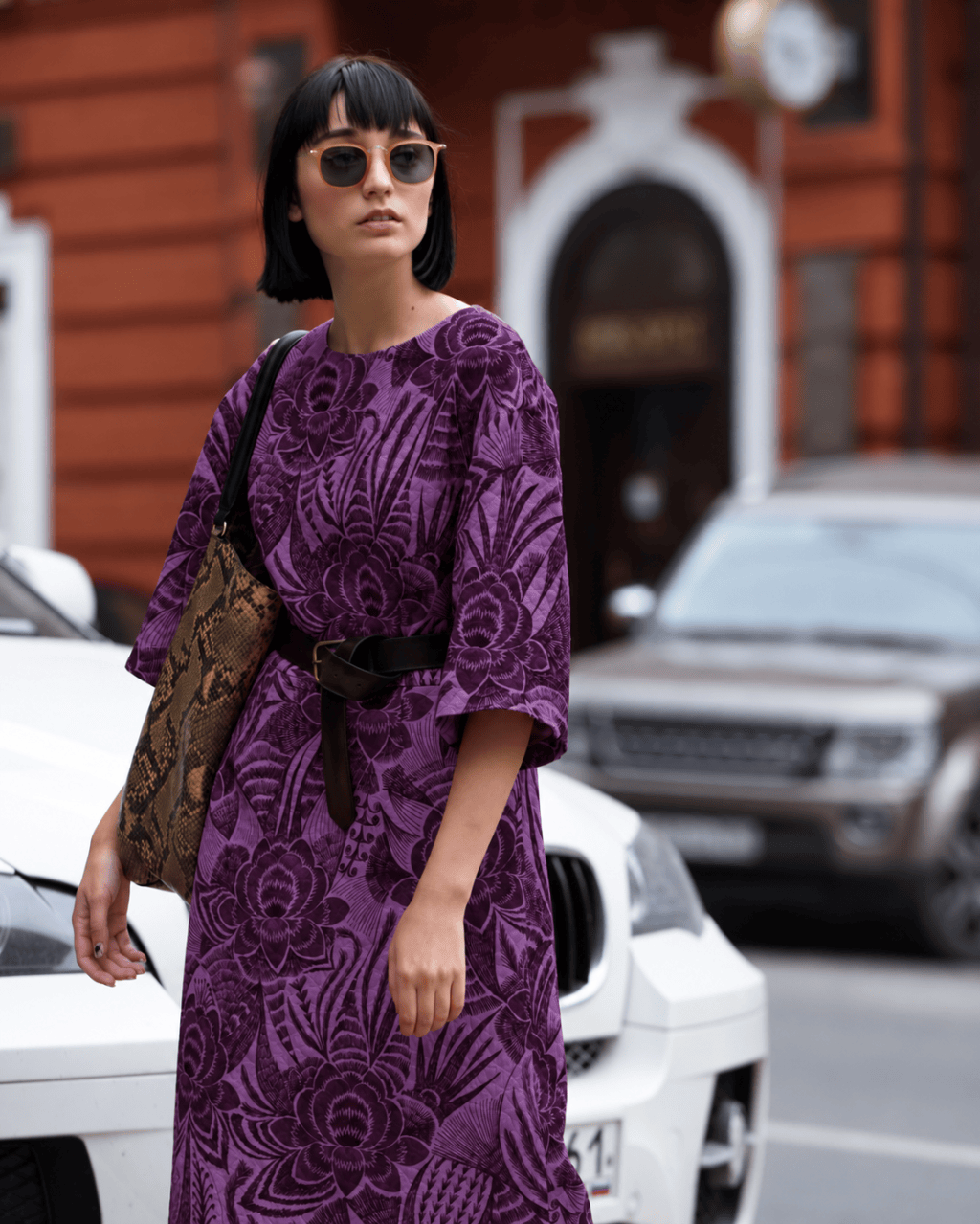
Purple is one of those colours that can look absolutely beautiful on someone else and surprisingly difficult when you try it yourself. You fall in love with a lilac cashmere sweater, only to discover it makes your complexion look a little flat. You try a deep plum dress and suddenly everything works. Or perhaps you have spent years avoiding purple altogether, convinced it simply isn’t your colour.
The interesting thing about purple is that there is almost certainly a shade worth exploring, whatever your skin tone.
From barely-there lavender and romantic orchid to rich aubergine, blackberry and electric violet, purple covers an unusually broad spectrum. Some shades feel soft and feminine, others sophisticated and understated, while the more saturated variations bring a confident splash of colour to even the simplest outfit.
And although purple has a reputation for being difficult to wear, understanding a few basic principles about colour can make it remarkably versatile.
The secret is not simply whether you have fair, medium, olive or deep skin. It is understanding the relationship between your complexion, your undertone and the particular purple you choose.
Someone with fair skin might look wonderful in a delicate lavender or a dramatic royal purple. A medium complexion may come alive against rich orchid or plum. Deep skin can look extraordinary beside soft lilac, saturated violet or luxurious aubergine.
But there are no absolute rules.
The right purple can bring a beautiful sense of balance to your complexion, complement your natural colouring and make an outfit feel effortlessly put together. And even if your favourite shade is not traditionally considered the most flattering, there are clever ways to wear it.
Here is how to find your purple, understand which shades suit different skin tones and introduce the colour into your wardrobe with confidence.
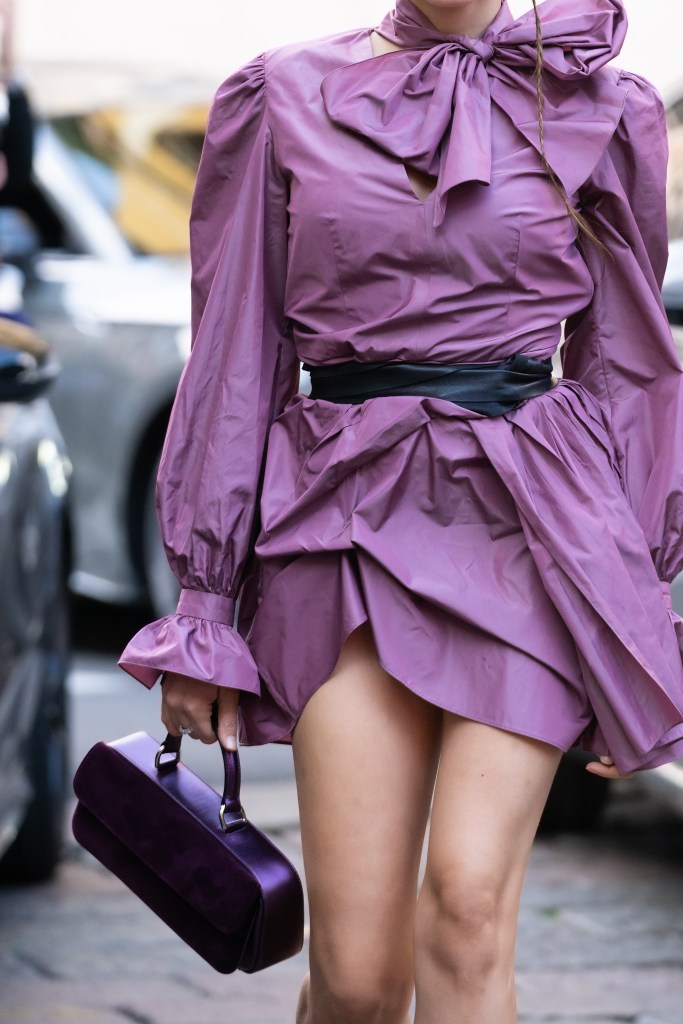
First, Understand the Difference Between Skin Tone and Undertone
Before deciding which purple suits you best, it helps to understand two aspects of your natural colouring: skin tone and undertone.
Your skin tone describes the visible depth of your complexion. It might be fair, light, medium, tan, dark or deep.
Your undertone refers to the more subtle colouring beneath the skin’s surface. This is generally described as warm, cool, neutral or olive, although real complexions can be more nuanced than any single category.
Two women with similarly fair skin may find entirely different shades of purple most flattering because their undertones differ. The same is true for two women with deep complexions.
Skin depth also influences contrast. A pale lilac blouse creates a very different effect against fair skin than it does against deep skin, even when both people have similar undertones.
Understanding these differences gives you a useful starting point.
But remember, colour analysis should help you discover more possibilities, not limit what you are allowed to wear.
Warm Undertones
Warm undertones typically contain golden, peach, yellow or warmer red influences.
You may find that warm ivory, chocolate, certain greens and gold jewellery work particularly well with your colouring.
For purple, it can be worth starting with red-based violet, orchid, warmer plum and rich aubergine.
These shades have enough warmth or depth to create a beautiful relationship with golden or peachy colouring.
Cool Undertones
Cool undertones typically have pink, rosy or blue-based qualities.
Silver jewellery, crisp whites, cool blues and certain jewel tones may feel particularly harmonious.
Blue-based purple, lavender, amethyst, royal purple and cool blackberry shades can be wonderful starting points.
These colours often share the cool quality of the complexion, creating a cohesive effect.
Neutral Undertones
Neutral undertones contain a balance of warm and cool qualities, although this balance is not always perfectly even.
If your colouring is relatively neutral, you may enjoy a particularly broad range of purples.
Soft mauve, true violet, lilac and medium plum are useful places to begin, but the intensity of the colour may matter just as much as its undertone.
Olive Undertones
Olive skin has a subtle green or grey-green quality and can occur across fair, medium and deep complexions.
It can also lean warm, cool or relatively neutral.
This is why olive colouring does not always respond predictably to conventional colour-analysis rules.
Rich aubergine, saturated violet, orchid and plum can all be interesting options, depending on the individual complexion. Some people with olive undertones also look beautiful in pale lavender, particularly when the shade provides enough contrast.
The important thing is to try several variations rather than assuming all purples will behave the same way.
How to Wear Purple If You Have Fair Skin
Fair complexions can look particularly striking in purple, but the amount of contrast between the fabric and your colouring is worth considering.
Softer shades such as lilac, lavender and pale orchid can create a delicate effect. They are especially lovely when your natural colouring is similarly soft or when you prefer an understated wardrobe.
However, pale purple is not automatically the most flattering choice for fair skin.
If your complexion has strong contrast, perhaps with dark hair, defined brows or particularly bright eyes, richer shades such as amethyst, royal purple or deep plum may feel more balanced.
A saturated colour can create a beautiful focal point without overwhelming your features.
The Best Purple Shades to Try
For fair skin with cool undertones, experiment with blue-based lavender, periwinkle-leaning purple, amethyst and royal violet.
For fair skin with warm undertones, consider orchid, pink-leaning lilac, warmer plum and red-violet.
If you have fair neutral skin, both softer and more saturated purples may work well, depending on your preference for contrast.
How to Style Purple With Fair Skin
One of the prettiest combinations is a lilac blouse worn with chocolate-brown trousers. The brown provides depth while allowing the purple to remain soft and feminine.
A lavender knit with dark denim is another easy option, particularly when finished with simple leather accessories.
For something more dramatic, try a royal purple dress with understated silver or gold jewellery.
And if a particular pastel makes your complexion appear washed out, consider choosing a slightly deeper or clearer version rather than abandoning the colour altogether.
It is a similar principle to wearing pale neutrals. Our guide to how to wear white and cream without looking washed out explores how subtle differences in shade and contrast can completely change an outfit.
How to Wear Purple If You Have Light to Medium Skin
Light to medium complexions often have plenty of flexibility when it comes to wearing purple.
The key is identifying whether you prefer colours that closely complement your natural colouring or those that create a stronger contrast.
On some medium complexions, soft lavender looks beautifully understated. On others, the same shade can appear muted, while a richer violet brings far more energy to the face.
This is where experimenting with colour intensity becomes especially useful.
The Best Purple Shades to Try
For warmer light-to-medium skin, consider orchid, red-violet, aubergine and plum.
For cooler complexions, blue-violet, lavender, amethyst and saturated royal purple are excellent starting points.
Neutral skin may look particularly lovely in balanced violet, dusty mauve or a medium-toned purple that is neither especially pink nor blue.
How to Style Purple With Medium Skin
A rich purple blouse paired with ivory tailoring creates a sophisticated outfit that works beautifully for the office or dinner.
Alternatively, try a plum knit with straight-leg jeans, chocolate loafers and a structured handbag.
For a more fashion-forward combination, wear an orchid skirt with a soft green top or a violet cardigan with charcoal trousers.
Medium complexions can also look wonderful with tonal purple outfits.
Try pairing a soft lavender shirt with a deeper plum skirt, or an amethyst knit with aubergine trousers.
Varying the depth of the colour creates interest while keeping the overall look coordinated.
The result can feel much more considered than wearing several pieces in exactly the same shade.
How to Wear Purple If You Have Tan or Golden Skin
Purple and golden skin can be a particularly beautiful combination because the contrasting qualities of the colours create visual interest.
Purple and yellow sit opposite each other on the traditional colour wheel, which helps explain why certain violet shades look so striking beside golden colouring.
That does not mean every person with golden skin needs to wear bright purple.
Softer shades can be equally beautiful, particularly when paired with warm neutrals and rich textures.
The Best Purple Shades to Try
Orchid, magenta-leaning violet, rich plum and aubergine can be lovely against golden undertones.
For those who enjoy brighter colours, saturated royal purple is worth experimenting with.
Soft lilac can also look beautiful, especially when it has a slightly pink rather than icy blue quality.
How to Style Purple With Golden Skin
A rich violet silk blouse with cream or chocolate trousers creates an elegant combination.
A plum dress with gold jewellery and warm brown accessories is another particularly lovely option.
For everyday dressing, try a lilac knit with dark denim, a tan leather belt and loafers.
If you prefer a more expressive outfit, purple and olive green can make a striking pairing.
The important detail is choosing the right versions of each colour.
A vivid purple may look wonderful against a richer olive, while a softer orchid can work beautifully beside lighter sage.
And if you find that cool lavender does not have quite the effect you want near your face, try it in a skirt, handbag or shoes instead.
How to Wear Purple If You Have Olive Skin
Olive skin is often misunderstood in traditional colour analysis.
Because olive colouring can have green, golden, grey or cooler influences, it does not always fit neatly into a warm-versus-cool system.
Someone with olive skin may find certain warm colours beautiful and others unexpectedly unflattering. Equally, a cool shade that seems unlikely on paper may look wonderful when actually worn.
Purple is a particularly interesting colour to experiment with because of its range.
The Best Purple Shades to Try
Rich aubergine is a lovely starting point for many olive complexions, particularly when the colour contains enough red or brown to feel sophisticated rather than overly blue.
Deep plum, blackberry and medium violet are also worth considering.
If you enjoy brighter colours, try saturated amethyst or royal purple.
For softer dressing, compare several versions of lilac rather than choosing the first pale purple you find. A clean lavender may create a completely different effect from a greyed-out mauve.
How to Style Purple With Olive Skin
An aubergine blazer with cream trousers and simple gold jewellery can create an elegant, understated outfit.
For something more casual, try a violet sweater with washed denim and leather loafers.
A deep plum satin skirt with a soft ivory knit is another versatile combination.
Olive skin can also look particularly interesting alongside purple and green worn together.
The colours might seem unconventional, but a green pleated skirt with aubergine boots or a plum handbag creates a confident, modern look.
This is also a useful reminder that choosing clothes according to personal colouring is only one part of getting dressed.
As we explore in why some clothes look chic on everyone else but never quite work on you, the relationship between colour, proportion, fabric and personal style is often more important than following one particular rule.
How to Wear Purple If You Have Dark or Deep Skin
Purple can look extraordinary against dark and deep complexions, particularly when the chosen shade creates a beautiful contrast or has enough saturation to remain distinct from the skin.
Soft lavender and lilac can create a luminous effect against deep skin, while jewel-toned purples feel rich and luxurious.
For a more understated approach, aubergine and blackberry can work almost like traditional dark neutrals.
The choice largely depends on whether you want softness, contrast or tonal depth.
The Best Purple Shades to Try
Lavender and lilac offer striking contrast against many deeper complexions.
Royal purple, violet and amethyst create a saturated, jewel-toned effect.
Plum, blackberry and aubergine can be particularly elegant when you want a richer, more understated colour.
For deep skin with warm undertones, orchid, red-violet and warm plum are useful options.
For cooler undertones, experiment with blue-violet, lavender and saturated amethyst.
How to Style Purple With Deep Skin
A lavender silk blouse with dark tailored trousers is an elegant way to introduce a softer purple.
For evening, a royal purple dress in a clean, beautifully cut silhouette can be incredibly striking.
An aubergine suit is another sophisticated option, particularly when worn with a contrasting ivory or pale blue shirt.
If you enjoy colour, try purple with bright green, cobalt blue or cherry red.
These combinations can feel confident and expressive without being complicated, especially when the individual pieces have simple silhouettes.
A beautifully cut violet skirt, for example, can become the focal point of an outfit.
Our guide to the eight skirt styles worth wearing this season offers inspiration for finding a shape that works with your preferred proportions.
The most important thing is to avoid assuming that deeper skin should only be dressed in equally deep colours.
Sometimes the contrast of the palest lilac is precisely what makes an outfit so beautiful.
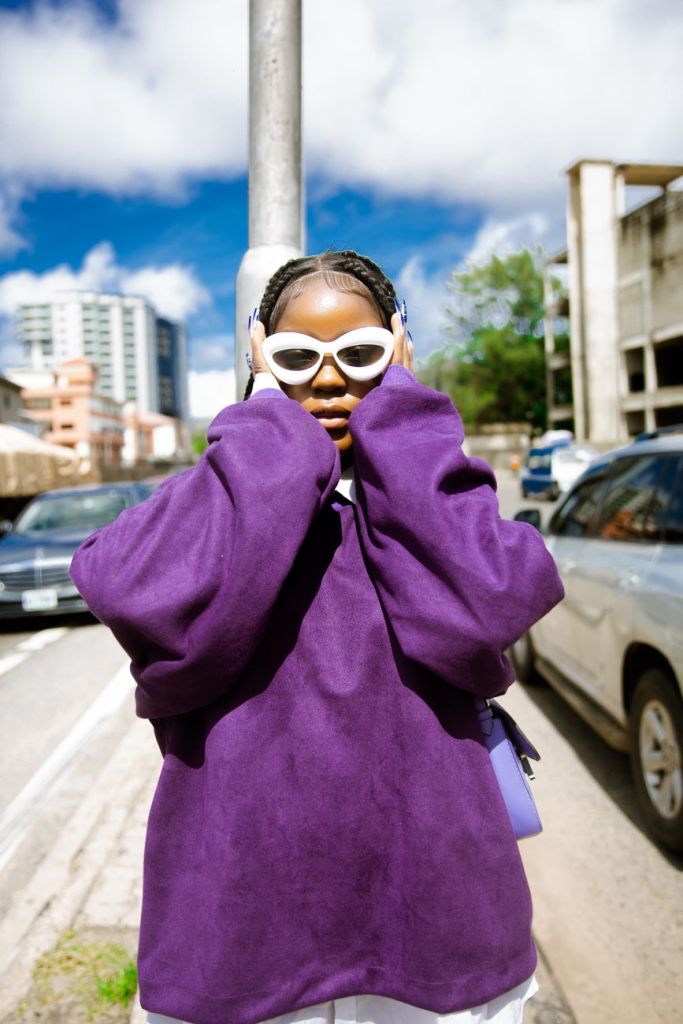
Understanding the Different Shades of Purple
Not all purples are created equal.
Small differences in undertone, brightness and depth can dramatically change the way a colour looks when worn.
Understanding the main purple colour families makes it easier to identify what you actually like.
Lilac: Soft, Feminine and Easy to Wear
Lilac is typically a light purple with a soft pink or blue influence.
It can be delicate and romantic, but modern styling gives it a much more sophisticated feel.
Wear lilac with chocolate brown, charcoal, denim or ivory.
If you find pale lilac too muted near your face, try a slightly clearer or more saturated version.
Lavender: Cool and Understated
Lavender often has a cooler, more blue-based character than lilac, although the names are sometimes used interchangeably.
It can be especially beautiful in lightweight knitwear, crisp shirts and summer dresses.
Pair lavender with navy, charcoal, soft grey or dark denim for a polished look.
Orchid: The Warmer Purple
Orchid sits between purple and pink, giving it a slightly warmer, more vibrant character.
It can be a particularly lovely choice for those who find icy lavender difficult to wear.
Try an orchid blouse with chocolate trousers or a softly structured skirt with an ivory knit.
Royal Purple: Bold and Beautiful
Royal purple is saturated and unmistakably purple.
It tends to create a strong visual statement, particularly when worn near the face.
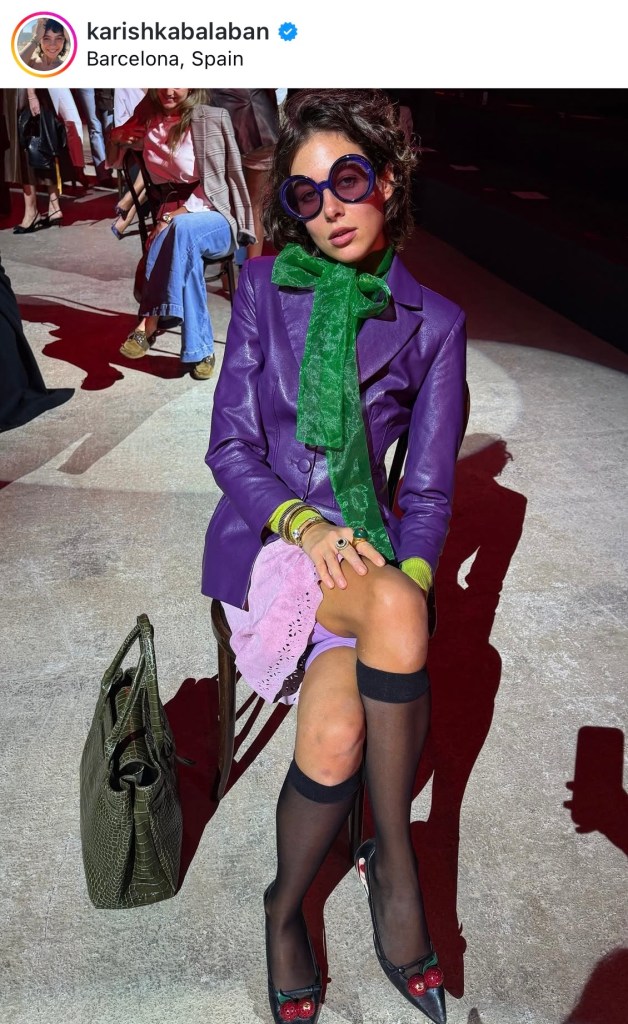
If you enjoy contrast and expressive colour, a royal purple knit, blazer or dress can be a wonderful wardrobe addition.
For an easy outfit, pair royal purple with navy, charcoal or dark denim.
Plum: Rich and Sophisticated
Plum has a deeper, often redder quality that makes it a beautiful alternative to burgundy.
It works particularly well in silk, satin, wool and fine knitwear.
Plum also pairs beautifully with grey, chocolate brown, navy and blush pink.
Aubergine: The Elegant Dark Purple
Aubergine is deep, rich and often contains subtle red, brown or blackened purple influences.
It is one of the easiest purple shades to incorporate into an otherwise neutral wardrobe.
Try aubergine tailoring, a leather handbag, ankle boots or a beautifully cut wool coat.
It can feel just as versatile as traditional dark neutrals while bringing more depth and interest to an outfit.
Which Purple Looks Best With Your Undertone?
If you want a simple starting point, these combinations are worth trying.
| Your colouring | Purple shades to experiment with |
|---|---|
| Fair with cool undertones | Lavender, amethyst, blue-violet |
| Fair with warm undertones | Orchid, pink-lilac, warm plum |
| Medium with warm undertones | Red-violet, aubergine, orchid |
| Medium with cool undertones | Royal purple, lavender, amethyst |
| Neutral undertones | True violet, lilac, mauve, plum |
| Olive undertones | Aubergine, blackberry, violet, plum |
| Deep with warm undertones | Orchid, red-violet, rich plum |
| Deep with cool undertones | Lilac, royal purple, blue-violet |
These are suggestions rather than restrictions. Skin depth, contrast, colouring and personal preference all affect the final result.
Two people in the same category may have completely different favourite shades.
How to Tell Which Shade of Purple Actually Suits You
Sometimes the most reliable way to find your perfect purple is also the simplest.
Try it on.
Colour analysis can provide useful guidance, but photographs, online descriptions and even traditional undertone tests do not always tell the full story.
A shade that looks beautiful on a model may appear completely different against your complexion, particularly when the lighting, fabric and surrounding colours change.
Try the Natural Light Test
Gather several purple items in different shades.
Ideally, include a pale lilac, a cooler lavender, a medium violet, a rich plum and a deeper aubergine.
Stand near a window in natural daylight, without direct sunlight creating strong shadows.
Hold each shade beneath your face and observe the overall effect.
Does the colour make your complexion look more balanced? Do your eyes appear more noticeable? Does the shade feel harmonious, or does the fabric seem to dominate?
It can help to compare two shades side by side rather than judging each one in isolation.
A pale lilac may look lovely until you try a slightly brighter orchid and realise you prefer the additional warmth.
Equally, a rich purple that initially seems overwhelming may look wonderful when compared with a muted version.
The aim is not to find a scientifically perfect colour match. It is to identify the shades you genuinely enjoy seeing against your colouring.
Consider Brightness, Not Just Undertone
One of the most overlooked aspects of choosing purple is saturation.
Some people look particularly harmonious in soft, muted colours. Others enjoy the contrast of clearer, brighter shades.
This difference can matter as much as whether a colour is warm or cool.
Someone with warm colouring may prefer a vivid, red-based purple rather than a dusty mauve. Another person with similarly warm skin may find a softer plum more comfortable.
Try changing the intensity before deciding a colour family does not work for you.
Pay Attention to Contrast
Contrast describes the visual difference between your colouring and the clothes you wear.
If your hair, skin and eyes create strong natural contrast, you may enjoy more saturated or dramatically different colours.
If your colouring is softer or more blended, you may prefer gentler combinations.
But these are styling possibilities, not hard rules.
A low-contrast person can wear bold purple, and someone with high contrast can look lovely in pastel lavender.
You may simply prefer to balance the colour differently through accessories, makeup or the other pieces in your outfit.
The Best Colours to Wear With Purple
Finding a flattering purple is only half the equation.
What you wear with it can make an equally important difference.
Purple is remarkably adaptable, particularly when you move beyond the instinct to pair it exclusively with black.
Purple and Chocolate Brown
One of the most elegant combinations, purple and chocolate brown feel rich without being overly dramatic.
Try a lilac knit with dark brown trousers or a plum blouse with espresso-coloured tailoring.
The combination is especially beautiful in luxurious textures such as cashmere, wool and leather.
Purple and Grey
Grey provides a sophisticated backdrop for almost every purple shade.
Charcoal works beautifully with lilac, royal purple and amethyst, while lighter grey can soften plum and aubergine.
A lavender cardigan with tailored charcoal trousers is an easy outfit that feels polished without requiring much effort.
Purple and Cream
Cream and ivory can make richer purple shades feel lighter and more approachable.
An aubergine blazer with ivory trousers is a particularly elegant combination.
A lilac top with cream denim also makes a lovely warm-weather outfit.
Choose the cream or white that suits your own colouring rather than assuming every neutral works the same way.
Purple and Green
Purple and green can look unexpectedly sophisticated together.
Think aubergine with olive, lavender with sage or royal purple with forest green.
For a more confident outfit, try a bright green skirt with purple boots or a violet knit with tailored olive trousers.
Purple and Red
Purple and red are not for the faint-hearted, but they can create a striking fashion combination.
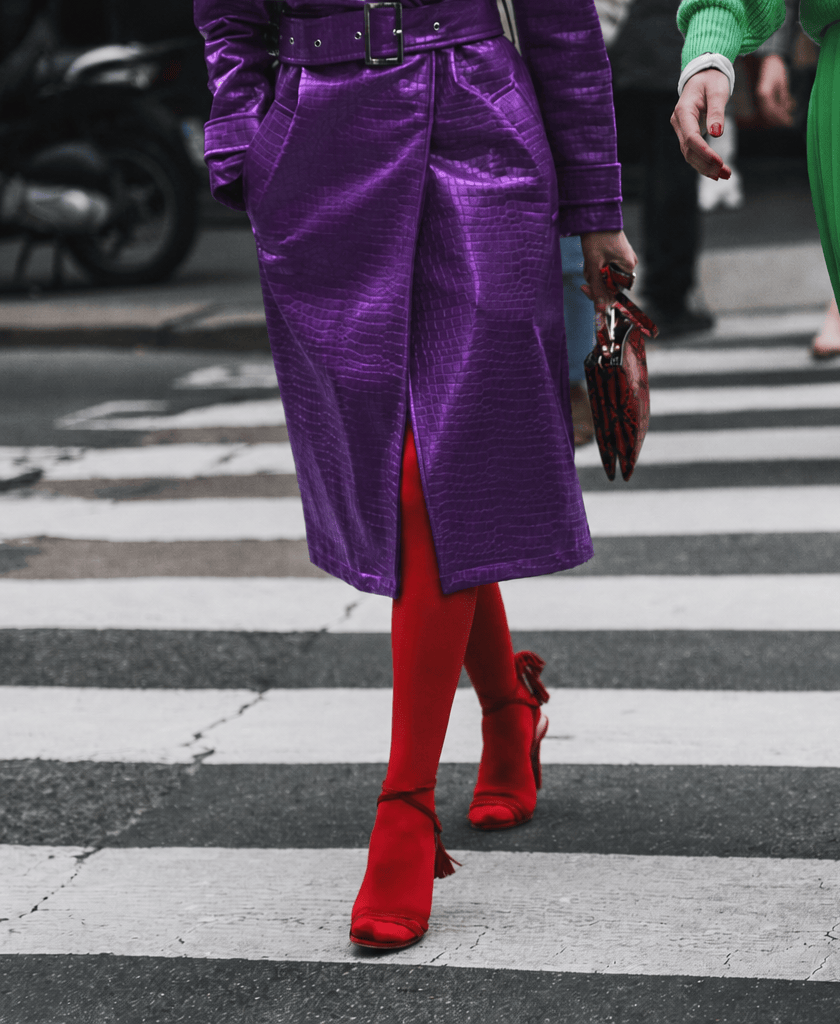
Royal purple with cherry red is particularly bold, while plum and burgundy offer a more tonal interpretation.
The simplest way to make the pairing work is to keep the clothing shapes relatively understated.
Purple and Denim
For everyday dressing, denim is one of purple’s easiest partners.
Lilac with dark indigo denim feels soft and sophisticated, while royal purple with faded blue jeans has a more relaxed energy.
A plum cardigan with straight-leg denim and loafers is an outfit that works across several seasons.
And if you want a darker foundation, purple knitwear looks particularly good with tailored black trousers.
Our guide to 15 ways to style black trousers has plenty of ideas for making a classic wardrobe staple feel more interesting.
How to Wear Purple Without It Feeling Too Bold
If purple is not a colour you normally wear, the easiest approach is to introduce it gradually.
You do not need a head-to-toe violet outfit or an expensive statement coat to appreciate the colour.
A single well-chosen piece can make familiar clothing feel completely different.
Start With a Purple Knit
A beautiful knit is one of the most wearable ways to experiment with colour.
Choose a lilac cardigan, a plum cashmere sweater or a royal purple crew-neck and wear it with the trousers or jeans you already love.
The familiar silhouette makes the colour feel less intimidating.
Try a Purple Skirt
A purple skirt allows you to enjoy the colour without necessarily wearing it close to your face.
A plum satin midi with a simple knit is wonderfully versatile. A lilac A-line skirt feels fresh and feminine, while an aubergine tailored skirt offers a sophisticated alternative to black.
If you are unsure about the shape, our guide to finding your most flattering silhouette explains how proportion, fit and fabric can influence the way an outfit comes together.
Introduce Purple Accessories
Sometimes the smallest addition makes the biggest difference.
A violet handbag, aubergine boots or lilac ballet flats can bring colour into an otherwise simple outfit.
This approach works particularly well if you love a purple shade that does not feel quite right near your face.
A pair of purple flats with jeans and a white shirt, for example, can feel incredibly chic.
For footwear inspiration, explore our guide to the flat shoes fashion people are wearing instead of heels.
Experiment With Tonal Purple
Wearing several shades of purple together can look surprisingly sophisticated.
Try a lilac blouse with aubergine trousers, a plum knit with a lavender skirt or a deep purple coat layered over a softer violet dress.
The secret is varying the depth and texture of the individual pieces.
Silk with wool, cotton with leather or soft knitwear with crisp tailoring prevents a tonal outfit from feeling too uniform.
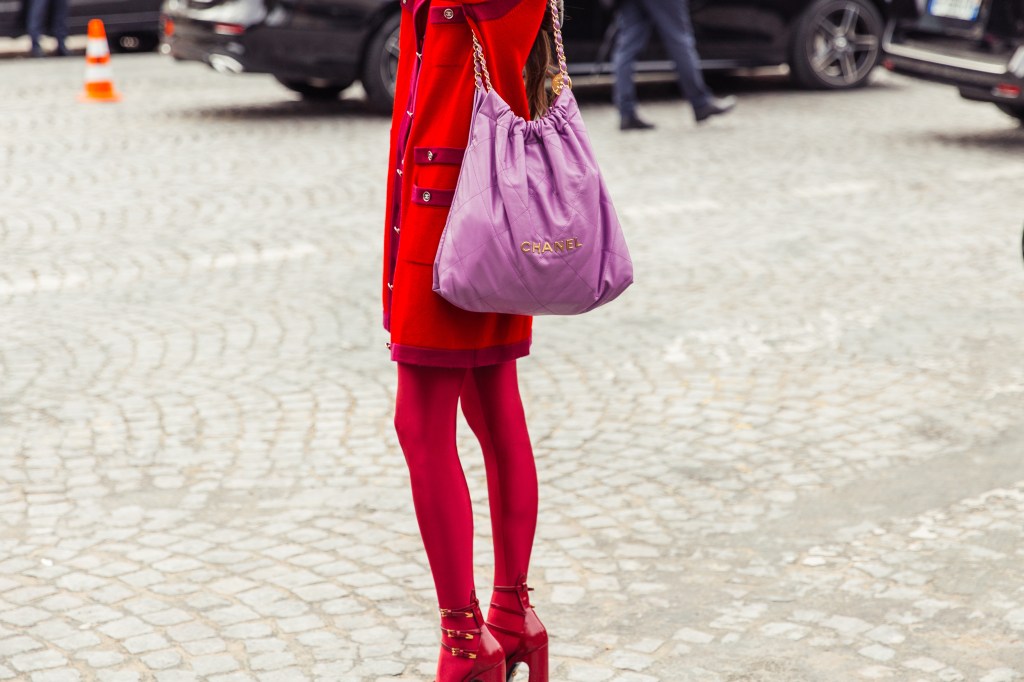
How to Wear Purple to Work, on Weekends and for Evening
Purple can suit almost every part of your wardrobe. The secret is choosing the shade and silhouette that match the occasion.
For Work: Keep It Tailored
An aubergine blazer is an elegant alternative to traditional navy or charcoal tailoring.
Wear it with a cream shirt, straight-leg trousers and simple loafers.
A plum blouse with charcoal pants or a lavender knit beneath a structured blazer can also introduce colour without feeling overly formal.
The key is to let the colour add interest while the silhouette provides polish.
For Weekends: Make It Relaxed
A lilac sweatshirt with faded jeans and white trainers is an easy off-duty combination.
For something more considered, try a violet cardigan with straight-leg denim, a leather belt and ballet flats.
A plum knit worn with relaxed trousers and a trench coat is another lovely option for cooler weather.
Purple does not need to be reserved for statement dressing. It can work just as well as part of a comfortable everyday outfit.
For Evening: Embrace Rich Colour
Purple can be particularly beautiful for evening dressing.
A royal purple silk dress with minimal jewellery makes a confident statement.
An aubergine satin skirt with a fine knit and heeled boots feels elegant without being overly formal.
A plum velvet jacket or a deep violet blouse can also bring richness to otherwise simple separates.
Choose one beautiful piece and let it become the focus.
Our guide to the wardrobe pieces that instantly make an outfit feel more fashion-forward offers more inspiration for making familiar outfits feel modern through colour, texture and silhouette.
What If You Love a Purple That Isn’t Supposed to Suit You?
This may be the most important part of any colour guide.
You do not have to abandon a shade simply because a colour-analysis chart suggests it is not your ideal match.
Fashion should not become another collection of rules that makes getting dressed unnecessarily complicated.
If you love lilac but have been told you should only wear warm colours, experiment with different lilacs. Try a pinker version, change the fabric or introduce contrast through your accessories.
If you adore royal purple but find it overwhelming near your face, wear it in a skirt, handbag or shoes.
If aubergine looks too dark on you, try a slightly brighter plum or introduce a lighter colour around your neckline.
Sometimes a shade needs a different context rather than complete rejection.
A rich purple blouse may feel heavy when worn with black trousers but beautiful with cream. A pale lavender knit might seem too delicate on its own yet look wonderful beneath a chocolate jacket.
And sometimes the colour simply makes you happy, which is a perfectly good reason to wear it.
As we explore in why being too perfect is killing your personal style, getting dressed becomes far more interesting when we stop treating every fashion guideline as something that must be followed.
Understanding which shades complement your colouring is useful. Allowing yourself to experiment is equally important.
Building a Wardrobe Around Purple
If you discover that purple works particularly well for you, it can be worth introducing the colour into several parts of your wardrobe.
That does not mean buying everything in lilac or replacing your existing neutrals with aubergine.
Instead, consider creating a small, complementary palette.
For example, you might choose a soft lavender knit, a rich plum skirt and an aubergine handbag.
These pieces can be worn separately with neutral clothing or combined for a more tonal look.
Alternatively, you might prefer one statement colour, such as royal purple, and introduce it through a beautifully cut coat, dress or structured bag.
Think about the colours you already own and wear most often.
If your wardrobe contains plenty of navy, grey, chocolate and denim, purple may be surprisingly easy to incorporate.
If you prefer cream, pink and softer neutrals, lilac and orchid could be particularly useful additions.
And if you enjoy expressive colour combinations, violet can work beautifully with red, green and blue.
The goal is not to build a perfectly coordinated purple wardrobe.
It is to find pieces you genuinely enjoy wearing that bring something new to the clothes you already own.
The Secret to Finding Your Perfect Purple
The most flattering purple is not necessarily the shade a colour chart assigns to your skin tone.
It is the one that works with your natural colouring, feels right with your existing wardrobe and makes you want to wear it.
For some people, that will be a soft lavender that brings a delicate freshness to everyday dressing.
For others, it will be rich aubergine, sophisticated plum or a saturated royal purple that makes even the simplest outfit feel extraordinary.
Your skin depth, undertone and natural contrast can all help guide you towards shades worth trying, but they should never become restrictions.
Experiment with different purples in natural light. Notice how they interact with your complexion. Pay attention to the fabrics, silhouettes and colour combinations that make you feel most comfortable.
And remember that a colour does not always need to be worn near your face to deserve a place in your wardrobe.
A beautiful purple handbag, an unexpected pair of violet shoes or a plum skirt may be exactly what your everyday outfits need.
Because the real joy of colour is not finding one perfect shade and wearing it forever.
It is discovering new ways to make your wardrobe feel interesting, individual and entirely your own.
What to Read Next
How to Find Your Best Silhouette and Stop Fighting Your Wardrobe
Discover how to identify the shapes and proportions that make getting dressed easier.
Why Some Clothes Look Chic on Everyone Else but Never Quite Work on You
Understand how colouring, fit and personal style influence the way an outfit comes together.
Why Being Too Perfect Is Killing Your Personal Style
A reminder that the most interesting wardrobes are built around personality, not rigid fashion rules.

Leave a Reply